

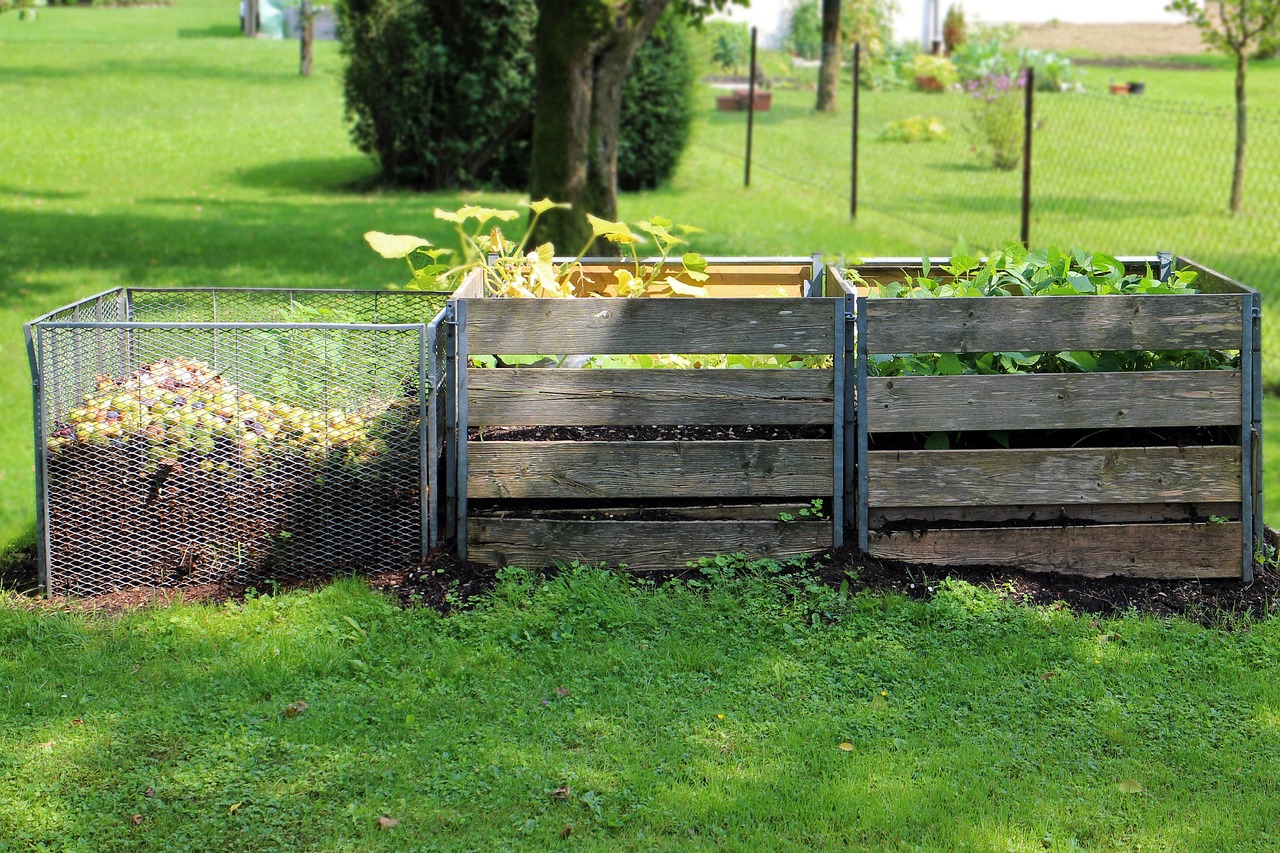
Backyard compost rarely fails all at once. The pile often drifts off course in small, easy-to-miss ways: the center cools down, scraps stop shrinking, and the smell shifts from fresh soil to something sour or sharp after rain, dense grass clippings, or a few rushed kitchen scrap additions.
EPA and university extension guidance describe the same pattern again and again. Compost stays active when air, moisture, and the brown-to-green balance stay in range, and it starts struggling when one of those slips. The good news is that the pile gives clear warning signs early, long before the season’s yard work turns into a soggy, stalled mess.
Rotten Egg Smell Starts Coming From The Center
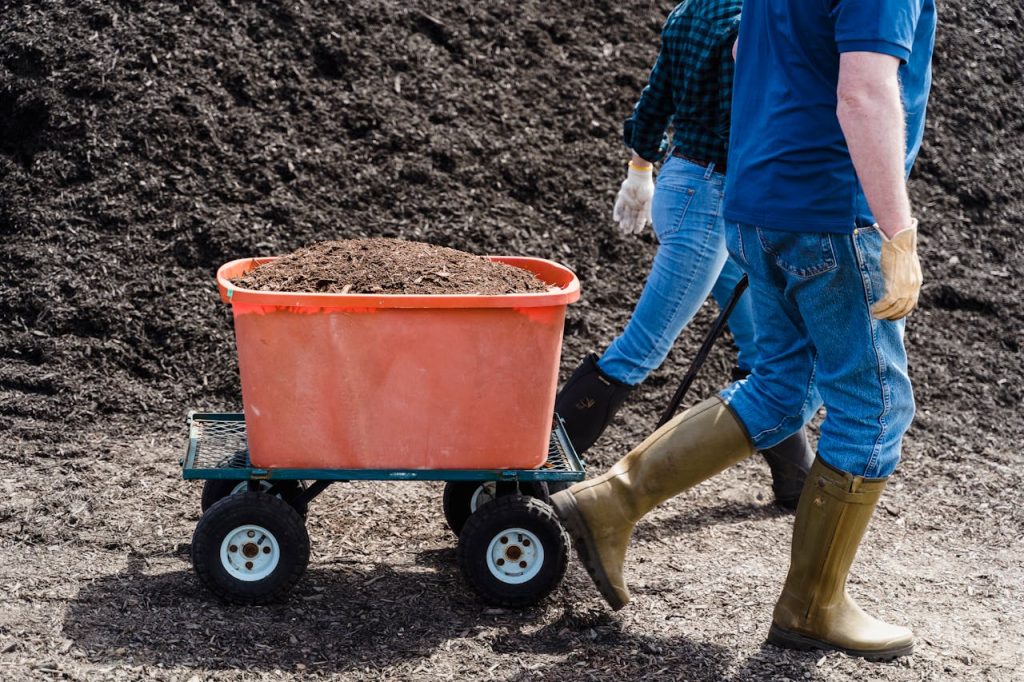
A rotten-egg or sewage-like smell usually means the pile has gone short on oxygen. Cornell warns that overly wet compost can turn anaerobic and produce sulfur odors, and NC State notes that no-air piles become dense, wet, smelly, and slow to decompose. That smell is a direct warning, not a minor nuisance.
Rain-soaked piles, thick grass clippings, and tightly packed fine material can all choke airflow in the center. Turning the pile deeply and adding dry, bulky browns like leaves, chips, or sawdust restores air spaces and usually shifts the smell back toward an earthy soil scent within a few turns. The center can look compacted, too.
Ammonia Odor Hangs Around After New Scraps
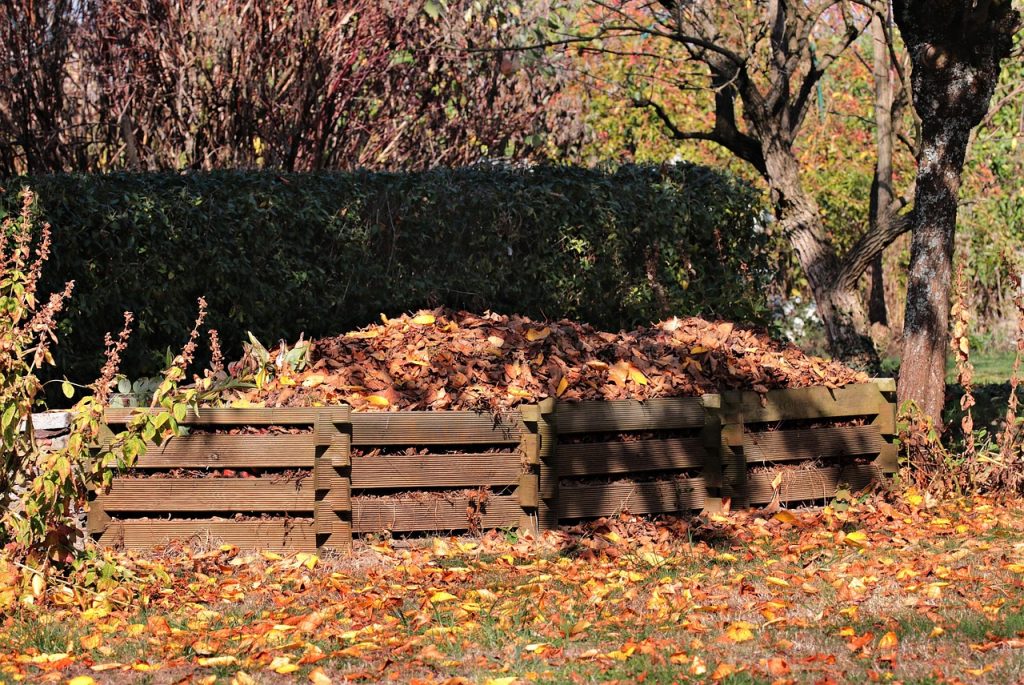
A sharp ammonia smell points to too much nitrogen and not enough carbon in the mix. Cornell’s compost guidance says ammonia odor usually means the carbon-to-nitrogen balance is too low, so nitrogen is escaping into the air instead of helping microbes break material down.
This often happens after repeated additions of kitchen scraps or fresh grass without enough dry leaves, paper, or woodier browns. The pile may still look active, but the smell shows the chemistry is off. Adding carbon-rich material and mixing thoroughly usually steadies the pile and reduces odor quickly. The odor can linger even when scraps are buried.
Pile Feels Slimy Heavy And Hard To Fluff
When the pile feels slimy, matted, or unusually heavy, moisture has likely moved past the healthy range. NC State recommends about 40% to 60% moisture and says compost should feel like a wrung-out sponge, with only a drop or two squeezed from a handful of material.
Illinois Extension gives similar advice and notes that overly wet piles slow down and need turning plus dry browns. A soggy pile loses the air pockets microbes need, so decomposition drags and odors build. If the center feels sticky instead of springy, the pile is not working efficiently. Heavy rain and closed bins can push it there fast in summer. Drainage matters.
Pile Stays Cold Even In Good Weather
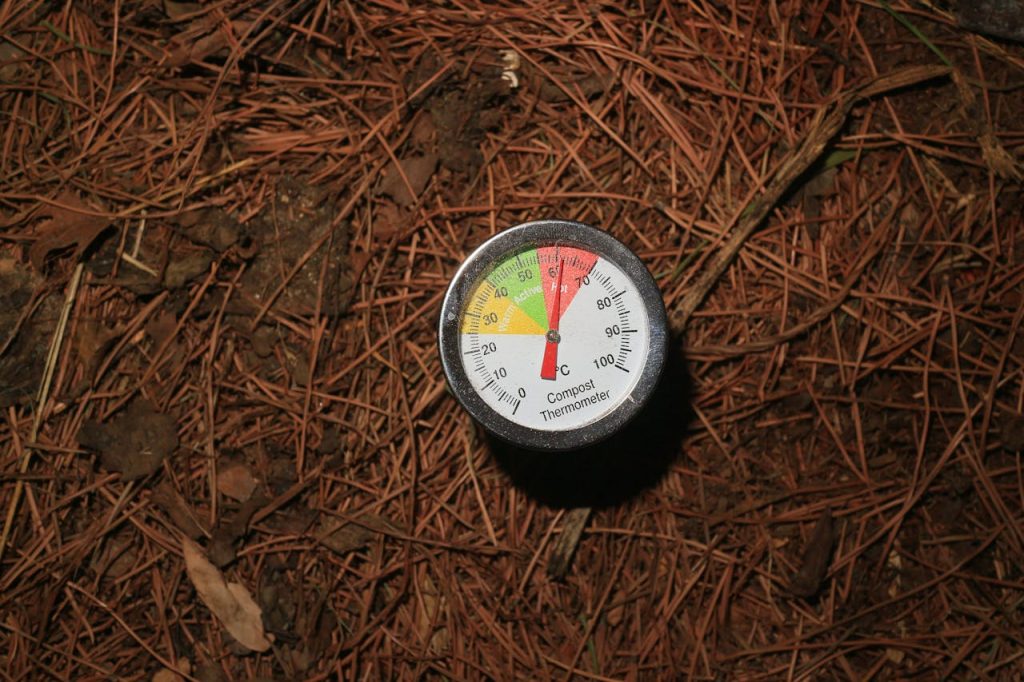
A pile that stays cold in mild weather is usually missing one or more core composting conditions. EPA, Colorado State, and NC State all list the same causes when heating stalls: too few greens, poor aeration, bad moisture, or a pile that is simply too small to hold heat.
Heat matters because compost microbes generate it while they work, and a warm center speeds breakdown while helping reduce some weed seeds and pathogens. If the core stays cool even after turning and adjusting the mix, the pile is signaling that microbial activity has slowed down. A healthy pile usually responds within days after a fix. Warmth should return soon.
Heap Is Too Small To Hold Heat
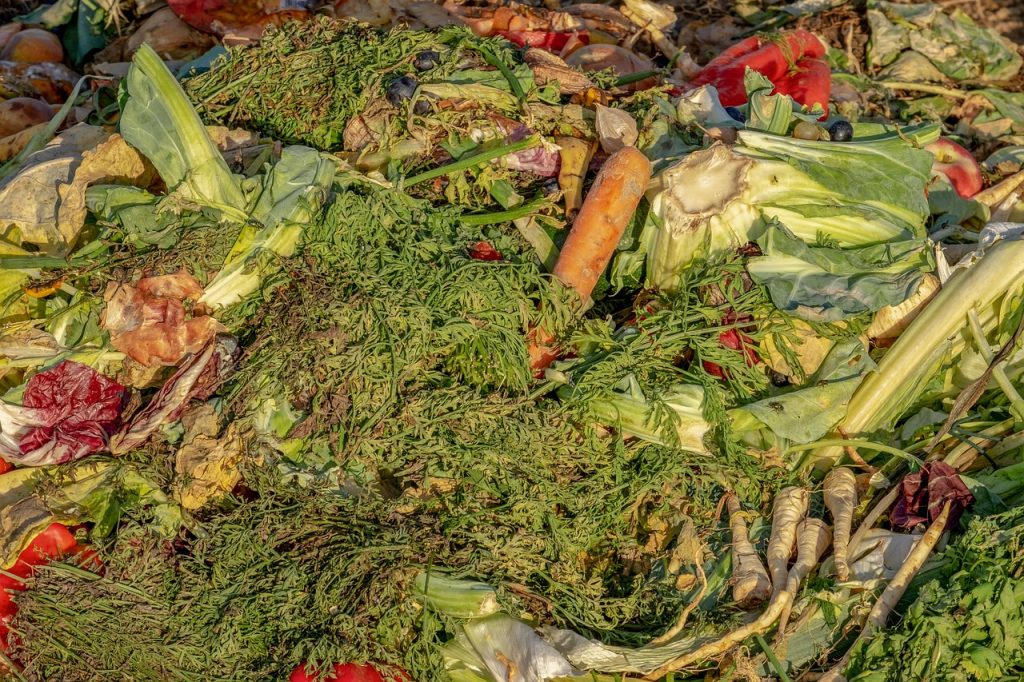
Pile size is easy to overlook, but it strongly affects heat retention and steady breakdown. Illinois Extension recommends a pile between 3 feet cubed and 5 feet cubed for efficient composting, and Minnesota guidance also points backyard composters toward a similar size range.
A small heap can contain the right ingredients and still struggle because it sheds warmth too quickly from the edges. The center never stays active for long, so decomposition slows and odor issues hang around. If the pile cools fast after turning, size may be the real problem. Windy, open spots make it worse. It fails faster there. Drainage and shelter help.
Food Scraps Stay Visible For Weeks
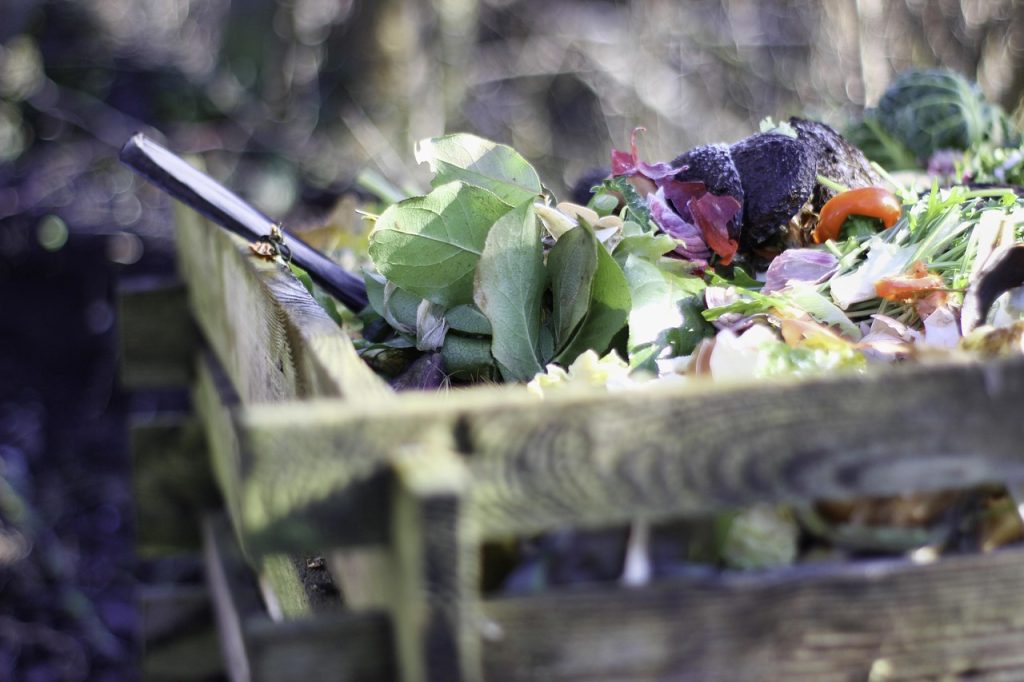
Visible scraps that sit in place for weeks are one of the clearest signs that composting has stalled. EPA uses this benchmark in reverse for finished compost, noting that a pile is ready to cure when it no longer heats after mixing and no visible food scraps remain.
If peels, stems, or coffee filters still look fresh while the pile stays cool, the process is out of balance. Slow compost is not always just a time issue. More often, it points to weak aeration, poor moisture control, or a brown-and-green mix that needs correction. The slowdown is often visible before smell becomes a problem. It usually points to air and moisture first.
Flies Or Rodents Start Visiting Regularly
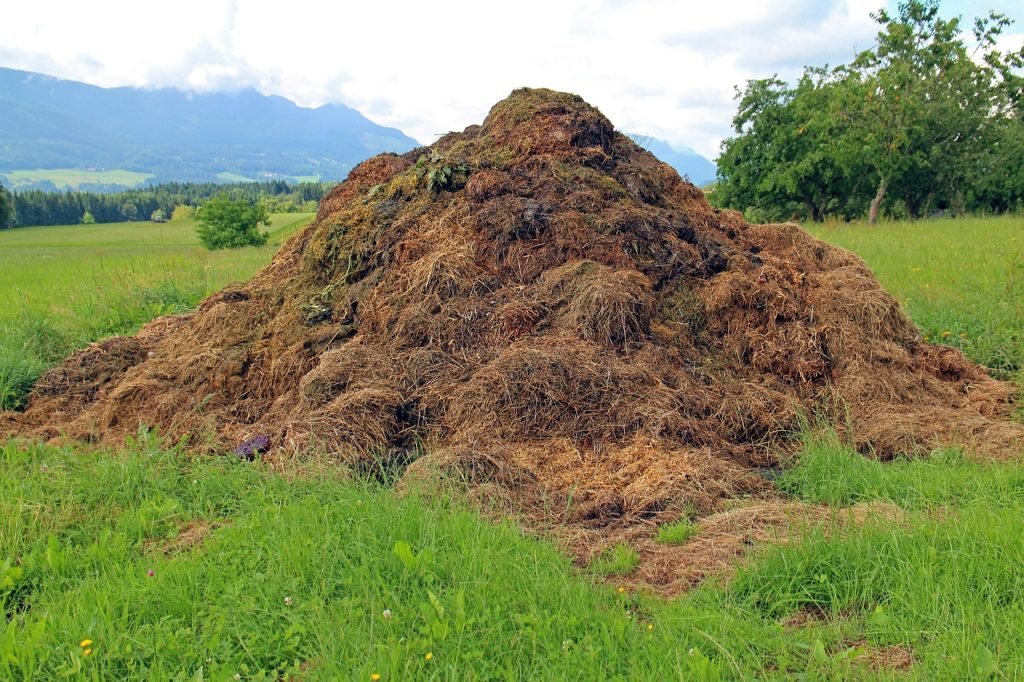
Repeated visits from flies, rodents, or scavengers usually mean the pile is sending out food and odor signals. EPA and Minnesota both warn that meat, bones, grease, whole eggs, and dairy attract animals in home compost systems, especially when scraps are exposed near the surface.
Well-managed piles are less inviting because food scraps stay covered with browns and the mix stays balanced enough to limit strong odors. When pest traffic increases, it usually points to compost management problems. The pile is often too wet, too exposed, or fed the wrong materials. Covering scraps and tightening bin access usually reduces visits quickly.
Compost problems can look messy, but most of them are fixable once the signals are clear. A pile that smells right, holds the wrung-out-sponge texture, and warms in the center usually finds its rhythm again after a few simple corrections.
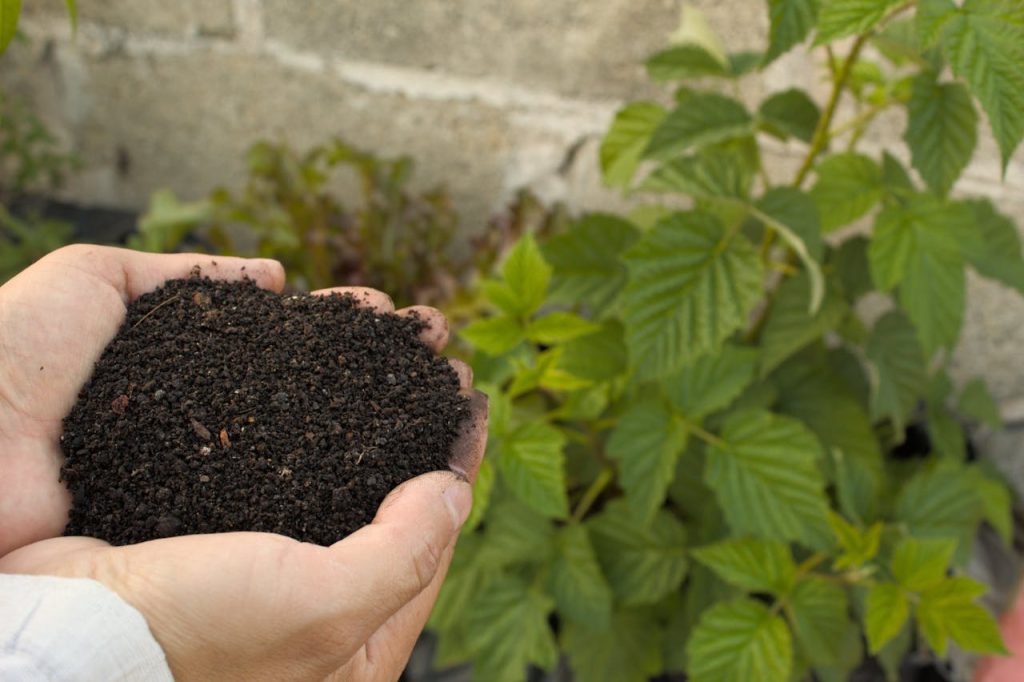
That steady rhythm pays off later in the season. Finished compost returns as dark, crumbly material that helps soil hold moisture, improves structure, and makes the garden feel stronger with every batch that comes out of the bin.