

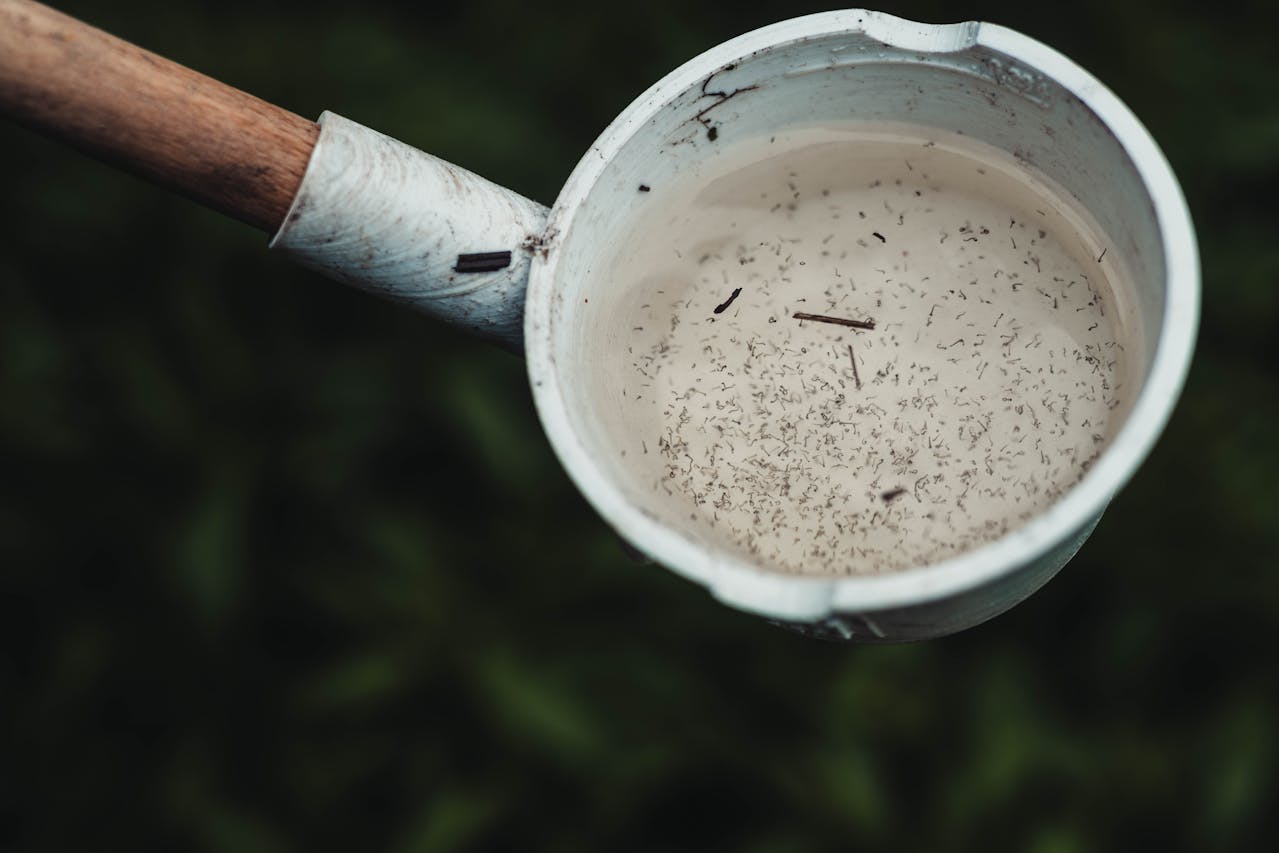
Rain barrels and backyard catchment setups often begin as careful, practical upgrades, especially before hot months when every storm feels worth saving for the garden.
The risk usually starts with small misses that look harmless at first: a shifted lid, a torn screen, or overflow water settling near the house. CDC and extension guidance note that mosquitoes can use very small amounts of standing water, and container systems stay vulnerable when hidden moisture, debris, or leftover water is allowed to sit after rain or watering. Eggs can also cling to container walls and hatch later when water reaches them again in warm weather.
Leaving The Lid Or Intake Opening Loosely Covered
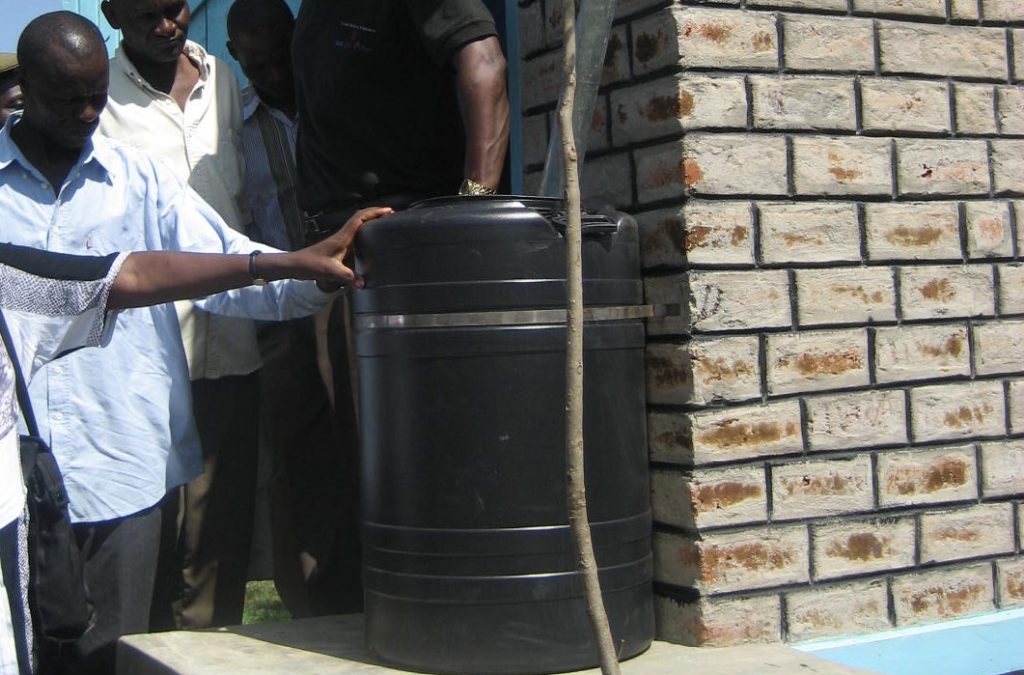
A rain barrel top only works as protection when it seals tightly every time, not just when it looks covered from afar. CDC guidance calls for tightly covering water storage containers such as rain barrels, because adult mosquitoes look for protected water where they can lay eggs.
Problems often start after a quick cleaning, a windy day, or a homemade lid that warps in the sun. Even a narrow gap around the intake can give mosquitoes an entry point, and the barrel may still appear secure while it supports a new cycle. CDC also notes that containers without solid lids should use wire mesh with openings smaller than an adult mosquito.
Ignoring Overflow Ports, Outlets, And Vents
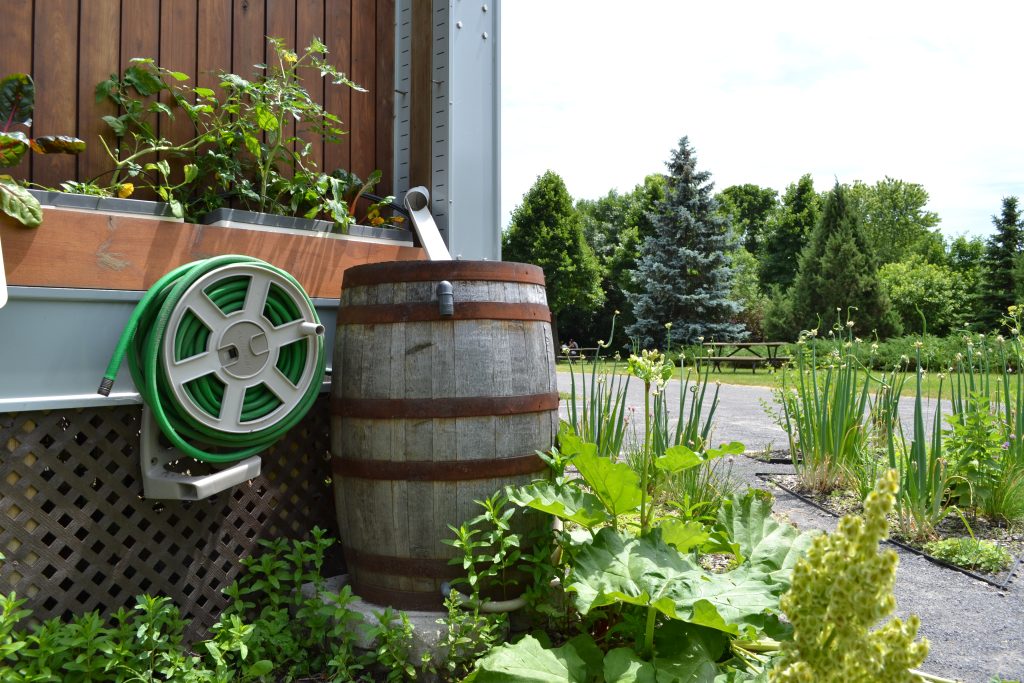
A barrel can be screened on top and still stay open to mosquitoes through the overflow port, outlet, or vent. NC State Extension and San Diego County both stress that all openings need mosquito-proof screening, because side ports become direct access points once water and airflow move through the system.
This mistake gets missed because the main lid looks like the only spot that matters. During storms, overflow points handle the hardest flow, and if they are open or loosely screened, they create an easy path into stored water. NC State also reported many surveyed systems with unscreened overflow pipes or inlets. in practice.
Using Mesh That Is Too Wide Or Damaged
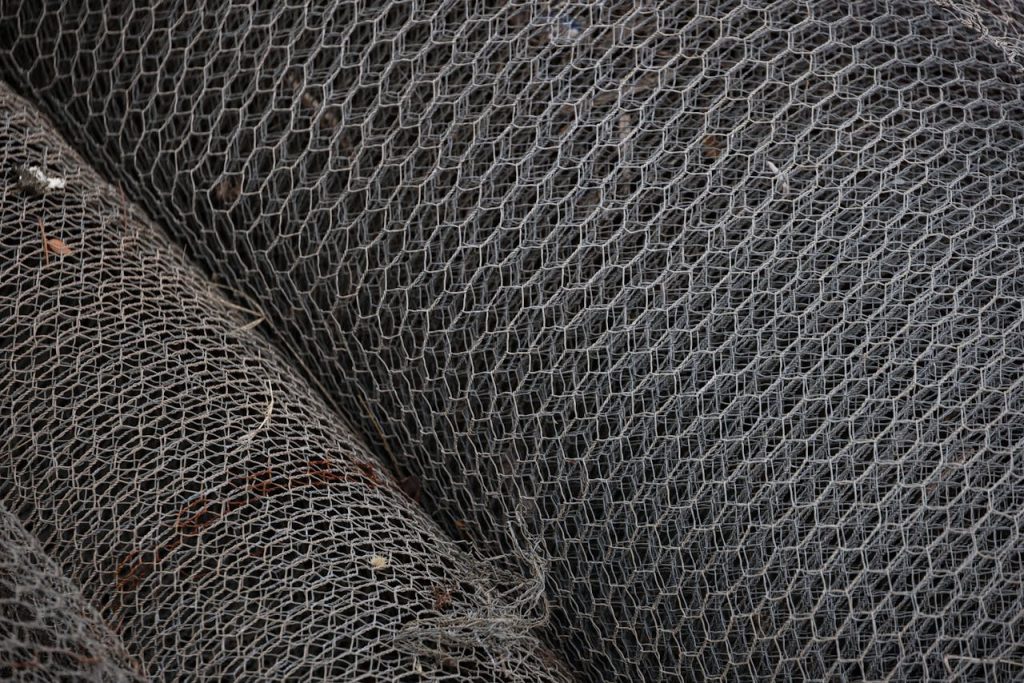
Some barrels technically have screens, but the mesh is too wide, rusted, torn, or loosely attached, so the barrier only looks finished. NC State Extension says screens should be finer than 1/16 inch, intact, and fully cover the opening, and SGV vector control warns that large screens and perforated tops will not keep mosquitoes out.
One tear near a clamp ring or one loose edge at a vent can undo the whole setup. When routine mesh checks are skipped, the system keeps collecting water while the protective layer has already failed. NC State also recommends corrosion-resistant screens and sealing gaps with caulk or sealing tape.
Letting Decorative Tops Hold Shallow Water
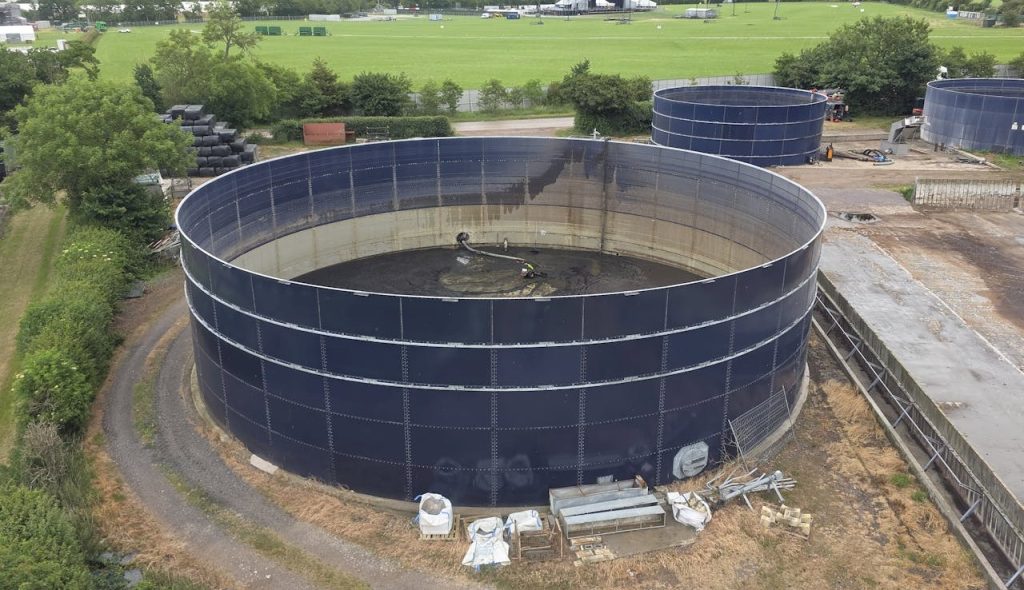
A common mistake happens above the barrel, not inside it, when decorative lids, recessed tops, or rim channels trap water after rain. SGV vector control warns that some barrel designs hold water above the screen, and County of San Diego guidance also notes that pooling on or around the top can become a mosquito problem.
The barrel may be screened correctly and still create breeding space on the outside surface. Shallow puddles on a lid can linger in shade and are easy to miss during a quick yard check. SGV recommends smooth-top barrels, filling depressions with sand, or removing pooled water right after rain. after storms.
Overlooking Leaks, Loose Fittings, And Base Puddles
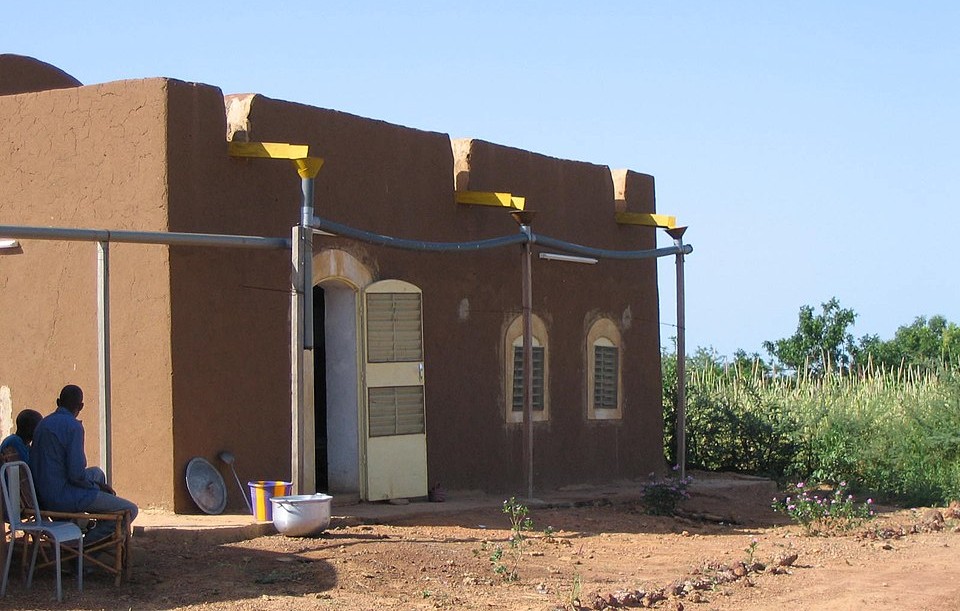
Leaks and loose fittings often create mosquito habitat before anyone notices a problem inside the barrel. San Diego County advises regular inspections for cracks or leaks to prevent puddles at the base, and NC State Extension emphasizes sealing gaps around lids, vents, and piping with weather-safe materials.
A slow drip can be more persistent than a dramatic spill because it keeps the same patch damp day after day. Once water settles near a stand, wall, or edging stone, larvae can develop out of sight between storms. NC State also warns that overflow and drainage should reach an area that drains well, not a spot that stays wet.
Letting Gutters And Screens Fill With Debris
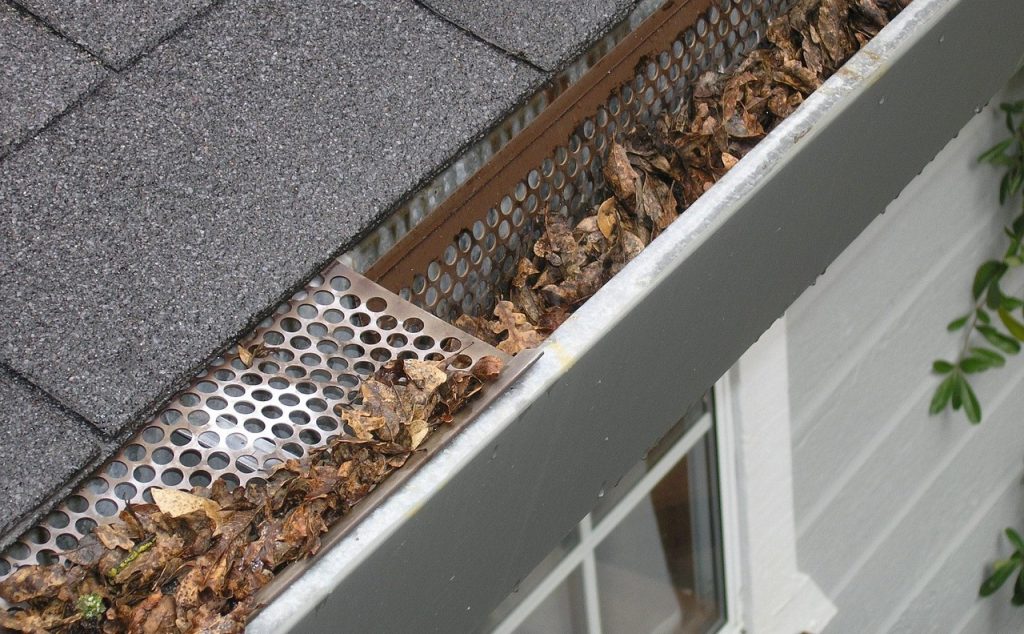
Rainwater harvesting systems stay safer when water keeps moving, but debris changes that fast. San Diego County advises keeping barrels, screens, gutters, and downspouts free of debris, and NC State Extension also notes that clogged gutters attract mosquitoes and add pressure to inlet screens and prefilters.
A clean barrel connected to a clogged gutter line can still support mosquito breeding upstream or around the entry point. Leaves, seed pods, and sludge hold moisture longer, which creates hidden wet pockets after the yard looks dry. Debris also slows flow, increasing overflow and splashing around the setup. near walls.
Assuming Draining The Barrel Once Solves It
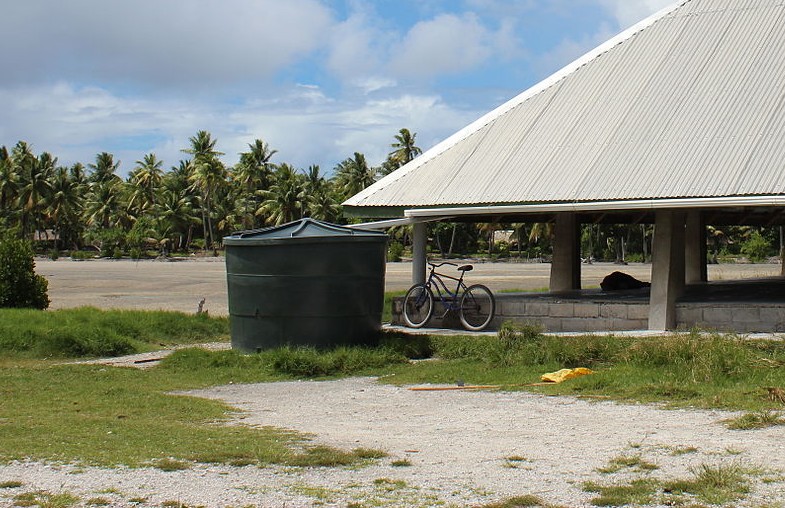
Many people assume draining the barrel after rain solves the problem, but most systems keep water below the outflow valve. SGV vector control points out that the valve often sits an inch or two above the bottom, which leaves water behind, and CDC explains that eggs can stick to container walls and survive drying for months.
That leftover water can keep the cycle going, especially when later rain or sprinkler water reaches eggs above the waterline. CDC notes that eggs hatch when water covers them, so a barrel can look nearly empty and still support the next round of hatching and larval growth in the residual water. for days.
Treating Mosquito Prevention As A One-Time Setup

The biggest mistake is treating mosquito control as a one-time setup step instead of a routine habit tied to weather. CDC recommends weekly action around water-holding items and says larvicides should follow label directions when water cannot be covered or dumped, while San Diego County also advises treatment and inspections for rain barrels.
Mosquito activity usually becomes obvious only after the source has been active for a while. By then, the trigger may be the barrel, a gutter elbow, or a small puddle near the base that stayed unnoticed after rain. A short weekly check stops issues from becoming a repeating summer problem.
Rainwater harvesting still works beautifully when the system is treated like a living part of the yard, not a set-and-forget container. A few steady habits keep the water useful, the garden calmer, and warm evenings more comfortable after rain.