

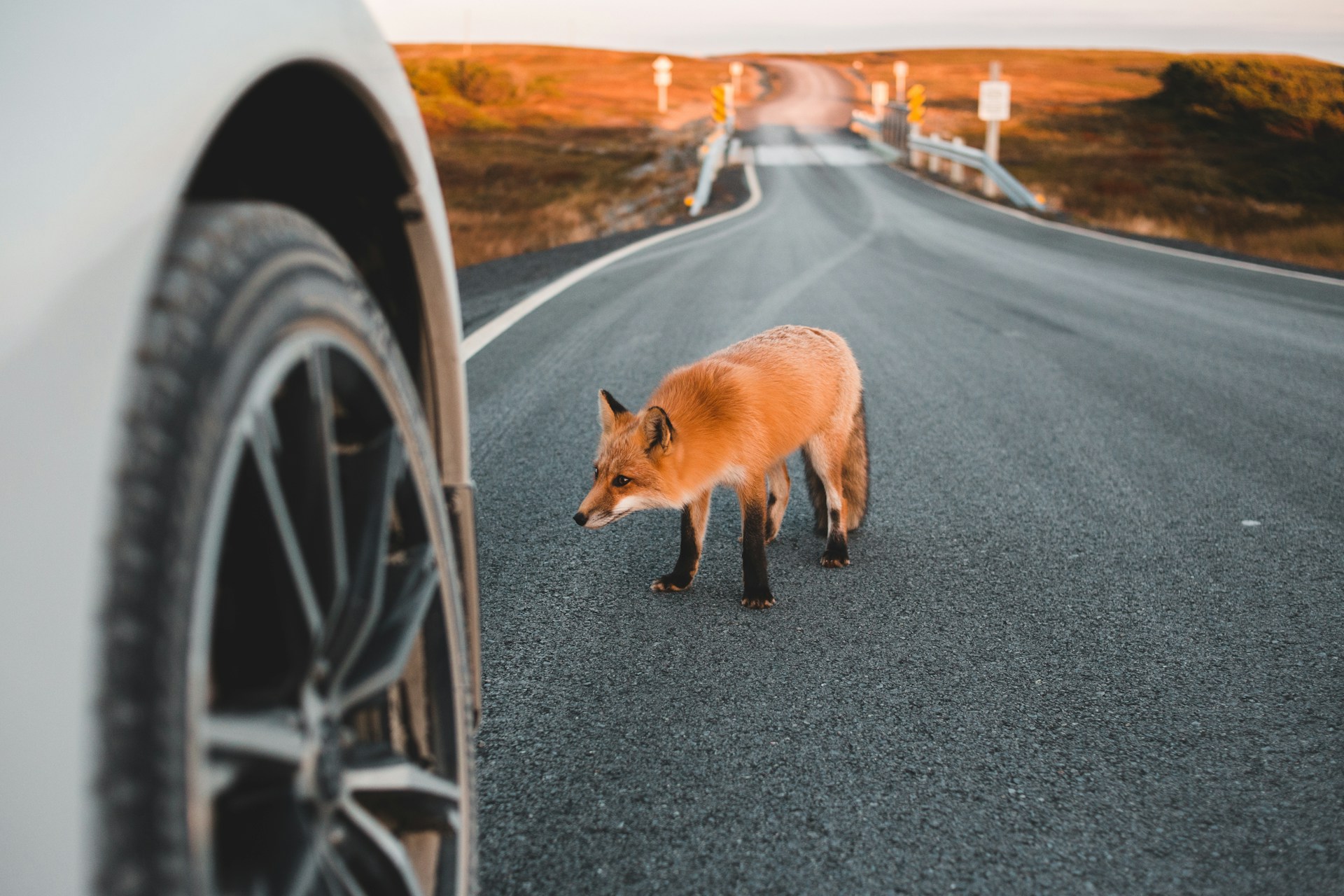
A wildlife strike feels like one event, but it usually becomes three problems at once: a traffic hazard, a possible injury scene, and a legal or insurance issue that depends on where it happened. State guidance is strikingly consistent on the safety basics, but reporting thresholds, carcass rules, and salvage laws can differ a lot from one state to the next.
That is why the biggest mistakes happen after impact, not before it. People focus on the animal first, when the smarter order is roadway safety, injuries, authorities, documentation, and only then the question of what state law requires next.
Panic Makes the Scene More Dangerous
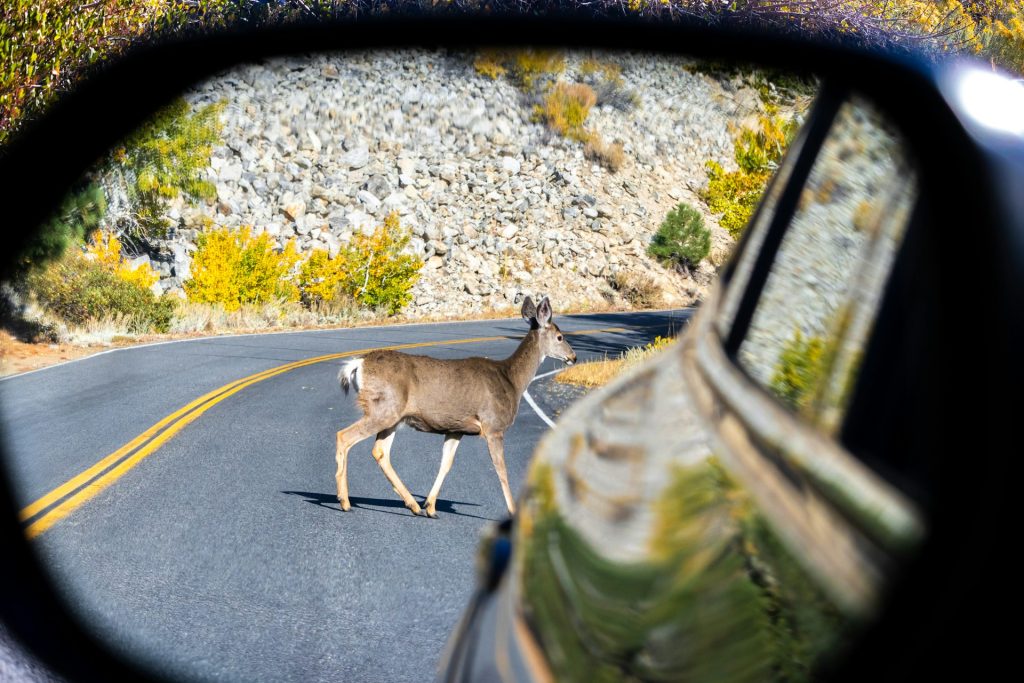
The first mistake is turning one collision into two by jerking the wheel, stopping in a live lane, or stepping out before checking traffic.
Official guidance in multiple states says the same thing: brake firmly, stay in your lane, and get the vehicle to a safer spot if it can still move. Swerving often causes the more serious crash, whether that means oncoming traffic, a pole, a tree, or a ditch.
Hazard lights matter more than pride in that moment.
If the car is drivable, pull off as far as practical and keep people out of moving traffic. If anyone has to exit, the safe move is staying well away from the roadway, especially at dusk, dawn, or on dark rural roads where visibility drops fast.
Treat the Animal Like a Serious Hazard
A lot of drivers make the same bad call next: they walk straight toward the animal to check on it, drag it, or see whether it is dead. That is exactly what many state and local agencies tell people not to do.
An injured deer, elk, moose, bear, or even a smaller animal can thrash without warning. Hooves, antlers, claws, and sheer panic can turn a quiet roadside moment into a trip to the ER.
The animal may look still and still be dangerous.
Trying to help barehanded is not kindness if it puts another person on the road or within striking distance. Wildlife officers and police have equipment, training, and authority that regular drivers do not.
There is also a legal angle people miss. Touching, moving, or taking possession of wildlife can trigger separate state rules, especially with deer, elk, bear, turkey, migratory birds, or protected species.
Even if the animal is blocking traffic, the better move is to call authorities rather than become the roadside removal crew. That protects evidence, reduces risk, and keeps the situation inside the rules that apply where the crash happened.
People often think leaving it alone means doing nothing. It actually means avoiding a second emergency.
The cleanest rule is simple: unless law enforcement or wildlife officials tell otherwise, keep distance, keep others back, and do not touch the animal.
Knowing Who to Call Matters
Another common mistake is treating every wildlife strike like either a full 911 emergency or something too minor to report at all. The smart response depends on injuries, roadway danger, and local reporting rules.
If anyone is hurt, if the vehicle is disabled in a dangerous place, or if the animal is creating a traffic hazard, emergency help comes first. That is the easy part.
The harder part is the gray zone.
Some agencies specifically advise calling police or local law enforcement after a deer strike so they can guide next steps and contact the right wildlife responders if needed. Others make a distinction between true emergencies and incidents where no medical or police assistance appears necessary.
That means drivers should not guess based on adrenaline alone. If the crash is minor but the legal duty is unclear, calling the non-emergency line is often the safest middle path.
It also creates a record, which can matter later if an insurer asks for a report number or if the animal later causes another crash nearby.
Silence feels easier in the moment, but it is often the mistake that makes the next call harder.
State Reporting Rules Are Not One-Size-Fits-All
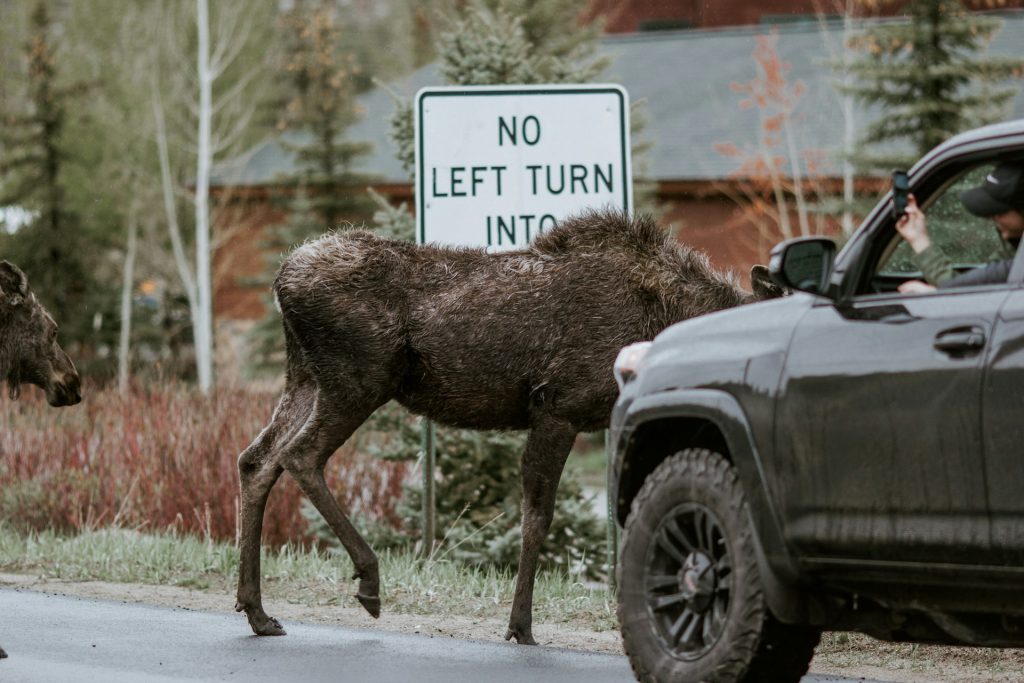
This is where drivers get tripped up most often: they assume the same reporting rule applies everywhere in the United States. It does not.
In South Dakota, for example, state materials say drivers must give immediate notice to law enforcement when a crash results in bodily injury or death. New York’s current operator report form uses a property-damage threshold of more than $1,000 to trigger a reportable crash for that form.
Some states also require copies of crash reports to go to police, the motor vehicle agency, and the insurer. Others route minor incidents differently or rely more heavily on officer-created reports when police respond.
The practical lesson is blunt: after the scene is safe, check the reporting rule for the state where the collision happened or get that answer from law enforcement on the spot.
Taking the Carcass Can Be a Legal Mistake
Some drivers assume a road-killed deer is automatically theirs if they were the one who hit it. That is not a national rule.
Washington allows salvage of deer and elk killed by a motor vehicle collision, but requires a permit within 24 hours if a person takes possession. Montana also allows salvage for certain species, but only through its permit process and species limits.
North Carolina goes in a different direction. It no longer requires a possession and salvage permit for most accidentally killed wildlife, but still requires permission for deer, turkey, bear, and elk, while protected species can require state and federal permits.
Massachusetts has rules for salvageable deer, and Indiana says possession can be lawful with the proper permit. Those examples underline the point: legality depends on species, state, and paperwork.
People get themselves into trouble when they load the animal first and research later. By then, they may already be outside the rule they needed to follow.
If there is any doubt, leave the animal alone and ask law enforcement or the wildlife agency what is legal before moving it or taking any part of it.
Insurance Assumptions Cost People Money
Many drivers wrongly assume a wildlife strike is just ordinary collision damage. In practice, state insurance guidance often treats hitting an animal under comprehensive, also called other-than-collision, not standard collision coverage.
That distinction matters because coverage depends on what is actually on the policy. Liability-only drivers may find there is no coverage for damage to their own vehicle from the animal strike.
Deductibles matter too, and comprehensive usually has one. A driver can be fully covered in theory and still owe part of the repair bill in practice.
The avoidable mistake is waiting too long to notify the insurer or failing to get the report number, photos, and basic scene details that help a claim move faster. Michigan specifically notes that a police report number may be needed to start the claim process.
Driving Away Too Quickly Is Another Risk
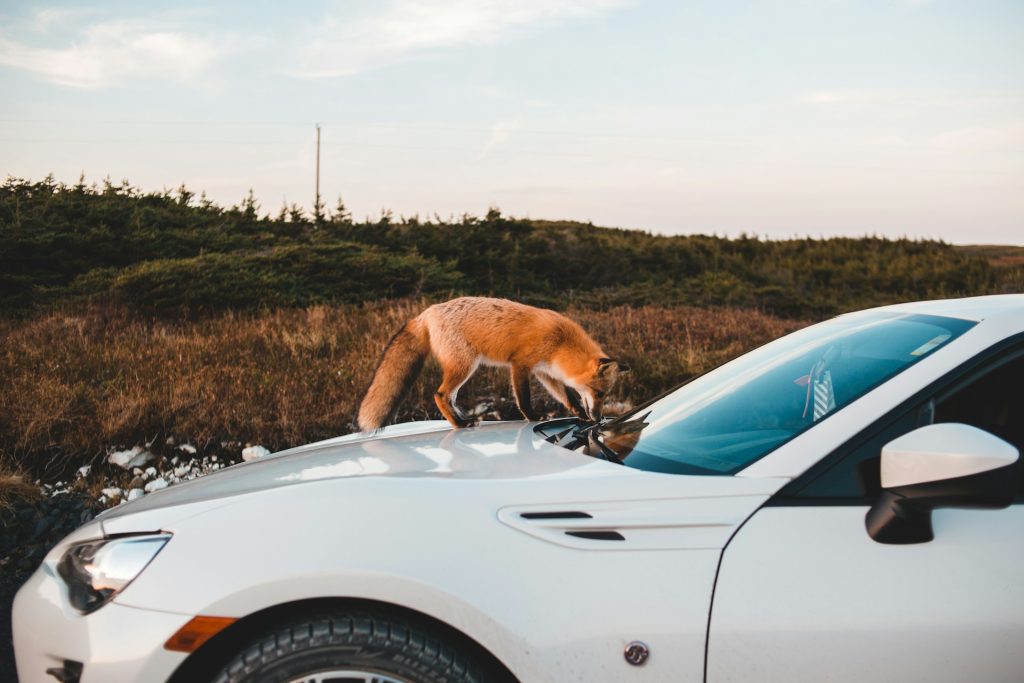
Once the shock eases, many people want the whole thing over and leave before checking whether the car is actually safe to drive.
State guidance warns drivers to look for leaking fluids, broken lights, loose parts, and other hazards, and to call a tow truck when there is doubt. A car that still moves is not automatically a car that should be driven at highway speed.
Documenting the scene is part of safety and part of protection. Photos of damage, roadway conditions, injuries, and the surroundings can help law enforcement, wildlife responders, and insurance adjusters sort out what happened later.
The Best Follow-Up Is Calm, Not Fast
The last mistake is rushing the aftermath because the crash feels embarrassing or minor.
A calm checklist works better: move to safety, call for help if needed, stay away from the animal, document the scene, confirm the reporting rule, and notify the insurer with accurate details.
Even low-speed wildlife strikes can leave delayed soreness, tire or steering damage, or paperwork headaches that show up after the adrenaline fades.
The smartest drivers are not the ones who improvise best at the shoulder. They are the ones who know that after a wildlife strike, caution beats instinct almost every time.