

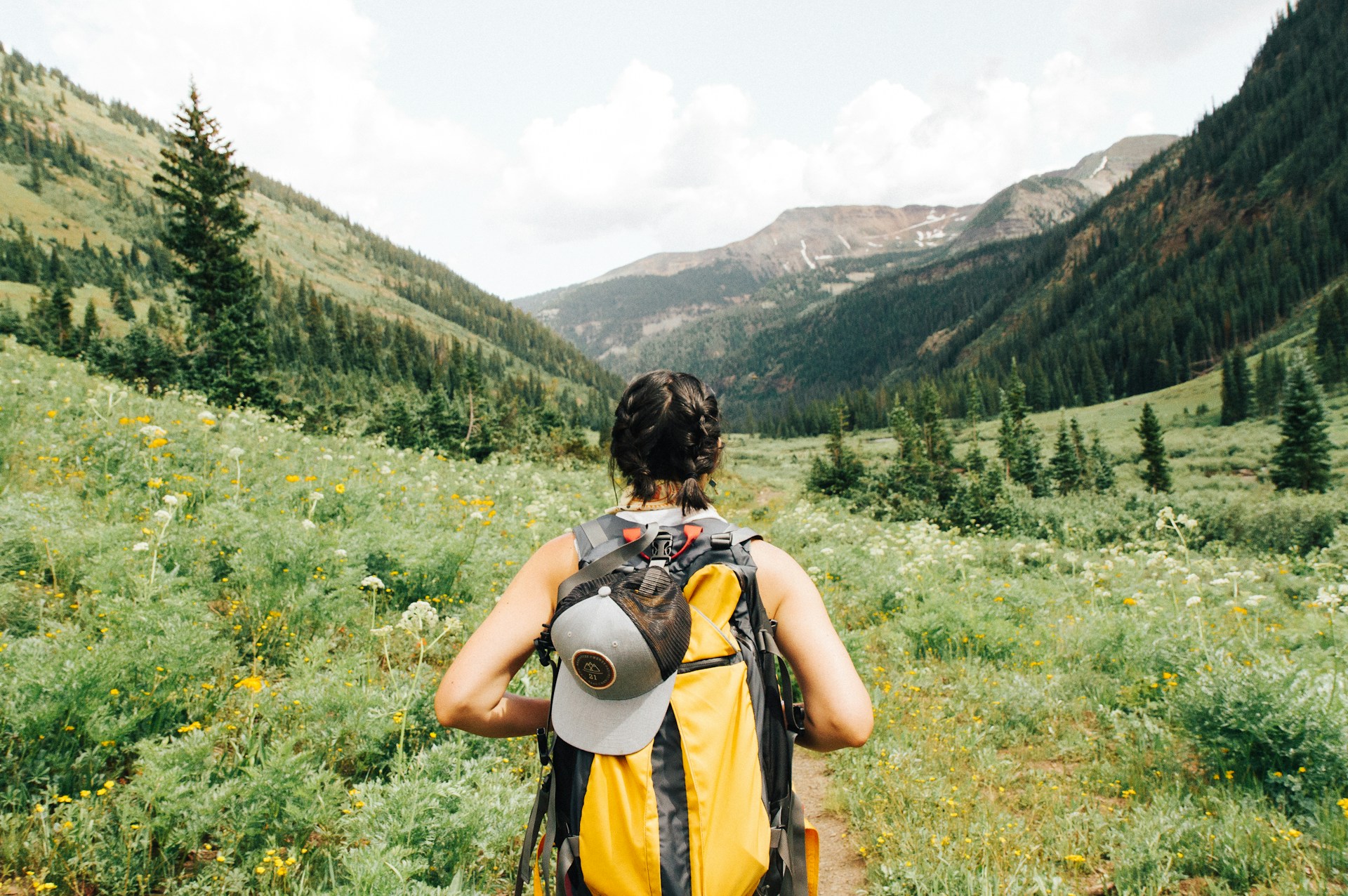
People do not usually get lost all at once. It often begins with a shortcut that feels harmless, a fading trail marker, a phone battery dipping lower, or a quiet insistence on pushing a little farther before turning back. What turns a hard moment into a dangerous one is rarely bad luck alone. It is the small decision to keep moving without thinking, to hide the problem, or to trust panic more than judgment. Search-and-rescue guidance keeps circling back to the same truth: calm choices give people their best odds when the map in their head stops matching the land around them, especially as daylight or fatigue close in.
Pushing Ahead in a Panic
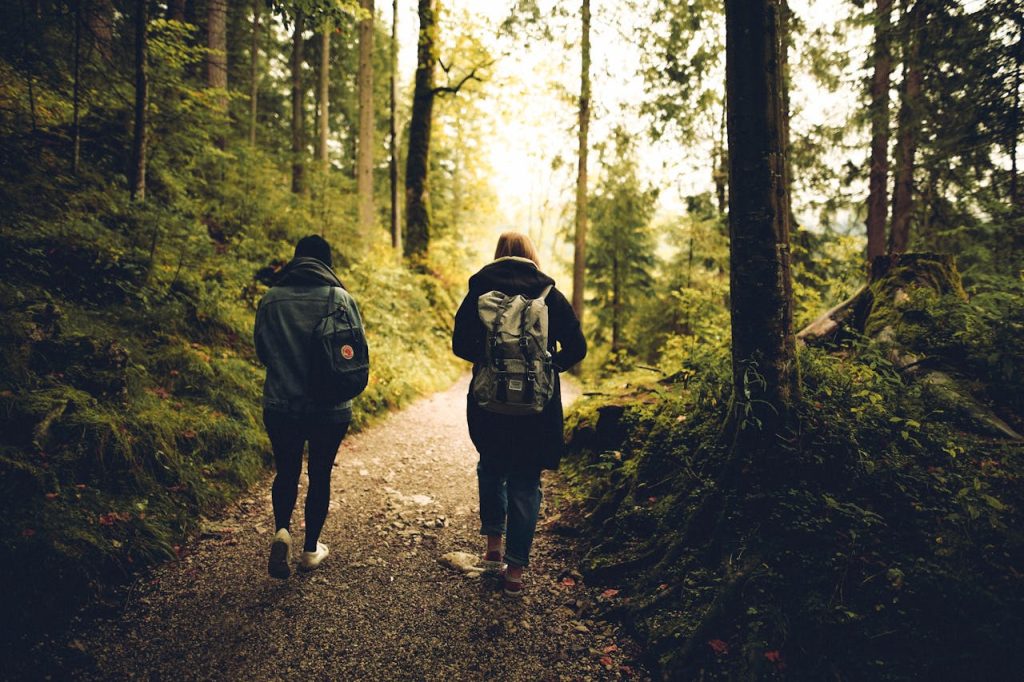
The first mistake is speed. Once people suspect they are off route, many start marching faster, as if motion alone can erase the problem. It usually does the opposite. Panic burns energy, scatters attention, and makes landmarks harder to read just when clear thinking matters most, especially if fatigue and fading light are already changing the terrain.
What works instead is the old STOP rule: stop, think, observe, and plan. Official guidance keeps repeating the same point because it works. A calm pause gives the brain time to notice trail markers, terrain, light, and last known direction before one wrong turn becomes five.
Leaving the Trail for a Shortcut
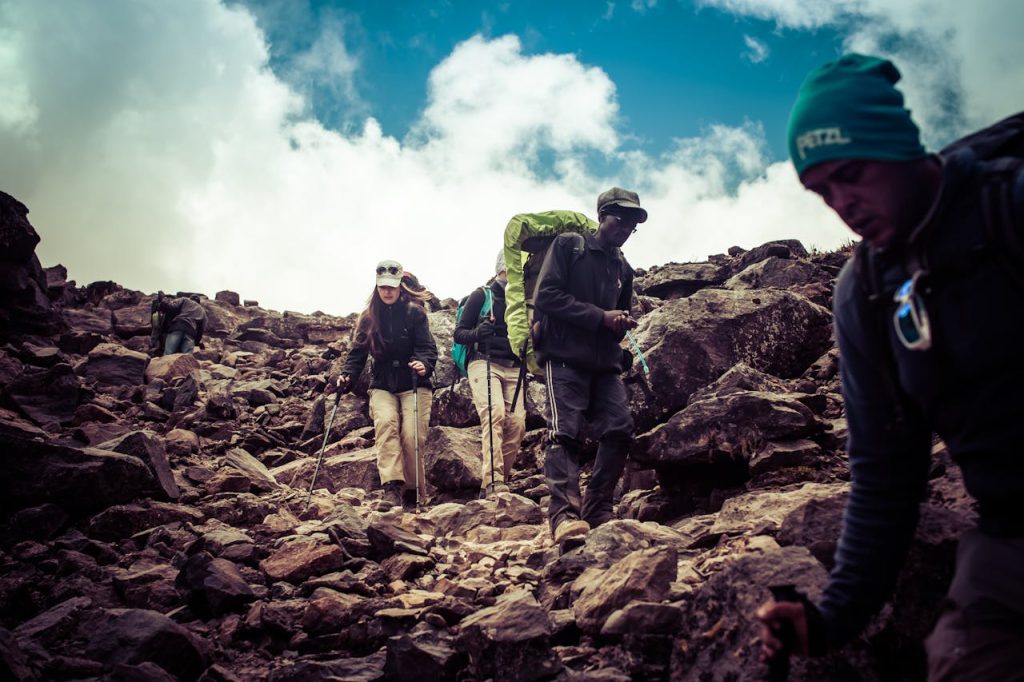
A lot of bad situations begin with a shortcut that looks obvious from one angle and completely wrong from the next. The moment boots leave a marked trail for a wash, ridge, game path, or social path, the landscape gets harder to read and the odds of circling climb fast. Efficiency can turn into uncertainty very quickly.
What works instead is staying on marked routes and treating trail junctions with respect. If confusion starts, the safer move is to stop at the last known point, check the map, and backtrack carefully if the route is truly clear. Official guidance is blunt on this: aimless wandering makes rescue harder.
Ignoring the Turnaround Time
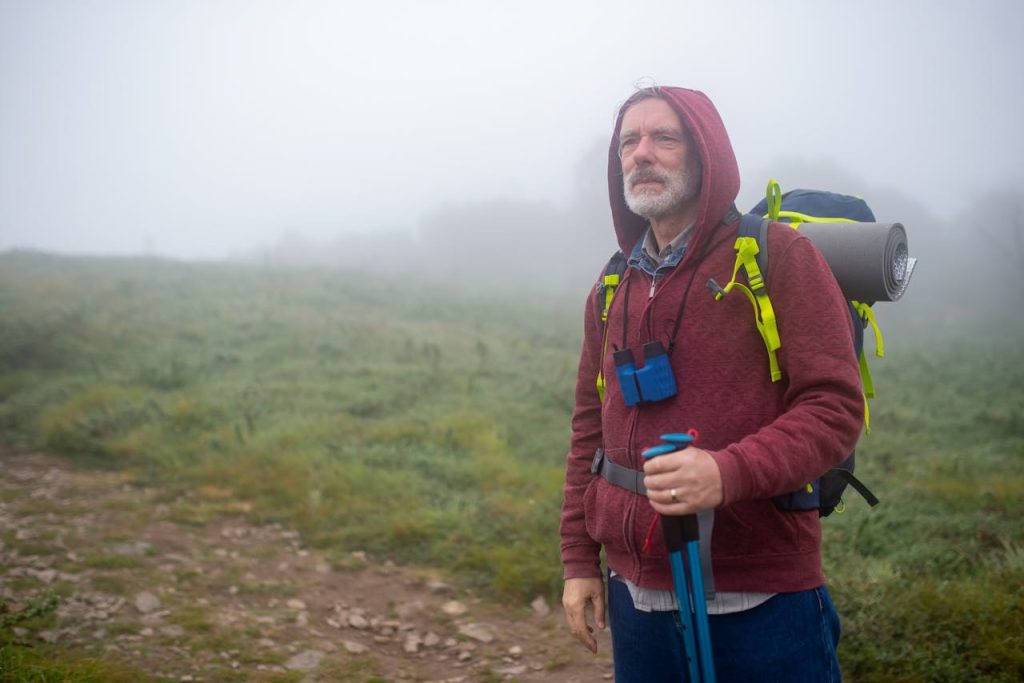
People get into trouble not because the trail was impossible, but because they kept bargaining with daylight. One more overlook, one more bend, one more mile. By the time the decision flips from confidence to concern, shadows are longer, batteries are lower, and the route back suddenly feels unfamiliar.
What works instead is setting a real turnaround time before the walk begins and honoring it without debate. National Park Service guidance treats that time as a safety tool, not a mood. Sticking to it keeps people from making rushed, tired choices when darkness starts flattening every landmark into the same shape and depth fades.
Trusting a Phone to Do Everything

A phone feels like a map, flashlight, camera, and lifeline in one neat rectangle, which is exactly why people overtrust it. In remote terrain, service drops, cold drains batteries, and signal searching eats power fast. Once the battery dies, navigation, light, and communication can disappear together.
What works instead is treating the phone as one tool, not the whole plan. Official guidance recommends a charged battery, limited signal searching, and a paper map or compass backup. Airplane mode can preserve power, and downloaded maps help, but the smartest move is refusing to let one device carry the entire day alone.
Waiting Too Long to Signal for Help

Some people stay quiet because they do not want to overreact, embarrass themselves, or admit the situation has changed. That hesitation can waste precious daylight and make a search area wider than it needs to be. Silence feels controlled in the moment, but it often delays the help that matters.
What works instead is signaling early and clearly when location is uncertain or movement is no longer safe. Forest and park guidance recommends whistles, mirrors, bright clothing, and the universal pattern of three blasts or flashes. If there is service, calling 911 with location details beats hoping the next bend will fix everything.
Heading Downhill Without a Real Plan

People love the idea that downhill always leads to a road, a town, or an easy way out. Sometimes it does. Sometimes it leads into thicker brush, steeper drainages, loose rock, or terrain that is far harder to climb back out of than it was to enter. Gravity can feel helpful right up to the moment it traps someone.
What works instead is moving only for a specific reason. U.S. Forest Service guidance says following a drainage or stream downhill is a last resort, not a default. If the route is uncertain, especially near nightfall, injury, or exhaustion, staying put and becoming easier to find is often the stronger decision.
Splitting Up to Cover More Ground
When stress rises, splitting up can sound efficient. One person checks ahead, another heads back, someone else looks for signal. In reality, that choice can multiply the emergency. A group that separates creates more uncertainty, more exposure, and more chances that one problem quietly becomes several.
What works instead is keeping the group together whenever possible, conserving energy, and making one shared plan. If help must be sought, official guidance says not to leave an injured person alone if it can be avoided, and some forest guidance advises sending at least two people together rather than one off into unknown terrain.
Failing to Leave a Real Trip Plan
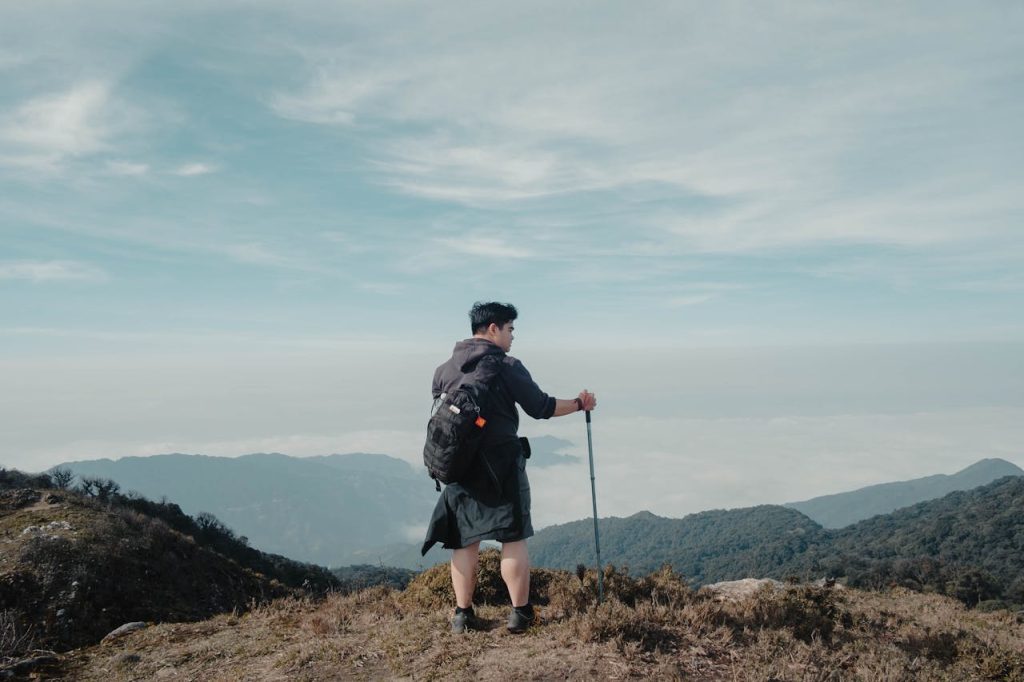
A person can do several things right in the field and still be in trouble if nobody knows where to start looking. An unwritten plan, a vague text, or a casual mention of a park name is not much help when hours pass and daylight closes. Searchers work faster when the search area is smaller.
What works instead is leaving a real itinerary with route, trailhead, group names, vehicle details, and expected return time, then checking back in afterward. Park and forest agencies repeat this advice constantly because it shortens uncertainty. Before someone is even officially lost, it tells the right people when concern should begin.
Trying to Make Up Time After Dark
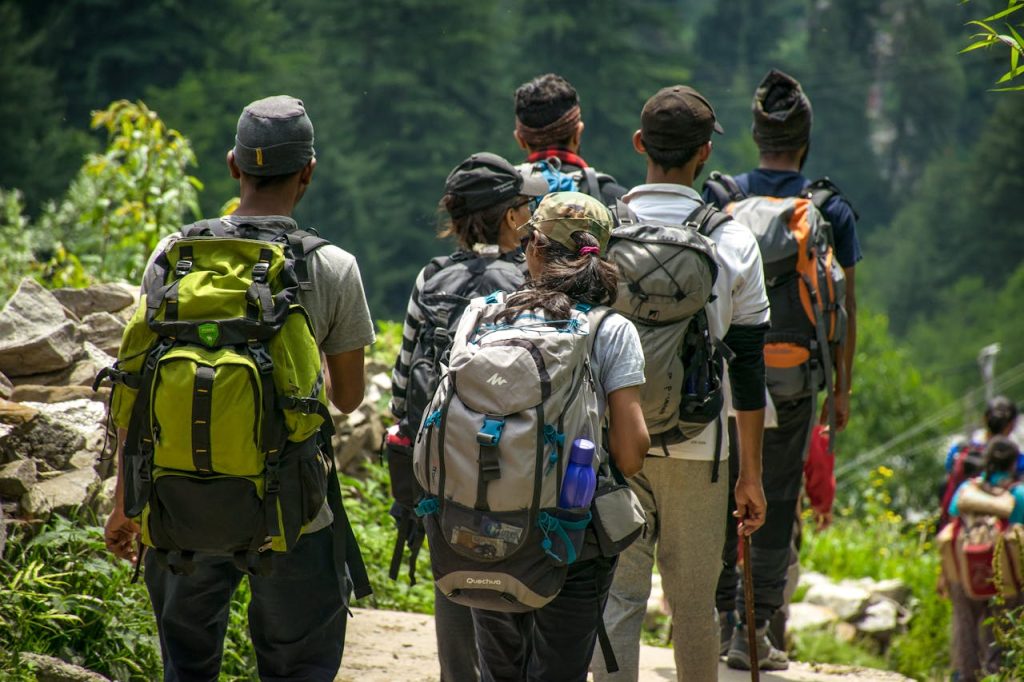
Darkness has a way of shrinking judgment. Familiar tread disappears, cairns vanish, shadows fake depth, and every rushed step raises the chance of a fall. People often press on because stopping feels like failure, yet many accidents happen precisely when tired hikers try to make up time they already lost.
What works instead is accepting that night changes the rules. Official guidance says to avoid hiking after dark, make camp before darkness when possible, and stay put if nightfall arrives with uncertainty, injury, or exhaustion. A controlled stop with light, layers, and patience usually beats a hurried stumble into a worse spot.
Fixating on Distance Instead of Survival
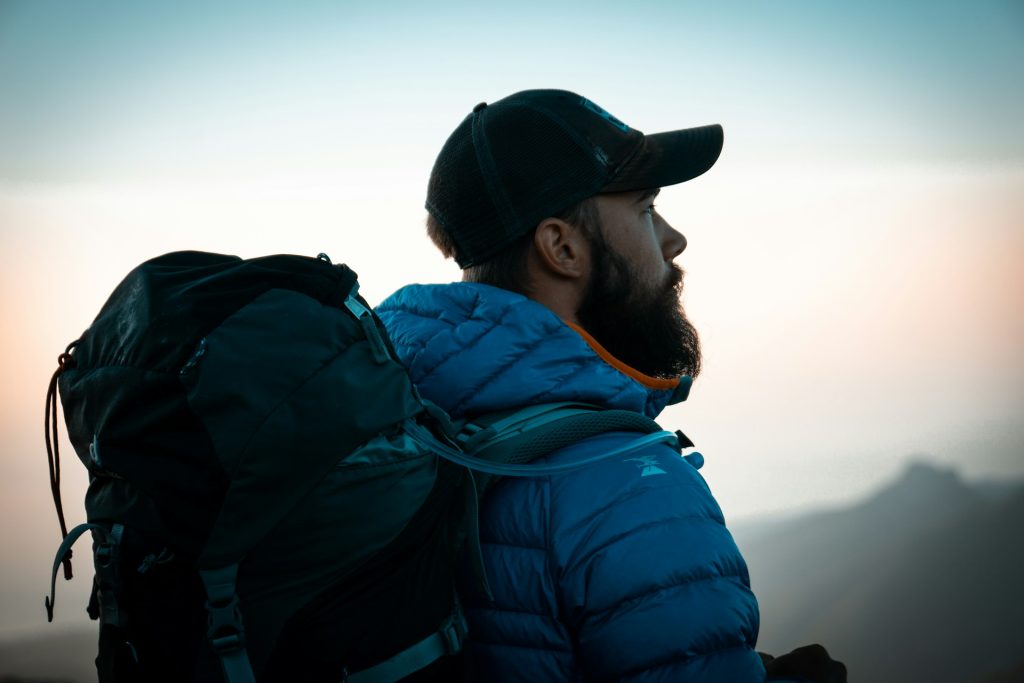
Once people realize they are off route, they often keep thinking like travelers instead of survivors. They chase mileage, not stability. That mindset can make them ignore water, exposure, warmth, and visibility while they keep trying to solve the whole problem at once.
What works instead is shifting from destination thinking to condition thinking. Official advice emphasizes conserving energy, staying visible, keeping warm, and using available tools to communicate and signal. The safer goal is not heroic distance or stubborn progress. It is being found in better shape, with enough strength left to think clearly and respond well.