

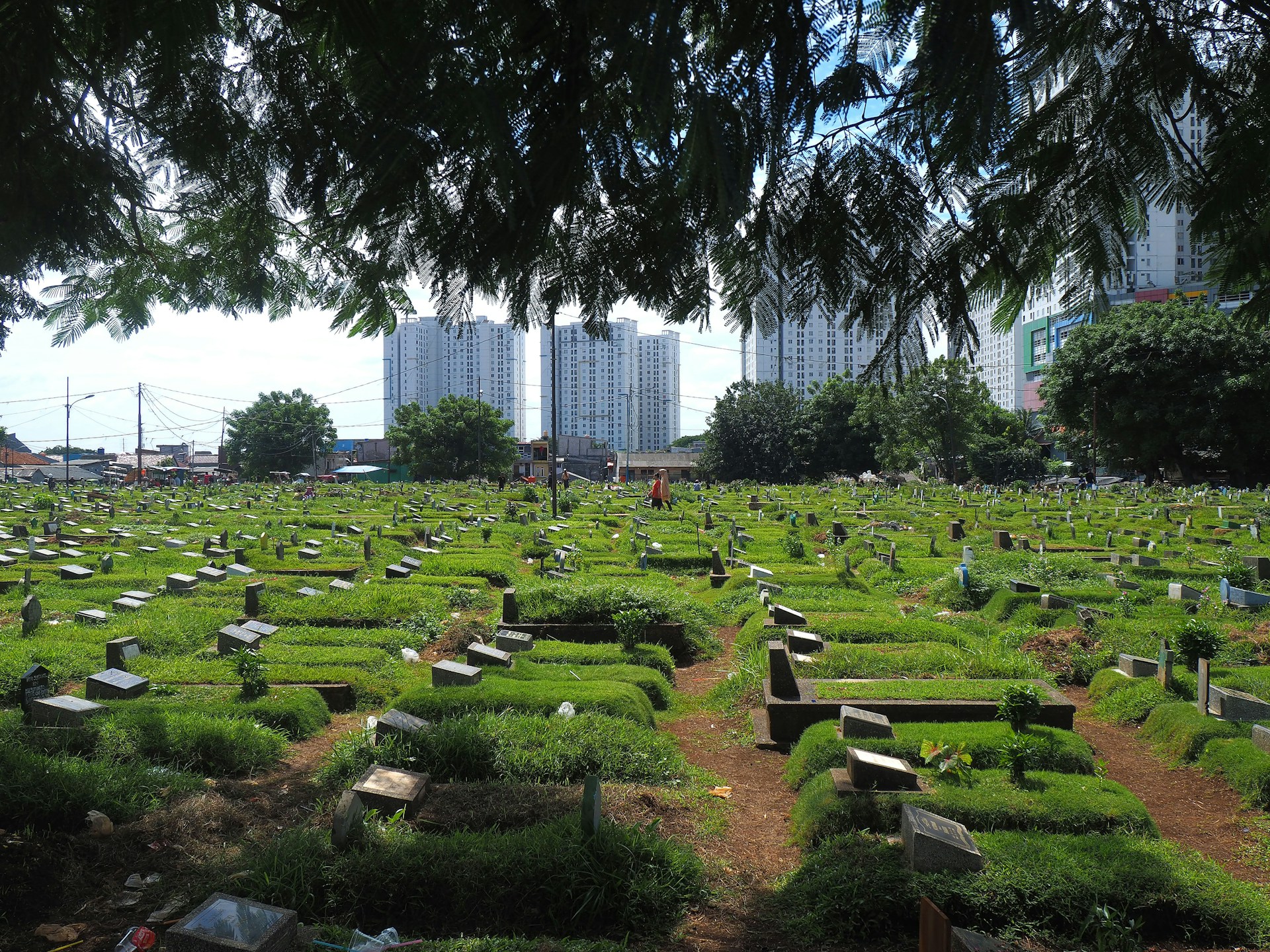
A lot of families are looking at funeral costs and wondering when grief became a billing system. Between caskets, vaults, embalming, flowers, transport, and service fees, the final total can feel less like a farewell and more like a financial ambush.
That pressure is pushing more people toward green burials, which offer a simpler return to the earth with fewer paid extras. What draws people in is not just the environmental angle, but the sense that a dignified burial should not require a punishing bill.
Why Traditional Funerals Feel Financially Heavy
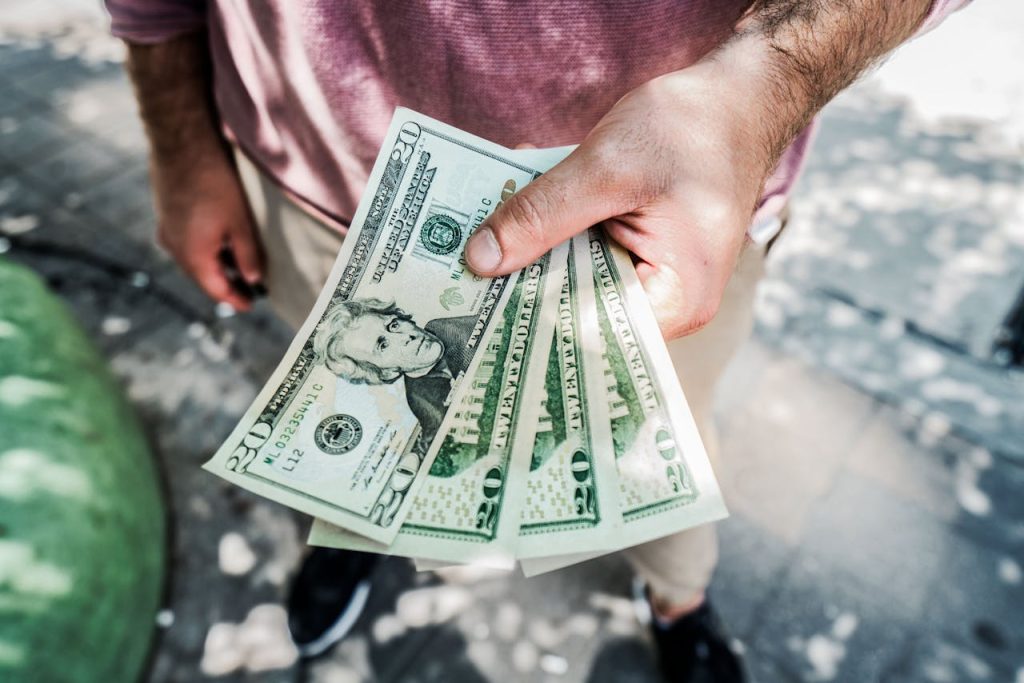
The standard funeral package often comes with layers of charges that families do not fully understand until they are already in a vulnerable state.
A casket alone can cost more than many households expect, and that is before cemetery fees, preparation charges, and service costs appear on the estimate.
Then come the add-ons that are treated like essentials. Vaults, upgraded liners, cosmetics, premium handles, printed materials, and memorial upgrades can quietly push the price much higher.
People are not wrong to feel boxed in by that system. When every decision is tied to love, guilt, or respect, even small upsells can feel impossible to refuse.
What a Green Burial Actually Includes
A green burial strips the process back to the basics. The body is usually buried without embalming in a biodegradable shroud, blanket, or simple coffin made from natural materials.
That change sounds modest, but it reshapes the whole experience. Instead of preserving the body with chemicals and placing it in long-lasting materials, the goal is natural decomposition.
The burial site may be in a natural cemetery, a hybrid cemetery, or a conventional cemetery that allows greener options. Rules vary, so the exact details depend on location.
Many green burials avoid concrete vaults, metal caskets, and elaborate grave liners. That alone removes some of the costliest parts of a conventional burial.
The ceremony can still be meaningful and personal. Families may gather outdoors, keep the service smaller, or focus on rituals that feel intimate rather than expensive.
There is also less emphasis on cosmetic presentation. For some families, that feels gentler and more honest than a highly managed viewing.
Green burial does not mean careless burial. It still involves planning, paperwork, transportation, and legal requirements, just with fewer costly layers built into the process.
That is why many people see it as a practical alternative instead of a fringe idea. It offers structure without all the ornamentation that tends to inflate funeral bills.
Why More Families Are Choosing It
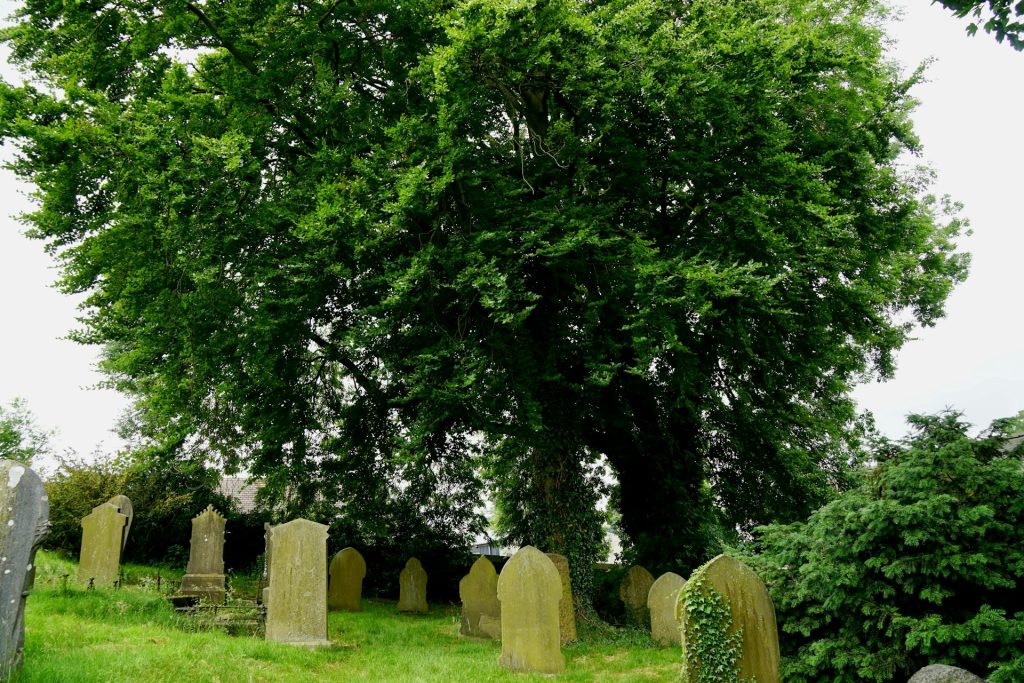
Some people are drawn in by cost, but they stay interested because the approach feels emotionally cleaner. It can be easier to grieve when the process feels grounded instead of transactional.
Others like the idea of leaving a lighter physical footprint. A biodegradable burial can feel more aligned with how they lived and what they valued.
There is also a growing discomfort with the sales culture that can surround death care. Families want choices, not pressure disguised as tradition.
At its core, this shift reflects something simple. People are asking whether love is really measured by how much money gets spent after someone dies.
Where the Savings Happen and Where They Do Not
The biggest savings usually come from avoiding embalming, ornate caskets, and burial vaults. A simple container or shroud costs far less than many traditional burial products.
Services can also be scaled down more easily. Families may choose a direct burial, a home vigil, or a smaller gathering instead of paying for a full formal arrangement.
Still, green burial is not automatically cheap in every case. Land costs, cemetery policies, transportation, and local regulations can narrow the price gap depending on where you live.
What to Ask Before Choosing One
Start by asking whether the cemetery allows natural burial practices. Some places advertise green options but still require vaults or limit what kind of container can be used.
Next, ask the funeral home for an itemized price list. That simple request makes it much easier to separate required costs from optional extras.
It also helps to ask about paperwork, refrigeration, transport, and timing. A lower headline price can rise quickly if those details are not discussed early.
Finally, talk as a family before a crisis forces fast decisions. The more clearly someone states their wishes in advance, the less likely loved ones are to get cornered by stress and expensive defaults.
Why the Idea Feels More Personal
For many people, green burial is not only about saving money. It also offers a quieter kind of dignity that feels less staged and more human.
A simpler burial can make the goodbye feel closer to the person being remembered. Families often say it leaves more room for reflection and less room for performance.
That matters because grief rarely matches polished funeral scripts. People want rituals that feel sincere, not expensive for the sake of looking respectable.
In that way, green burial answers an emotional need as much as a financial one. It gives families permission to choose meaning over display.
The Limits People Should Understand
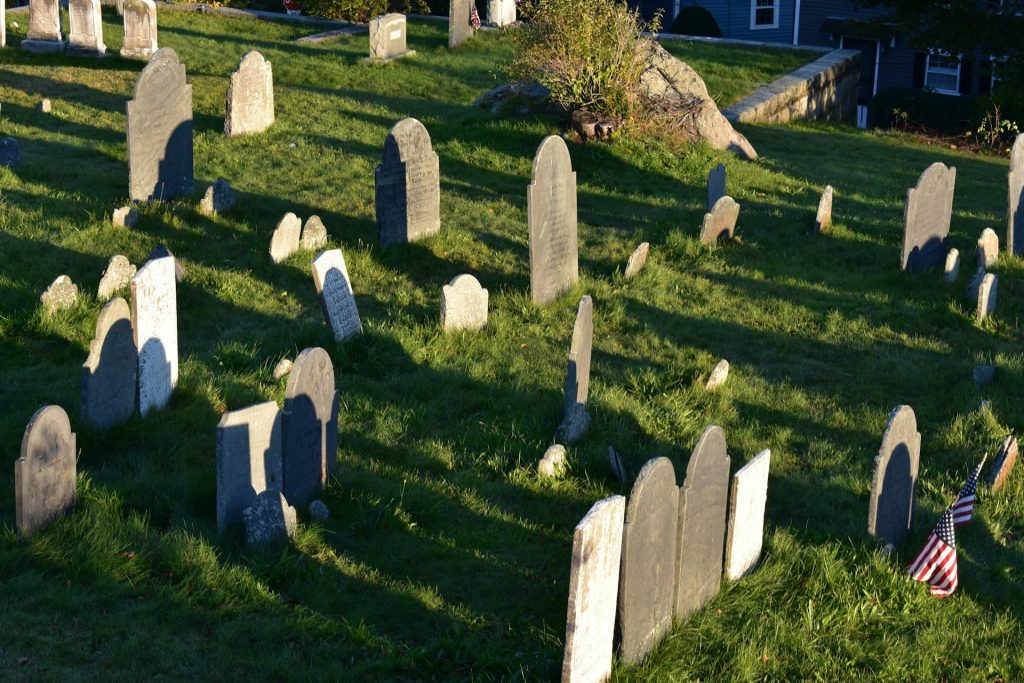
Green burial is not available everywhere, and local rules can shape what is possible. Some cemeteries use the term loosely while still requiring practices that are not fully natural.
Weather, timing, and transportation can also affect the process. Families who want specific traditions may need to balance those wishes with what their area permits.
That is why planning ahead matters so much. The option works best when people understand the details before they are making choices in shock.
Why This Shift May Keep Growing
As funeral prices stay high, more people are questioning customs that feel financially punishing. They want an option that respects both the dead and the living.
Green burial meets that mood because it offers something many families are craving: simplicity. It can lower costs, reduce pressure, and make the farewell feel more direct.
It also fits a broader change in how people think about death. More are willing to step away from inherited expectations and choose what feels honest instead.
That does not mean traditional funerals will disappear. It means families increasingly want real choice, and green burial is becoming one of the clearest alternatives.