



Big leaves can read as high style or pure chaos, and the difference is structure. Plant stylists rely on large-leaf houseplants with clean silhouettes, upright habits, and foliage that looks intentional even when a room is busy. Most of these plants are tropical, so they stay happiest with bright, indirect light, steady watering, and a bit of humidity. The payoff is visual calm with impact: broad green shapes that soften corners, frame furniture, and make a space feel finished. The goal is not a jungle. It is one confident plant that holds the room together.
Monstera Deliciosa
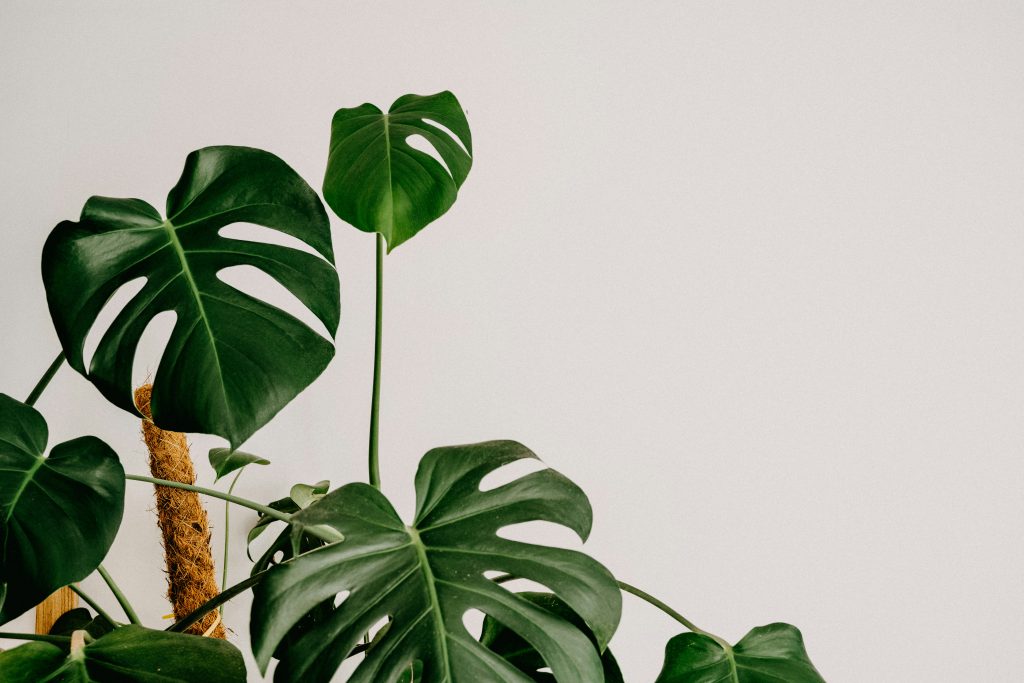
Monstera brings instant drama, but it looks tidy when it has direction. The split leaves read graphic rather than wild, especially when stems are trained upward on a pole and the pot is rotated so growth stays balanced. Dusting the foliage keeps it crisp, and removing a few awkward petioles prevents the plant from sprawling sideways into walkways. In a room, monstera works like a living screen: bold, readable, and clean when it is allowed to climb and spread vertically. Given one strong light source and a little support, it delivers a sculptural look without looking unruly or overgrown.
Fiddle-Leaf Fig
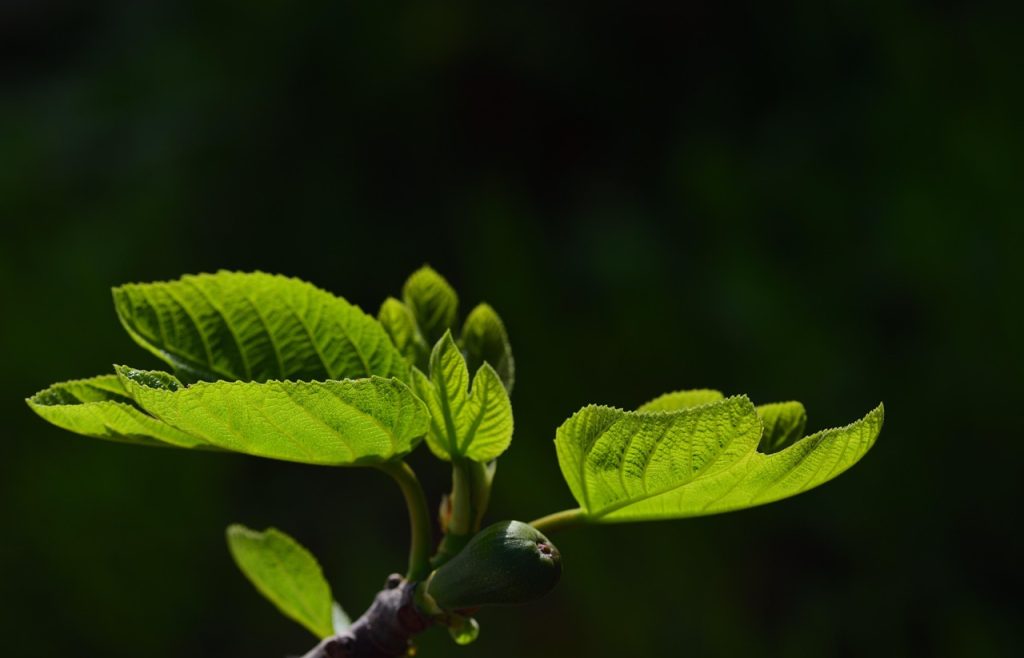
The fiddle-leaf fig looks polished because it grows like an indoor tree, with broad, violin-shaped leaves that repeat in a clean pattern. The messy version usually comes from constant moving, uneven light, or erratic watering that triggers leaf drop and bare stretches. Kept stable in bright, filtered light, it holds a simple outline: one trunk, a canopy, and enough negative space to feel intentional. Wiping the leaves improves both looks and photos, and a light prune can shape the crown so it frames a window or sofa. When the plant is treated like furniture, it reads as architecture, not clutter.
Rubber Tree
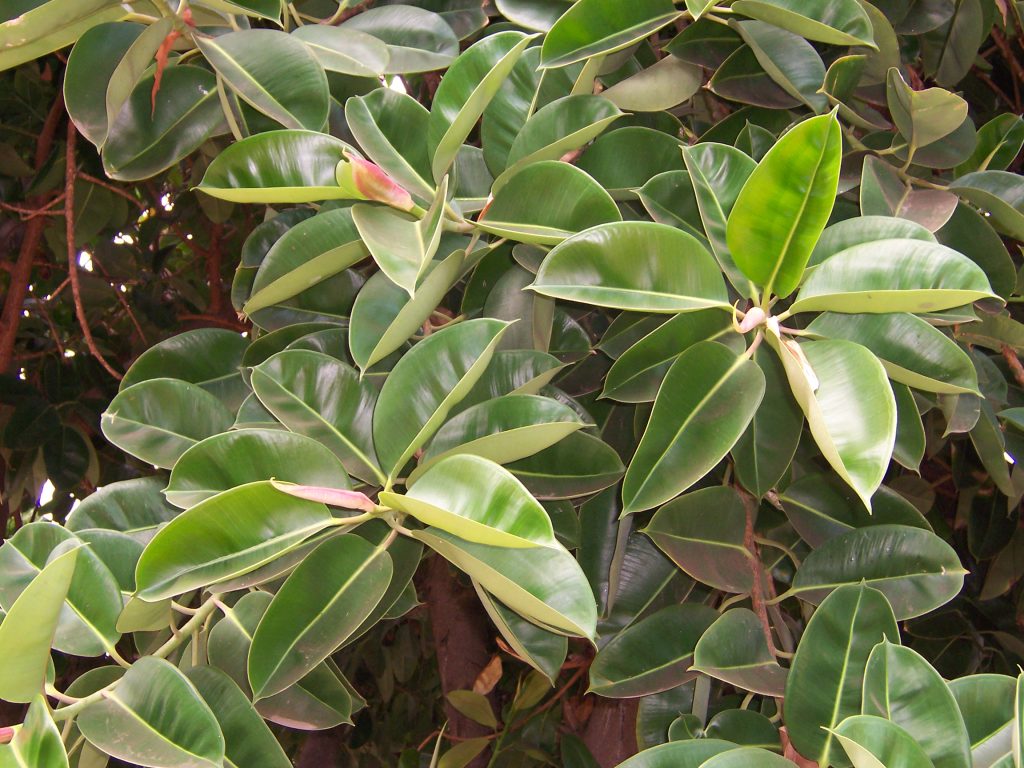
Rubber tree plants stay neat because the leaves are thick, glossy, and naturally spaced, which keeps the canopy from looking frayed. They handle indoor life well when light is bright but indirect and watering follows the soil, not the calendar. Encouraging branching turns the plant into a controlled mass of green rather than a single tall stick, and the leaves hold their shape without drooping. The styling trick is restraint: one strong planter, a clear spot, and regular leaf cleaning. When that is in place, the plant looks expensive, not fussy, and it fills vertical space without cluttering the floor.
Bird Of Paradise

Bird of paradise delivers a statement because its leaves rise in clean fans, like oversized paddles arranged on purpose. It looks messy when light is too low and stems lean toward a window, so the best form comes from strong brightness that keeps growth upright and evenly spaced. Natural splits in the leaves can happen, but the overall silhouette stays crisp when the plant has room to breathe and is not pressed against walls or furniture. A heavy pot helps anchor it, and rotating the plant prevents one-sided bulk. In design terms, it replaces small décor with height and repetition, which reads calm.
Ruffled Fan Palm

Ruffled fan palm feels dramatic without chaos because each leaf is a single pleated fan that reads as design, not sprawl. The form is naturally symmetrical, so a quiet corner gains presence without visual noise. Palms look messy fast when tips brown, so consistent watering, good drainage, and slightly higher humidity matter more than frequent feeding. Keeping leaves dust-free also sharpens the texture that makes the plant special. Set in a simple pot with a little breathing room, it becomes a sculptural focal point that does not overwhelm the space. It adds softness without looking shaggy or unkempt.
Calathea Orbifolia
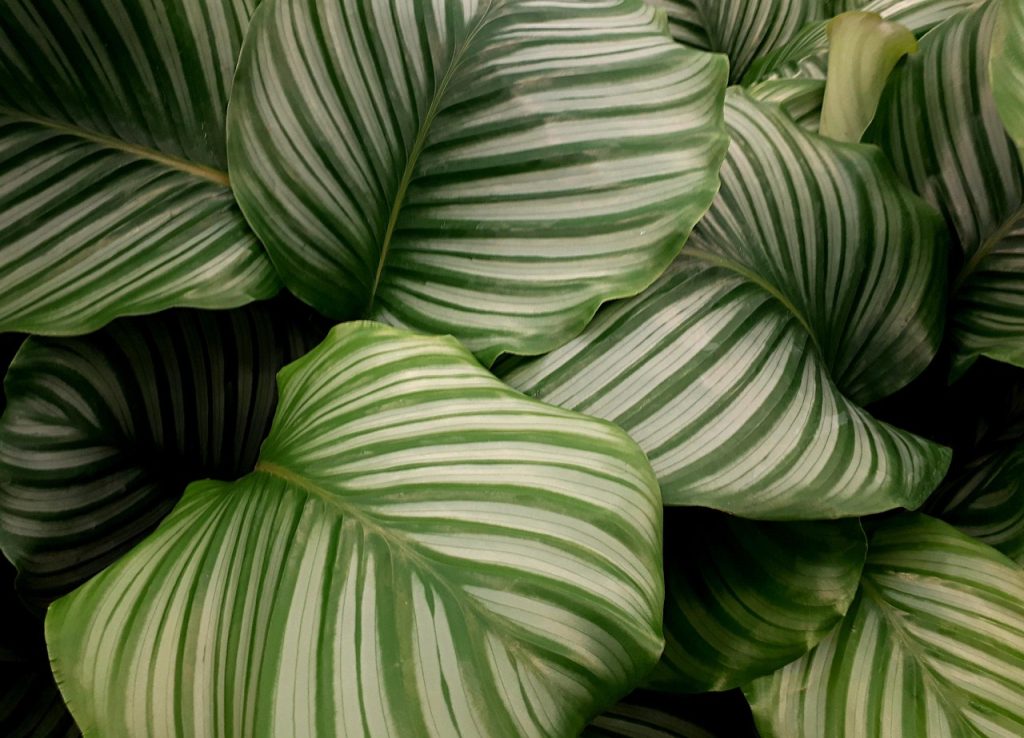
Calathea orbifolia adds drama through pattern, with broad leaves striped in soft silver-green that feel intentional in modern rooms. It looks ragged when humidity is low or water quality is harsh, so the tidy version comes from steady moisture and gentler light that prevents scorch. When it is happy, it holds leaves like layered plates, creating a rounded mound that reads styled rather than chaotic. Regular leaf checks keep edges clean, and trimming only damaged sections prevents a tired look. Placed on a stand, it behaves like living artwork, delivering texture and scale without needing extra décor to compete with it.
Crystal Anthurium
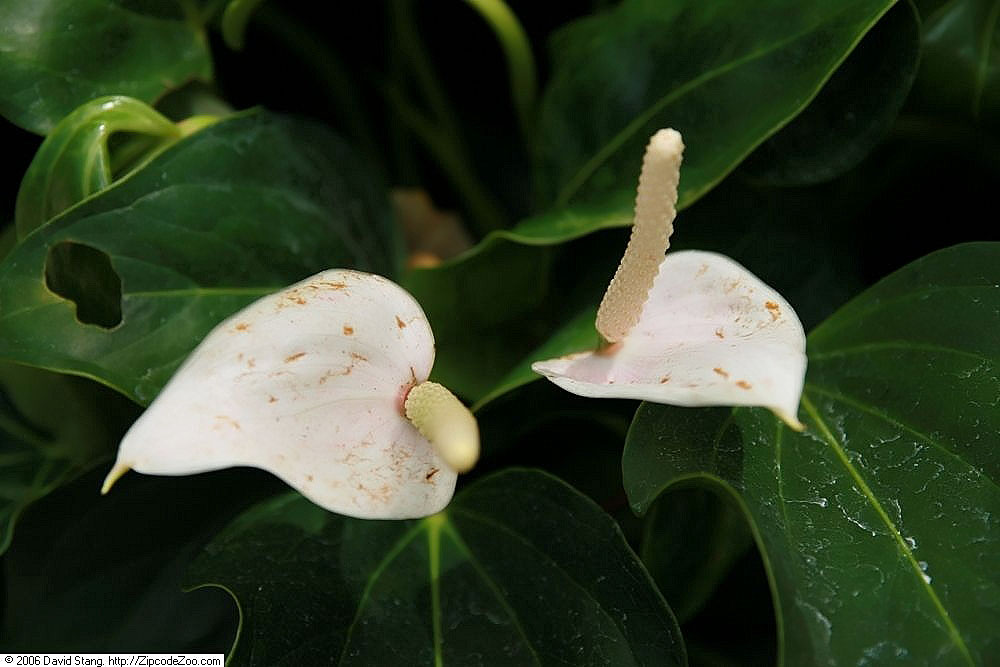
Crystal anthurium looks luxurious because the leaves are velvety and strongly veined, more like textile than foliage. It stays clean-looking when given bright, indirect light and consistent moisture with fast-draining soil, so roots are never sitting wet. The plant can look awkward when leaves collapse sideways, so support and a stable spot help it present forward and stay composed. Overwatering is the fastest route to a messy plant, since yellowing and leaf loss break the silhouette. When conditions are right, it reads as a curated piece: deep green, luminous veins, and a footprint that stays controlled instead of sprawling.
Creeping Velvet Philodendron
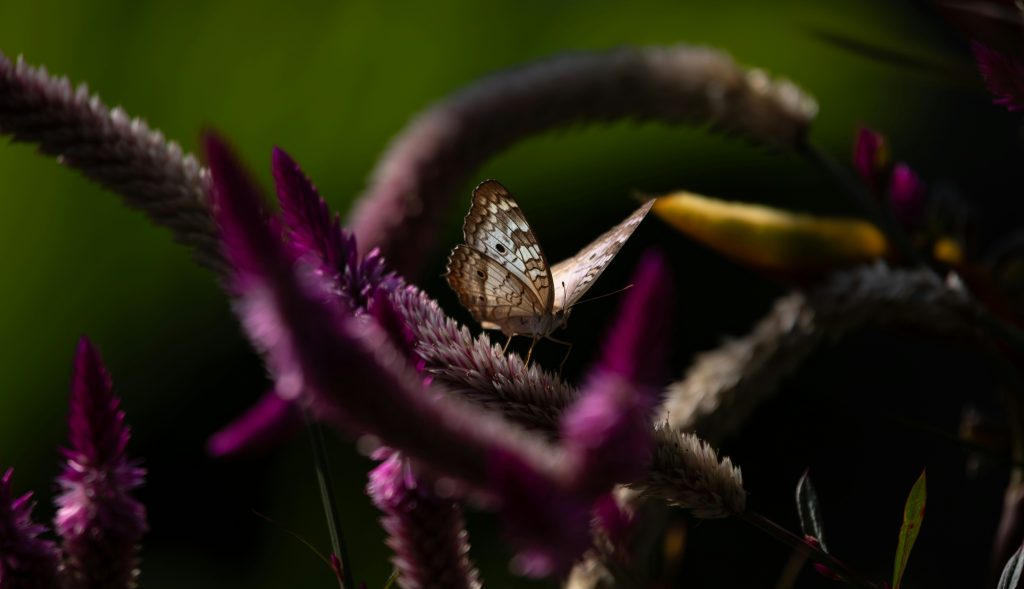
Bernd 📷 Dittrich/Unsplash
Philodendron gloriosum earns drama through scale and texture, with oversized heart-shaped leaves and pale veining that looks illustrated. It stays tidy when the creeping stem is given a wide, shallow pot, so it travels across the surface instead of tangling downward like a vine. Dust and pests show quickly on velvety leaves, so regular checks keep the plant sharp. A mossy top layer can make the presentation feel intentional, like a miniature forest floor. As a single specimen, it delivers a gallery effect without clutter, because the leaf surface is the decoration and the plant’s growth line can be guided, not fought.
Cast-Iron Plant
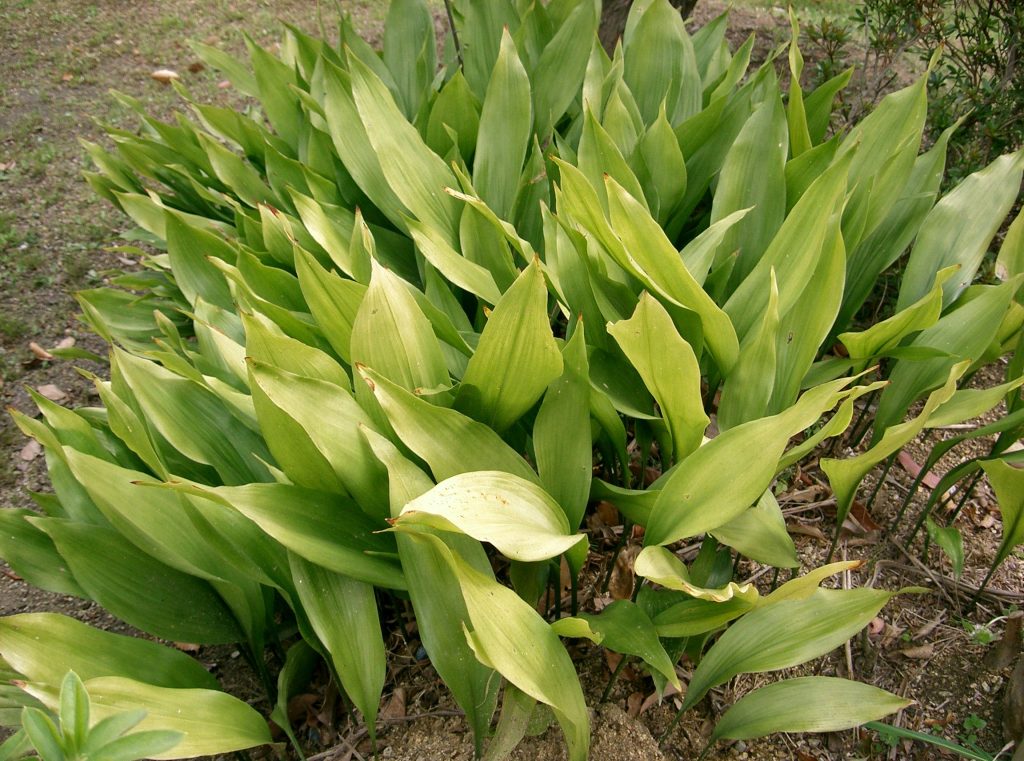
Cast-iron plant is a stylist’s secret because it stays composed even when conditions are not perfect. The leaves rise cleanly from the base in a simple fountain shape, which makes it ideal for narrow corners and hallways where sprawling plants look messy fast. It tolerates low light and missed waterings better than many large-leaf options, so it avoids the patchy, stressed look that ruins a room’s calm. The key is keeping the leaves clean and the potting mix draining well. It is not flashy, but it reads confident and refined, like a dark green punctuation mark in a bright room.
Alocasia
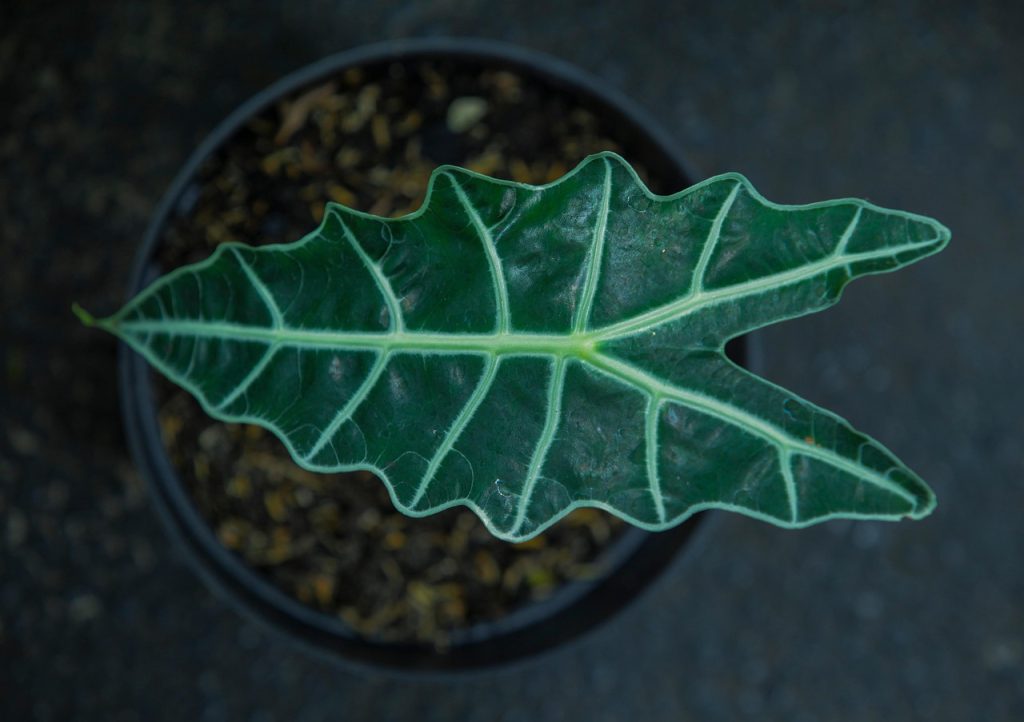
Alocasia delivers theater with bold, veined leaves, but it only looks messy when humidity is too low and edges crisp or droop. When conditions are right, the leaves sit like sails, giving a clean, upright shape that looks deliberate in minimal spaces. Even moisture matters, since drought swings and soggy soil both lead to leaf loss, which breaks the silhouette. A stable warm spot away from drafts helps it keep its form. Alocasia works best with simple pots and uncluttered surfaces, because the plant already provides pattern and scale. Treated well, it reads sculptural, not finicky.
Dieffenbachia
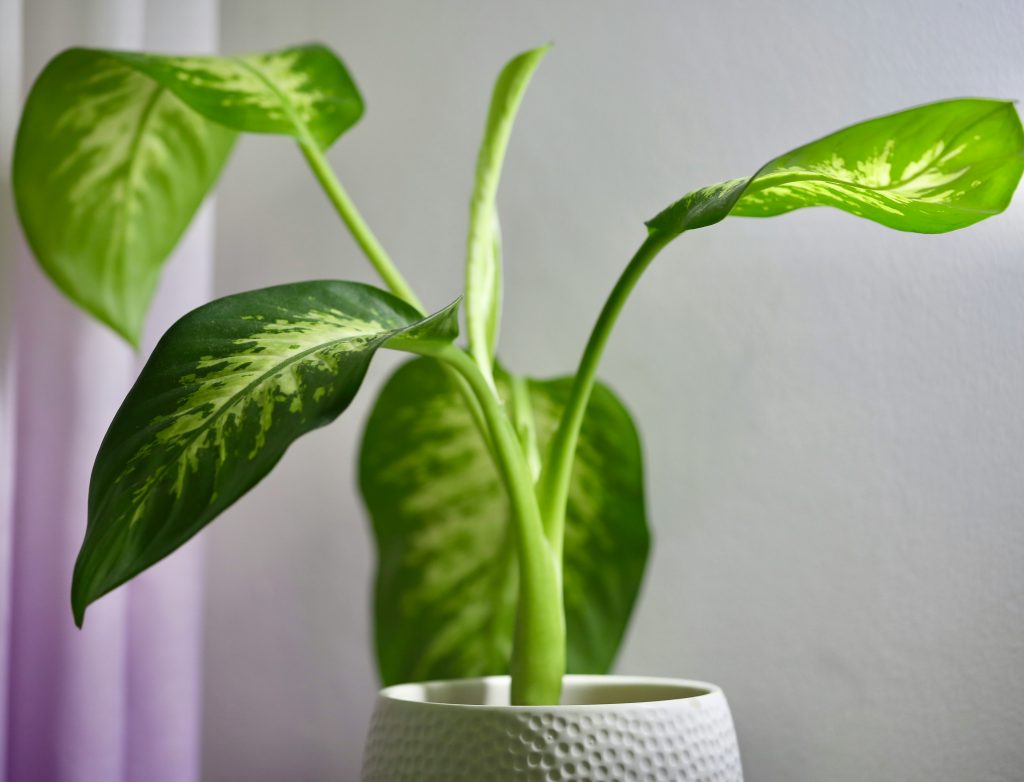
Dieffenbachia adds drama through big, variegated leaves that brighten a room without extra accessories. It can look untidy when light is uneven and the lower stem goes bare, so the clean look depends on steady brightness and occasional rotation to keep growth balanced. The plant’s habit is naturally upright and contained, which makes it easier to keep visually calm than many vines. Trimming a leggy stem encourages fuller growth, and wiping leaves keeps the pattern crisp. When placed in a heavier planter, it becomes a tidy vertical accent that fills space without spreading across it, and it stays present even as seasons shift.
Banana Plant

Indoor banana plants bring a tropical punch with long blades that create height and movement without complicated styling. They look messy when cramped, since leaves tear against walls and furniture, so the best presentation starts with space around the canopy. Bright light and steady moisture keep growth firm, while dryness leads to limp leaves that sag and fray. Some tearing is natural, so a clean trim of the worst damage keeps the plant crisp without hacking it down. In the right spot, it reads like a controlled fountain of green that makes a room feel alive, not cluttered, and it pairs well with clean-lined furniture and simple rugs.
Dwarf Umbrella Plant

Dwarf umbrella plant reads tidy because it builds a rounded canopy of repeating leaflets, like a controlled burst rather than sprawl. It is forgiving, which matters for a “non-messy” look, because it holds its shape even with normal human inconsistency. Pruning a few long shoots keeps the outline compact, and the foliage hides minor imperfections better than thin, delicate plants. It performs well in bright, indirect light, and it responds to consistent watering with steady growth. In styling terms, it softens harsh corners and fills vertical space without demanding attention, like a green lamp that stays composed and calm.