

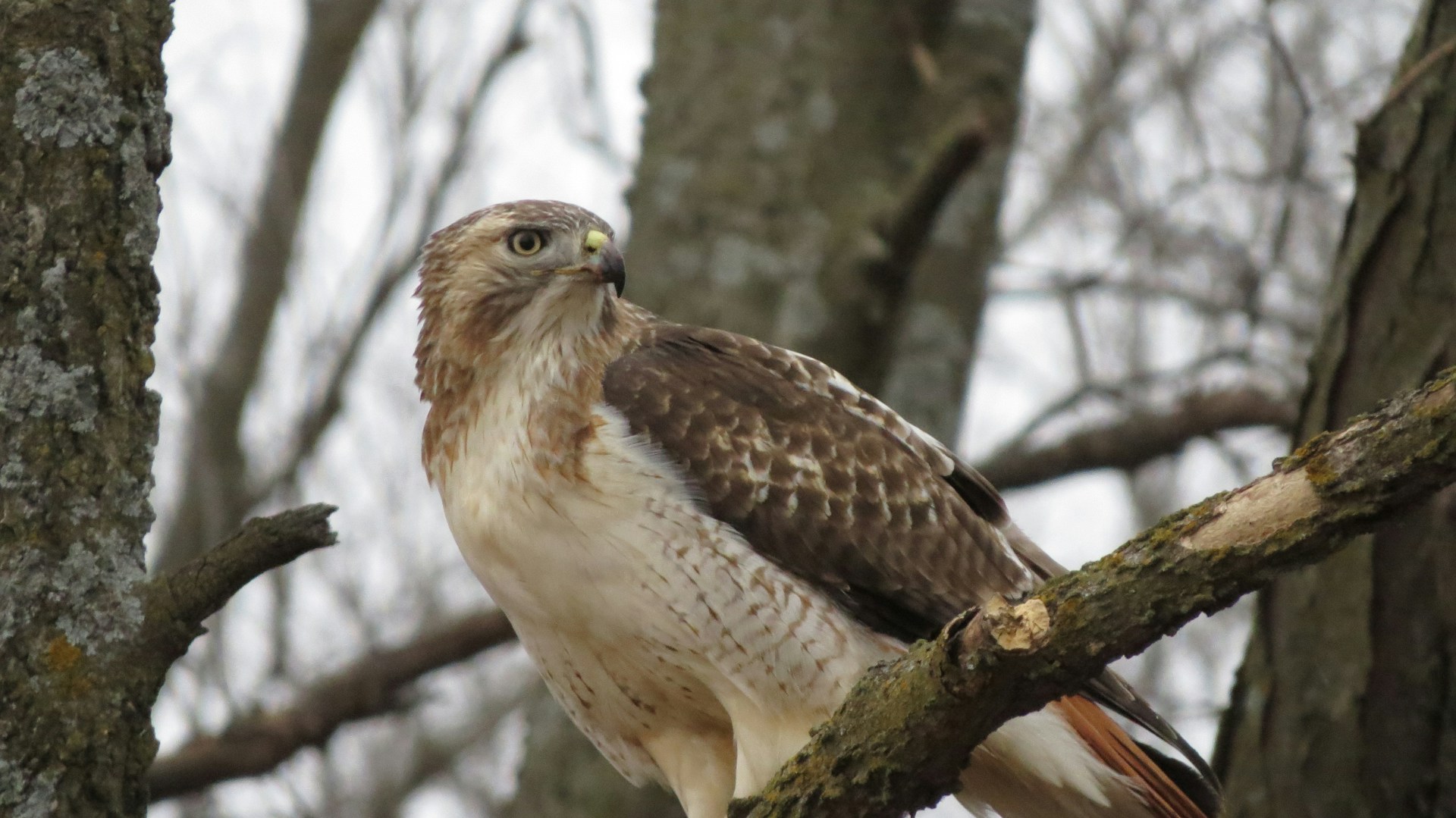
Speed wears many faces across North America. Sometimes it arrives as a falcon folding into a gravity-fed dive above a cliff. Sometimes it flashes over prairie grass on narrow hooves, or cuts through warm blue water with hardly a tremor on the surface. The animals ranked here are placed by widely cited peak speed estimates, including dive speed for the great raptors and top burst speed for runners and swimmers. What links them is not just raw pace, but the body design behind it: lungs built for oxygen, wings shaped for drag control, tails for balance, and muscle tuned for sudden force in a wild landscape every day.
Peregrine Falcon
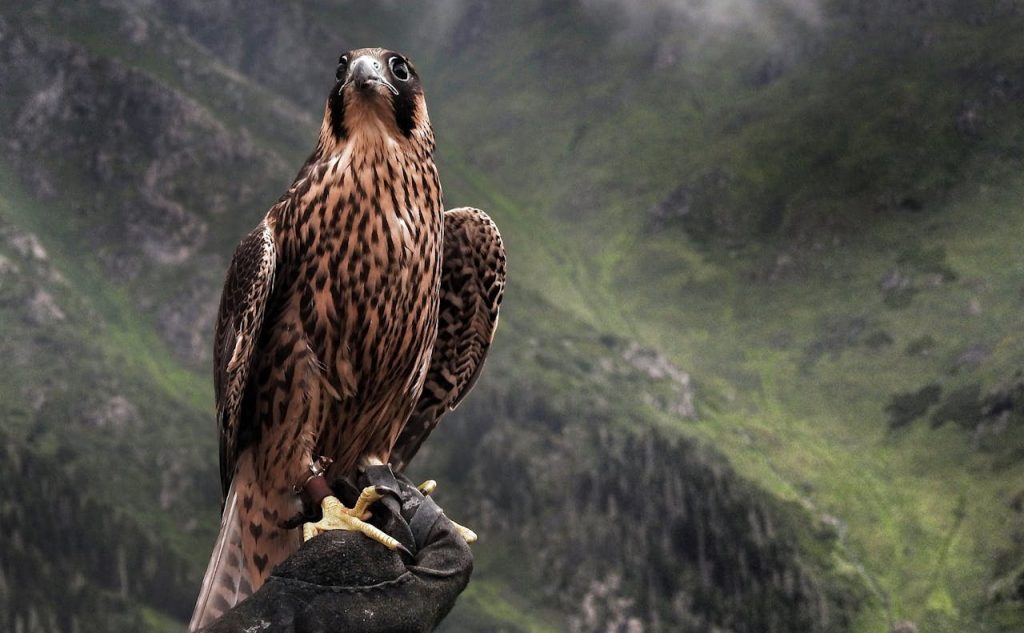
No animal on the continent owns the sky quite like the peregrine falcon. In a hunting stoop, it is commonly cited at 200 miles per hour or more, turning height into astonishing precision as it folds its wings, streamlines its body, and drops like a thrown blade. North America has long known this bird on sea cliffs, city towers, and canyon walls.
Its speed comes from more than nerve. The peregrine’s compact frame, pointed wings, stiff feathers, and drag-reducing dive posture let it stay controlled even when the air is rushing past at astonishing force. It is not simply fast. It is engineered for accuracy at extreme speed.
Golden Eagle
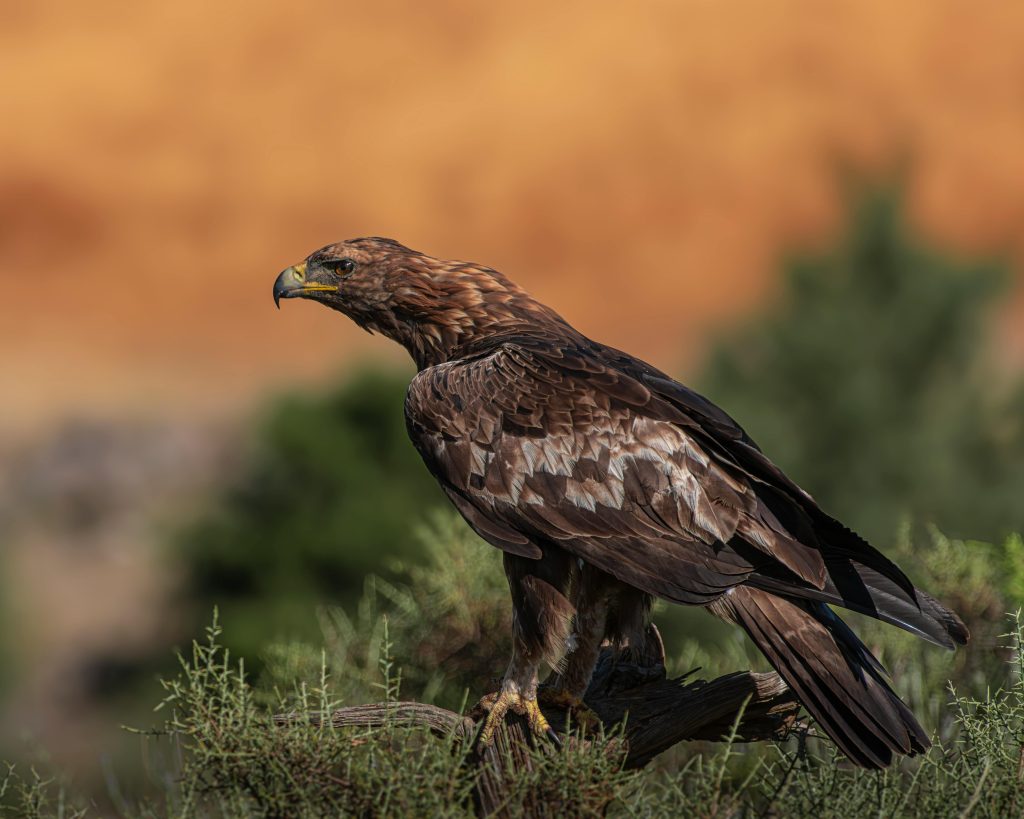
The golden eagle is bulkier than the peregrine, but it can still become a missile when it commits to a dive. National Park Service material notes that golden eagles have been clocked close to 200 miles per hour from great heights, a reminder that size does not always mean slowness in open country from Alaska to the interior West.
What makes that speed possible is a powerful mix of lift, control, and muscle. Broad wings carry the bird efficiently for long periods, then fold into a sharper profile when it descends. Heavy prey demands force as much as pace, and the golden eagle brings both when the moment to strike arrives.
Mexican Free-Tailed Bat
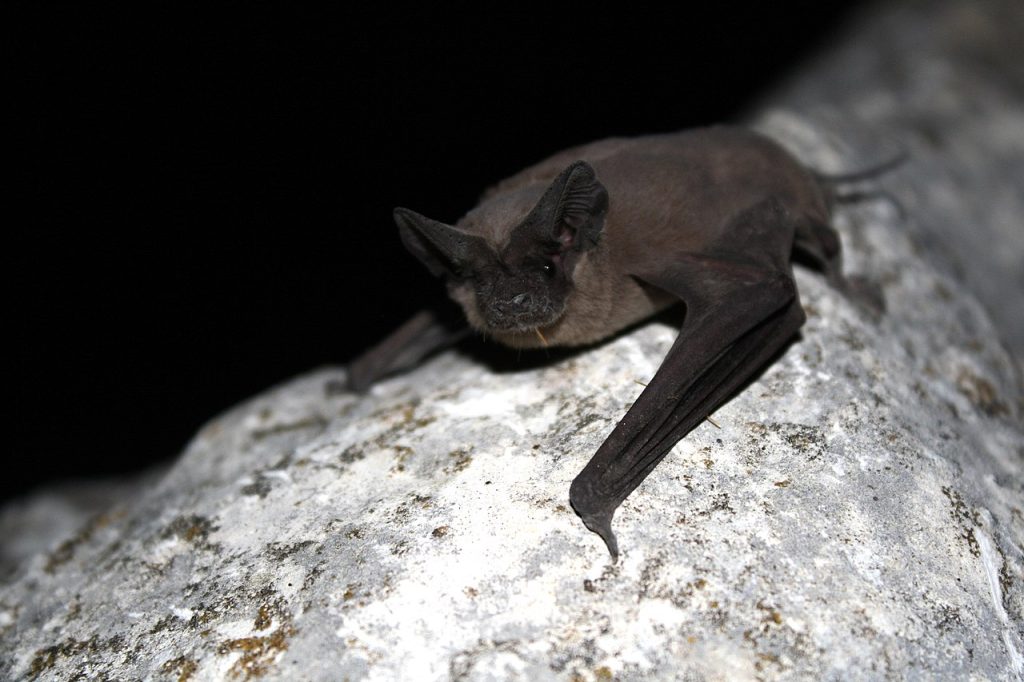
The fastest mammal in North America does not run on hoof or paw. It flies at dusk. Mexican free-tailed bats have been recorded at just under 100 miles per hour in level flight, which is why their evening emergence from caves in Texas and across the Southwest can feel less like a fluttering cloud and more like a living current.
Their speed starts with shape. Long, narrow wings are efficient in open air, short fur reduces drag, and a tail membrane helps with control as the bat twists after insects in the dark. This is no hovering forest specialist. It is a high-speed commuter built for distance, pursuit, and clean aerodynamic flow.
Sailfish
Michael Worden/Pexels
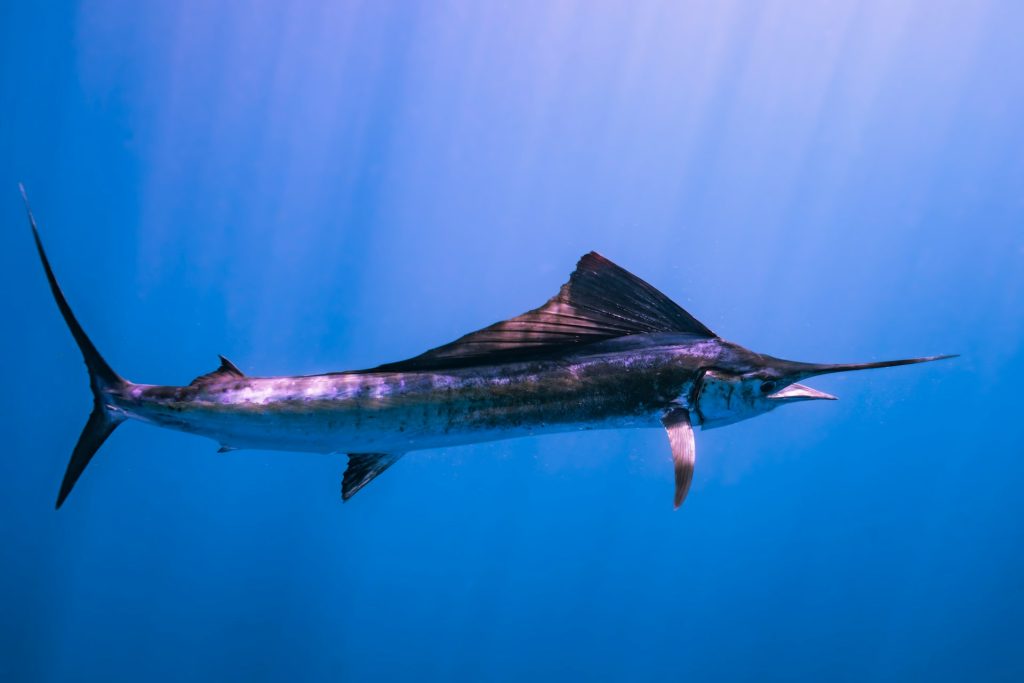
In warm Atlantic waters off the southeastern United States, the Gulf of Mexico, and the Caribbean, the sailfish brings outright velocity into the marine world. NOAA groups sailfish with the fastest fish in the ocean at up to 70 miles per hour. That makes it the blue-water answer to the continent’s great aerial and land sprinters.
Its body explains the reputation. Billfish are sleek, powerful predators, and NOAA notes that the long bill is thought to lower resistance and also help the fish slash through schools of prey. In water, where drag punishes every mistake, the sailfish survives by staying narrow, efficient, and quick.
Pronghorn
David Thielen/Pexels
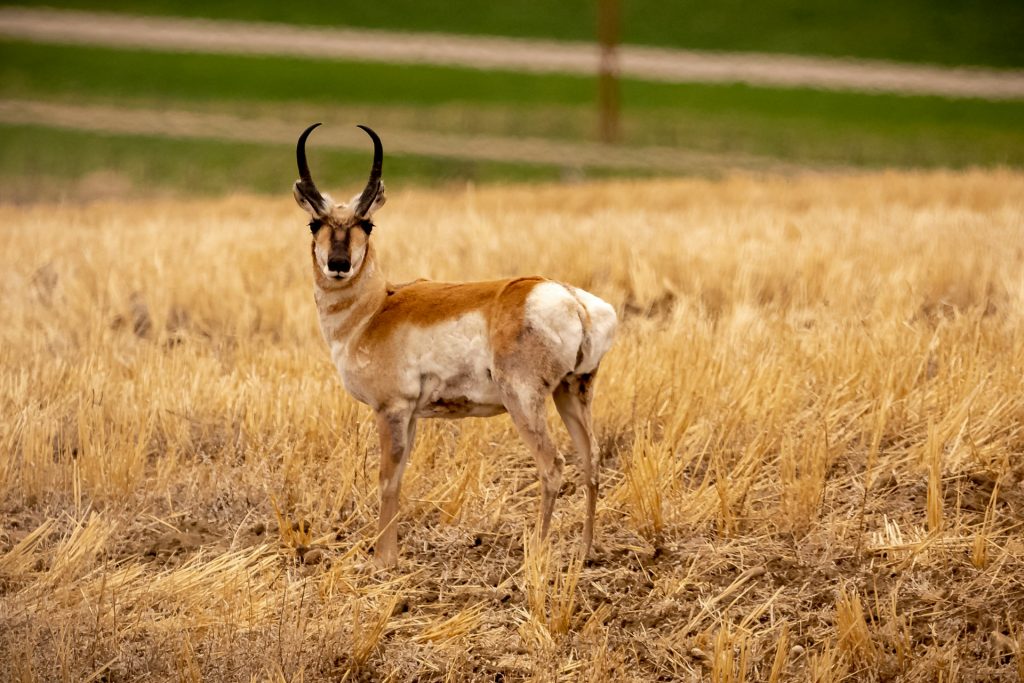
If pure running belongs to any wild North American animal, it belongs to the pronghorn. Park Service and Fish and Wildlife sources regularly place its top speed around 55 to 60 miles per hour, with the added marvel that it can hold high speed far longer than most sprinters. On open grassland, that endurance matters almost as much as the number itself.
The body behind that pace is specialized. Pronghorn have an oversized windpipe, large lungs, and a strong heart that moves oxygen fast, helping them keep a punishing tempo over distance. Even their huge eyes matter, spotting trouble far away so the run begins before danger gets close.
Mountain Lion
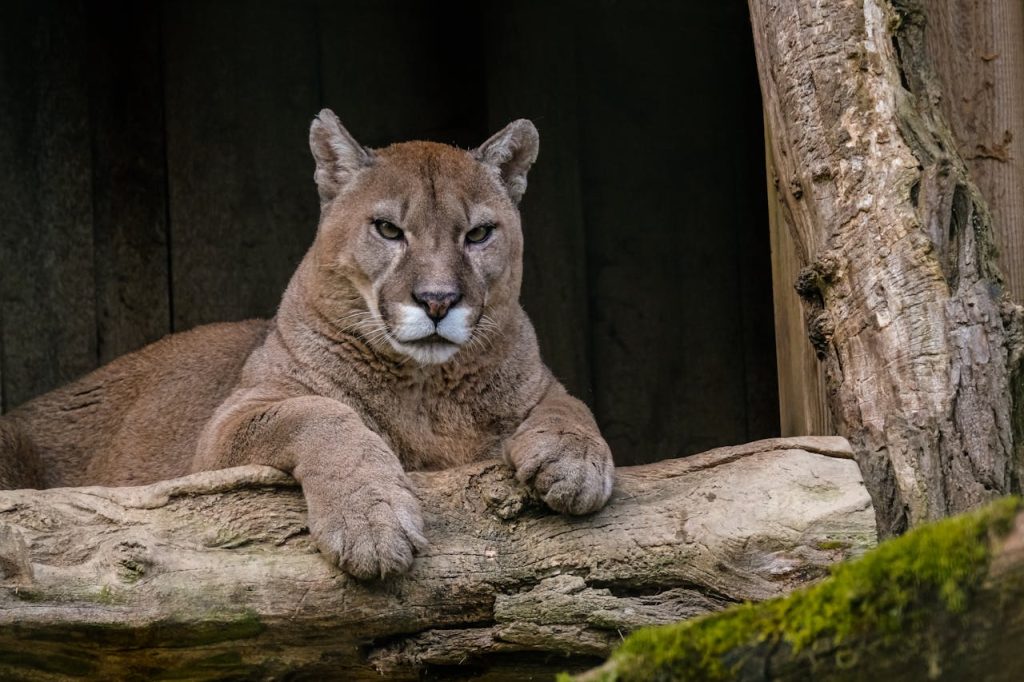
The mountain lion is not built like a marathoner. It is built like a loaded spring. Widely cited wildlife sources place its short sprint speed at up to 50 miles per hour, and that burst fits the animal’s style perfectly. A cougar closes distance suddenly in broken terrain, then vanishes back into deep cover.
Its speed is tied to power more than stamina. National Wildlife Federation material notes that its hind legs are proportionately the largest in the cat family, giving it the leverage for explosive acceleration and huge leaps. Massive paws add grip and balance, turning a stealth hunter into a brief, breathtaking blur.
Coyote
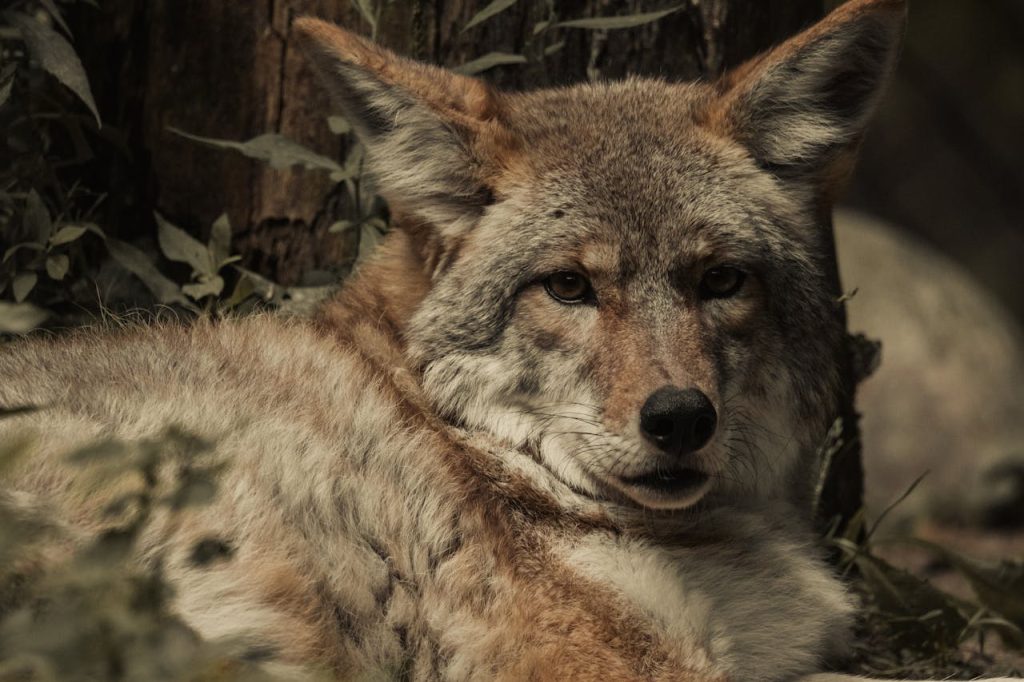
The coyote has speed, but what stands out even more is how usefully it carries that speed across real terrain. National Park Service material places coyotes at over 40 miles per hour, while zoological references describe canids as animals shaped for endurance pursuit. That helps explain their reach from desert edges to suburbs and snowy plains.
Long legs, a narrow chest, and a lean frame help the coyote cover ground without burning out too quickly. It can sprint when it needs to, then settle into efficient movement that makes it a patient hunter and tireless traveler. Few wild animals use quickness with more practical intelligence.
Black-Tailed Jackrabbit
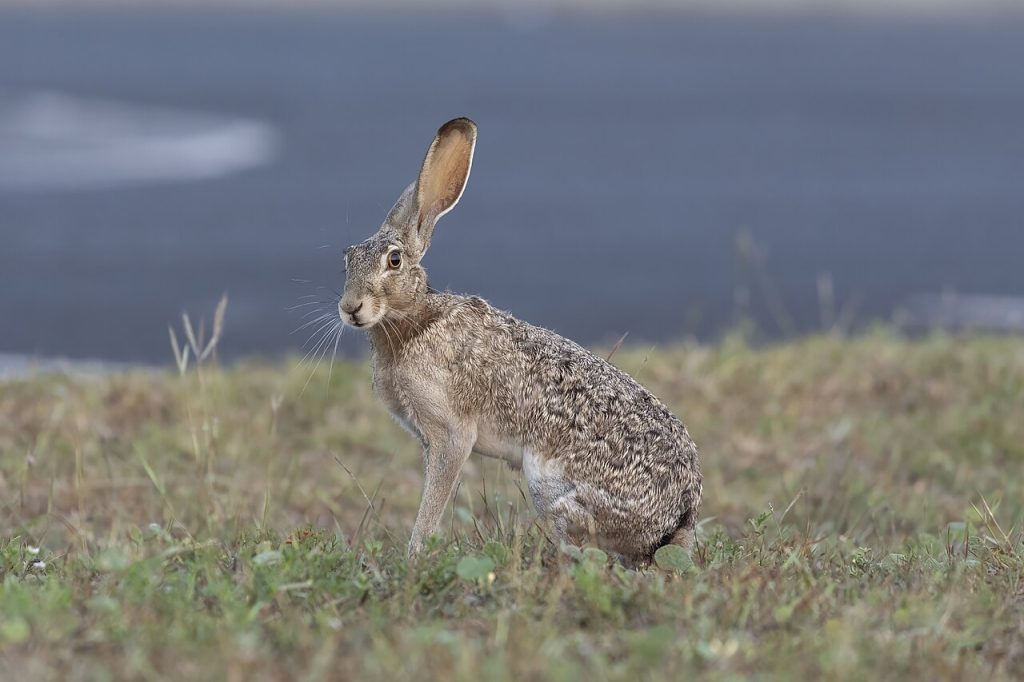
The black-tailed jackrabbit looks almost fragile when it freezes among sage, scrub, or pale desert sand. Then it moves. National Park Service pages put its top speed around 40 miles per hour, enough to make it one of the swiftest small mammals on the continent. That pace is often paired with abrupt zigzags when a chase turns sharp.
Its design is classic open-country engineering. Long hind legs deliver the push, while oversized ears help shed heat in exposed landscapes where running hot can become a problem. Because it does not rely on a burrow for every escape, the jackrabbit lives by split-second acceleration and confusing turns.
Killer Whale
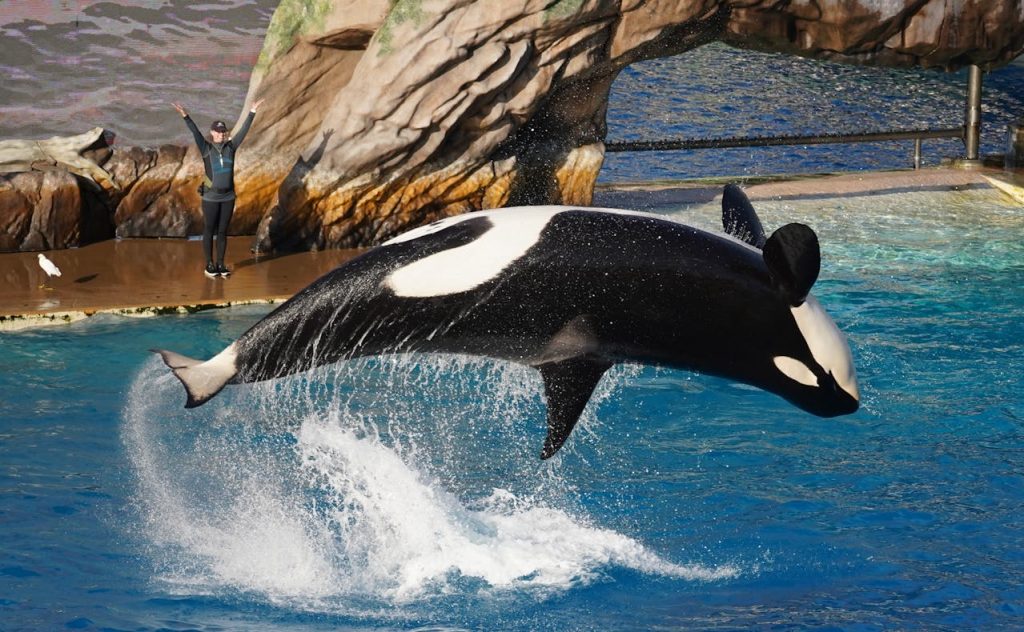
Along the Pacific coast and in cold northern seas, the killer whale turns size into speed with startling ease. NOAA notes that killer whales are among the fastest swimming marine mammals, reaching about 35 miles per hour. For an animal of that mass, the number feels almost unfair as the body glides without strain through rough water.
That speed comes from a torpedo-like build, immense tail power, and a body made to move efficiently through dense water. Quick swimming is central to long-range travel and coordinated hunting. The result is a predator that can look calm on the surface while carrying enormous force underneath.