

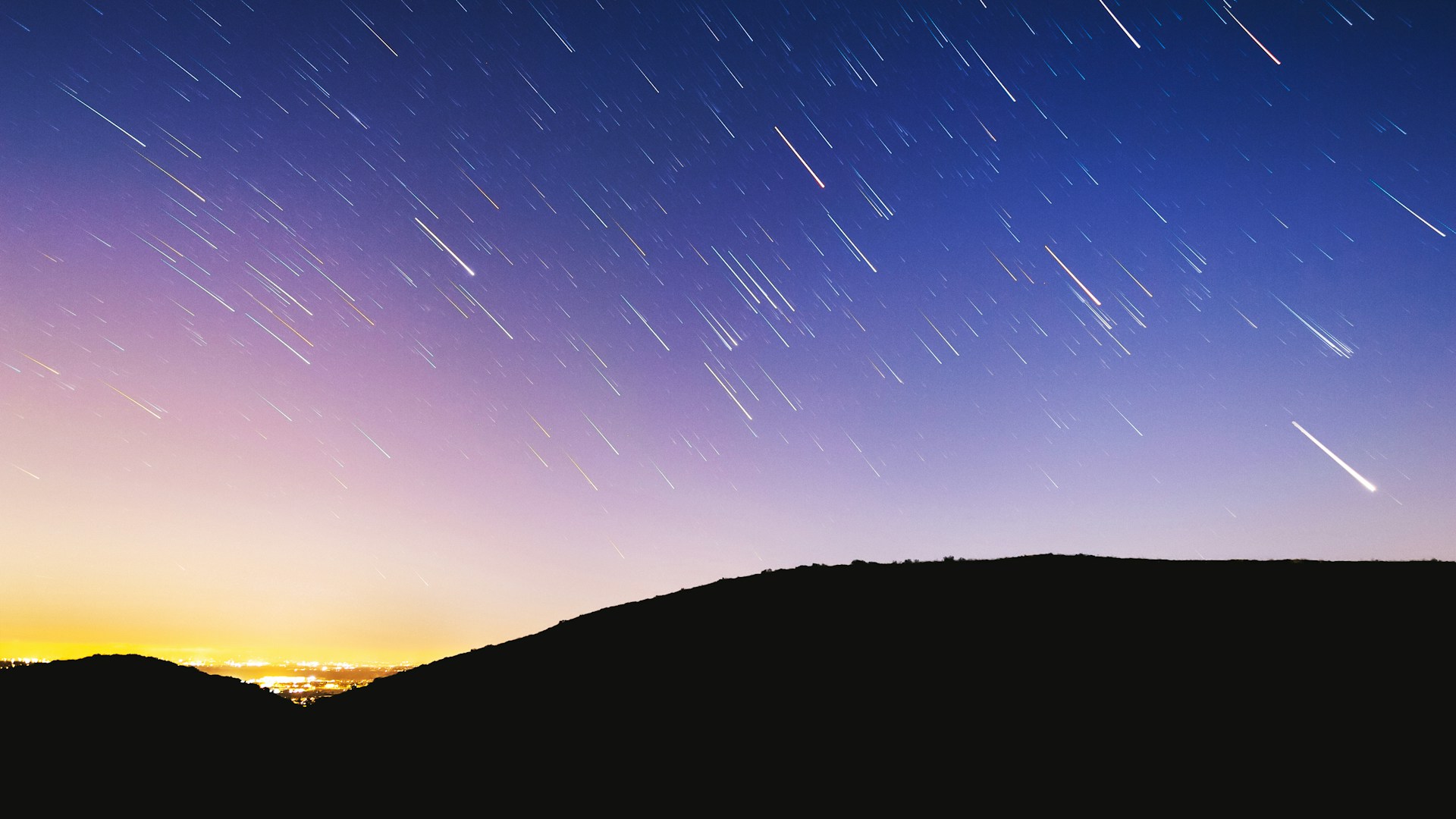
On clear nights, a brief streak can make a whole sky feel alive for a moment. People call it a shooting star, but the name carries baggage: old stories, half-remembered science class, and confident claims traded like trivia at bonfires. In busy meteor showers, the talk gets louder than the sky, and myths sneak in.
Most meteors are tiny grains of rock or dust that flare as they hit Earth’s upper air at high speed, burning up far above the ground. The glow comes from heated air and vaporized material, not a star dropping out of place. The real story adds scale, turning a quick streak into proof that the solar system never sits still.
A Shooting Star Is A Star Falling
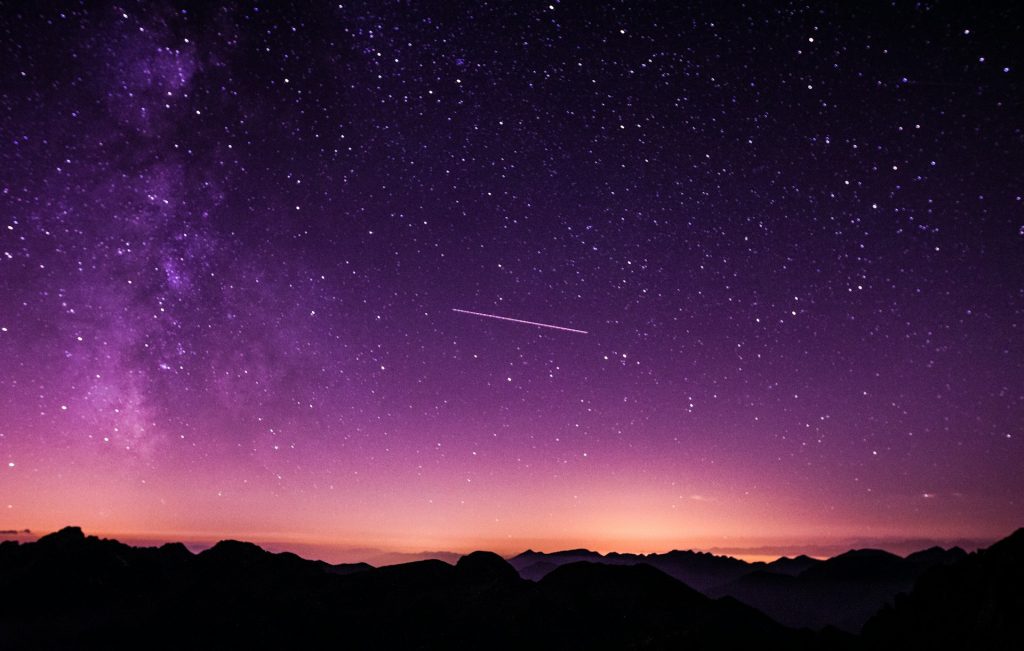
Calling it a falling star sounds certain, yet the streak has nothing to do with a star leaving its place; stars are massive suns parked light-years away, and their gravity would announce itself long before any glow reached the atmosphere.
Most shooting stars begin as meteoroids, often no bigger than a grain of rice, already racing around the Sun at enormous speed. When one slams into the upper air roughly 50 to 70 miles up, the atmosphere itself lights up for a second or two and the particle vaporizes, producing what astronomers call a meteor, not a star, and the nickname survives on feeling rather than accuracy still.
Meteor Showers Are The Only Time To See Them
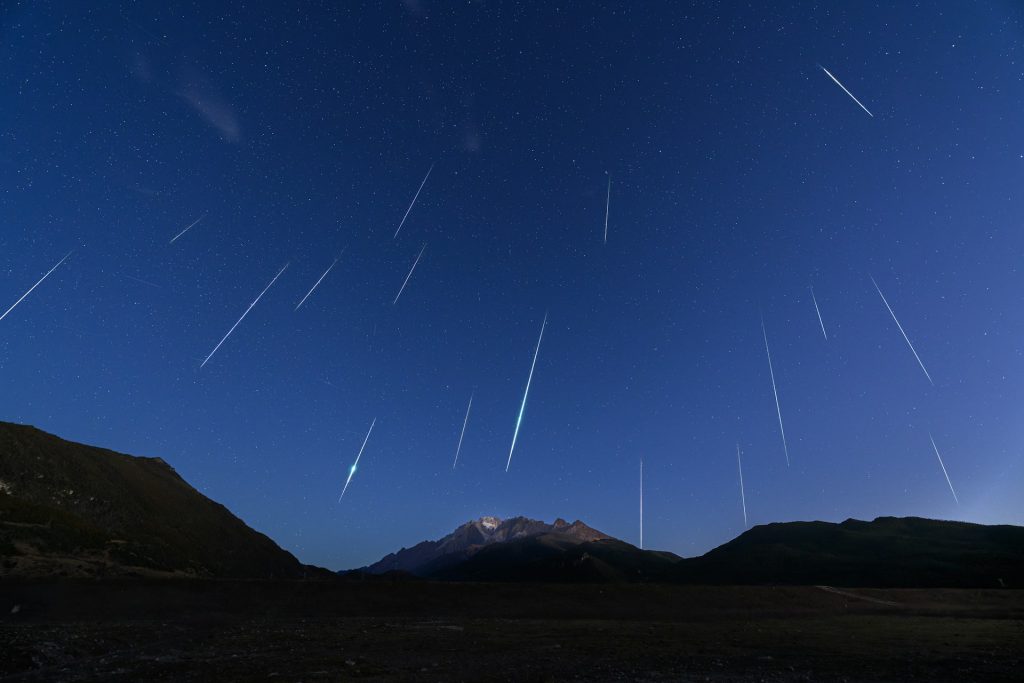
Meteor showers get the headlines, so many people assume the sky stays quiet the rest of the year, yet sporadic meteors appear on most clear nights, often late at night and after midnight when the observing side of Earth turns into its direction of travel.
A shower simply means Earth is sliding through a thicker ribbon of debris along a known orbit, as with the Perseids in Aug. or the Geminids in Dec., so more meteoroids arrive in a short window. The streaks seem to fan from one point, the radiant, because many parallel paths look like they meet when viewed from the ground, the same way railroad tracks seem to touch at the horizon.
A Bright Fireball Means A Nearby Fall
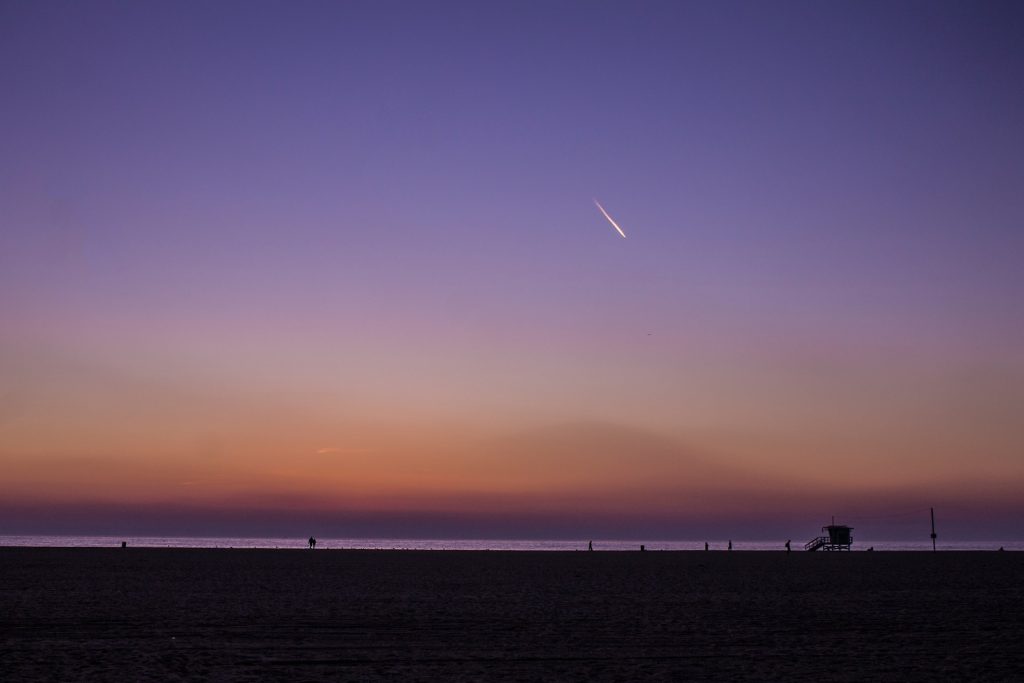
A brilliant fireball can make people swear something just slammed into a field down the road at night, but brightness mostly reflects speed, entry angle, and how the air compresses and glows, not how close the object is to the observer.
Many bright meteors are still tens of miles away and well over 40 miles high when the light peaks, so the brain shrinks the scene to something familiar. Any rumble, if it happens at all, can arrive later because sound lags far behind light. Only a small fraction survive as meteorites, and those pieces tend to scatter along a long, narrow strewn field rather than dropping in one tidy spot.
The Streak Is The Rock Burning Like A Match
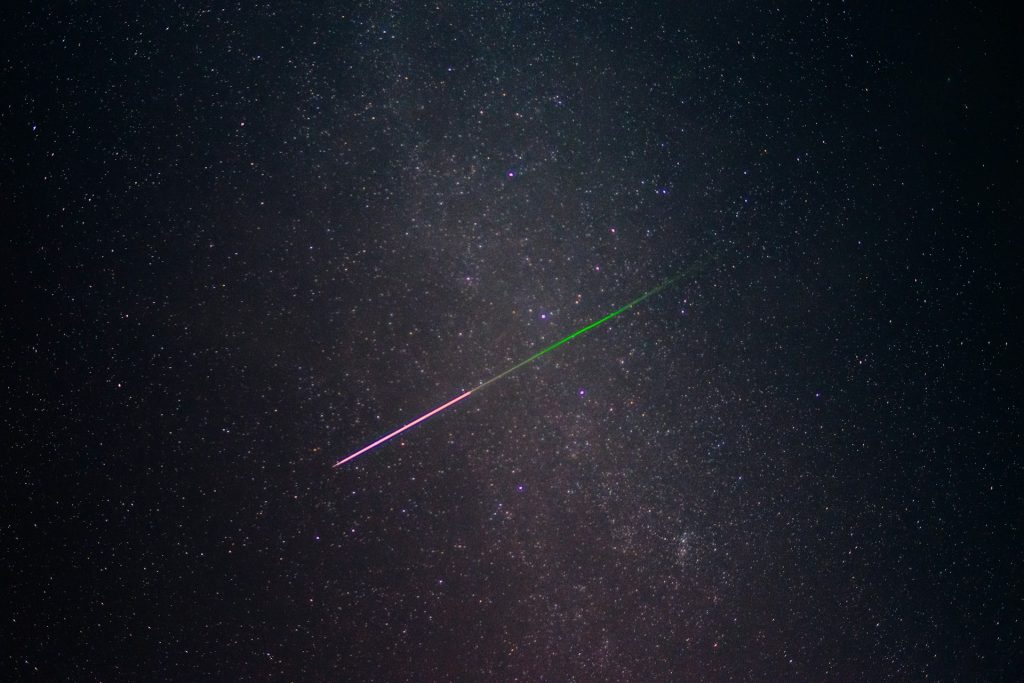
The common image is a little stone catching fire as it falls like a match, but friction is shorthand; the real driver is violent compression that heats the air in front of a meteoroid arriving at extreme speed until it glows as plasma.
The meteoroid then sheds material through ablation, and that vapor mixes with excited oxygen and nitrogen to paint the streak, often 50 to 70 miles up in thin air. The light ends once the particle slows and the air stops flashing, and if a rare fragment survives, it usually cools quickly on the dark fall, which is why fresh meteorites are often described as cool or only mildly warm to the touch.
A Wish Must Be Said Before It Fades
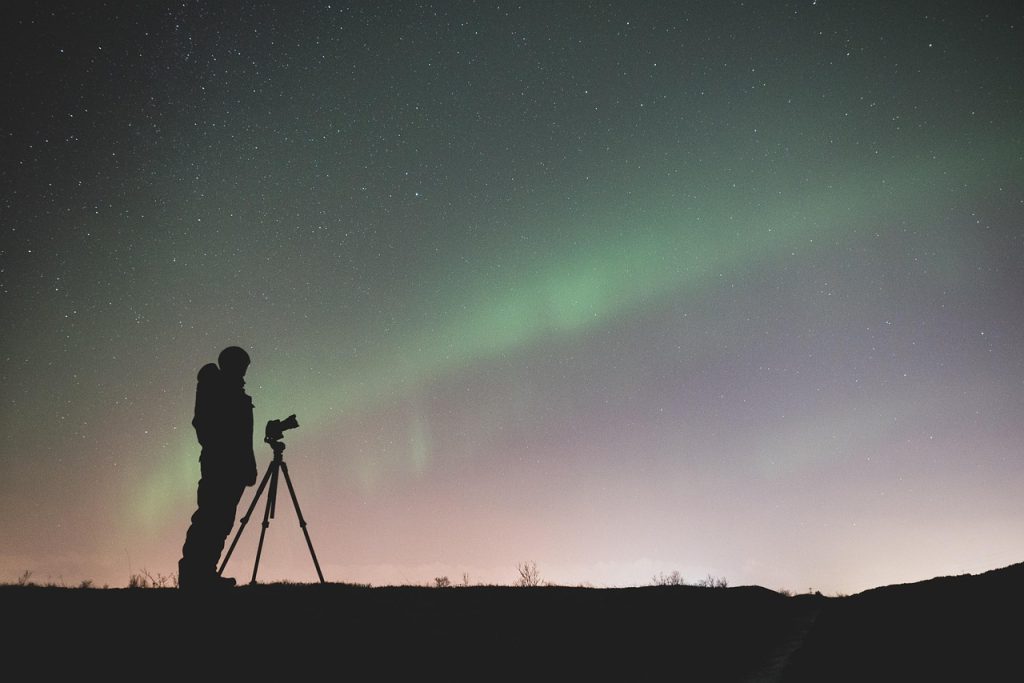
The classic rule says a wish has to be spoken before the shooting star disappears, as if the sky is running a timer, yet that urgency is folklore: many cultures treat meteors as messages, omens, or traveling souls, and the quick wish is a modern echo of that older impulse.
In physical terms, the meteor is already over before most people finish reacting, and the air and dust have no way to respond to words from the ground. What the ritual really does is pull attention upward and inward at once, turning a stray streak into a small, private reset that feels strangely hopeful, even among strangers on a dark beach in silence.
Meteor Colors Predict Luck
When a meteor flashes green or orange, people often assign it meaning, as if the color is a code for luck or a hint about what comes next, but the palette is chemistry in motion as heated air and vaporized minerals radiate light high overhead in a split second for anyone watching.
Metals such as sodium can glow yellow-orange and magnesium can lean blue-white, while nitrogen and oxygen in the surrounding air can add red, green, or violet tones. Even the same meteor stream can look different from streak to streak because speed and altitude change the light, and cameras or long exposures can shift what the eye later swears it saw.
Every Meteor Comes From A Comet
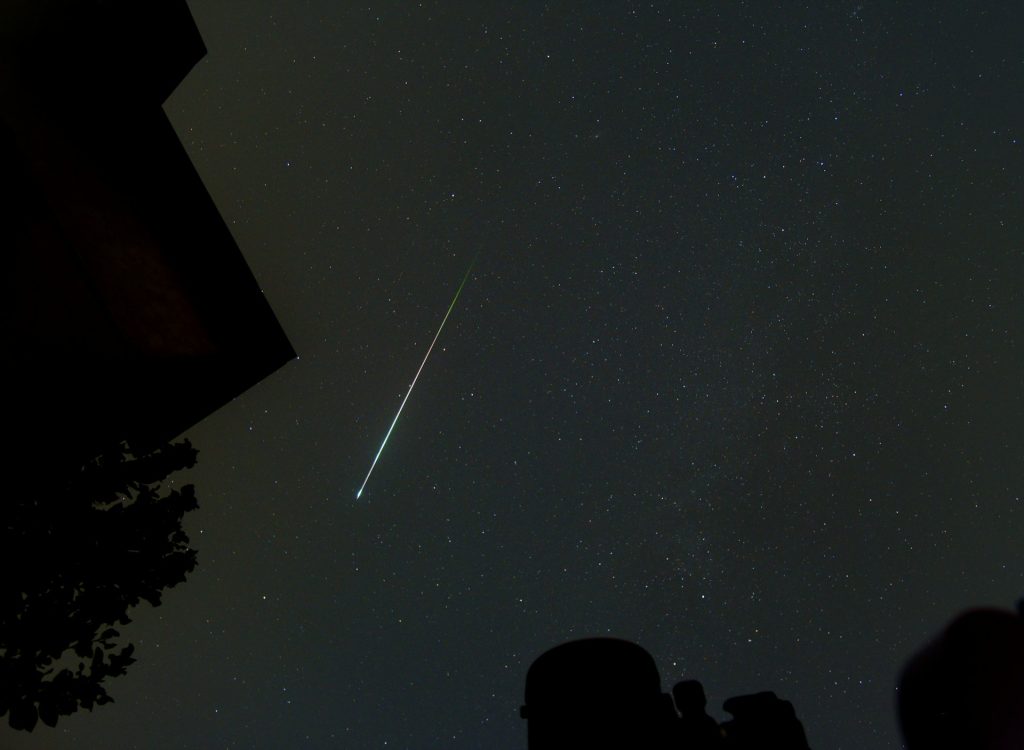
Comets get all the romance, so many people insist every shooting star is comet dust, yet Earth meets plenty of meteoroids that come from rocky sources as well, because the solar system constantly sheds material in more than one way.
Some showers are linked to comets, while others trace back to asteroids, including the Geminids, tied to 3200 Phaethon, a rocky object that may have once acted comet-like. Outside shower nights, many sporadic meteors are thought to come from collisions and grinding in the asteroid belt and near-Earth space, where bigger rocks are slowly, over ages, turned into countless small, fast fragments.
Any Moving Light Is A Shooting Star
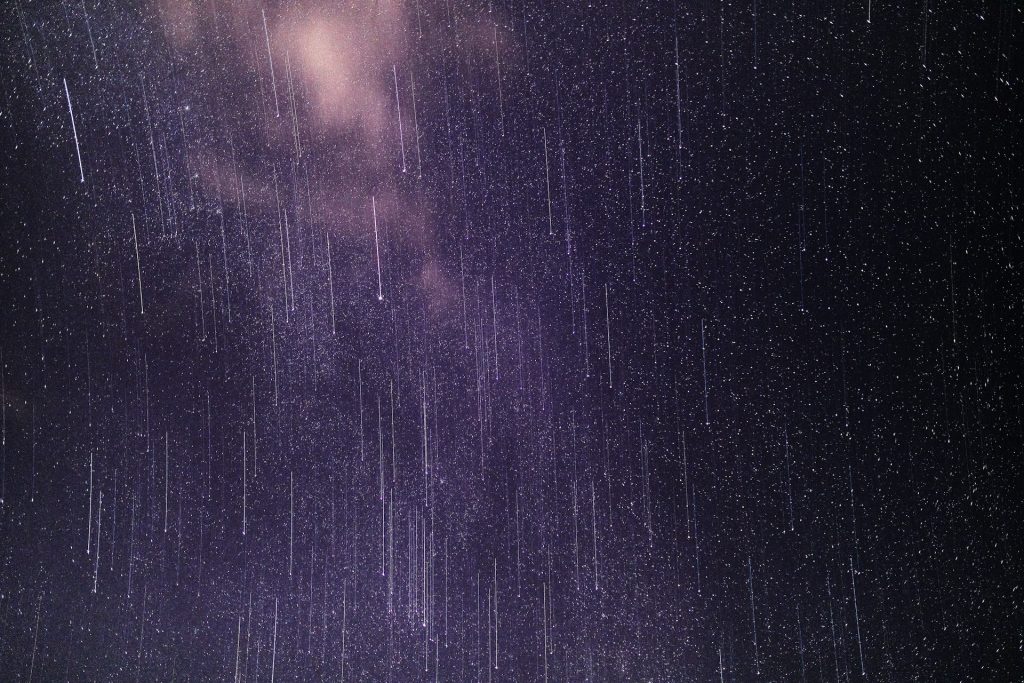
Many confident sightings are actually satellites, because a moving point can feel dramatic when it is noticed late against a busy star field. A meteor is usually a quick, sharp streak that lasts a second or two and often brightens and fades suddenly, while a satellite tends to glide steadily for minutes.
Satellites do not leave a smoky trail to the naked eye, and they rarely show the brief flare and fragmentation that meteors can. Reentering space hardware is the tricky exception, since it can break apart into multiple pieces and look meteor-like, but it usually lingers longer and moves more slowly than a true meteor.
Telescopes Are The Best Way To Watch Meteors
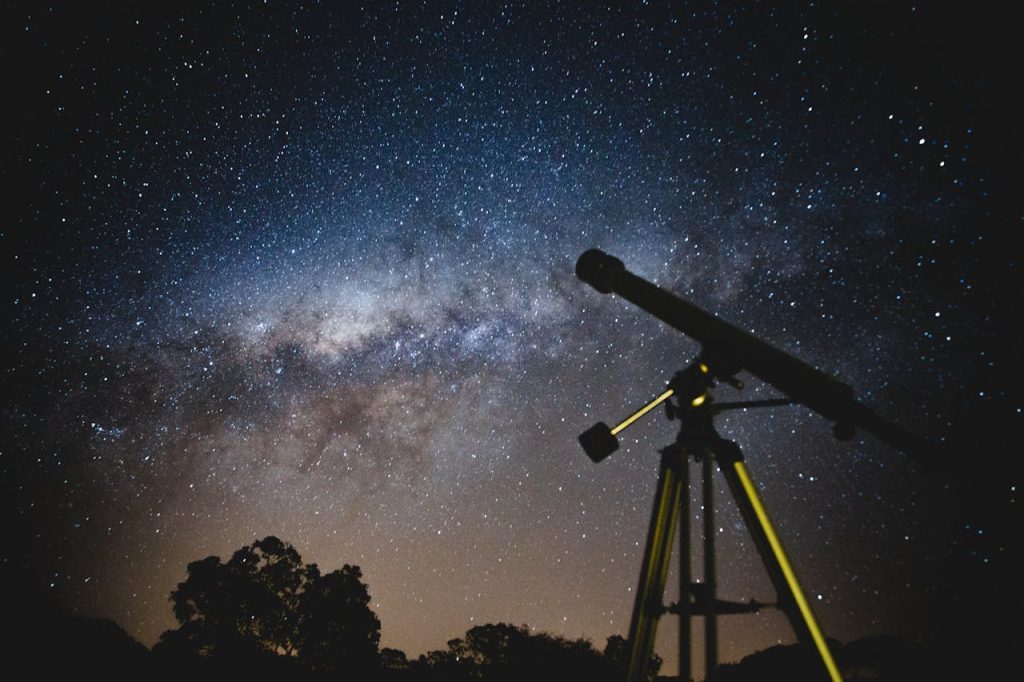
People sometimes drag out telescopes, convinced that magnification means more shooting stars, and then wonder why nothing shows up in the eyepiece, because meteors are wide-sky events and narrow optics cut the action down to almost zero, like fireworks watched through a keyhole.
The best gear is simple: a dark view, time for eyes to adapt, and a comfortable place to look up without strain. A reclining chair, warm layers, and a dimmed phone screen often matter more than any device, and the biggest payoff comes from scanning a broad patch of sky about 45 degrees from the radiant after midnight, away from moonlight and lights.