

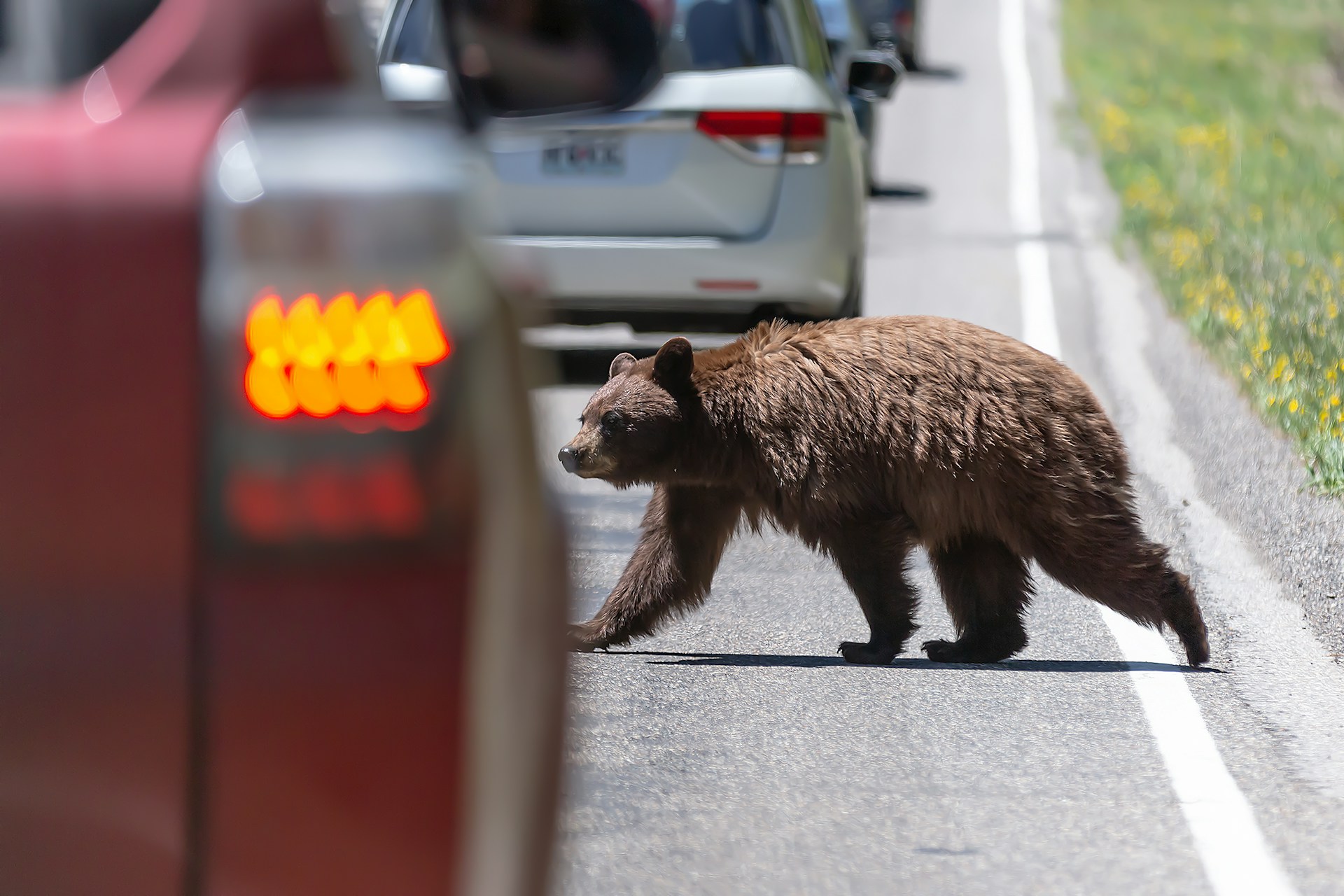
A bear that has learned to live off people’s food stops being a shy forest animal and starts acting like a neighbor. That shift can happen quietly, one open cooler or spilled trash bag at a time, until the bear’s instincts begin to point toward driveways, docks, and camp loops.
Officers know the pattern: the more rewarded a bear feels around humans, the more it returns, and the fewer options remain when it gets bold. Late summer and fall can speed it up, when calories matter most. Recognizing early warning signs gives communities a chance to change the outcome before fear, property loss, and hard decisions arrive.
It Keeps Returning to the Same Spot on a Schedule
The bear shows up at the same yard, dumpster, or campsite on a schedule, almost like a delivery route. That kind of patterning usually means meals were easy and repeatable, so the animal keeps checking the exact spot.
Soon the visits slide earlier into the evening, then into daylight, and the bear lingers instead of grabbing food and leaving. People begin to watch from windows or gather for photos, which teaches the bear that crowds are part of the routine.
Once a bear expects a payoff at a specific address, one missed meal rarely ends the habit. It often ends with urgent calls, and a bear that must be removed again.
It Ignores Noise, Shouting, and Other Deterrents
When people clap, shout, bang pots, or use car horns, the bear barely reacts, or it pauses and then goes right back to foraging. Normal wariness is a bear’s safety system, and habituation rewires it into indifference.
A bear that no longer yields space may stare, take a few steps forward, or circle back the moment a person turns away. That boldness is not friendliness; it is learned confidence that humans will not enforce boundaries.
At that stage, even well-meant hazing can escalate tension in a crowded campground or neighborhood. One surprise encounter can trigger a defensive swipe, and the bear is the one that pays.
It Walks Straight Toward People to Get Food
The bear walks straight toward picnic tables, coolers, grills, or anglers at the shore, as if human activity is a dinner bell. Food-conditioned bears learn that standing close to people leads to dropped scraps, unattended bags, or a quick retreat.
The animal may test distance with slow steps and a steady focus on the food source, not on escape cover. If a group backs up, the bear learns that pressure works, and that lesson spreads fast.
Once a bear connects people with calories, every gathering becomes a repeat opportunity. The risk rises for hikers, children, and pets, and managers have fewer choices besides capture.
It Raids Bird Feeders, Pet Food, and Easy Yard Calories
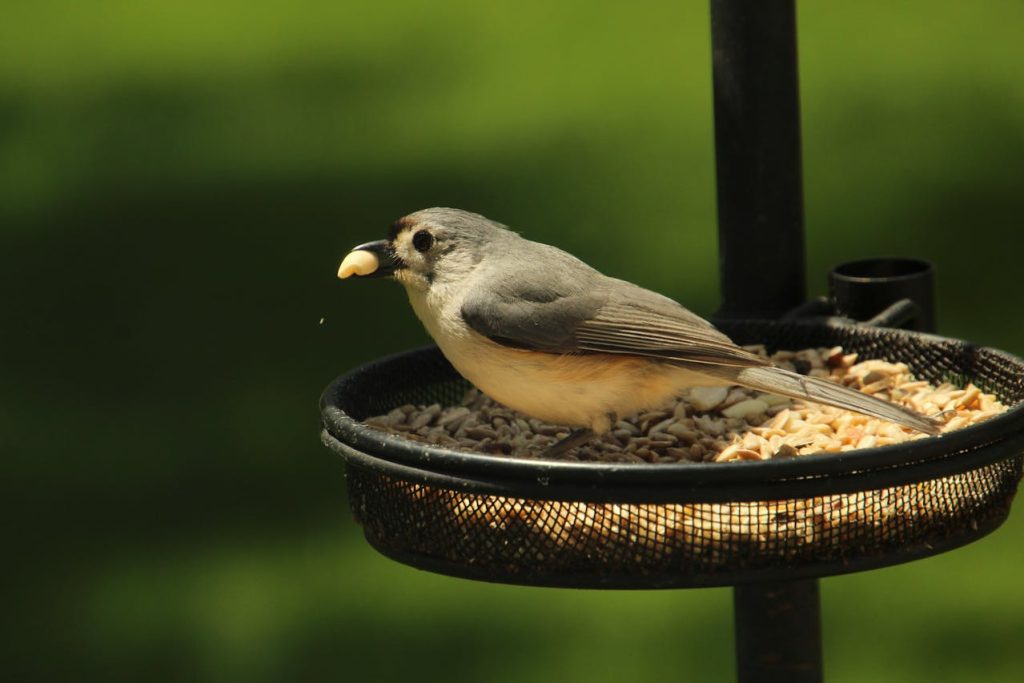
The bear starts treating human landscaping as a buffet nightly: birdseed, fallen apples, compost, pet bowls, and greasy barbecue drips. These are small rewards, but they teach the key lesson that food is available without effort.
In many places it surges in spring, when natural greens are limited, and in fall, during hyperphagia, when bears hunt calories constantly. A single feeder can pull a bear across multiple yards, widening the problem.
When food sources are scattered, neighbors may argue about responsibility, and the bear keeps learning. The pattern often changes only after an incident forces authorities to act.
Trash Becomes Its Main Target, Not a Side Find

Trash stops being a random opportunity and becomes the bear’s main target. Lids get flipped, carts get dragged, and bags get shredded with the efficiency of an animal that has practiced.
Once a bear learns one weak point, it repeats it: the can left out before pickup, the overflow bin behind a restaurant, the campground dumpster without a latch. The smell trail can pull bears through neighborhoods and across roads.
Garbage feeding is a fast track to conflict because it is predictable, concentrated, and close to people. Complaints rise, and the bear’s behavior often crosses the line from nuisance to problem in official reports.
It Breaks Into Cars, Campers, or Stored Coolers
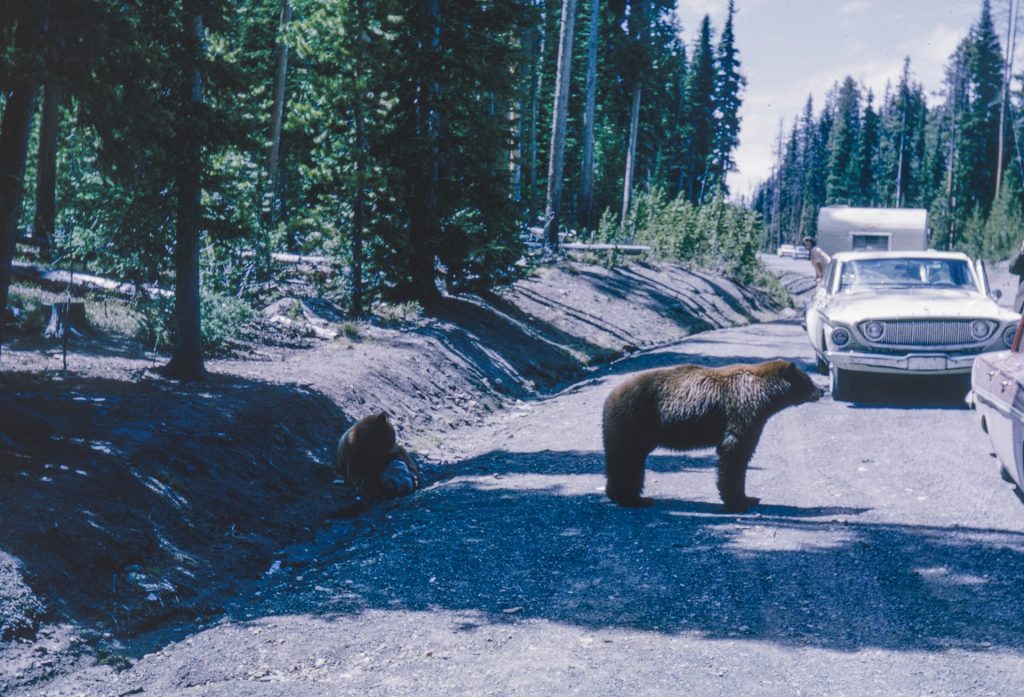
A habituated bear stops treating vehicles as odd metal objects and starts treating them as storage lockers. It sniffs door seams, paws handles, and learns that a candy wrapper can mean a bag of snacks inside.
In trailhead lots and campgrounds, this can escalate quickly because the bear gets repeated practice with little consequence. Windows get pushed in, doors get bent, and the bear walks away rewarded again.
Each successful break-in increases the bear’s confidence and raises repair costs for families and parks. It also signals that the bear is comfortable deep in human space, which is where close encounters happen.
It Starts Entering Garages or Homes for Food Smells
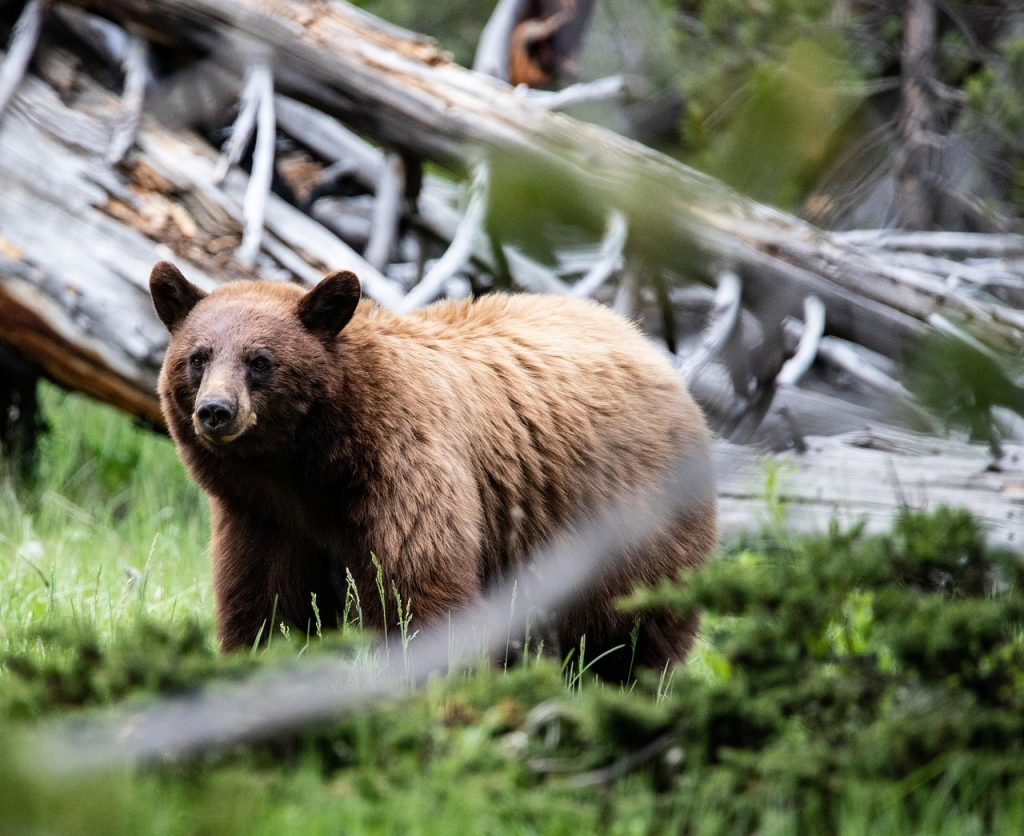
The bear starts treating buildings as part of the food landscape, not as a boundary. It noses garage corners, rips a screen, or slips through a cracked door to check coolers, trash, or storage shelves. Some paw at latches where cooking smells linger.
Once a bear has found calories indoors, it often returns with more confidence and less caution, sometimes with lights on and people nearby. That tight, enclosed setting raises the odds of a startled defensive reaction, and it also changes how agencies respond. In many places, a bear that enters an occupied home is labeled high-risk, and euthanasia becomes more likely than relocation.
It Loiters in Busy Areas During Daylight
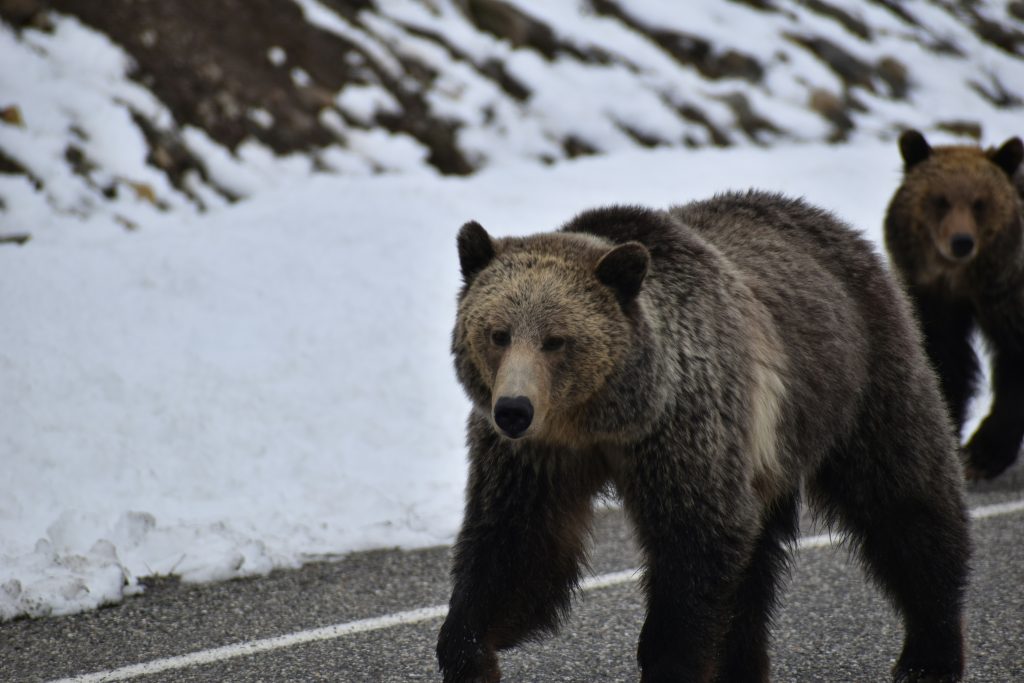
A wild bear usually moves like a shadow, but a habituated bear may nap under a porch or cross streets with traffic nearby. Seeing calm body language up close in busy places is a clue that human noise no longer reads as danger.
Daylight loitering often follows a string of easy meals, because the bear is no longer timing visits to avoid people. It may wait near a trailhead for hikers to leave packs, or near a café dumpster after closing.
As comfort rises, so does friction. More people encounter the bear, more videos circulate, and more dogs get involved. The situation can turn from novelty to emergency in a single afternoon.
It Follows Hikers Instead of Giving Space
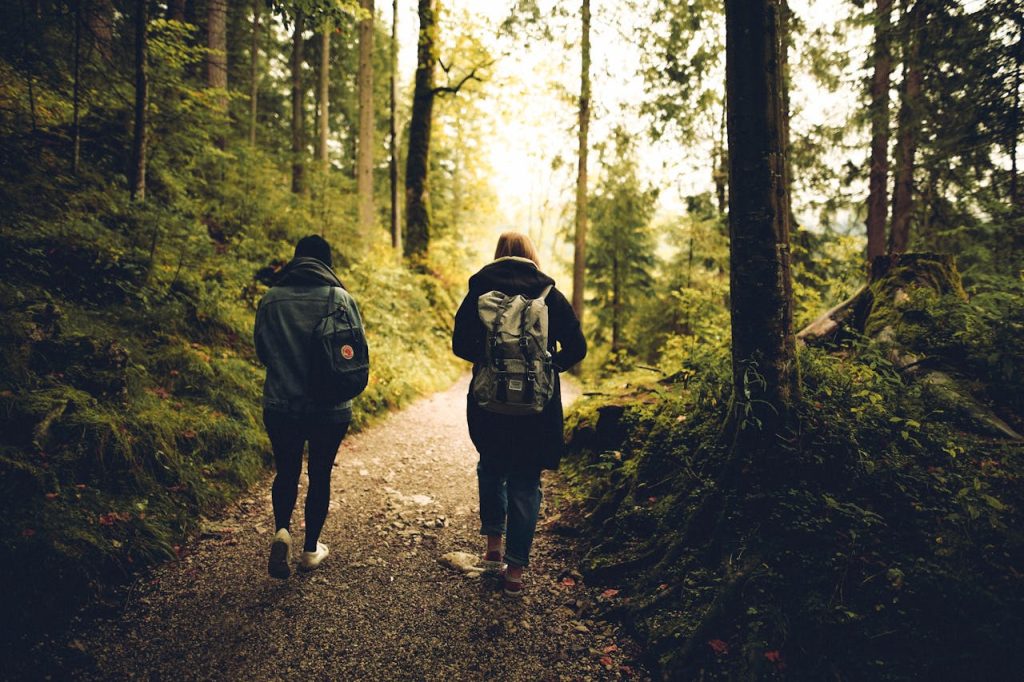
On trails, the bear does not step off and disappear. Instead it stays in the corridor without hesitation, follows at a distance, or drifts toward groups that stop for snacks and photos.
This behavior can look calm, but it is a form of testing. The bear is learning how close it can get, and whether people will give up food or space. Crowded switchbacks and narrow bridges make it worse, because there is less room to separate.
When a bear starts treating hikers as moving opportunities, surprise meetings become more common. Rangers may close trails, and a single incident can turn a manageable situation into a rapid response.
Cubs Act Bold, and the Adult Leads Them Into Town
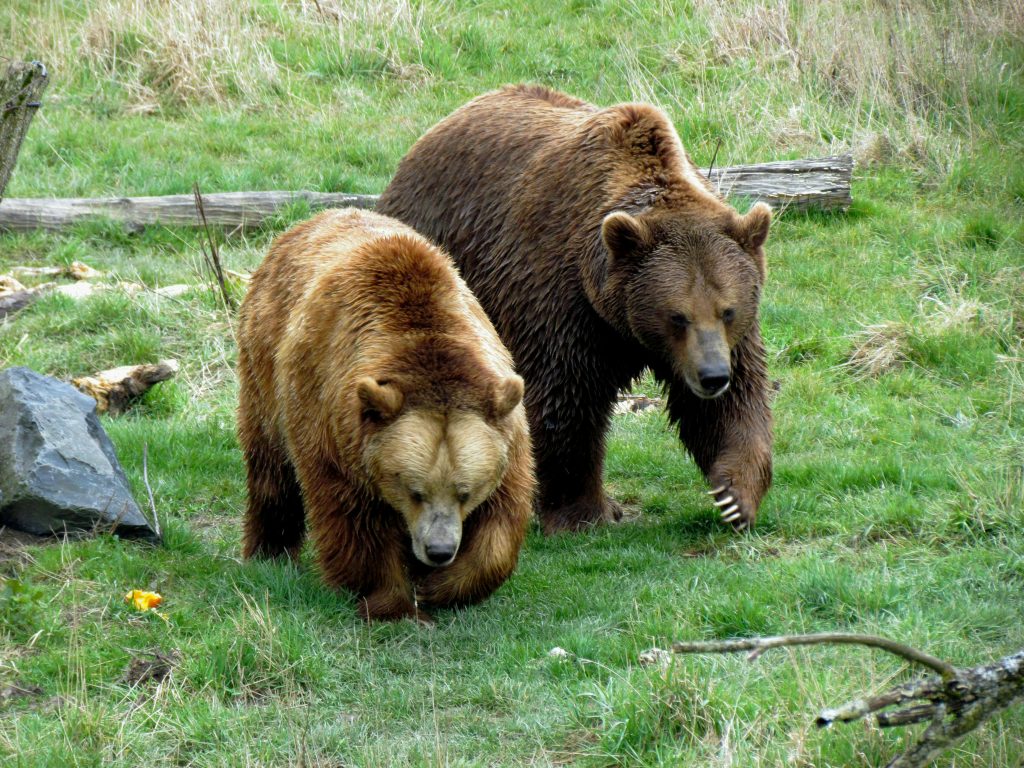
Cubs that should scramble up a tree at the first human scent stay on the ground and keep feeding calmly. If a family group lingers near campsites, yards, or dumpsters, habituation is being taught, not just tolerated.
An adult that leads cubs into human areas is often choosing the highest-calorie route available. That also raises tension because a mother may react fast if people crowd the family, even by accident.
A habituated family can generate repeated conflicts in a single season, and the lessons stick long after the cubs disperse. When intervention comes, it can affect more than one bear, not just the boldest one.