

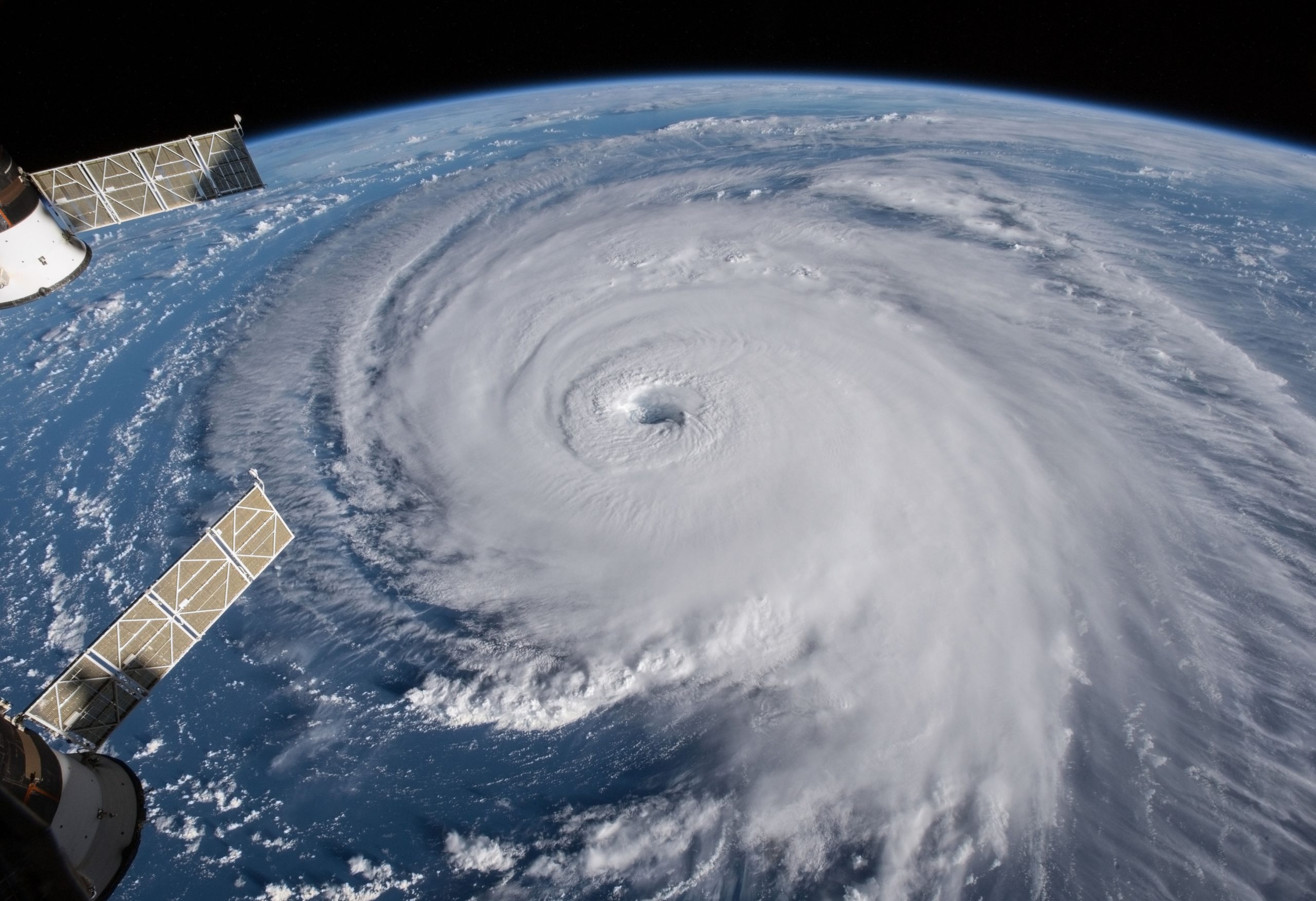
Space is full of real wonders, but the loudest stories are often the least accurate. Old movies, half-remembered school facts, and viral clips keep recycling the same claims, until they feel like common sense.
The tricky part is that many myths borrow a grain of truth, then stretch it past the point of physics. A good correction does not drain the romance. It replaces fuzzy ideas with crisp ones: how light travels, how gravity behaves, and why the sky above Earth is only the first thin layer of a much bigger stage. When the myths fall away, the real universe feels less like a poster and more like a place. Worth learning.
The Moon’s Far Side Is Always Dark
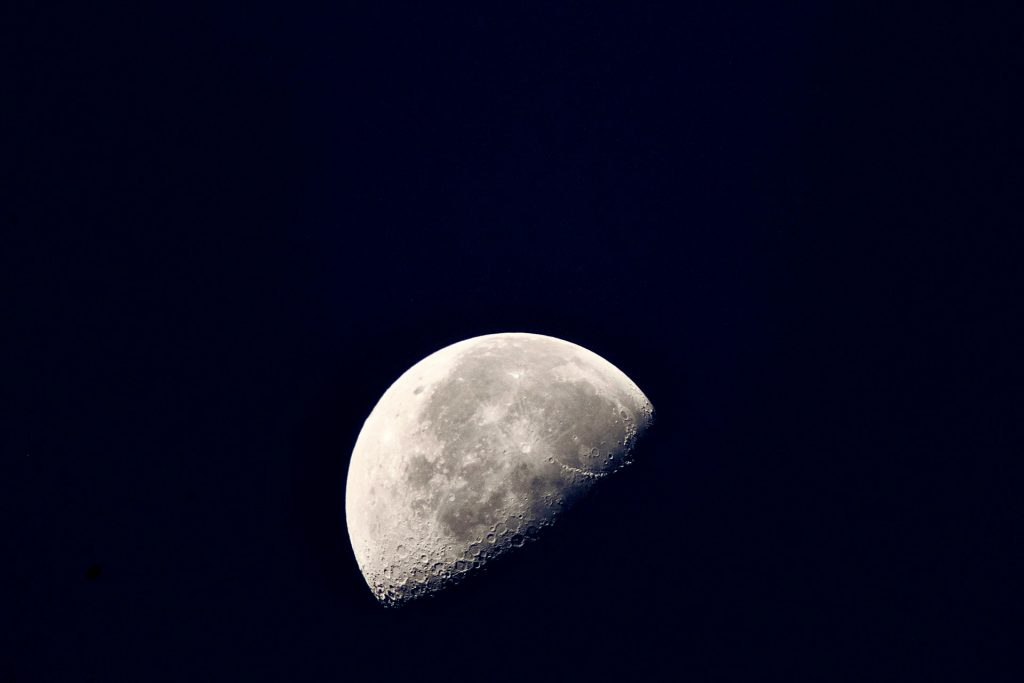
The Moon does have a far side, but it is not locked in permanent night. As the Moon orbits Earth, sunlight sweeps across nearly every place on its surface over a lunar day of about 29.5 Earth days.
What stays fixed is the viewing angle. Tidal locking keeps the same lunar hemisphere facing Earth, so the other side is simply the one people rarely see. Both halves get roughly two weeks of daylight and two weeks of darkness, except for some polar pockets that can stay shadowed. Spacecraft have mapped the far side for decades showing it sunlit, cratered, and very real. The phrase sounds poetic, but it is geography, not eternal darkness.
The Great Wall Is Visible From Space

The Great Wall of China is enormous on a map, but that does not make it easy to spot from orbit. From typical space-station altitude, it is narrow, often earth-toned, and surrounded by similar-looking terrain.
Astronauts have reported that cities, highways, airports, and coastlines stand out far more because they create strong contrast and bright reflections. With perfect lighting, sharp eyesight, and knowing exactly where to look, parts of the Wall can sometimes be photographed, but it is not a reliable naked-eye landmark. The myth survives because it sounds like a neat trivia flex, not because it matches optics. In practice.
Gravity Disappears Once Earth’s Air Ends
Gravity does not switch off above the atmosphere. At the International Space Station’s altitude, Earth’s gravity is still about 90% of what it is at the surface.
Astronauts float because they are in continuous free fall. The station and everything inside it are falling around Earth together, orbiting fast enough to keep missing the planet. That shared fall creates weightlessness, not the absence of gravity. Small forces like air drag and station vibrations still tug, which is why engineers call it microgravity. Space is not anti-gravity; it is gravity doing its job without a floor pushing back. It feels strange, but it is precise.
A Human Body Pops in the Vacuum of Space
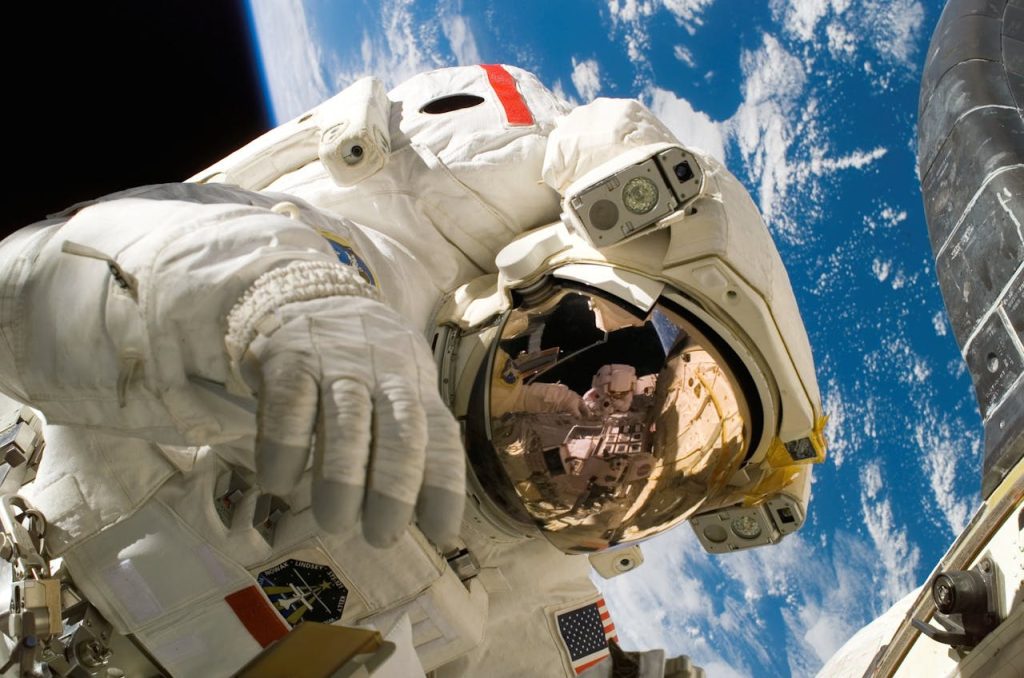
Pop culture loves the idea that a human body bursts in a vacuum, but pressure does not work like a balloon in reverse. Skin and tissue hold shape, so a person would not explode.
The real danger is oxygen loss. Without pressure and breathable air, the bloodstream cannot deliver oxygen, and consciousness can fade in seconds. Moisture on the surface can bubble, and the body can swell, but it is limited and can be reversible if help is immediate. That is why suits provide both oxygen and pressure, not just a warm outfit. Holding a breath is also risky because expanding air can injure lungs. Space is dangerous, but not cinematic.
Space Is Pure Cold and Instantly Freezes Everything
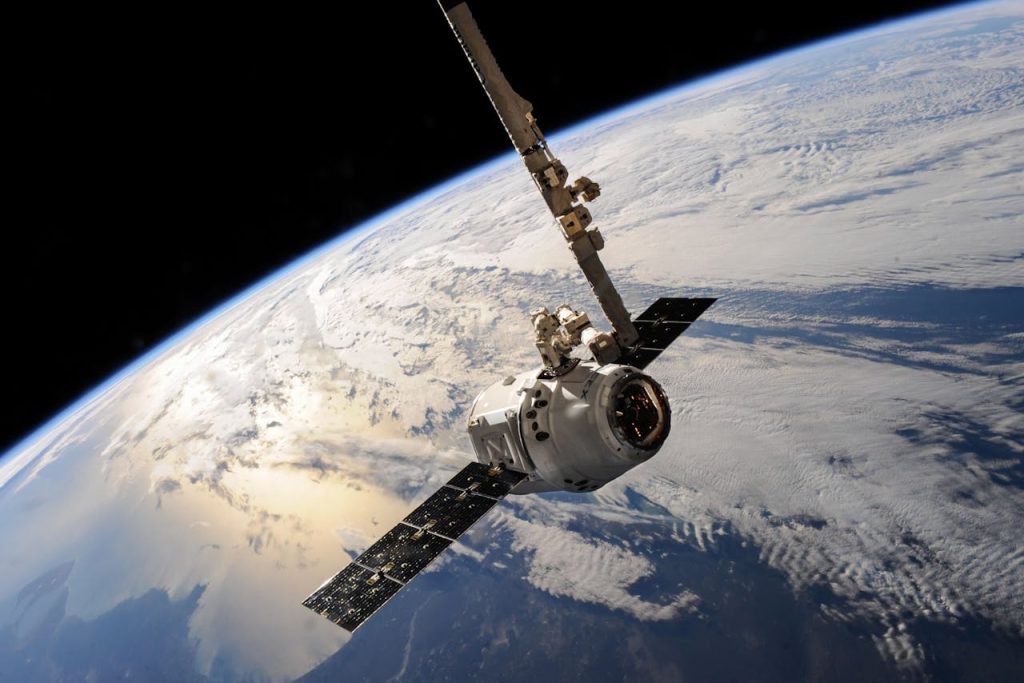
People often picture space as an instant freezer, but vacuum is a poor thief of heat. With no air, the body cannot lose warmth by convection, and most heat escapes by radiation, which is slower. It can feel hot and cold.
Sunlight, though, is harsh because there is no atmosphere to soften it. A surface in direct Sun can warm fast, while nearby shade can plunge cold. In low Earth orbit, vehicles move from day to night about every 90 minutes, so swings can be rapid. What matters is exposure and material, not one universal temperature. Spacecraft rely on insulation, reflective layers, heaters, and radiators to stay stable.
Mercury Is the Hottest Planet Because It’s Closest
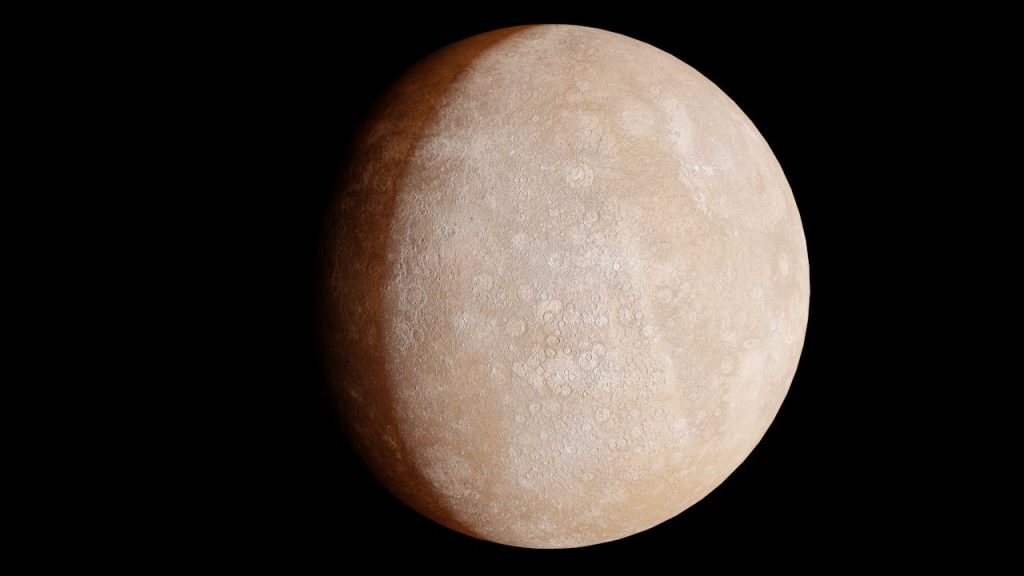
Mercury sits closest to the Sun, so it seems like an obvious winner for hottest planet. But closeness is only part of the story, and Mercury barely has an atmosphere to hold heat.
Its dayside can get scorching under direct sunlight, yet the nightside swings extremely cold because warmth escapes quickly. Venus, farther out, stays hotter overall because its thick carbon dioxide atmosphere traps heat efficiently, with clouds that help spread temperatures around the planet. Mercury is the planet of extremes. Venus is the planet that keeps the oven door shut. Venus averages 465°C at the surface. Mercury cannot keep heat without air.
Seasons Happen Because Earth Moves Closer to the Sun
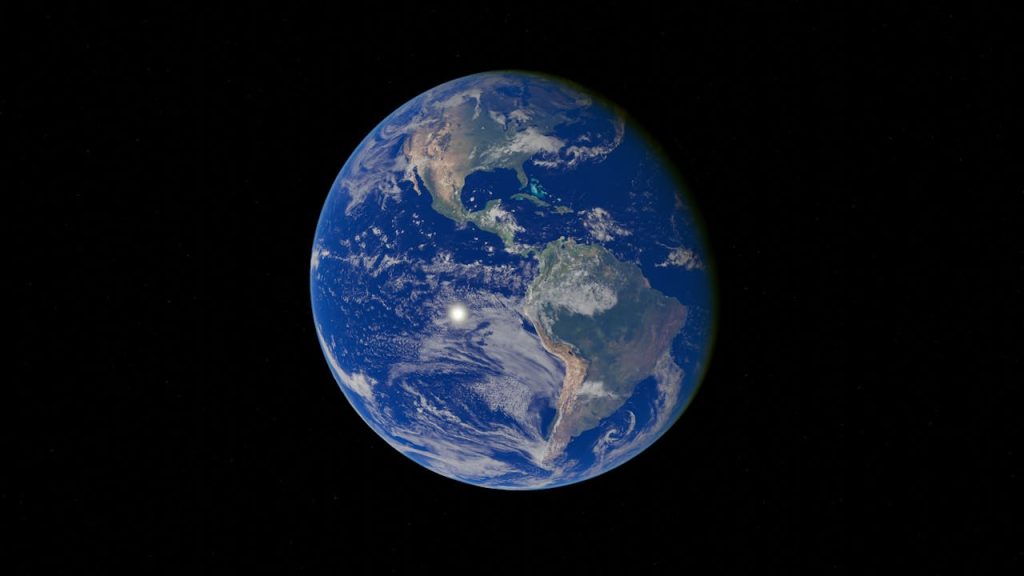
It sounds intuitive that summer happens when Earth is closer to the Sun, and winter when it is farther away. The catch is that Earth’s orbit is only slightly oval, so the distance change is small.
Seasons come from tilt. Earth’s axis leans about 23.5°, changing the angle of sunlight and the length of daylight in each hemisphere through the year. Steeper sunlight delivers more energy, and longer days add heating time. That is why July is summer in the Northern Hemisphere while Australia is in winter, even though Earth is closest to the Sun in early Jan. Distance matters for small effects. Tilt sets the calendar. Most years.
Shooting Stars Are Stars Falling to Earth
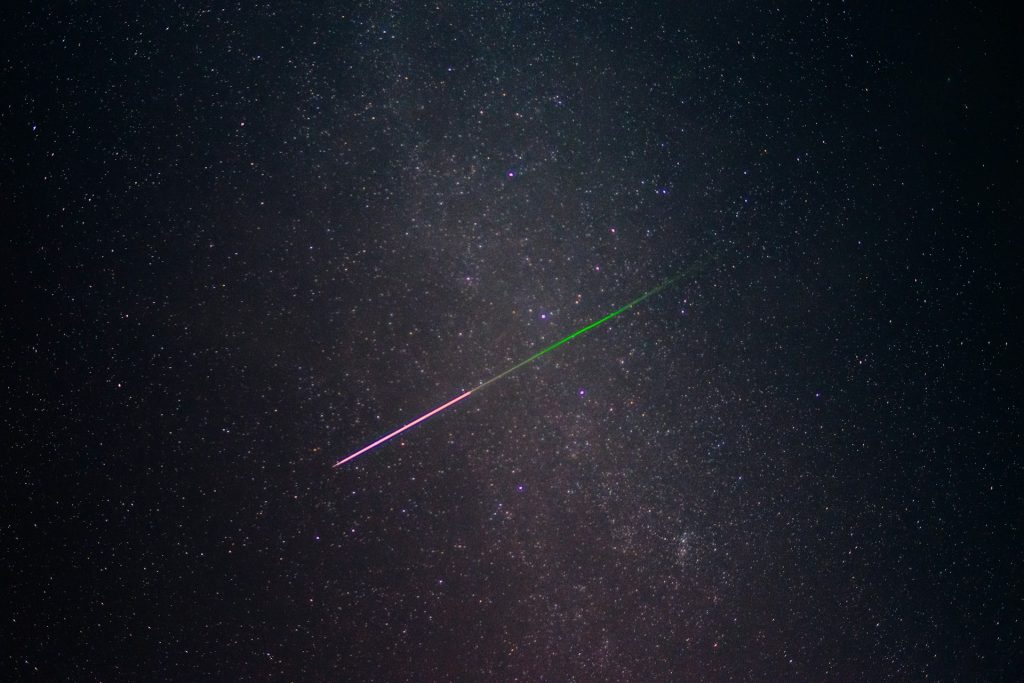
A shooting star is not a star falling out of the sky. The streak is a meteor, made when a small bit of rock or dust slams into Earth’s upper atmosphere at high speed.
Friction is not the whole story. The air in front of the particle compresses and heats up, making the air glow and sometimes vaporizing the particle itself. Most meteors are sand-grain to pebble size, which is why the show can be bright while nothing reaches the ground. If a piece survives and lands, it becomes a meteorite. The name changes, not the object’s origin. Meteor showers happen when Earth crosses comet debris, so peak nights repeat each year, often.
Black Holes Suck Up Everything Nearby
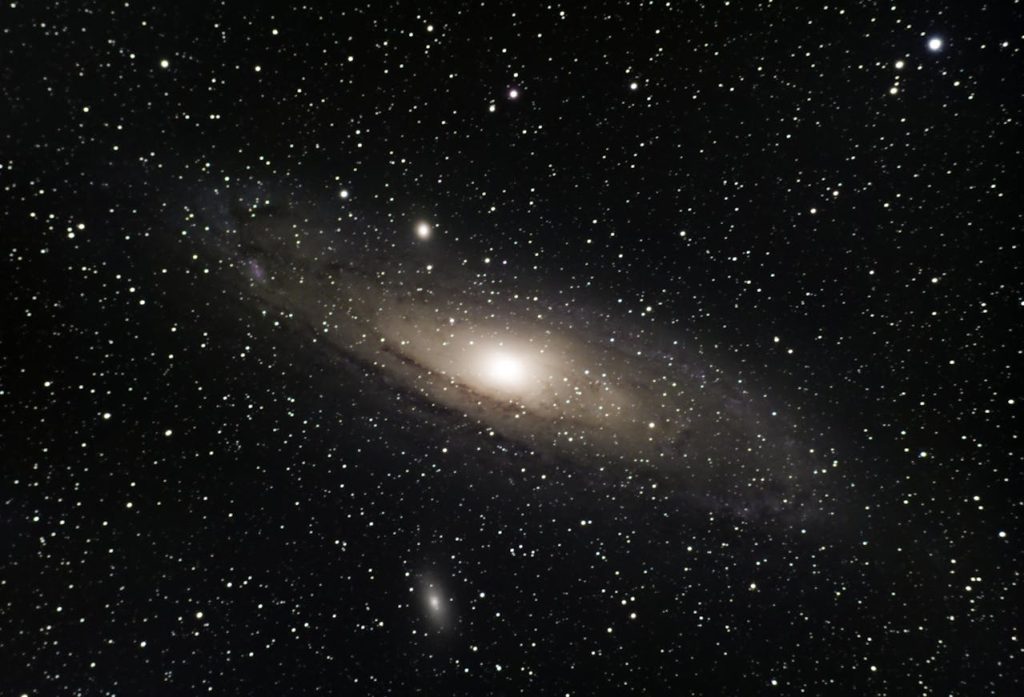
Black holes are not roaming cosmic vacuums that swallow everything like a drain. From far away, their gravity behaves like any other object with the same mass.
If the Sun were replaced by a black hole of equal mass, Earth would keep orbiting in almost the same way. The danger begins only when something gets very close. Near the event horizon, tides can stretch objects, and gas can heat up in a bright accretion disk before crossing the point of no return. Black holes are extreme, but they do not hunt. They wait, and physics does the sorting. Most matter stays safe because it keeps moving sideways; direct falls are rare.
The Asteroid Belt Is a Crowded Rock Maze
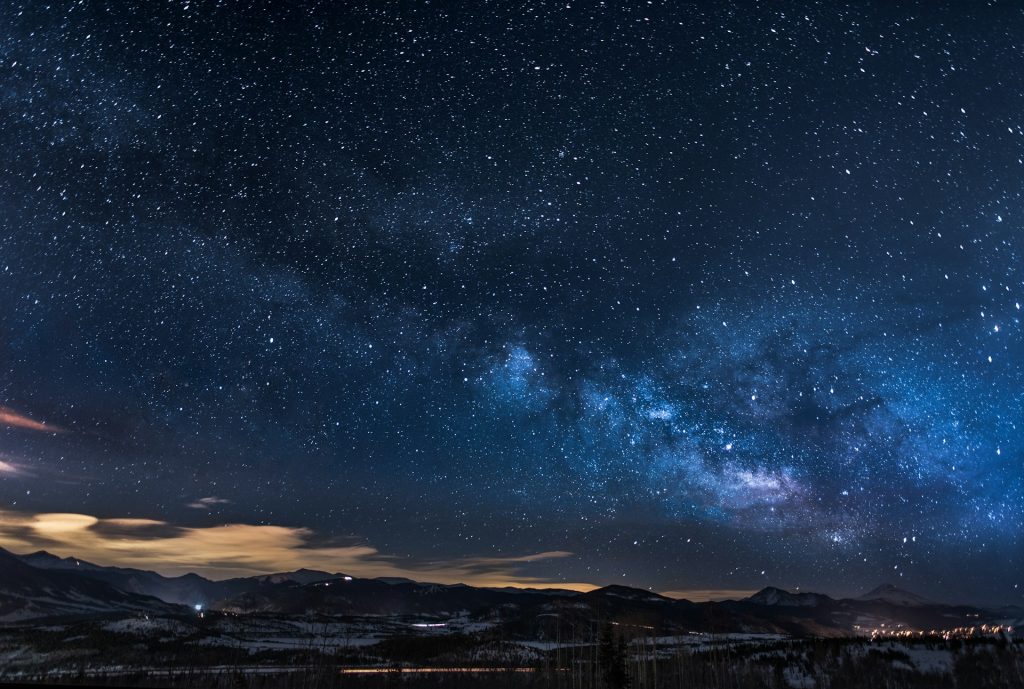
Movies show the asteroid belt as a packed minefield, but the real belt is mostly empty space. Even though it holds millions of objects, they are spread across a region hundreds of millions of miles wide.
On average, the gap between sizable asteroids is enormous, often measured in hundreds of thousands to millions of kilometers. Spacecraft do not weave through boulders; they navigate with careful trajectories and plenty of room. The belt is dangerous only in the same way any orbit can be: small impacts are possible, and dust can matter for instruments. The drama comes from camera framing, not density. Between Mars and Jupiter.
The Sun Is Yellow
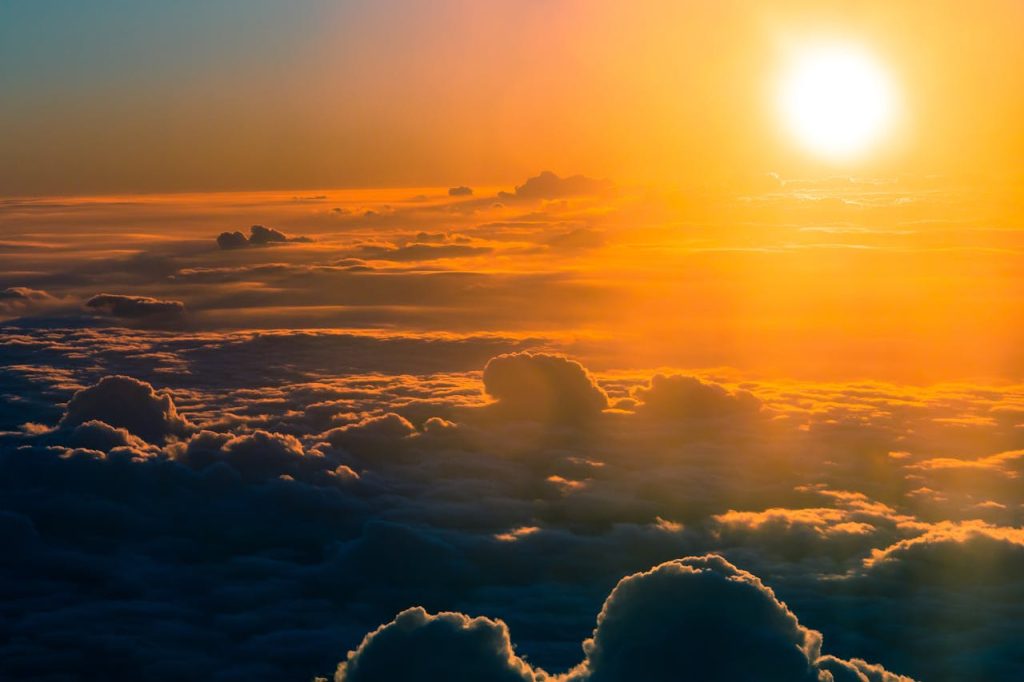
Many people grow up coloring the Sun yellow, and photos of sunsets reinforce it. In reality, sunlight contains a wide spread of wavelengths that add up close to white.
Earth’s atmosphere changes the palette. Air scatters shorter blue wavelengths more strongly, so the direct Sun looks warmer, especially when it is low and the light travels through more air. Outside the thickest atmosphere, the Sun appears whiter, and the sky turns dark. Calling the Sun yellow is not a moral failure. It is a reminder that humans see space through a filter, and that filter is literally air. At 5,800 K, the Sun is a warm white, not a lemon lamp.