

Plant spacing sounds like a minor detail until a bed turns into a damp thicket, leaves stay wet past noon, and stems lean toward the nearest gap of sun. Crowding changes the garden’s microclimate, trapping humidity, slowing airflow, and letting fungal spores hop from plant to plant.
Good spacing is not about rigid rules. It is about light reaching lower leaves, roots expanding without constant stress, and gardeners being able to water, weed, and spot early trouble. When plants have breathing room, growth stays stocky all season, flavor improves, and disease pressure drops long before sprays or panic enter the picture.
Trusting One-Size-Fits-All Packet Spacing

A common trap is treating a seed packet’s spacing as universal truth. Varieties within the same crop can finish at very different sizes, and transplants often grow fuller than the packet photo suggests. Determinate tomatoes, vining tomatoes, loose-leaf lettuce, and heading lettuce all behave differently. Labels are guides, not guarantees.
When spacing is set for the smallest version, canopies knit together early, lower leaves lose light, and dew hangs on longer in summer. Stems stretch, fruit set can slip, and air movement drops to a whisper. That quiet humidity is exactly what leaf spot, mildew, and rot organisms look for.
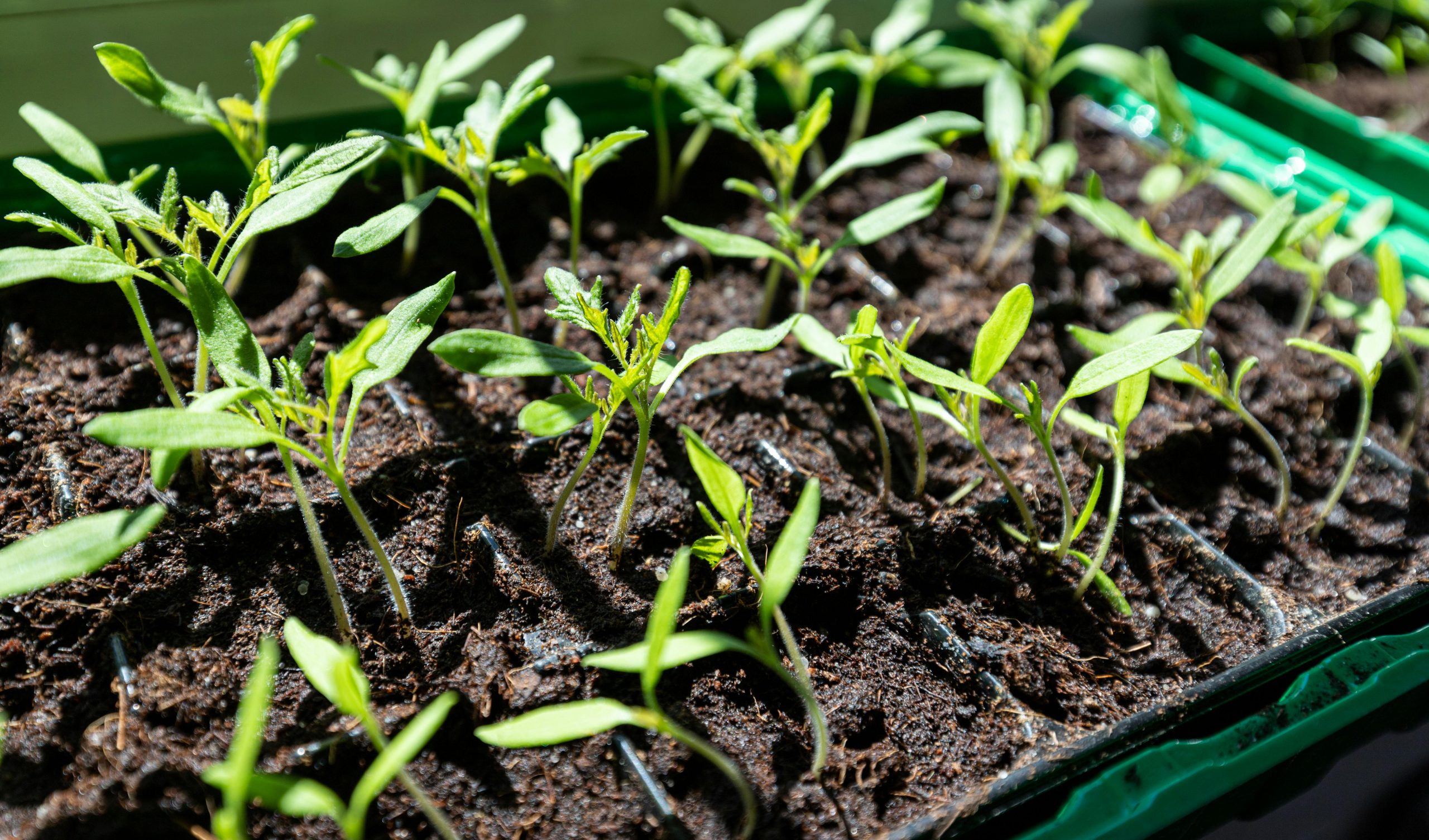
Refusing to Thin Seedlings Early

Skipping thinning feels kind, but it turns a seedling patch into a competitive scrum. Crowded sprouts race upward, trading sturdy stems for speed, and roots tangle until water and nutrients become a daily argument. Thinning late is harder, and it disturbs neighbors.
As plants enlarge, inner leaves get little sun and stay softer, which invites damping-off leftovers, gray mold, and other moisture-driven issues. Even when disease does not show, harvest quality drops because stressed plants size down.
A clean thin early leaves the strongest seedlings with space to branch, dry quickly after rain, and build real structure.
Eliminating Access Gaps and Air Corridors
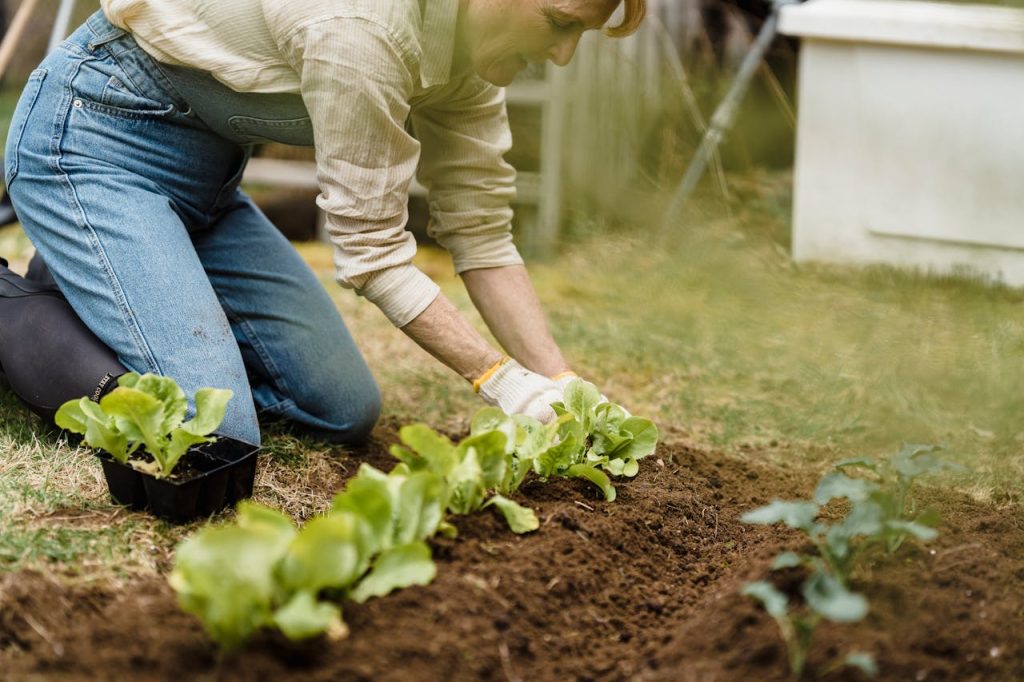
Beds packed edge to edge can look lush, yet they often fail in slow motion. Without small gaps for hands and tools, gardeners brush every plant while weeding or harvesting, and wet foliage gets smeared from one stem to the next. Reaching in for a quick prune becomes awkward, so crowded leaves stay.
Those constant touches matter most when leaves are damp from morning dew or overhead watering. Pathogen spores and sap-loving pests move easily, and the interior of the bed stays shaded and slow to dry.
Leaving narrow access lanes or stepping-stone gaps reduces contact, boosts airflow, and makes problems visible early on.
Planting Flush Against Walls and Fences
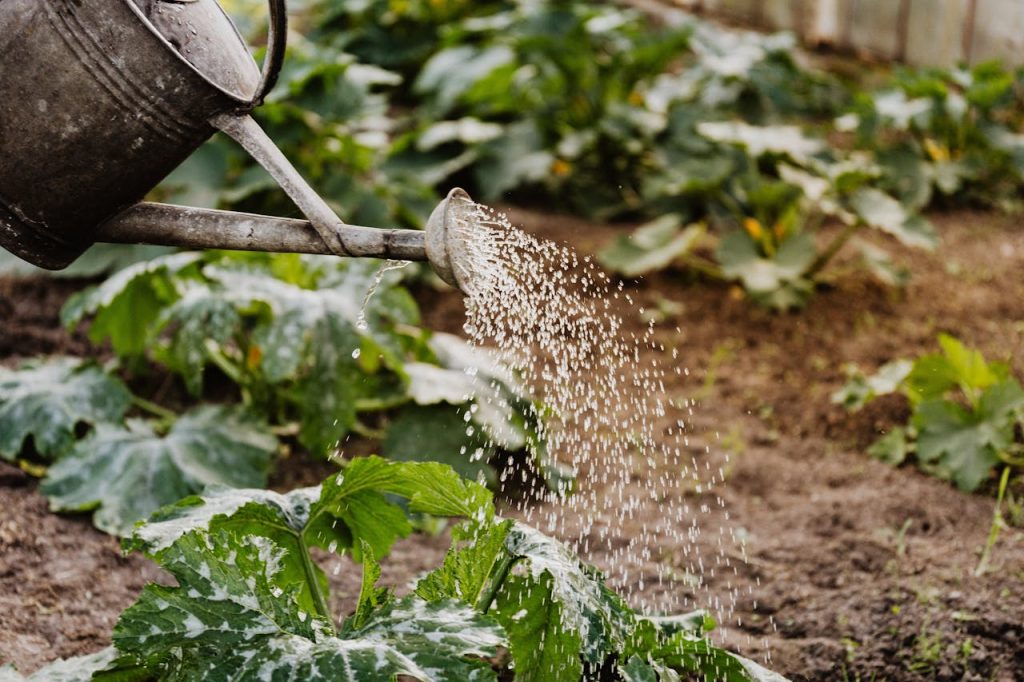
Plants squeezed against a fence, wall, or dense hedge lose the airflow that keeps leaf surfaces dry. The tight side becomes a hidden damp zone where slugs linger, mildew starts, and stems lean outward to chase light. Problems often start there, then creep across the bed.
Hard surfaces change temperature, too. Brick and metal can radiate heat after sunset, while shaded walls keep plants cool and wet for longer. Soil near foundations is often compacted, so roots stay shallow and stressed.
A buffer strip, even if it is only a small gap, lets air circulate and makes pruning and scouting easier. It helps watering hit soil, not leaves.
Overstuffing Companion Plantings
Interplanting can be smart, but stacking too many fast growers into one patch backfires. When sprawling squash runs under peppers, or basil is wedged under tomatoes with no room, the lower canopy stays shaded and tender. It looks lush, but air goes still.
Shaded leaves photosynthesize less and hold more moisture, so minor splashes turn into lingering wetness. The interior becomes a sheltered corridor for aphids, whiteflies, and fungal leaf spots. Harvesting turns into a wrestling match, and torn leaves invite more trouble.
Spacing by mature leaf spread, not just stem width, keeps companion planting helpful instead of suffocating.
Crowding Beds Under Overhead Watering
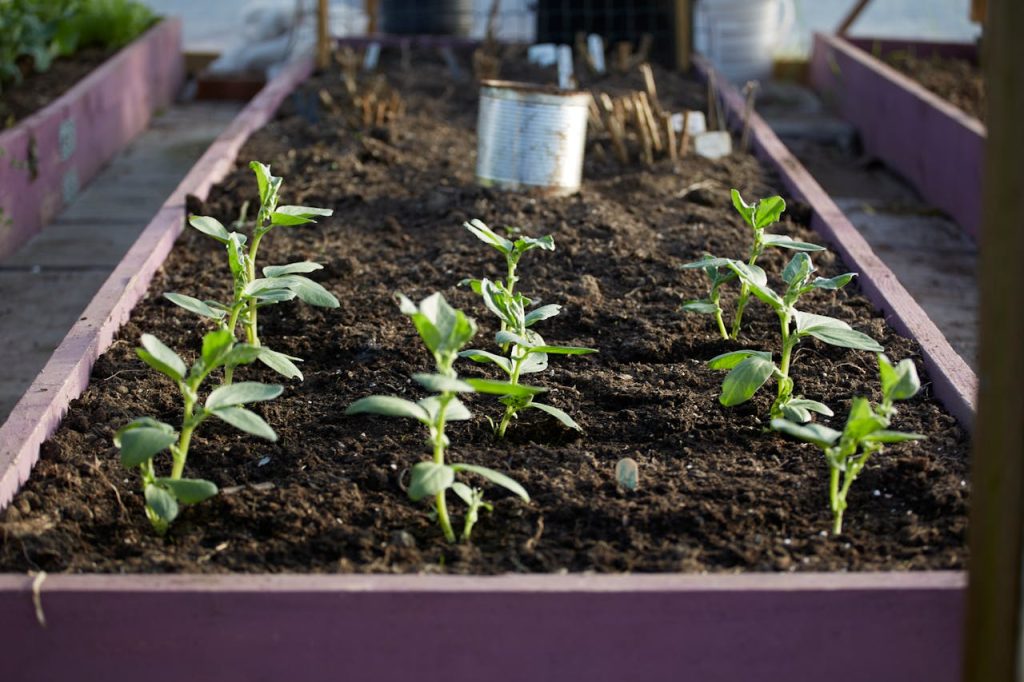
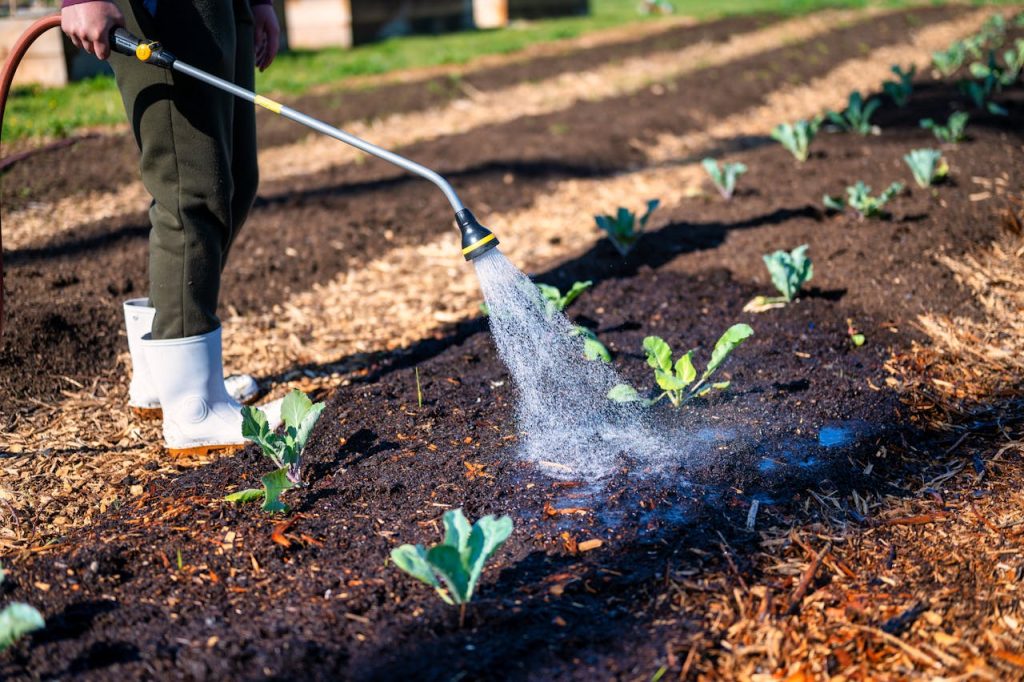
Spacing plans often ignore watering style. When plants are set for maximum density and then watered from above, leaf surfaces stay wet much longer because air cannot move through the canopy. A short shower at 7 a.m. can still cling at 1 p.m. in a crowded bed.
That extra wet time is a gift to blights, downy mildew, and bacterial spots. Powdery mildew likes dry leaves, yet it still thrives when shade keeps growth soft. Dense foliage also blocks water from reaching soil evenly, so some roots sit dry while others stay soggy.
Wider spacing, drip lines, or deliberate pruning keeps moisture where it belongs, in the root zone.
Clustering Containers Until Leaves Touch
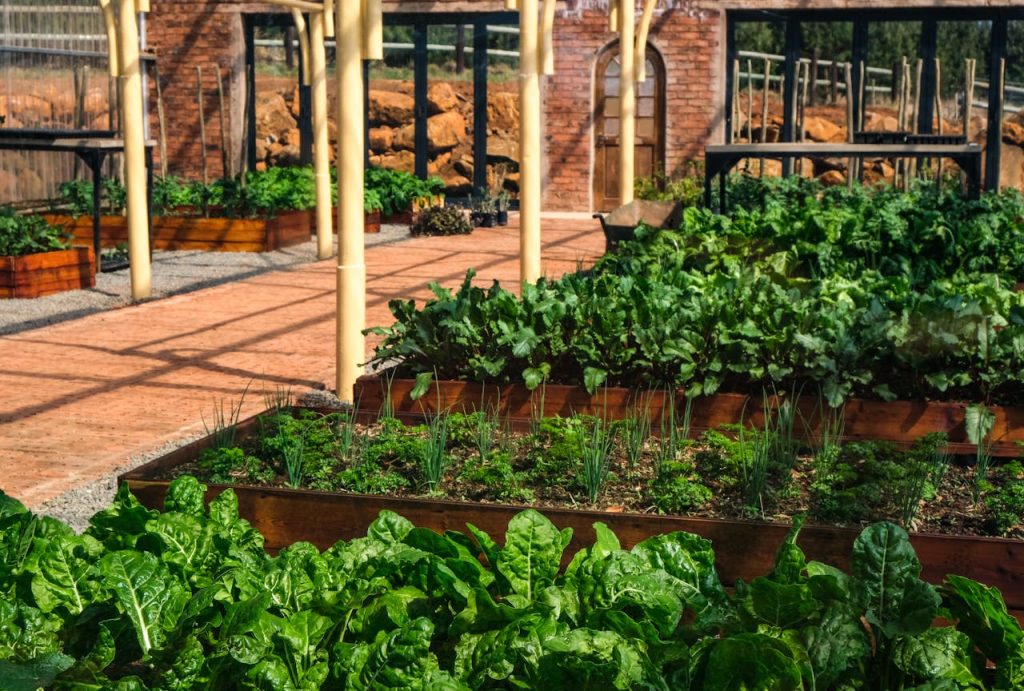
Container gardens have their own spacing blind spot: pots are arranged like tiles. When foliage from neighboring containers touches, the whole patio behaves like one crowded bed, especially after rain or evening watering. Leaves rub, and damaged edges brown faster.
Airflow drops between pots, and shaded pockets become breeding ground for leaf spot, botrytis, and fungus gnats. Tight clusters also hide pests, so infestations build before anyone notices. Plants compete for light, so stems stretch and flowering slows.
Giving each container a small gap, and rotating positions, helps leaves dry quickly and keeps growth more balanced.
Spacing Vining Crops Without Supports

Many crops can be spaced tighter only when they are trained upward. Planting tomatoes, cucumbers, peas, or pole beans as if they will stand neatly on their own invites tangled vines. Once growth flops, airflow disappears and sunlight cannot reach lower leaves.
The resulting leaf mat stays wet, fruit rests on soil, and pruning becomes hard to do without tearing. Powdery mildew, blight, and fruit rots gain traction, and missed harvests become common because produce hides in the tangle.
Planning supports first, then spacing to match the trellis footprint, keeps vertical crops clean. Yield stays steadier, and picking is quicker.
Planting Perennials for Day-One Looks
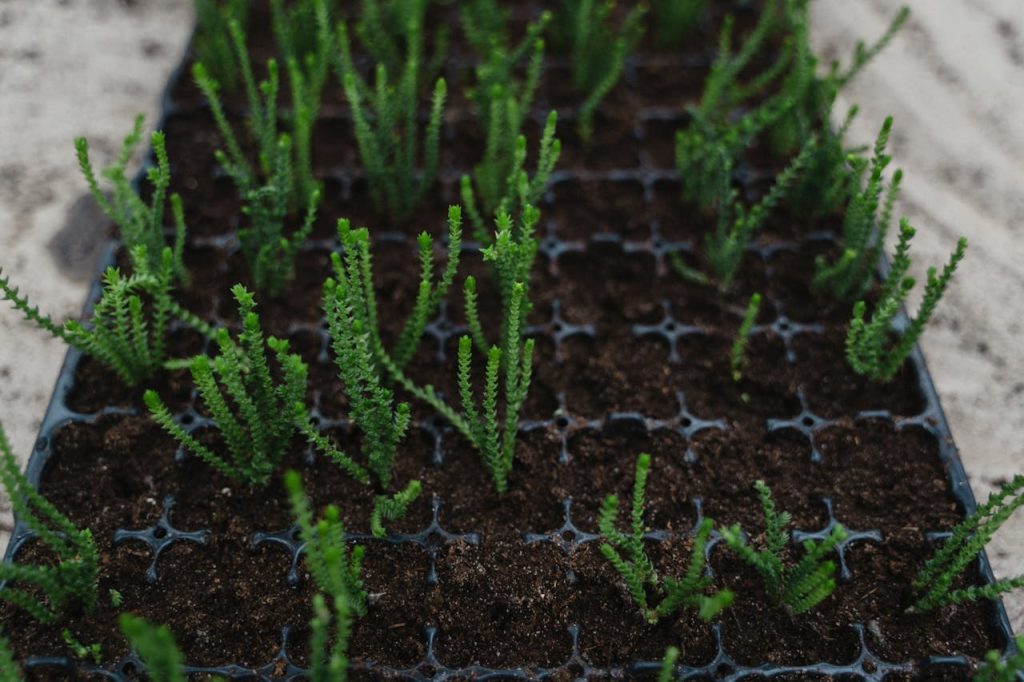
Perennials and shrubs are often planted for how they look on planting day, not for the spread they reach in two or three seasons. A tight row of hydrangeas or roses can seem tidy, yet it quickly turns into a single, dense mass.
When branches overlap, airflow inside the plant drops and leaf surfaces stay humid. Fallen leaves get trapped, so spores can linger into the next cycle. Gardeners respond with heavy pruning, which opens cuts and triggers a flush of soft, disease-prone growth. Flowering can also decline as light fades.
Spacing for mature width, and accepting a little bare mulch early, prevents years of constant trouble.