

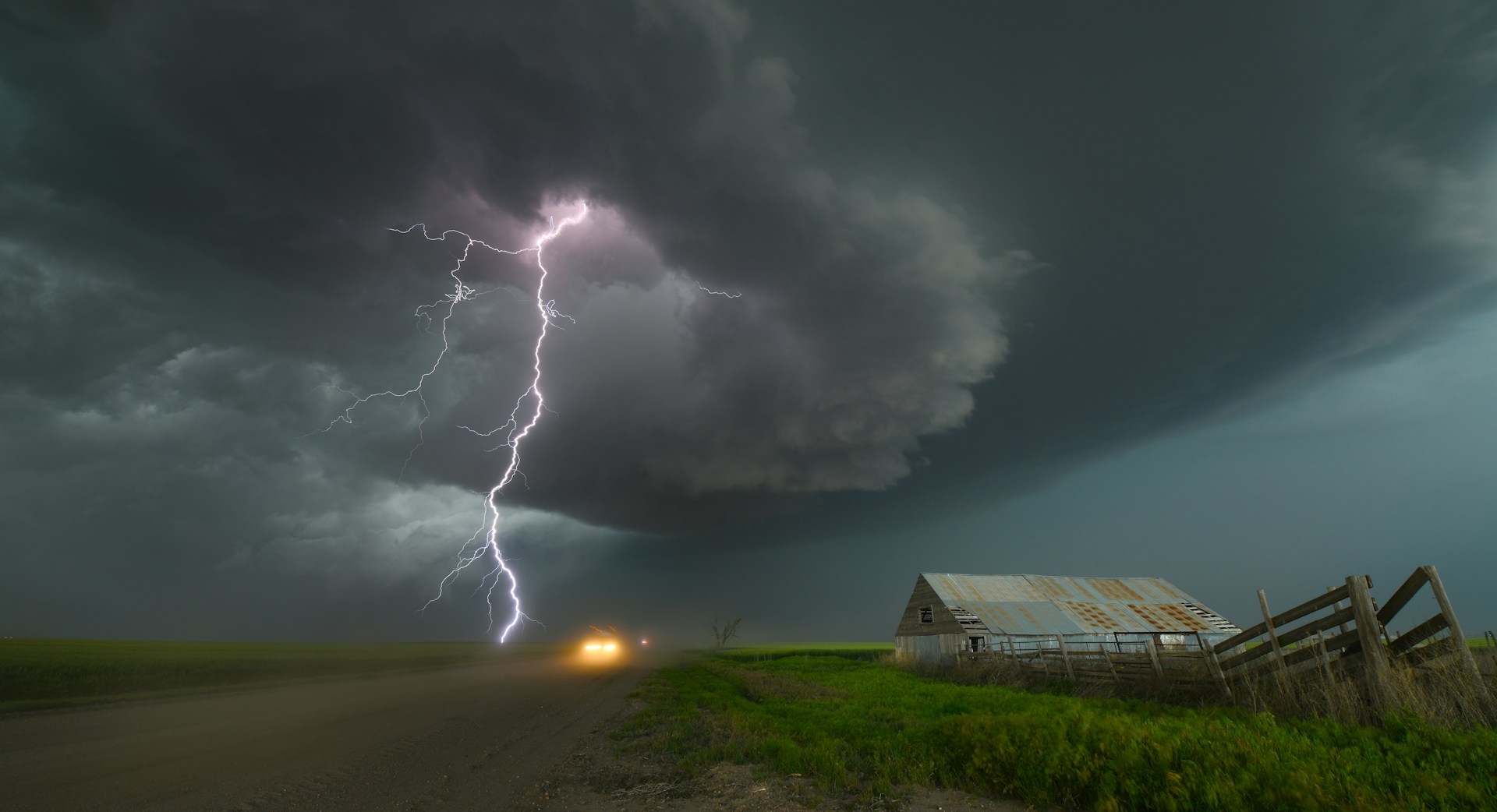
Storm folklore has a way of sounding calm, sensible, and familiar, which is exactly why it lingers. A coach says the field still looks clear. A neighbor points to a tree. Someone in the car mentions rubber tires, and everybody relaxes a little too soon. Lightning does not care how often a myth has been repeated or how reasonable it sounds in the moment. It follows physics, not family wisdom. Most bad outcomes begin with a small delay, a half measure, or a false sense of cover. The safest choices are usually simple, quick, and a little inconvenient, which is precisely what makes them easy to ignore until it is too late.
Lightning Never Strikes the Same Place Twice
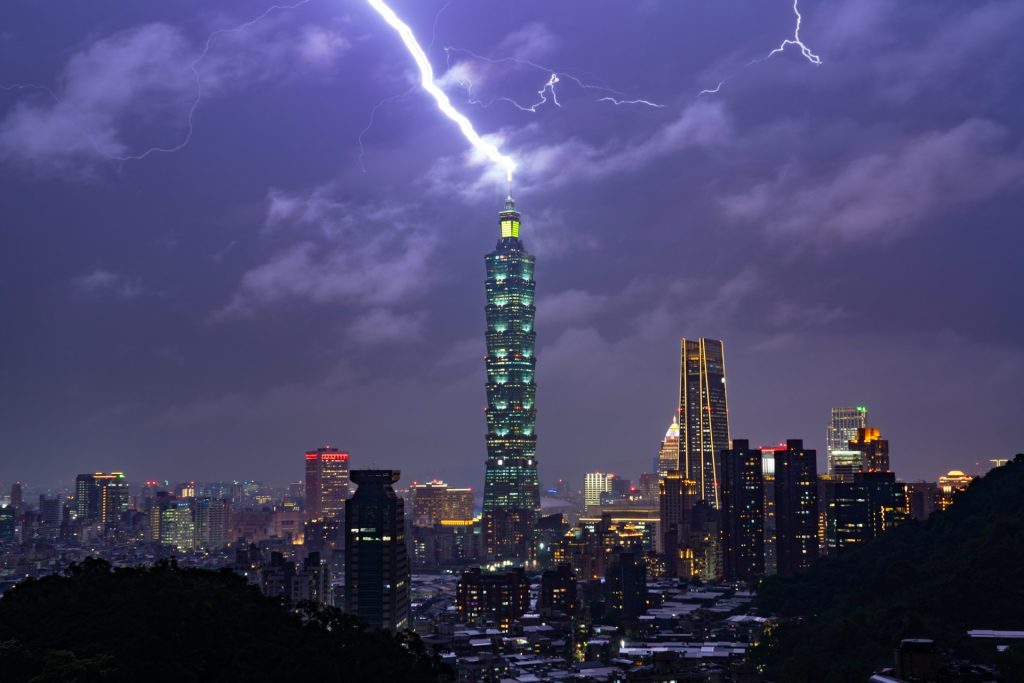
People still repeat that lightning never strikes the same place twice, as if one hit somehow uses up the chance of another. In reality, the same tall object can be struck again and again in the same storm or across many storms. Broadcast towers prove that point every year.
That myth creates a false pause. After a strike, people linger near a tower, tree, pole, or rooftop because they assume the danger has moved on. It has not. A recent strike is proof that the area is active, not protected. The smart move is to leave exposed ground and get inside a substantial building or a hard topped vehicle as soon as thunder is heard.
Only the Tallest Object Is in Danger
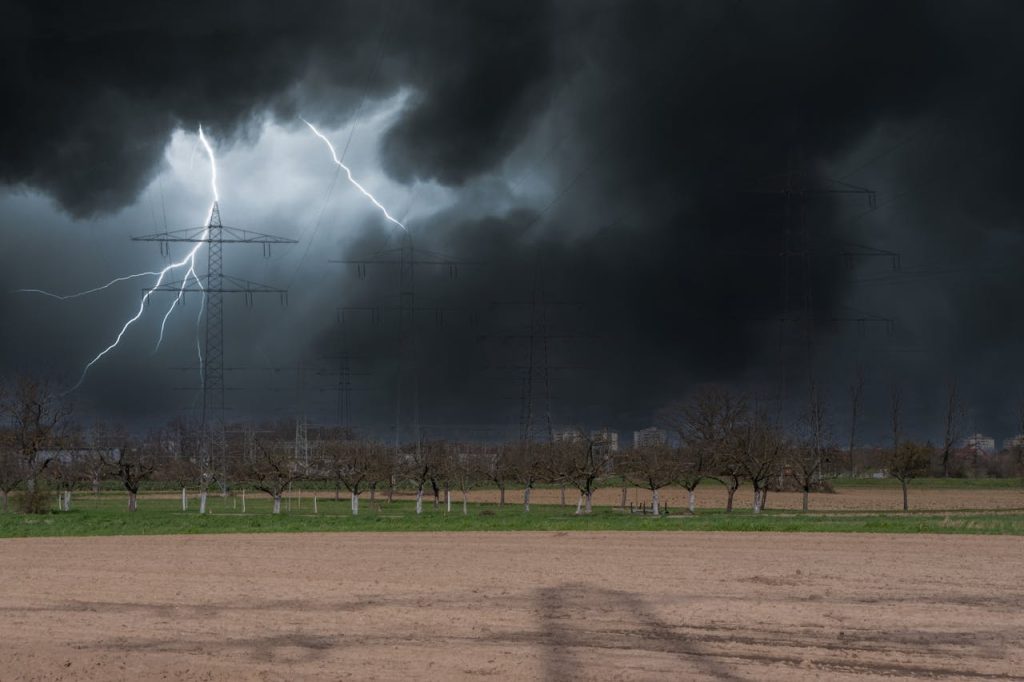
Lightning often reaches the tallest object nearby, but that does not mean everything shorter is suddenly safe. Open fields, beaches, parking lots, and ridge lines can all become dangerous when a storm moves close enough, even if a taller tree or pole is nearby. Height matters, but it does not erase risk.
The myth matters because it encourages comparison instead of action. People look around, decide something else is higher, and stay put. That is the wrong calculation. Once thunder is audible, the real question is not what stands tallest. It is whether there is proper shelter close enough to reach without waiting another minute.
No Rain Means No Real Threat
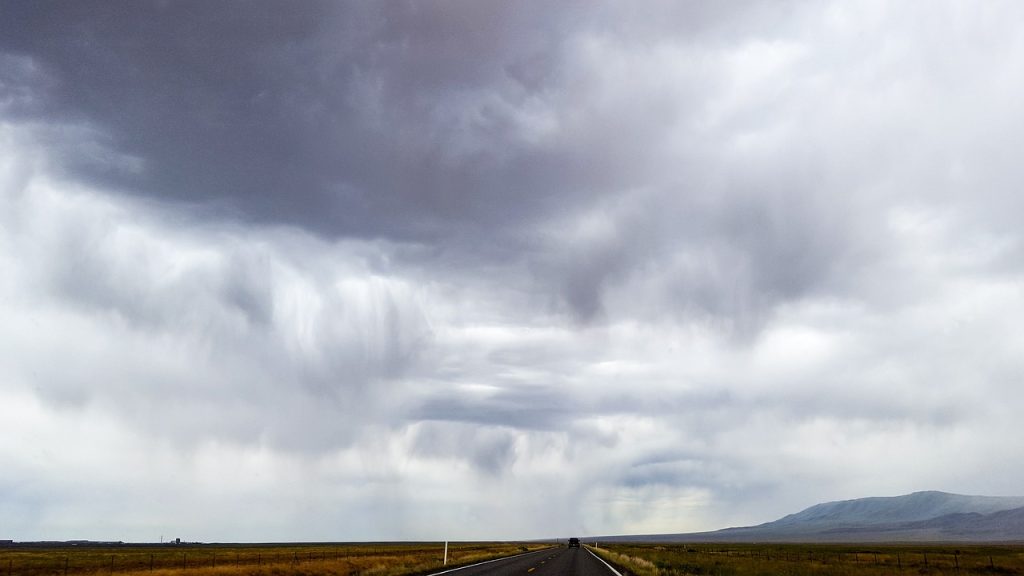
A lot of people still use rain as their signal to take lightning seriously. If the drops have not started yet, or if the shower seems to have eased, they assume the risk is still low. That is a costly misunderstanding, especially in open places where the storm edge can be deceptive and shifting fast.
Lightning can strike well away from the heaviest rain and even outside the darkest part of a storm. A patch of blue sky overhead does not cancel the danger. If thunder can be heard, the storm is close enough to demand a change of plan. Waiting for rain to prove the threat is real gives away the safest window to move indoors.
Heat Lightning Is Harmless
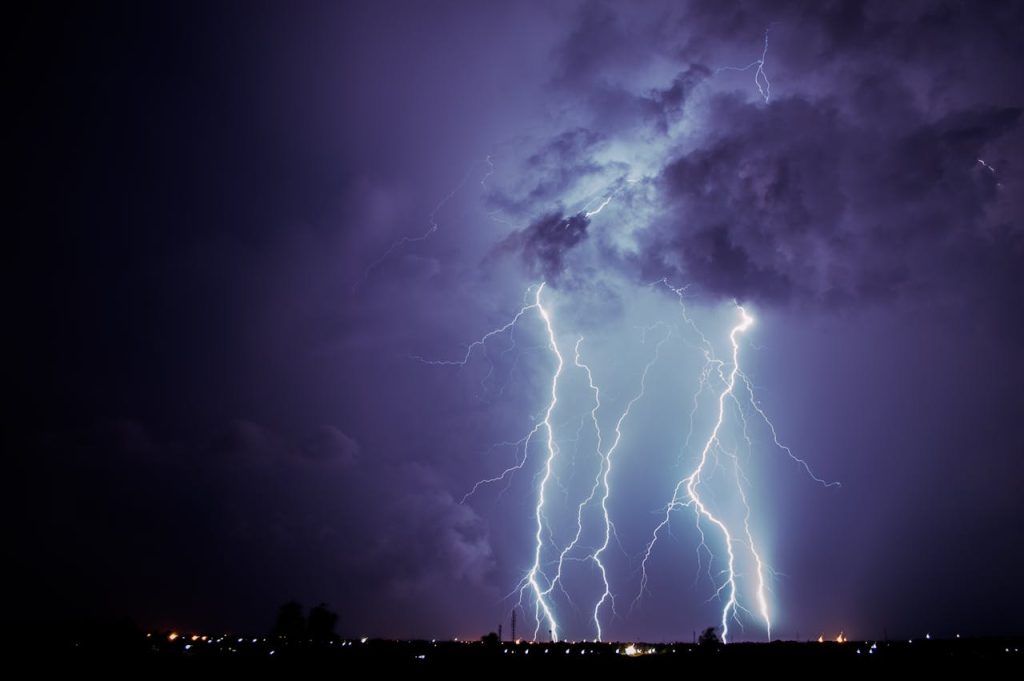
Heat lightning sounds harmless, almost decorative, like summer weather putting on a show in the distance. But it is not a special kind of safe lightning. It is simply lightning from a storm far enough away that thunder may be faint, delayed, or not heard at all from where people are standing.
That label makes people lazy at exactly the wrong time. They keep swimming, grilling, or sitting on bleachers because the flashes feel remote and disconnected. They are not. A distant storm can drift closer quickly, and visible lightning is already a reason to track conditions and start moving toward real shelter before the situation tightens.
A Tree Is Better Than Open Ground
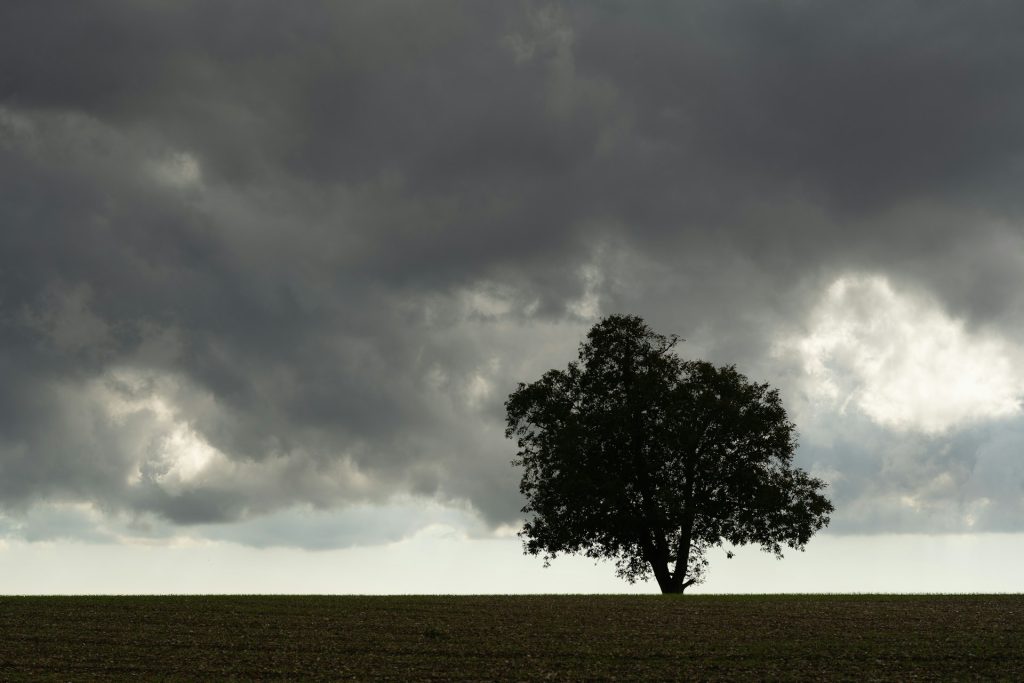
When rain starts and the wind picks up, a lone tree can look like relief. It breaks the downpour, offers shade, and feels better than standing in the open. But isolated trees are among the worst places to wait out a thunderstorm, even when the instinct to crowd under one feels natural.
Lightning often seeks tall, solitary objects, and the current can move through the tree, jump through the air, or spread through the ground nearby. That means standing under the branches is not partial protection. It is exposure dressed up as cover. Getting wet on the way to a safer place is inconvenient. Staying under a tree is a serious mistake.
A Dugout or Gazebo Counts As Shelter

A dugout, gazebo, picnic shelter, porch, or open sided pavilion feels sturdy enough to count as shelter, especially when a storm arrives fast. The roof makes people feel protected, and that feeling is exactly what makes these places so risky when a bolt lands nearby.
Lightning safety depends on enclosure, not just overhead cover. A safe shelter is a substantial building with wiring or plumbing, or a hard topped vehicle with the windows up. Open structures do not block ground current or side flashes, and they do not create a protected path around the body. They keep off rain. They do not reliably keep off lightning at all.
Cars Are Safe Because of Rubber Tires
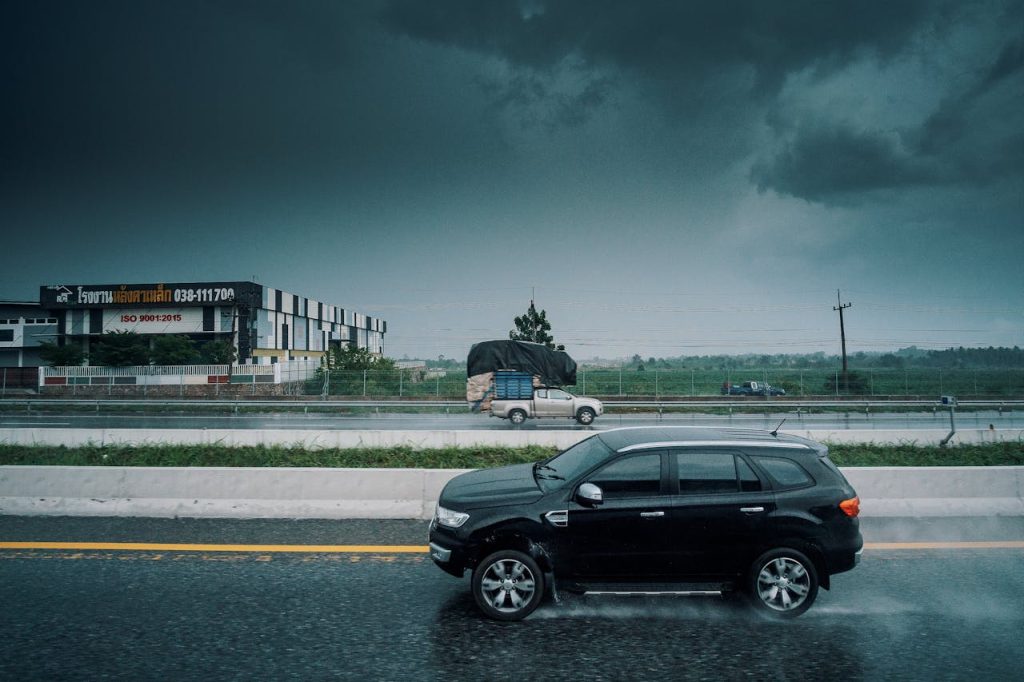
Cars are safer than open ground during lightning, but not because rubber tires block electricity. That explanation has been repeated so often that many people think any vehicle will do, from a golf cart to a tractor to a convertible with the top pulled tight. That is where the myth turns sloppy and misleading.
The real protection comes from the metal frame of a hard topped enclosed vehicle, which helps route current around the outside. That is why windows should stay up and contact with metal parts should be limited. The tire story hides the real rule. A car works because of its structure, not because it rolls on rubber.
The Lightning Crouch Solves the Problem

The lightning crouch still survives in public memory like a clever trick that can solve a bad situation outdoors. It cannot. Once a storm is close enough for thunder, there is no truly safe place outside, and posture is not a substitute for proper shelter. That matters more than camping lore.
At best, crouching has been described as a desperate last resort when no building or enclosed vehicle can be reached. It was never meant to be a plan people choose instead of leaving early. The danger of the myth is delay. It persuades people to bargain with exposure instead of moving fast while they still have a clean chance to get inside.
Lying Flat Makes Outdoor Exposure Safer

Lying flat on the ground sounds logical to anyone trying not to be the tallest thing around. The problem is that lightning does not only injure through a direct strike. Current can spread across the ground from a nearby hit, and a body stretched out gives that current more contact area than people realize.
This is why flattening out on a field, trail, or beach is not a smart protective move. It can increase exposure rather than reduce it. In a storm, the goal is not to melt into the landscape. It is to minimize time outside and reach real shelter quickly, before panic pushes people toward instincts that feel right but are not.
Indoors Means Everything Is Fine

Getting indoors is the right decision, but indoors is not the same as carefree. Lightning can move through wiring, plumbing, and other connected systems, which is why some indoor habits still carry unnecessary risk while a storm is active. A roof matters, but behavior does too.
That means showers, baths, sink use, corded electronics, and leaning on concrete walls or floors are worth avoiding until the storm has passed. Even windows are better given some space during active weather. A house or large building is still the best option. The mistake is assuming that once the door closes, every indoor activity becomes equally safe.
A Strike Victim Should Not Be Touched
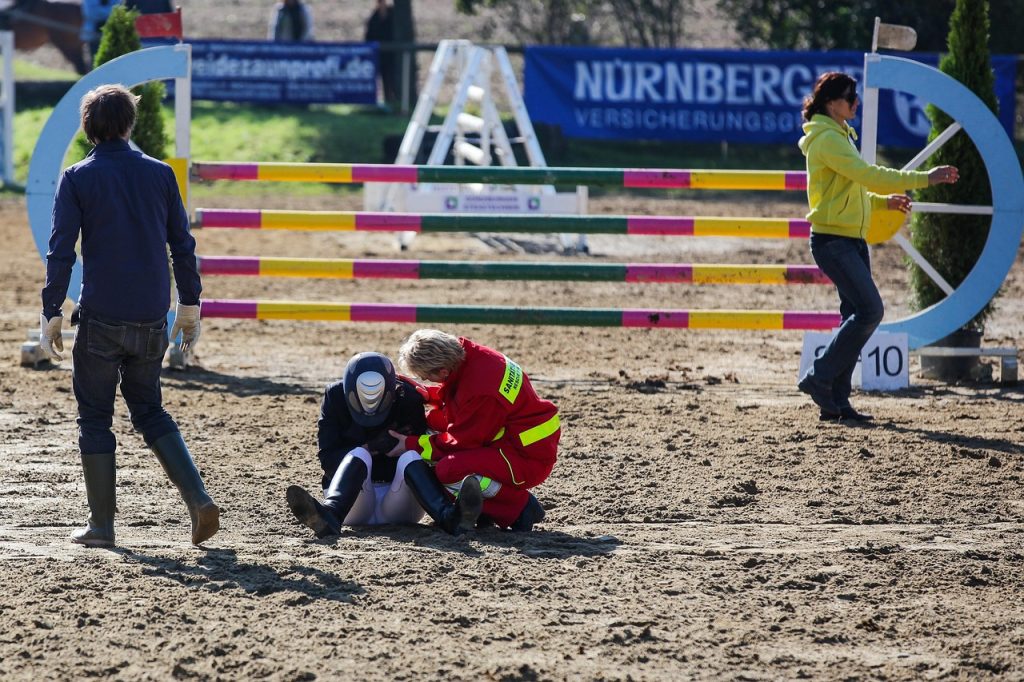
One of the most damaging myths says a person struck by lightning remains charged and should not be touched. That fear can freeze a crowd when speed matters most. In reality, the body does not store an electrical charge after the strike in a way that makes contact dangerous to a rescuer.
A person who has been struck may need urgent help with breathing, heart rhythm, burns, or injuries from a fall. If the scene is as safe as it can be, emergency services should be called, and CPR or an AED should be used if needed. Hesitation helps no one. Clear thinking does. In many cases, immediate aid is what gives recovery a real chance.