

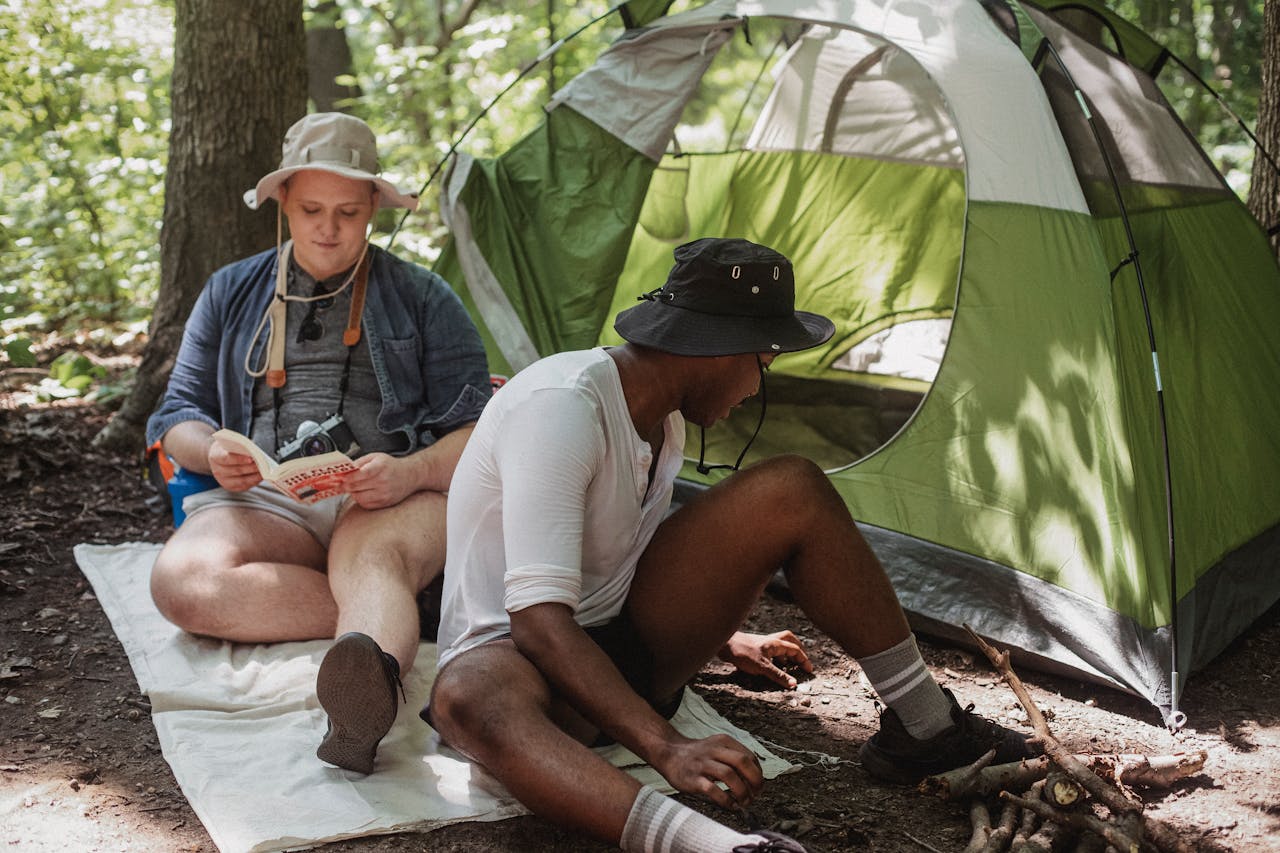
A campsite can feel far from trouble, yet hitchhikers keep moving. Seeds, spores, eggs, and tiny larvae travel in the same places people do: boot treads, wet gear, and a bag of soil tossed in the trunk. A single weekend can carry a weed to a trailhead, a mussel to a new lake, or a garden pest into fresh beds. The pattern is simple. A stowaway lands in disturbed ground, finds water and sun, and starts multiplying. Most rides are preventable, because the common pathways are predictable and easy to interrupt between trips. What makes invasives win is timing. They arrive early, settle fast, and let convenience do the driving.
Firewood From Farther Away Than It Seems
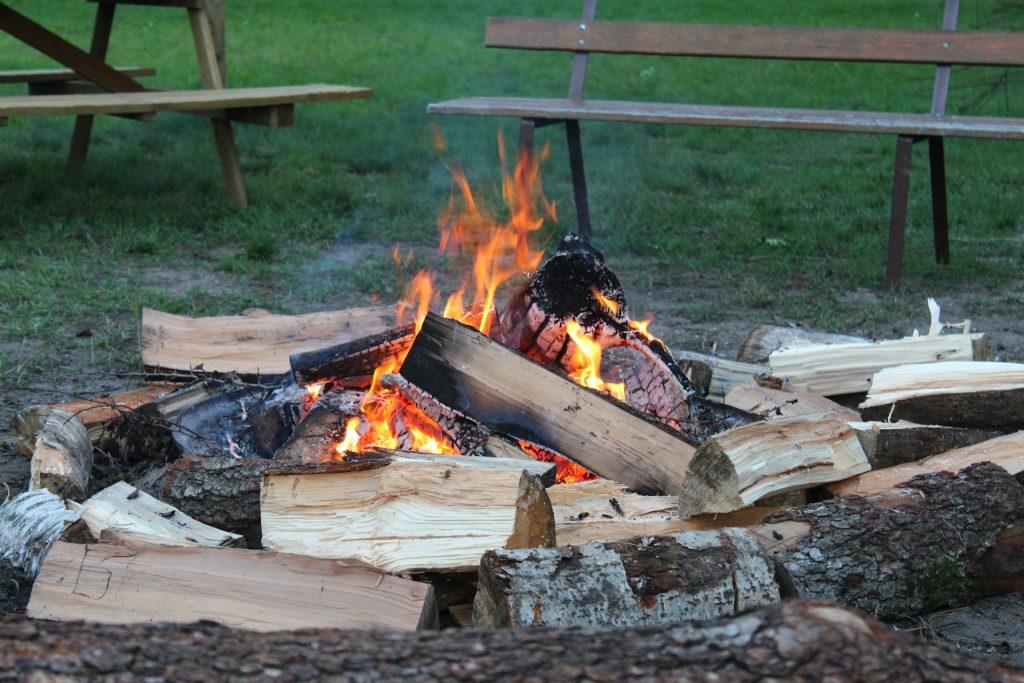
Firewood looks clean on the outside, yet pests and tree diseases often ride under bark or deep in sapwood. Wood boring insects, their eggs, and fungal spores can survive for months, even when the original tree seemed fine. A stack in the truck bed can carry the problem farther than a season of wind.
When bundles are hauled from home, a cabin, or a roadside stand to a campground, the spread leapfrogs natural barriers. Storing wood off the ground helps it dry, but dryness does not guarantee safety. The habit that works is simple: buy local or certified heat treated wood, burn each piece on site, and never take leftovers back home.
Mud On Boots, Poles, And Tent Stakes
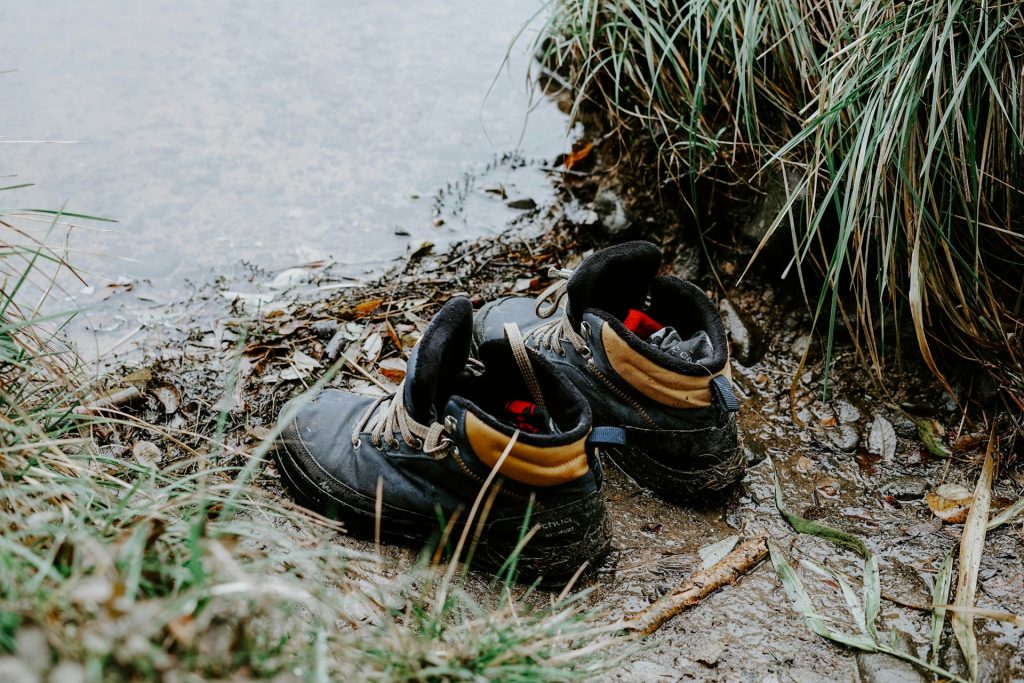
Trail mud is a sticky courier for weed seeds, plant fragments, insect eggs, and soil borne diseases. Boot treads, laces, and gaiters hold grit in places a quick rinse misses. Even a thumbnail sized clod can contain dozens of seeds waiting for spring rain.
Trekking poles, tent stakes, guy lines, ground cloths, and pet paws can pick up material at one trail and drop it at the next pullout or backyard bed. Cleaning works best before the mud dries into concrete between camps. A stiff brush at the trailhead, then a rinse that clears seams and tread edges, and a full dry out in sun and airflow, breaks the chain without drama.
Boats, Waders, And Hidden Water
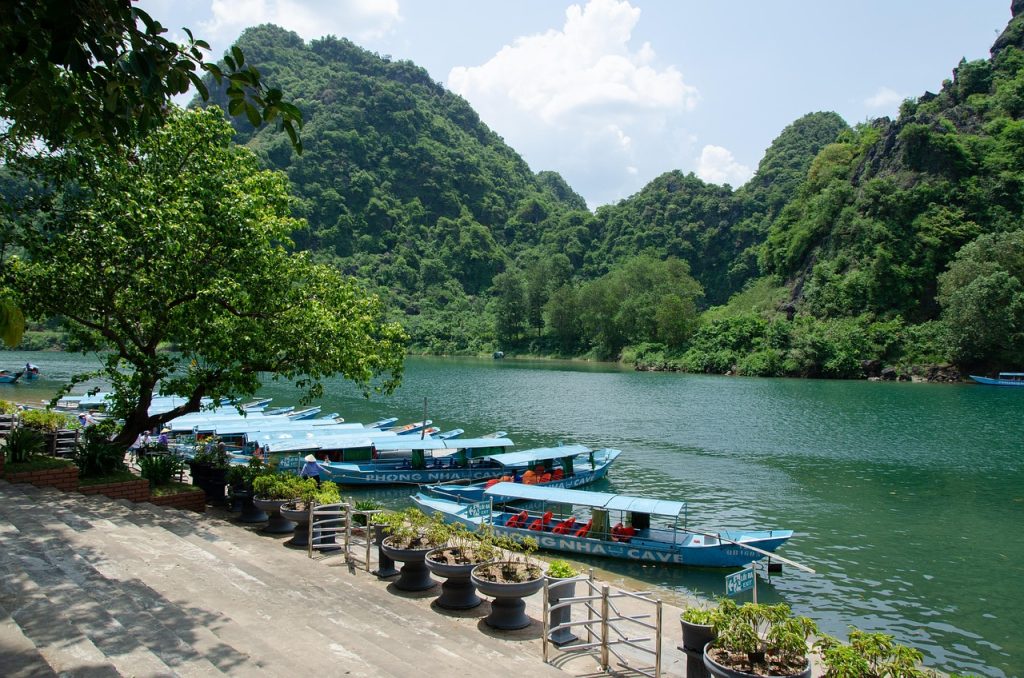
Aquatic invaders thrive on damp corners that never get checked. A bilge, livewell, bait bucket, kayak scupper, or folded life jacket can hold water long after the trailer leaves the ramp. Moisture trapped in foam, carpet, or rope can protect organisms through a long drive.
Plants can cling as small strands, and mussels can ride as tiny juveniles that feel like grit. Microscopic life also moves in a few cups of leftover water, especially in hoses and pump lines. Removing every plant piece, draining every compartment, wiping gear, and giving boats and waders a dry out before the next launch blocks the easiest route between lakes.
Tires, Wheel Wells, And Trailer Corners
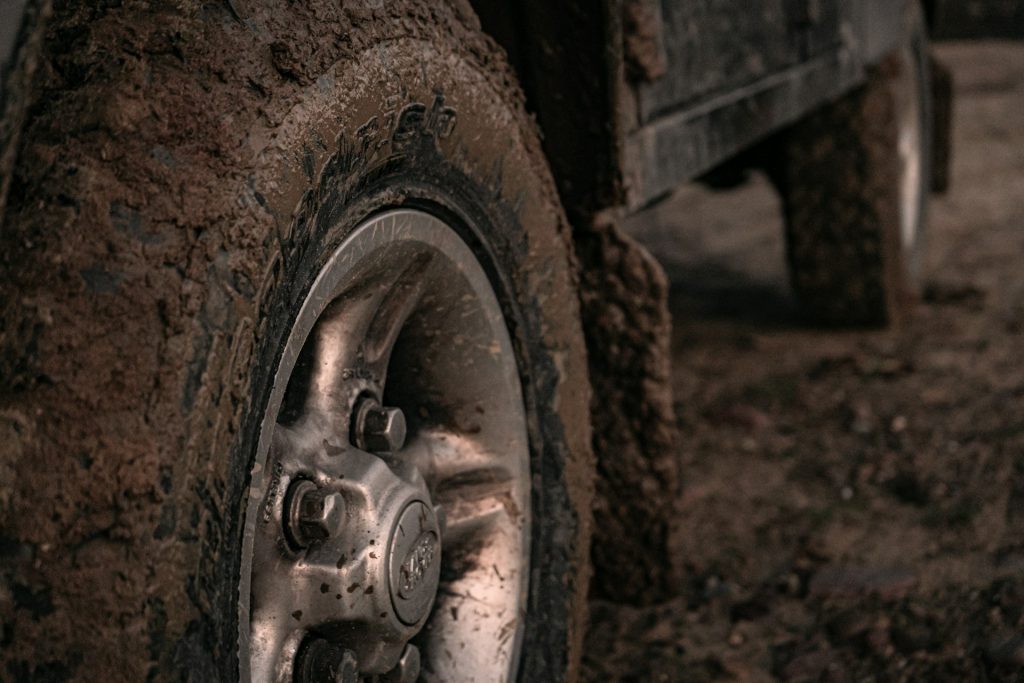
Vehicles do more than move people. They move dirt, and dirt moves life. Mud packed into tire treads, wheel wells, bike racks, trailer corners, and camper steps can hold seeds, snails, and insects long after a road dries. Parking lots, gravel pads, and new garden paths offer bare soil where stowaways take hold.
As the ride continues, that grit drops off at trailheads, campsites, and driveways, then spreads along ditches and mower lines. Scraping before leaving, followed by a rinse that clears the undercarriage and floor mats, removes the cargo. It is a small habit that prevents a muddy detour from becoming a seasonal cleanup.
Potted Plants And The Nursery Shortcut

A plant can look healthy and still carry trouble. Insects, mites, eggs, and plant diseases hide in tight leaf curls, pot rims, and the damp surface of potting mix, sometimes without visible damage. Some invasive ornamentals also spread by fragments, so one tossed cutting can root.
Swaps between neighbors, curbside giveaways, and online orders add risk because the supply chain is harder to trace. Nursery stock is usually safer, but a hitchhiker can slip through. A look under leaves, cleaning reused pots, and a short quarantine away from established beds can catch problems early, before they settle into soil and multiply.
Soil, Mulch, And Compost Delivered
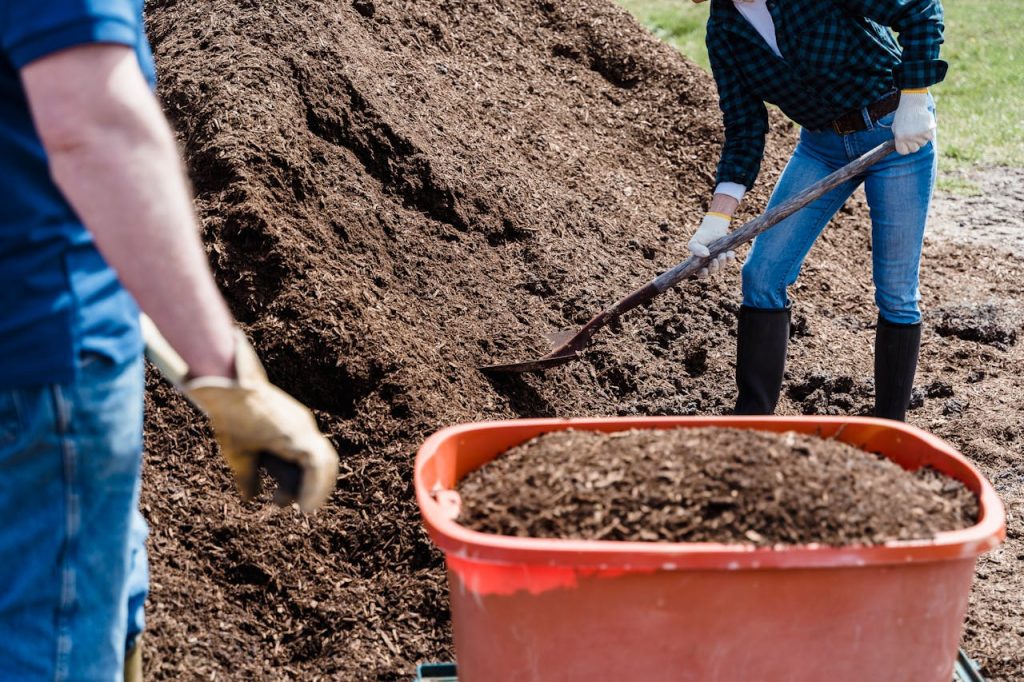
Garden materials arrive looking tidy, yet they can carry seeds, root fragments, insects, and disease organisms. Bulk soil, bagged compost, mulch, and fill dirt often come from mixed sources, and a few contaminated scoops are enough. Home compost that never heats thoroughly can also preserve stubborn seeds.
Fresh beds and newly mulched borders are ideal landing spots because the ground is open and watered in spring. Using reputable suppliers, avoiding unknown free fill, keeping piles covered, and cleaning shovels and wheelbarrows after moving material reduces the chance that one delivery turns into a long term weed patch.
Birdseed, Hay, And Animal Feed Spills
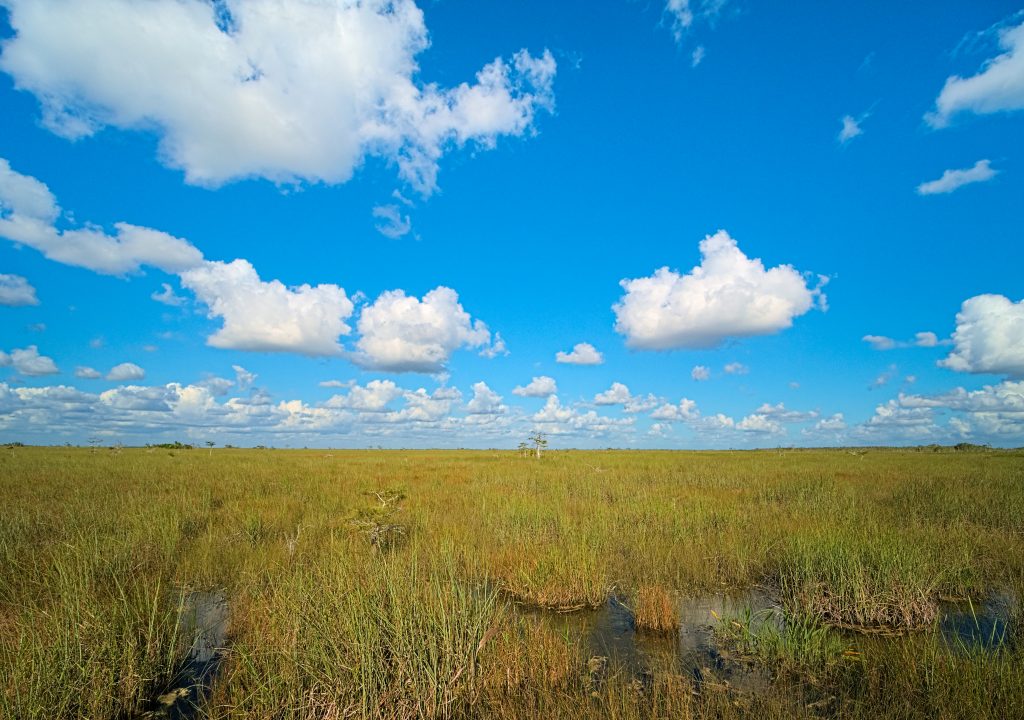
Seeds spread best when they are sold as seeds. Birdseed blends, hay, straw, erosion control wattles, and animal feed can contain unwanted plant seeds that spill along barn doors, camp kitchens, and feeder poles. A few seasons of small spills can build a seed bank that keeps sprouting.
Those spill zones often sit on bare, disturbed ground with steady moisture from hoses or runoff, giving invaders a head start. Choosing certified weed free hay and straw, using sealed bins, and sweeping after refills keeps the mess small. It also prevents a feeder corner from turning into a stubborn patch that spreads into nearby beds over time.
Live Bait Buckets And Leftover Water

Live bait can carry more than the intended catch. Minnows, crayfish, worms, and the water in a bait bucket can hold parasites, eggs, or small hitchhikers that survive the ride to a new shoreline. Aerators and coolers keep that water hospitable for hours after fishing.
Dumping leftovers at the ramp is the risky step because it places living material directly into habitat. A short walk to the trash beats a long term spread that follows a river system. Rules vary by state, but the safest routine stays the same: trash unused bait, drain buckets on dry ground, and rinse buckets and nets before moving to another waterbody.
Aquarium And Pond Releases
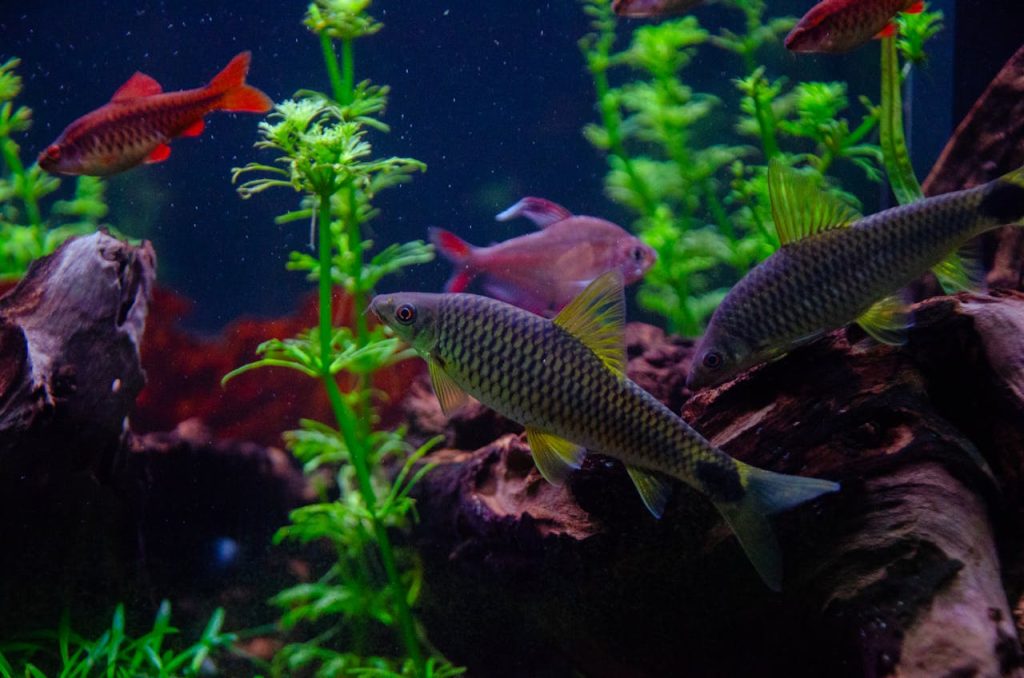
Aquarium and pond species are chosen for toughness, which is why some thrive outside a tank. When unwanted fish, snails, or water plants are dumped into a creek, lake, or storm drain, they can establish fast. Many spread by fragments or eggs that ride unnoticed in a cup of water.
Plant trimmings and tank water can carry microscopic life that slips past the eye. Trash disposal beats flushing or pouring down drains that may connect to waterways. Bagging trimmings, freezing unwanted plants before disposal, and rehoming pets through shops or local groups keeps a private hobby from altering public water and shorelines for seasons.
Shared Tools, Mowers, And Jobsite Materials
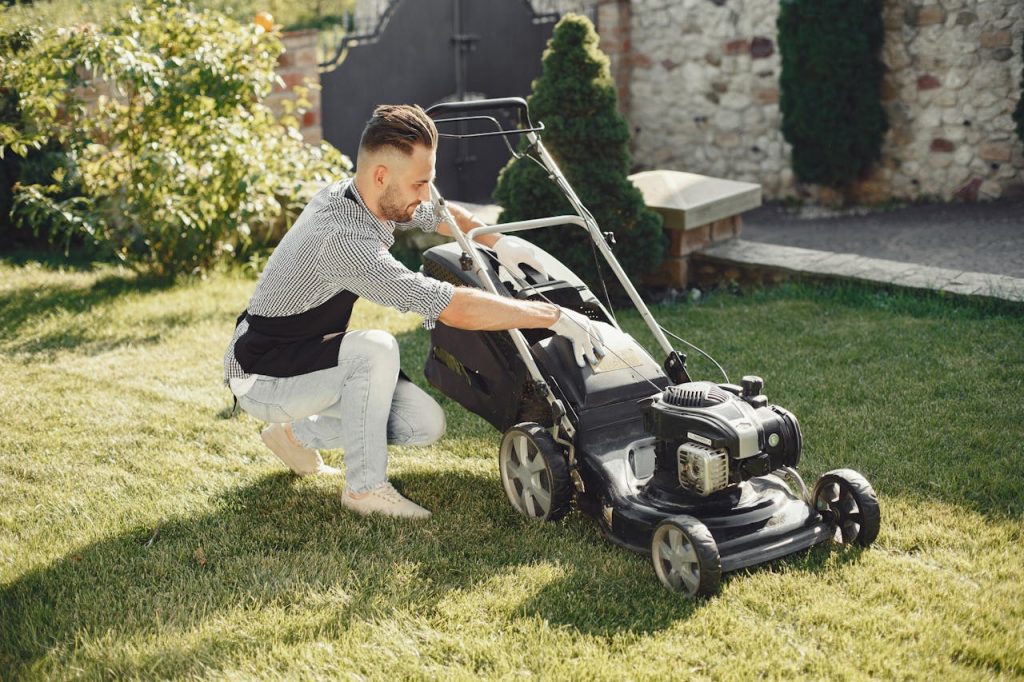
Borrowed and rented equipment often arrives with a past. Mowers, trimmers, tillers, and chipper shredders can hold seeds and plant fragments under decks, in catcher bags, and around blades, while hand tools carry soil in seams. The first cut or till can scatter that material across a clean bed.
Construction materials can do the same. Gravel, pavers, mulch, and landscape rock may arrive with dirt stuck in corners, then land on fresh edges where invaders root easily. A quick brush and rinse before gear changes hands, and before trailers roll, removes most stowaways. It keeps one yard or campsite from donating its problem to the next.