

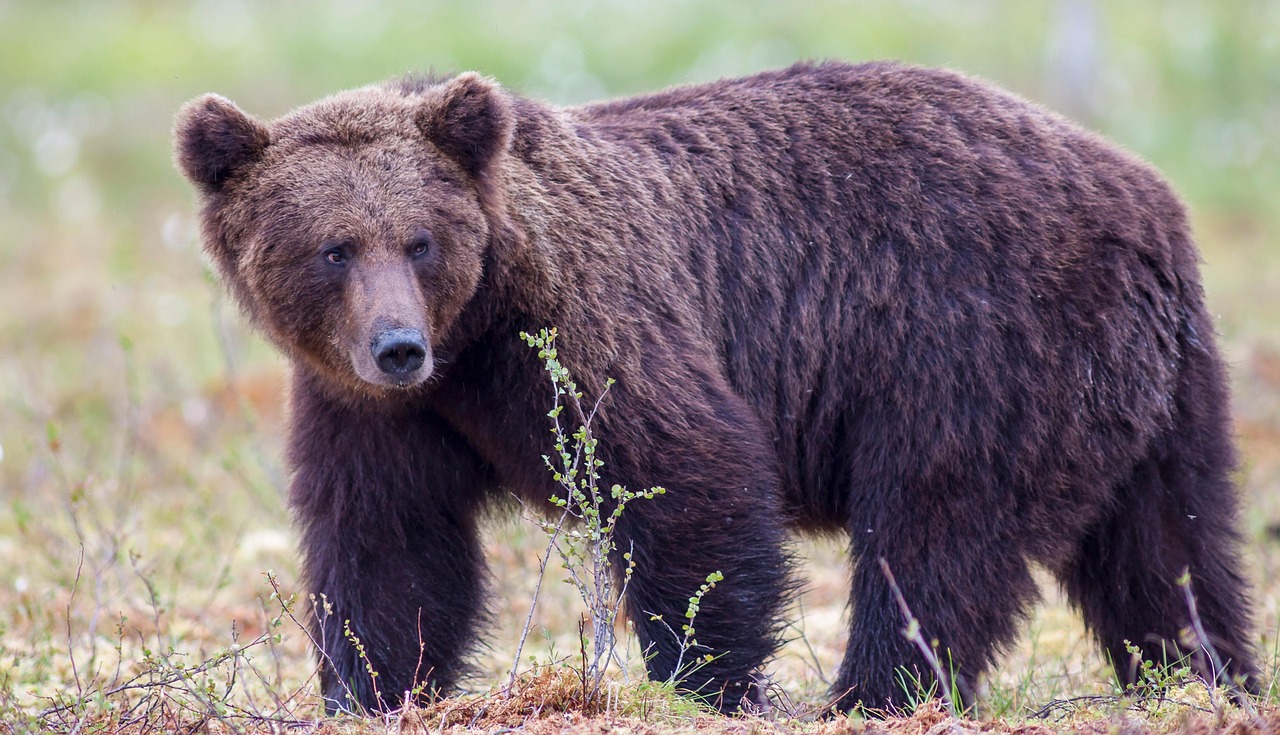
A grizzly can look unhurried and almost gentle, then cover ground with startling speed when space feels taken. Most tense encounters revolve around food, young, or a surprise at close range, and the warning signs can be easy to miss. In the Rockies and Alaska, many close calls start as a photo stop that turns into a hard stare. Some hardy neighbors can push a grizzly back with horns, hooves, or teamwork, but that never makes the moment safe. Rangers keep it simple: give wildlife room to travel, feed, and leave. Distance and calm do more than courage, because once an animal commits, people are not part of the equation.
Moose
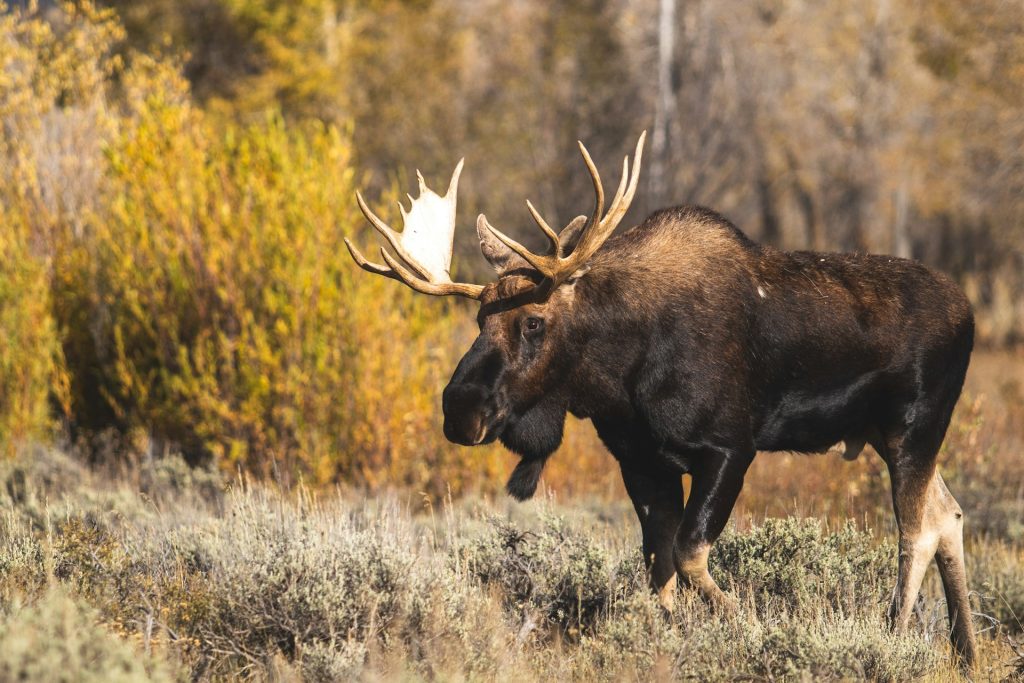
A moose does not look like a rival until it decides to hold ground. Long legs, a high shoulder hump, and sharp hooves turn close range into a striking zone, especially in late fall or when a calf is nearby. A bull can swing antlers like a wide paddle, and a cow can snap from stillness to a charge with almost no buildup.
Grizzlies usually avoid that kick radius unless the moose is weak or boxed in, so many clashes end in a quick retreat rather than a brawl. People get in trouble when they read a moose as calm, step closer for a photo, and trigger a defensive rush that ends with bruising speed and heavy force, even on roadsides.
American Bison
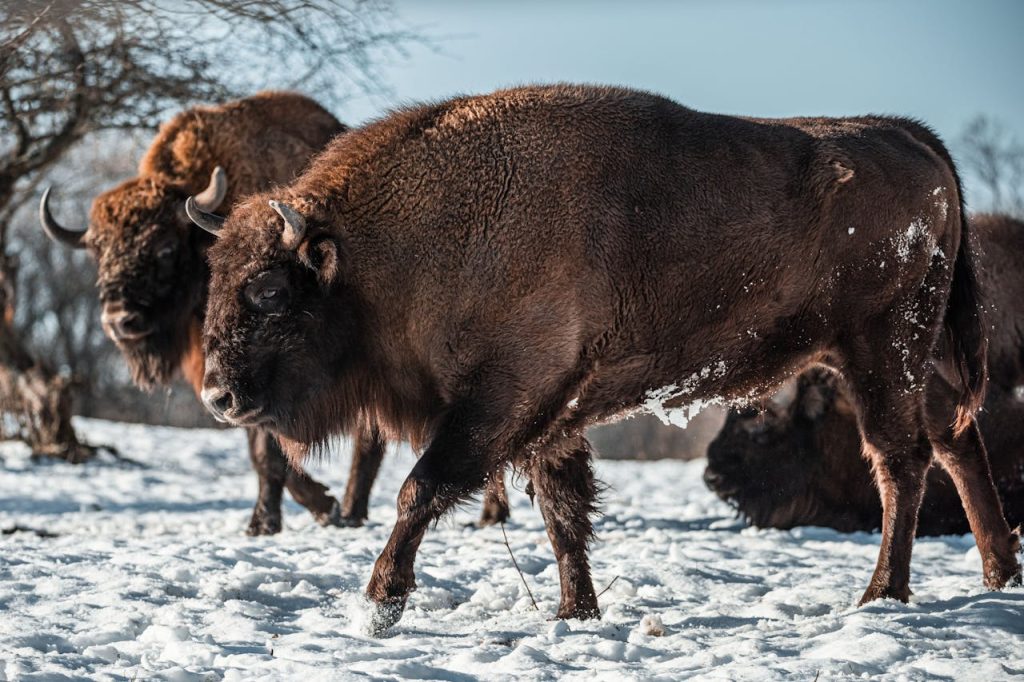
A healthy bison is a rolling wall of bone and muscle, and it does not need to chase a grizzly to win a standoff. That low head, short horns, and thick shoulders let it absorb a shove and push back, while the herd adds pressure by refusing to scatter. Large bulls can weigh around 2,000 pounds and still sprint close to 35 mph.
A grizzly may test the edges, looking for a calf or a tired animal, but a strong adult can pivot and drive the bear off with a sudden surge. People run into trouble when they treat bison like slow livestock, drift too close on trails or pullouts, and get caught by a charge that arrives before a step backward.
Musk Ox
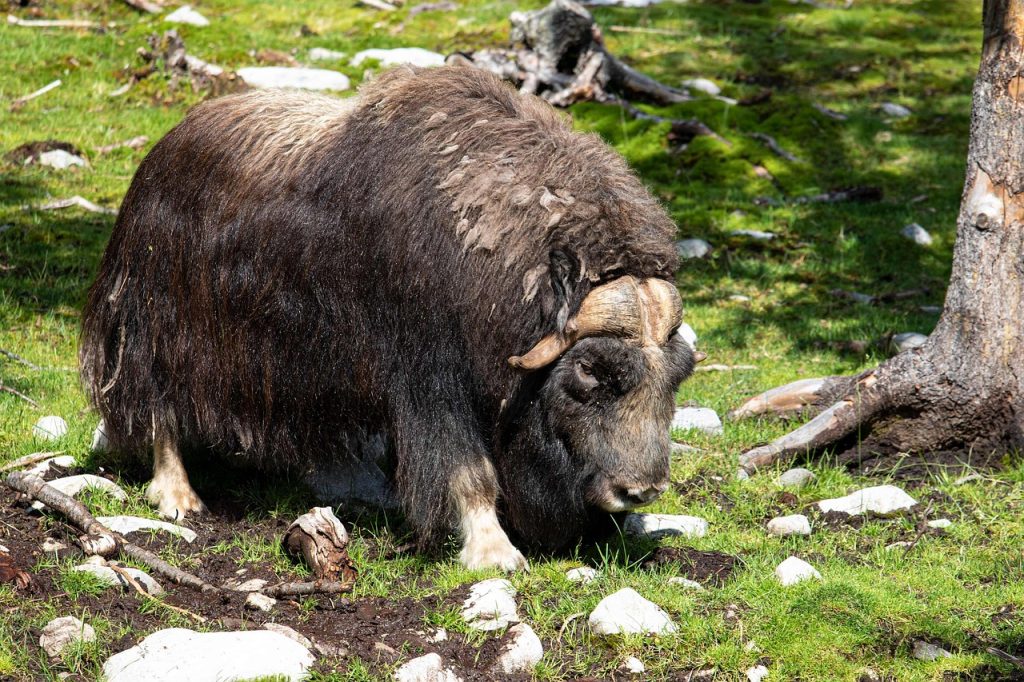
Muskoxen survive with discipline more than drama. When danger closes in, adults bunch together and face outward, horns ready, while calves stay tucked in the middle. The horns sweep down and up, made to catch and shove, and the group holds like a single unit. Against a lone grizzly, that wall can be enough to make the bear look for easier options.
Still, a determined bear can probe for gaps, and a breakup is when things go sideways. That is why a food remains site or a circling herd is not a scene for spectators. Open tundra has few escape routes, and a startled muskox can bolt in any direction, including straight through people.
Gray Wolf Pack
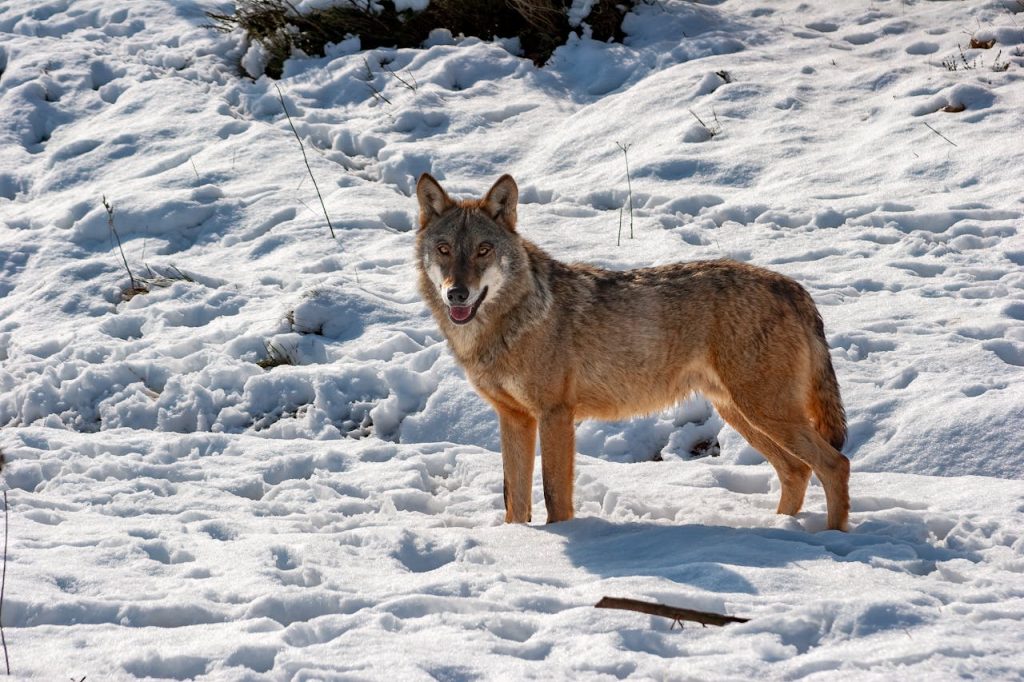
A single wolf rarely holds ground against a grizzly, but a pack can change the tone. Wolves work angles, darting in to nip and retreat, keeping the bear turning and burning energy while protecting pups or a hard earned meal. Their strength is coordination, not brute force, and the goal is to make the bear decide the meal is not worth it.
That advantage is fragile. A big bear can still claim the prize if the pack is small or snow slows them down, and one clean swipe can change the outcome fast. Humans get pulled into trouble by lingering near a food site, where both species are keyed up, hungry, and unwilling to give space.
Wolverine
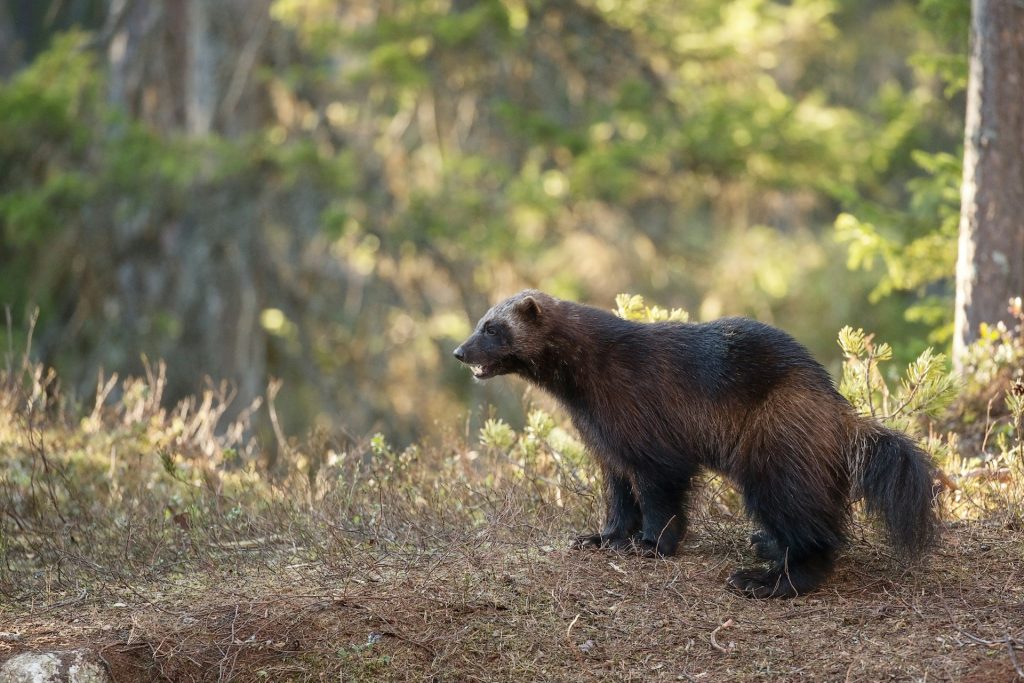
A wolverine is small compared with a grizzly, yet it carries a reputation for refusing to back off. Thick hide, strong jaws, and a fearless sprint let it rush in, grab, and scramble away before the bigger animal can pin it down. It also caches food, and that stash can turn a shy traveler into a loud, stubborn defender.
Most of the time, the win is simply stealing a bite or buying time, not dominating the scene. That bold scavenger behavior is exactly why distance matters for people. A wolverine focused on food can dart between boots, and a grizzly that wants the same prize may rush in without checking what else is nearby.
Polar Bear
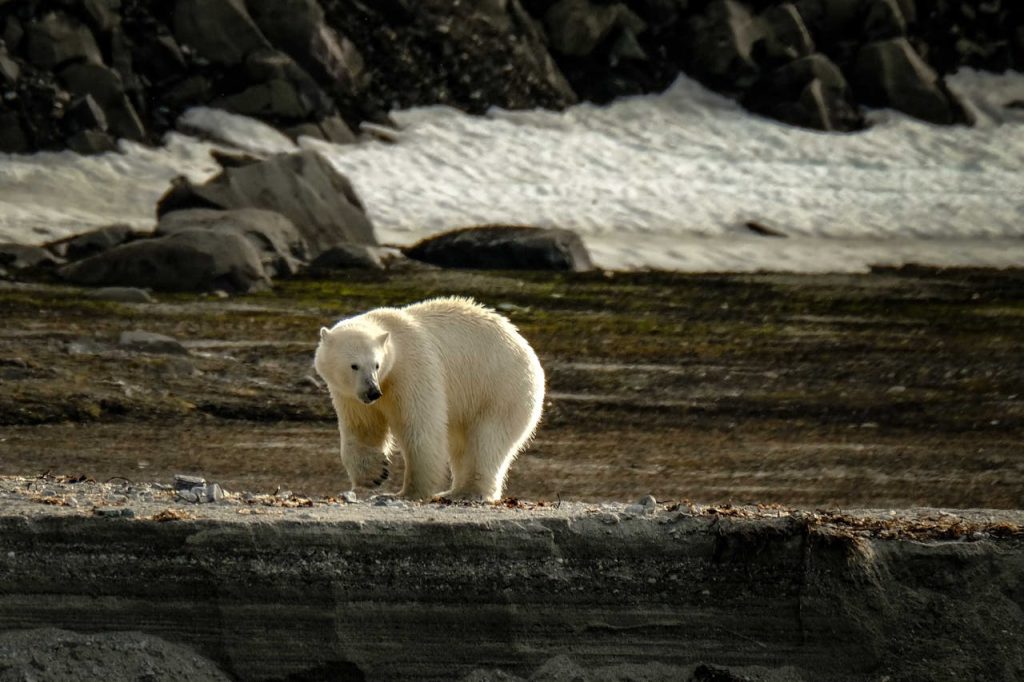
Where sea ice meets land, a polar bear is the rare heavyweight that can make a grizzly pause. Many adult males are larger, and both species read the same signals: posture, confidence, and who claims the best food first. On Arctic coasts, both may arrive at the same seasonal meals, including marine remains, and neither likes to yield.
Sometimes grizzlies still take the advantage around food on shore, because timing and temperament matter more than a scale. For people, the takeaway is simple. Shared food sources create unpredictable standoffs, and a sudden bluff charge from either bear can leave no safe place in between.
Kodiak Brown Bear
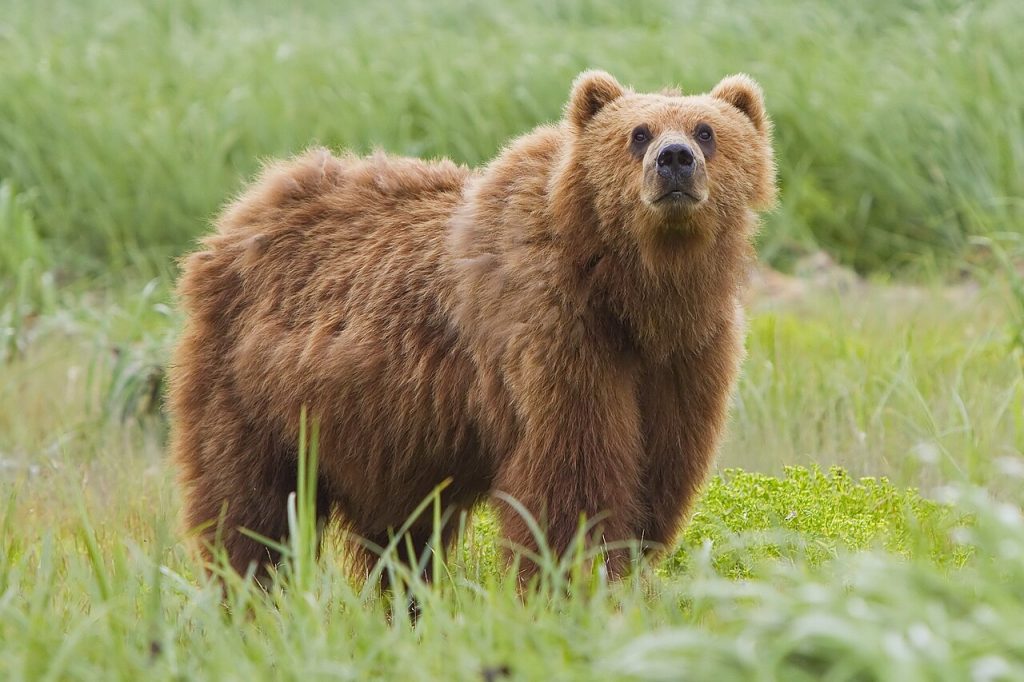
The one animal that reliably makes a grizzly hesitate is a bigger brown bear. Kodiak bears, shaped by coastal food and island isolation, show how size and confidence change the rules, with some males topping 1,000 pounds and standing tall when challenged. Broad shoulders and long claws add reach at close range.
A meeting between two large bears is often more bluff than contact: heavy breaths, jaw pops, and short rushes meant to force a retreat. People should never linger near that tension. A bear that decides to yield can bolt past without warning, and a bear that holds ground may redirect its focus to the nearest moving shape.
Wild country stays calmer when given room to breathe. A little extra distance keeps instincts from turning into chaos, and it protects both people and animals from a bad moment. The best encounters end quietly, with everyone moving on the way they intended.