


Bamboo sells a simple promise: quick privacy, glossy green canes, and that soft rustle that makes a yard feel calmer. The catch is speed. Many varieties spread by underground rhizomes that slip under edging and surface in surprising places.
Once a grove starts roaming, cleanup stops being a weekend chore and becomes a repeating season of cutting, trenching, and scanning for new shoots. The cost is not only time; it can strain fences, crowd beds, and test neighborly patience. Most disasters begin with small shortcuts. With smart choices and real boundaries, bamboo can stay elegant instead of rewriting the landscape.
Mixing Up Running and Clumping Bamboo

The first mistake is shopping by height and color instead of growth habit. Running bamboo, including many Phyllostachys types sold for fast screens, spreads through long rhizomes that travel outward and send up shoots well beyond the original planting.
Clumping bamboo, often Fargesia, expands in a tighter ring and is far easier to keep in bounds with routine thinning. Many yards get into trouble because labels are vague or staff uses bamboo as a catchall term. A verified species name, growth habit, and cold rating up front prevents surprise shoots, awkward digging, and years of chasing new culms across property lines.
Planting Without a Containment Plan
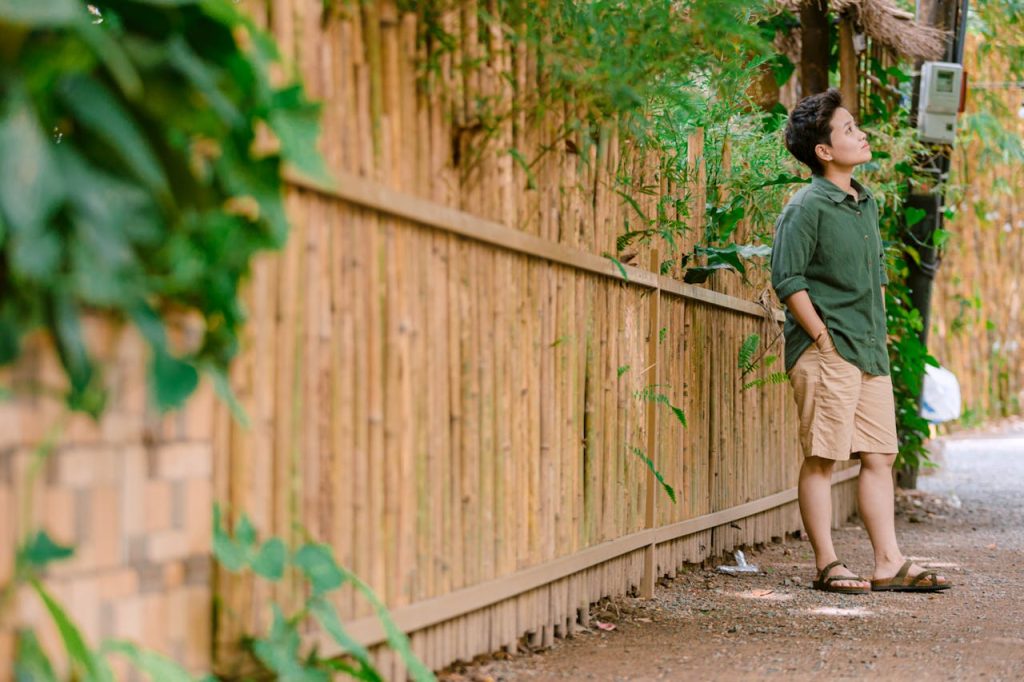
Planting bamboo straight into open ground and trusting mowing is a setup for spread. Rhizomes do not stop at lawn edges; they slip under turf, thread through beds, and reappear where a mower cannot reach.
Containment needs a day-one decision: a heavy planter, a lined trench, or a properly installed barrier with an inspection strip that stays clear. That strip matters because pruning rhizomes is only possible when the perimeter can be seen and reached, season after season. Access is the hidden cost. Skipping the plan turns a cheap screen into years of digging in the least convenient corners of the yard and along shared lines.
Installing a Root Barrier That Rhizomes Can Beat
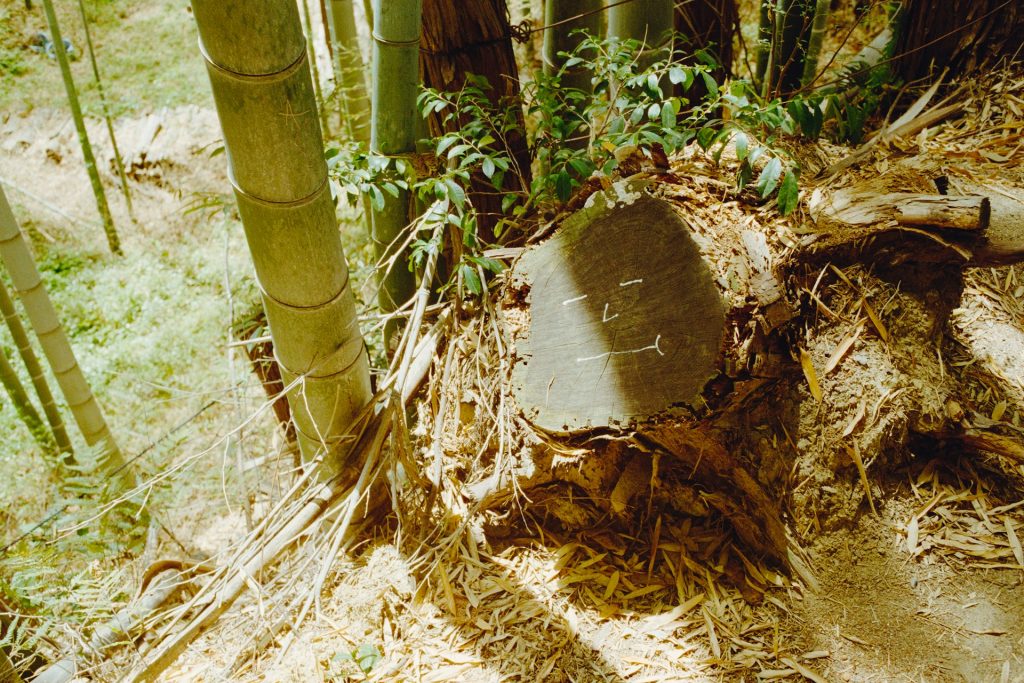
A root barrier fails when it is treated like basic edging. Thin plastic, landscape fabric, and shallow borders get pierced, then rhizomes ride over or under them without slowing.
Effective barriers use thick HDPE and are set deep, often around 24 to 30 inches depending on species and soil. Seams should be bolted tight, corners should not gap, and the top lip should sit a couple inches above grade so wandering rhizomes are forced upward into view. An outward lean helps, but only if the perimeter is checked and pruned each season. A barrier installed wrong becomes a hidden problem that shows up later in someone else’s planting bed.
Planting Too Close to Fences, Patios, and Utilities
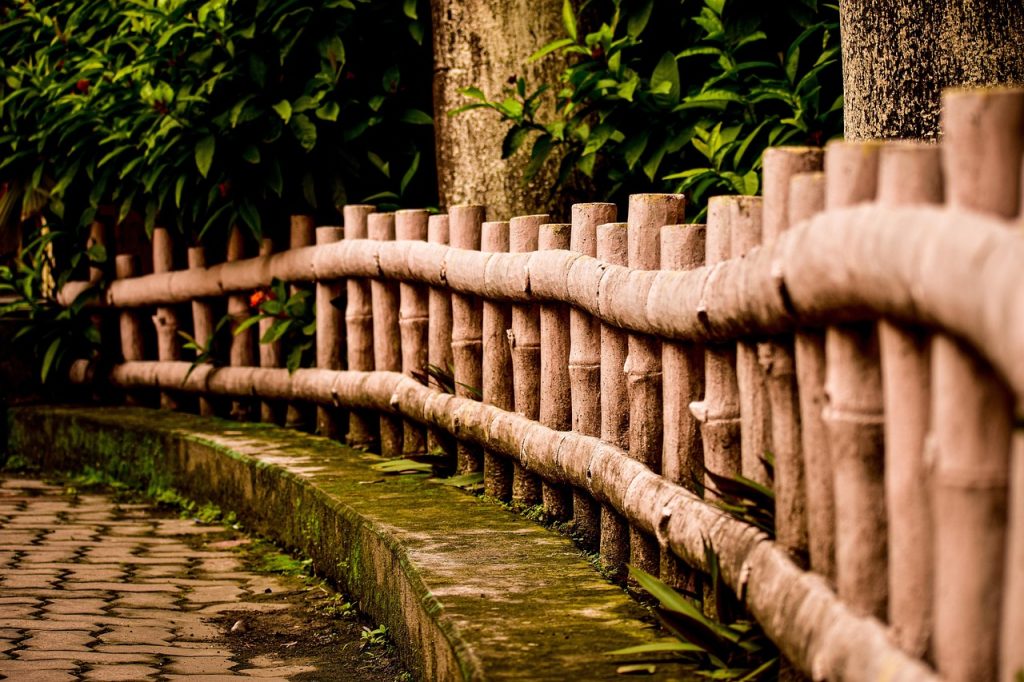
Planting bamboo tight to fences, patios, or narrow side yards removes the one thing containment needs: working room. Rhizomes take the path of least resistance, often following irrigation trenches, drain lines, and loose backfill along foundations.
In tight spaces, stray shoots surface where digging is awkward and where edging, pavers, and thin soil can be displaced. A wider buffer zone, plus a visible perimeter that stays clear of mulch and groundcover, makes inspection realistic. When bamboo is kept a few feet from hardscape and property lines, problems are spotted early instead of after a surprise patch appears across the fence.
Overwatering and Overfeeding the Grove
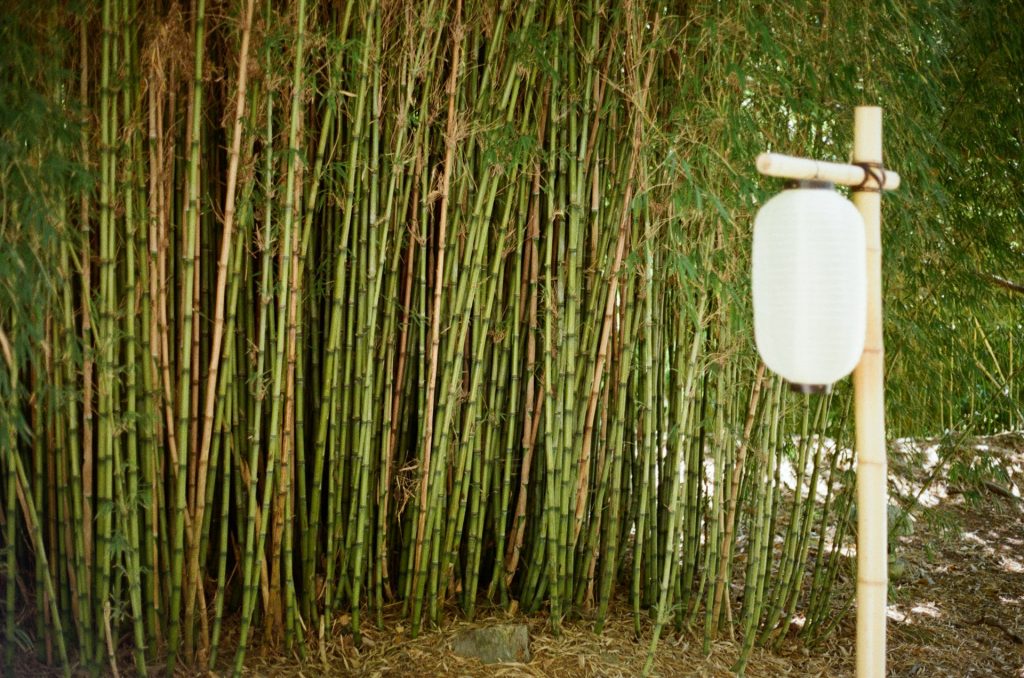
Bamboo responds to comfort by spreading faster. Frequent watering and high-nitrogen feeding keep the outer soil soft and moist, which encourages rhizomes to travel before the grove looks dense.
Sprinklers aimed at the perimeter can be an accidental invitation, especially in sandy or loosened soil. A thick mulch ring holds moisture right where rhizomes want to run. Deeper, less frequent irrigation keeps growth steadier, and feeding should be modest and seasonal. A drier inspection strip along the containment line reveals new tips and slows lateral expansion. The screen still fills in, just with fewer surprises over time.
Skipping the Seasonal Perimeter Patrol

Containment is maintenance, yet many groves are ignored after the first lush season. New shoots are easiest to control when they are tender; once a culm hardens, removal becomes hard work and often leaves stubs that resprout.
A simple routine helps: walk the perimeter in spring and early summer, clear leaf litter, and check the barrier lip or trench line. Stray shoots should be cut flush and rhizomes should be pruned back inside the boundary with a sharp spade. That timing matters because rhizomes spend energy pushing new growth. Skipping the patrol lets a few missed shoots turn into a patch that feels permanent by the next season.
Spreading Rhizomes Through Compost and Soil Moves
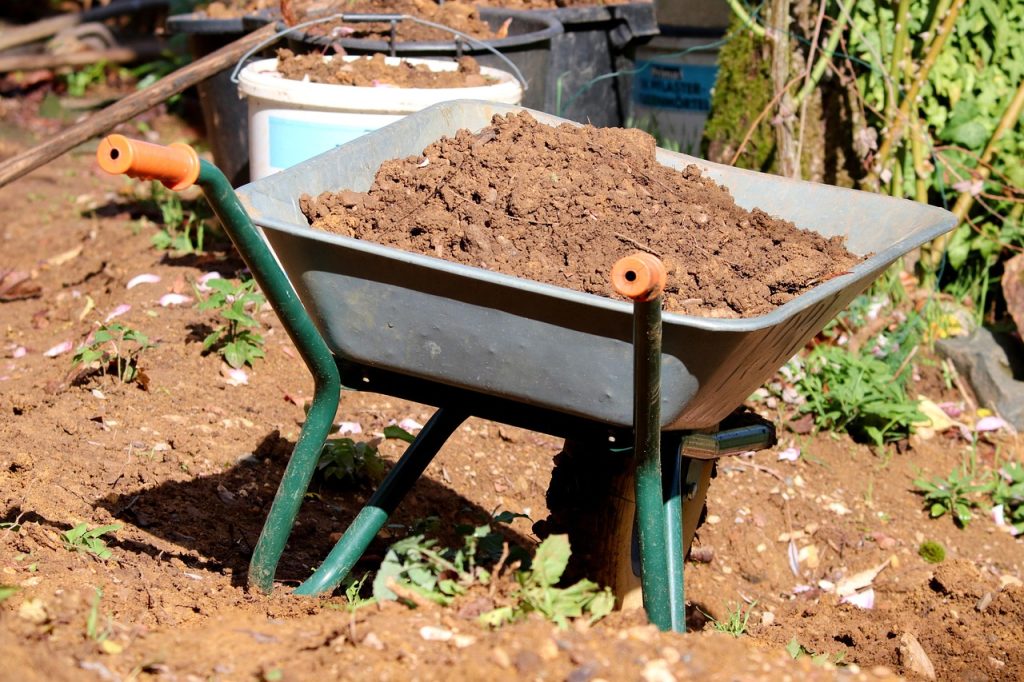
Cleanup can spread bamboo farther than the original planting. Rhizome pieces left in soil piles, tossed into compost, or buried under a tarp can stay alive, then sprout when moisture returns.
Moving soil from an infested bed to a new garden spot is a common way groves get duplicated. Sharing divisions without labels can spread runners to other yards. Even small fragments can carry buds, and disturbed soil is exactly what bamboo prefers. Rhizomes should be bagged, dried thoroughly, and sent out with yard waste according to local rules. Tools and boots deserve a quick rinse, too, so fragments do not hitchhike to the next project.
Thinking Cutting It Down Solves the Problem
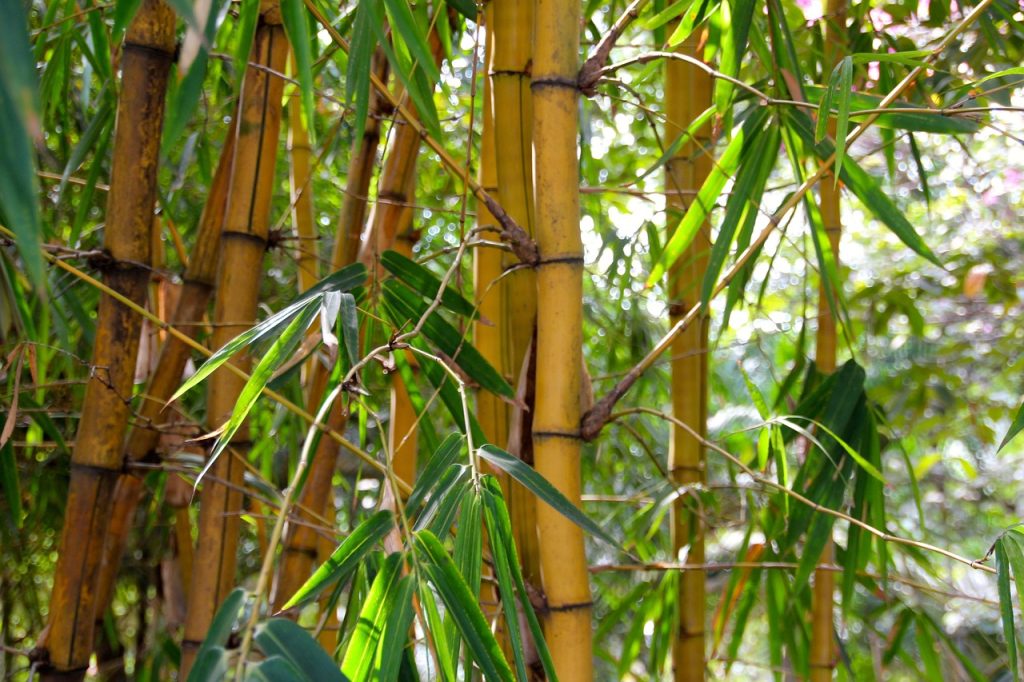
Cutting bamboo down to the ground feels decisive, but it rarely ends the spread. The living network is underground, and the rhizomes still hold energy to push fresh shoots, often more of them after the culms are removed.
Rototilling can make the situation worse by chopping rhizomes into many viable pieces. True removal usually means repeated cutting timed to exhaust reserves, plus careful digging where access allows. In stubborn patches, a targeted herbicide may be used according to the label and local rules, preferably by a licensed professional near structures. The goal is steady exhaustion, not a single dramatic weekend.