

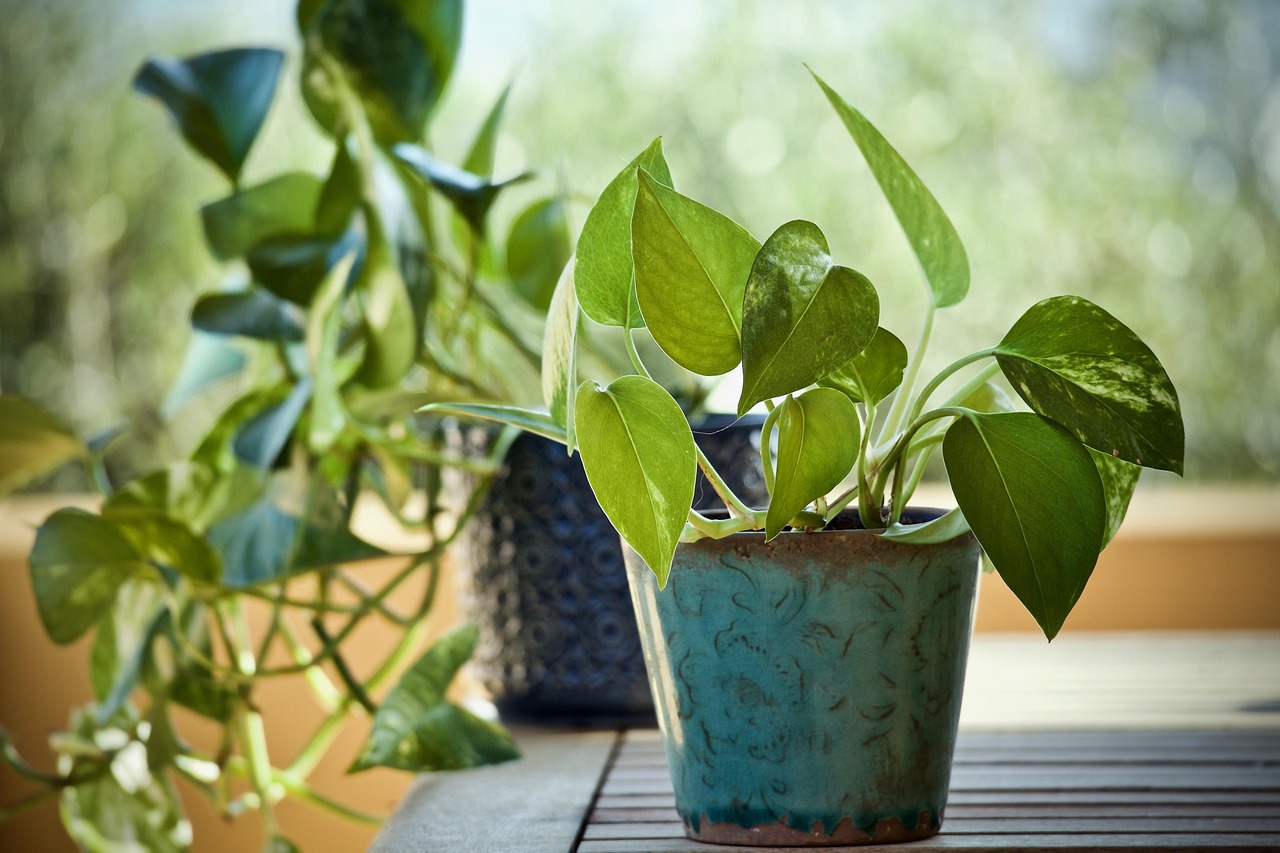

Plants fail in bottles and jars for boring reasons: no drainage, stagnant water, and roots that never get enough oxygen. Too much moisture invites rot, while bright windows fuel algae and warm water that stresses roots. Growers handle the problem by choosing plants that root easily in water, keeping only nodes submerged, and refreshing water before it clouds. Gravel or clay pebbles help anchor stems and keep crowns out of the waterline. These twelve picks are reliable in glass, making small spaces feel lush without the usual container drama.
Pothos

Kelsey Brown/Unsplash
Pothos roots fast from a cutting, and the vine stays forgiving when light, temperature, and watering are less than perfect, which is why growers use it as a starter for water culture. One healthy node below the waterline is enough, while leaves should sit above it so they do not soften and rot, and the cutting should be kept away from direct sun that heats the jar. In clear glass, the plant reads clean and modern, and steady growth comes from changing water before it clouds, rinsing slime from roots, wiping algae from the vessel, and adding a tiny dose of liquid fertilizer once roots are established, since plain water has no nutrients.
Heartleaf Philodendron

Heartleaf philodendron behaves like pothos but looks softer, with smaller hearts that drape neatly and rarely seem chaotic, even in narrow jars. Cuttings root readily at the nodes, and stems stay flexible enough to train around a jar rim or down a bottle neck without snapping, especially when supported by stones or clay pebbles. The tidy look depends on bright, indirect light and water refreshed before it smells, because stagnant water lowers oxygen and invites rot; occasional root rinses, a clean container, and a diluted feed every few weeks help leaves stay full instead of shrinking, and they keep roots white and crisp rather than brown.
Spider Plant

Spider plantlets are made for jars, since the offshoots already carry a compact crown and roots form quickly once the base meets water, without the slow wait many cuttings require. Growers brace the plantlet with pebbles so only roots are submerged, keeping the crown dry, preventing rot, and giving the plant an upright, styled stance on a shelf. The payoff is a tidy fountain of striped leaves that looks crisp in clear glass, and it handles minor lapses if the water is topped off, fully changed every couple of weeks, and kept out of harsh sun that turns jars green with algae, which can coat roots and make the whole display look tired.
Lucky Bamboo

Lucky bamboo is more stem than leaf, which makes it a clean option for narrow bottles and tall vases where soil would be messy and drainage holes are impossible. Canes are anchored in stones or glass beads so the base stays stable while roots sit in water below, creating a calm, vertical line that reads like décor, not a project. It stays sharper in bright, indirect light with regular water refreshes and low-mineral water, since salts and chlorine can yellow tips; grouped in odd numbers or trained into spirals, it delivers drama with a controlled footprint and minimal cleanup, especially when the stones are rinsed during regular water changes.
Coleus

Coleus is grown for foliage color, and it roots quickly in water, making it ideal for jars that sit near bright windows and need fast payoff without potting mix. A six-inch cutting with lower leaves removed forms roots at the nodes, then pushes new growth if water stays clean and oxygenated, and if the jar is not allowed to heat up on a sunny sill. Most failures come from stale water that softens stems at the base, so full changes beat constant topping off; pinching tips prevents legginess, a light feed supports color, and rotating the jar keeps growth even instead of leaning toward the light, and removing flowers keeps energy focused on leaf color.
Begonia

Begonias have thick, forgiving stems that root in water with patience, which helps in jars where delicate cuttings often collapse, and the foliage brings a lush look without a sprawling habit. Wax begonias are especially easy, and some types can even start from a single leaf, but the process is slower and rewards steady care and a clean vessel rather than constant handling. Weekly water changes limit bacteria that cause rot, and indirect light reduces algae that coats roots; once established, the plant stays compact, and glossy leaves look intentional while a small dose of fertilizer keeps growth from stalling in plain water. During short days.
English Ivy

English ivy roots in water in a couple of weeks, and the trailing habit looks crisp in a bottle because stems can be guided along the glass for a deliberate line and easy pruning. Bottom leaves are removed so nothing decays under the waterline, and cuttings do best in bright light that is not scorching, which also discourages mites and keeps new leaves tight. The weak point is stagnant water, so growers refresh it often and rinse roots if they feel slick; with those basics and a little spacing between stems, ivy offers a clean, tailored cascade that reads decorative rather than wild, and the stems can be trimmed short without drama.
Chinese Evergreen
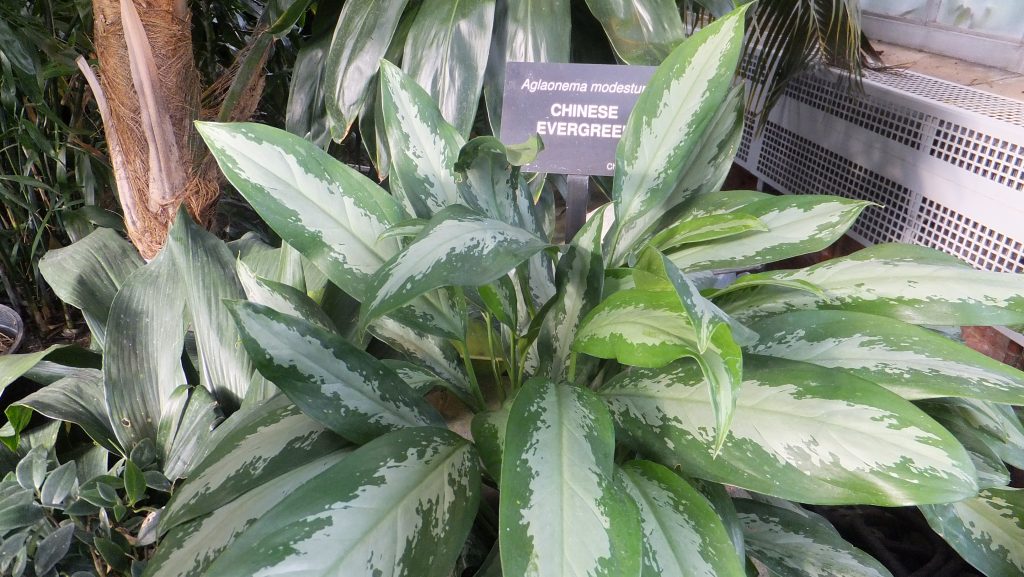
Chinese evergreen can be rooted and grown in water from a healthy stem cutting, bringing a fuller, upright look than most vines in jars and holding its shape well in living rooms. Lower leaves are removed, the cut end sits in clean water, and roots can appear in three to four weeks when the vessel stays fresh, shaded from harsh sun, and free of algae buildup. Cloudy water is a warning sign because it often means bacteria and low oxygen, so frequent refreshes matter; a few drops of water-soluble fertilizer each month support new leaves, keeping the plant dense instead of sparse as it adjusts to soilless life, which can be slower in cool rooms.
Monstera Cutting

Monstera cuttings can live in a jar for months, and thick stems look sculptural even before new leaves arrive, which suits minimalist rooms and makes propagation feel like décor. The key is submerging a node while keeping the petiole and leaf out of water, because wet green tissue can rot and spread upward, especially in warm rooms with stagnant air. Roots thicken in bright, indirect light, but growth stalls if water is never refreshed and nutrients never arrive; clean glass, periodic rinses, a charcoal chip or two to keep water fresh, and a tiny amount of diluted fertilizer keep the cutting vigorous and the display clear, with less odor and biofilm.
Paperwhites

Paperwhites are a winter bulb classic for bowls and jars, blooming on water alone when the bulb sits above the waterline on pebbles, which keeps the setup clean and almost maintenance-free. Roots grow down into the water while the bulb stays dry, preventing rot and keeping the display neat on counters and tables, even in small apartments with limited space. Stems rise fast, so cool temperatures and bright light reduce flopping, and a discreet stake can keep the look tidy; after flowering, the bulb is usually treated as a one-time show, but the impact is immediate, fragrant, and dramatic, especially when several jars are staged at different heights.