

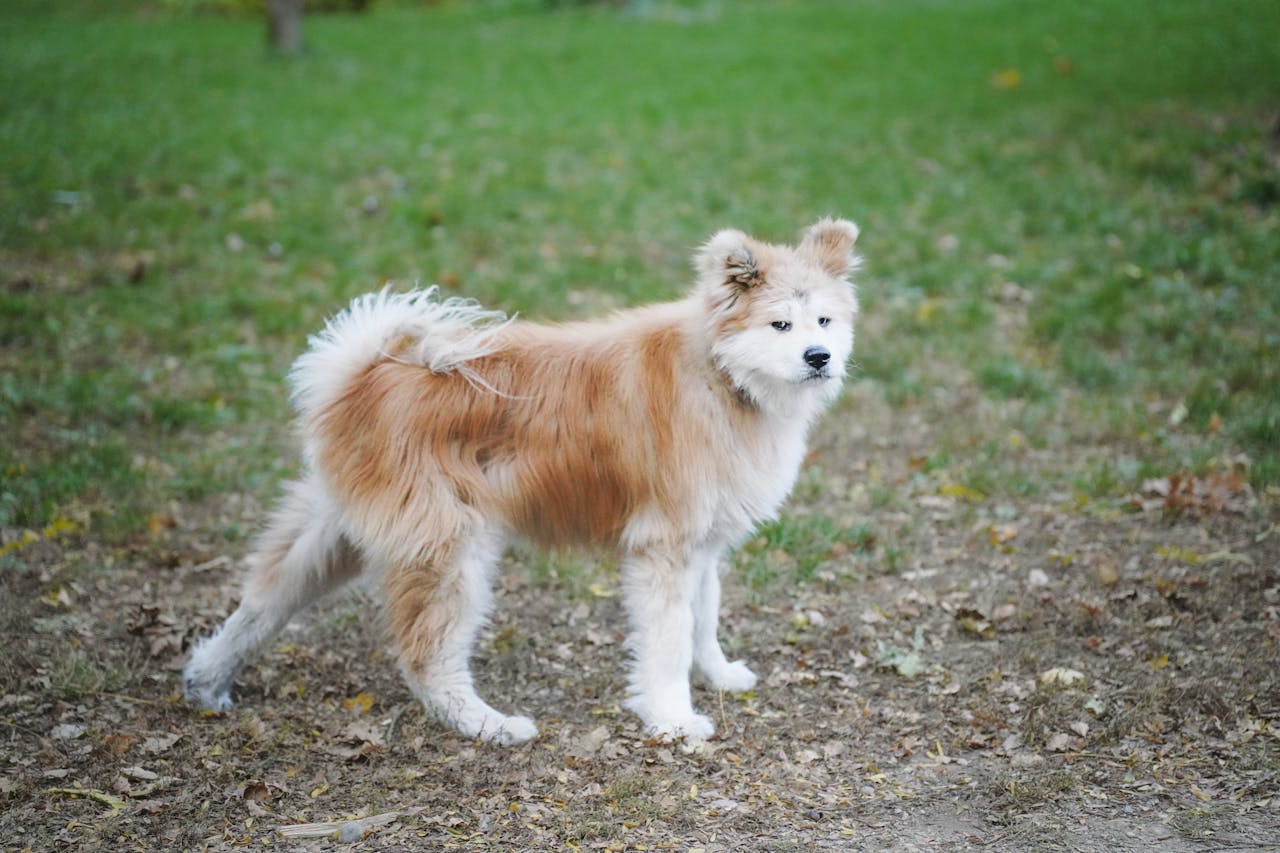
Akitas look calm at first glance, but they carry generations of purpose in that quiet stare and upright posture.
They were shaped to guard, hunt, and decide fast, which is why they can seem composed one moment and intense the next.
That independence feels admirable until you expect instant compliance or constant people-pleasing like a retriever might offer.
With their family, many Akitas build a bond that is deep, steady, and protective, more like a bodyguard than a clown.
They often reserve affection for a small inner circle, so friendliness is earned over time, not handed out at the door.
If you want a dog who greets every stranger like a long-lost friend, this breed will disappoint you without apology.
If you want a loyal partner who takes your home seriously, you may fall hard, as long as you respect their boundaries.
Here’s the thing: success is about structure, early social skills, and noticing the subtle warning signs before they escalate.
What Makes the Akita Different
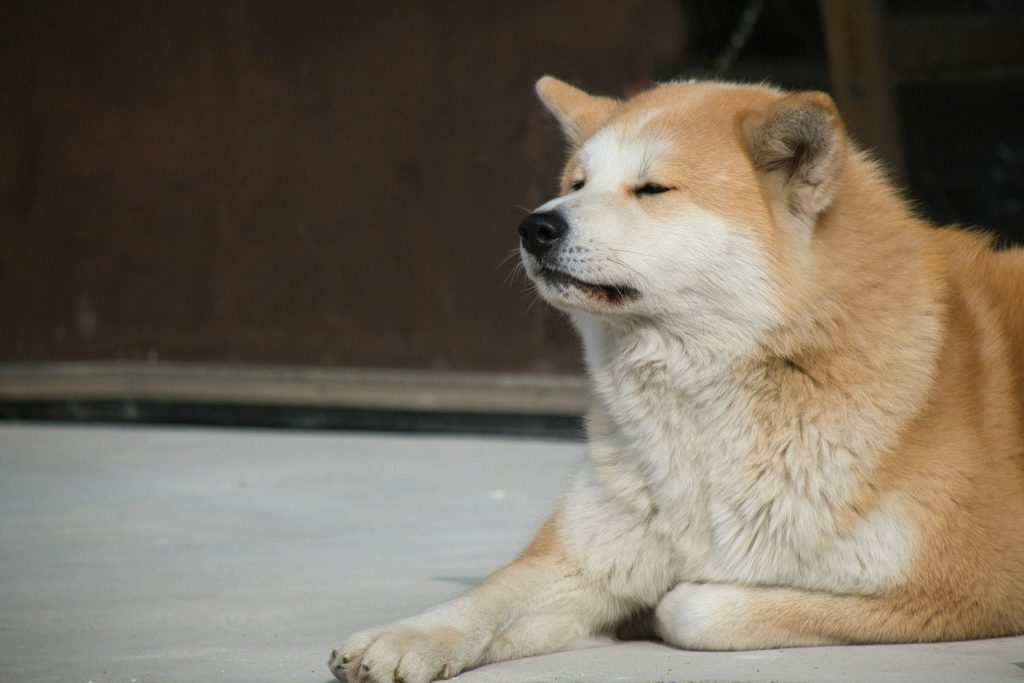
The Akita is a powerful spitz-type dog with a thick double coat, curled tail, and a confident, measured way of moving.
They conserve energy like a cat, then switch on instantly. Owners should manage doors, leashes, and surprises with care.
Aloofness with strangers is common, and it is not the same as fear; it is selectivity that must be guided early.
They are smart and stubborn in equal parts. Training works best when it feels fair, brief, and worth their time.
The Loyalty People Talk About
Akita loyalty is usually quiet, shown through steady presence and watchfulness rather than nonstop cuddling or noise.
Many will shadow you from room to room, then settle where they can see exits, as if they’re assigned to protect you.
Once trust forms, they often read routines and emotions with eerie accuracy, which can feel comforting and intense.
Because the bond runs deep, separation needs to be taught gently, or you may see pacing, whining, or destructive habits.
Some Akitas pick one main person and treat everyone else like valued roommates, which families should discuss upfront.
Pressure for affection can backfire, while calm invitations often work; this breed responds to respect more than coaxing.
Real loyalty also means they notice tension in the home, so loud conflict can raise their guard even if no one is harmed.
When an Akita chooses to lean in, it feels earned, and that earned trust is the heart of why people love the breed.
Training That Fits Their Mind
Akitas respond to calm confidence, not yelling or physical force, and harsh methods can create distrust that lasts.
Start socialization early with neutral, low-pressure experiences, like quiet walks and people who ignore the dog at first.
Teach impulse control with simple cues such as wait, leave it, and place, because these skills prevent door and leash drama.
Keep sessions short and end on wins; long drilling can trigger a power struggle, especially if the reward feels pointless.
Use management too: gates, leashes, and clear house rules stop the dog from rehearsing guarding or pushy behavior.
Reward choices you like, redirect early, and stay consistent, because this breed remembers what works and repeats it.
Enroll in a well-run class that focuses on manners around distractions, not forced play, and you’ll build confidence safely.
Exercise and Brain Work

Akitas are not always hyper, but they still need daily movement, and a long walk plus short play bursts often works best.
Nose games, hidden treats, and simple tracking jobs burn mental energy, which reduces boredom-driven misbehavior.
Avoid chaotic dog parks if your Akita is tense, because random greetings can spark conflict and teach bad social habits.
Cold weather suits many Akitas, but watch paws and joints on hard surfaces, and balance activity with recovery time.
A well-met Akita is usually calmer, but chasing exhaustion is a trap; aim for steady routines and predictable outlets.
Grooming, Health, and the Big Coat
That plush double coat sheds heavily, sometimes in seasonal blowouts that can cover a room, so brushing is not optional.
Brush several times a week, check ears and teeth, and trim nails, because small neglect piles up fast in big breeds.
Watch weight closely; extra pounds strain hips and elbows, and Akitas can gain quietly under all that fur.
Common concerns include joint issues, thyroid problems, and some autoimmune conditions, so partner with a vet early.
Heat hits them harder than cold, so plan summer walks carefully, offer shade and water, and keep indoor cooling ready.
Shaving the coat can damage insulation and regrowth, so manage shedding with grooming, not clippers, unless a vet advises.
Living With Kids, Guests, and Other Pets
With respectful kids, many Akitas are steady, but supervision is non-negotiable, and children must avoid hugging or climbing.
Guests should let the Akita approach on its own terms. A leash or gate helps the dog stay calm while you stay in control.
Same-sex dog aggression is common, especially as they mature, so some Akitas are simply happier as the only dog.
Cats can work in some homes, but prey drive means slow introductions. Clear boundaries and honest expectations matter.
Warning Signs You Should Not Ignore
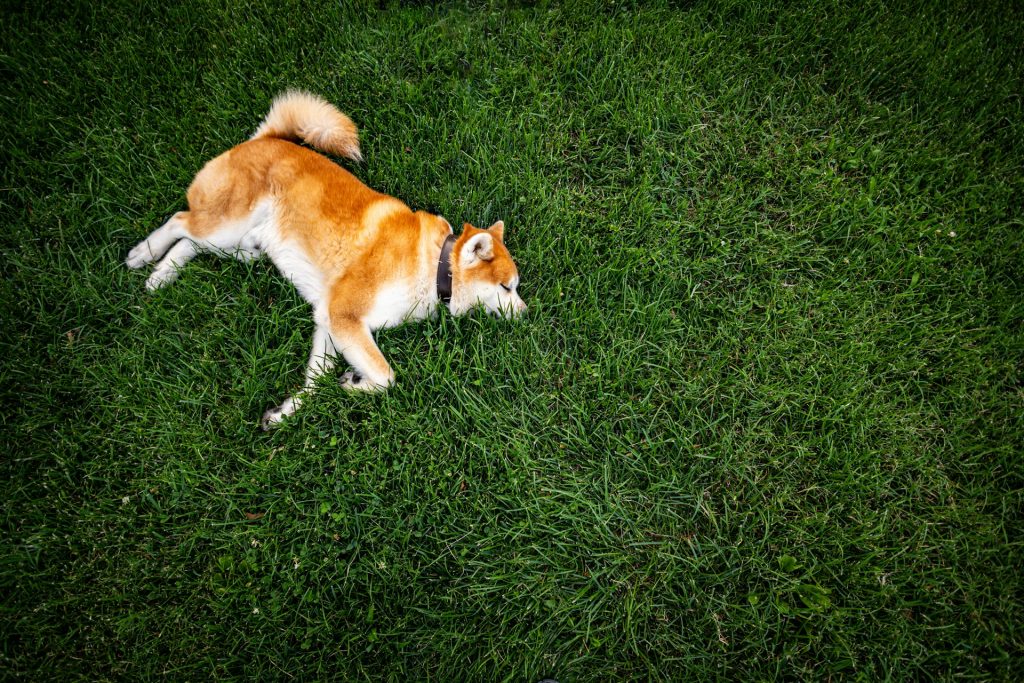
Stiff posture, hard staring, and a closed mouth can signal a shift into guard mode, so create space before the dog escalates.
Growling is information, not disrespect; punishing it can remove the warning and leave you with a sudden snap instead.
Freezing near food, toys, or resting spots can be resource guarding, and it needs calm management and professional guidance.
Choosing the Right Akita for You
Meet adult Akitas if you can, because puppy charm does not predict mature temperament, especially in guardian breeds.
Ask about stability with strangers, tolerance around other dogs, and health screening, then verify claims with paperwork.
If adopting, expect a decompression period, set up crates and gates, and keep early weeks calm so trust can grow.
Work with a trainer who understands humane, evidence-based methods for guardian breeds, because trust is your best tool.