

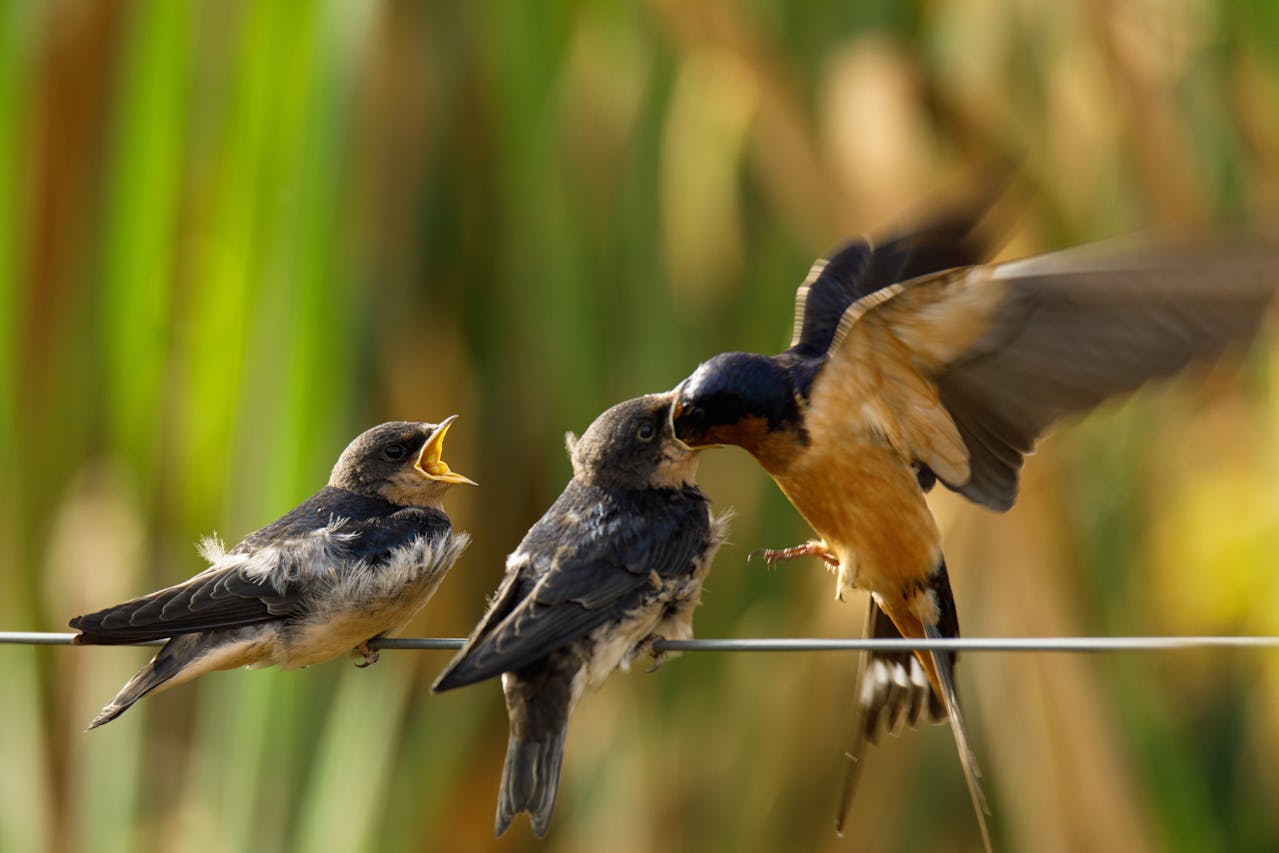
Spring migration can make an ordinary yard feel like a busy rest stop, with flashes of color and nonstop chatter in the trees.
That same concentrated traffic also concentrates problems, because birds bring stress, parasites, and germs wherever they bunch up.
Most people add feeders, baths, and fresh plantings quickly, then wonder why the yard suddenly feels messier and harder to manage.
The hidden issues are rarely dramatic at first, which is why they get missed until a sick finch appears or a window strike happens.
A yard can still help migrating birds, but it works best when it mimics a healthy habitat rather than a crowded food court.
Small design choices matter, like where water sits, how close feeders are to glass, and what plants spread beyond their borders.
Even well-meaning routines can backfire, such as overfilling seed, leaving wet suet out too long, or skipping basic cleaning.
The goal is simple: offer shelter and natural food, reduce hazards, and keep the stopover safe for birds, pets, and people.
Feeders Can Turn Into Germ Hubs
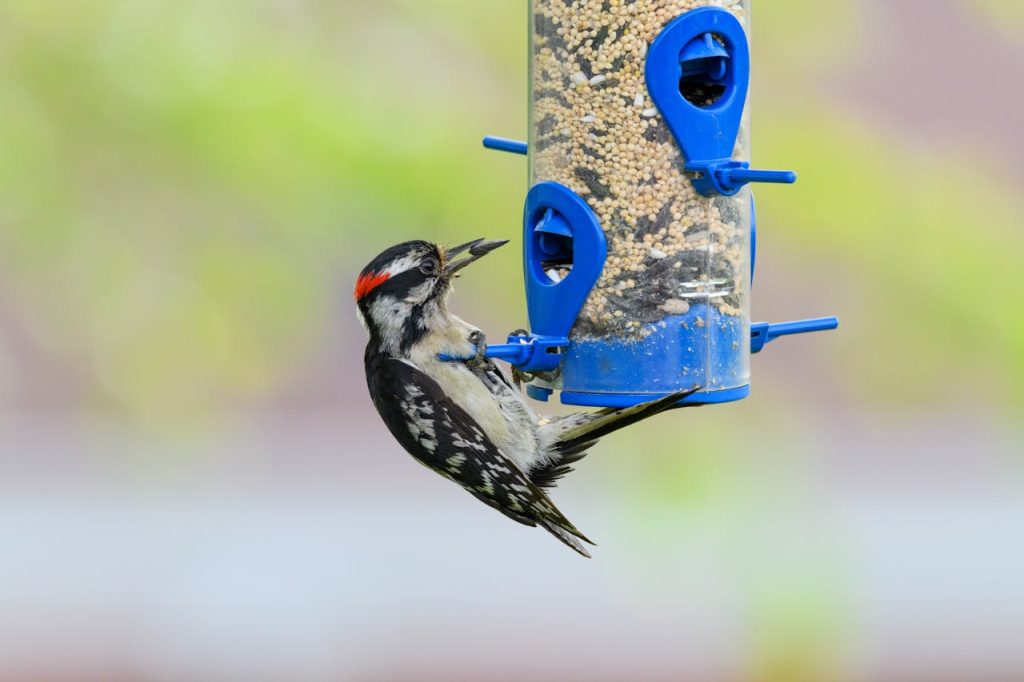
Feeders can boost sightings, but they also create a shared dining table where saliva and droppings spread from bird to bird.
Clumped finches and sparrows pass illnesses faster at crowded ports. Damp seed and crusty hulls are a perfect breeding ground.
Cleaning is the fix most people skip, yet a quick scrub and dry breaks the chain far better than adding more food.
Use smaller amounts and refill often. If sick birds show up, pause feeding for a week and clean everything before restarting.
Window Strikes Spike When Birds Linger
Bird-window collisions rise when yards become active, because a clear pane looks like open sky or a shortcut through the garden.
Feeders placed right beside glass tempt quick darts, while feeders set far away invite full-speed flight before the sudden impact.
A simple rule helps: keep feeders within about 3 feet of windows, or move them well beyond the typical launch distance.
Add external screens, netting, or closely spaced tape lines so the surface reads as a barrier instead of empty air.
Houseplants behind glass can make reflections stronger, especially on bright mornings, so trim back indoor greenery near big panes.
Night lighting matters too, since migrating birds can be drawn to glow and then circle until they hit something at dawn.
Close curtains during peak movement, or angle blinds down to break reflections. Even temporary fixes reduce strikes immediately.
If a strike happens, treat it as a warning sign, not a fluke, and change the setup before the next wave passes through.
Cats And Hawks Learn Your Yard’s Schedule
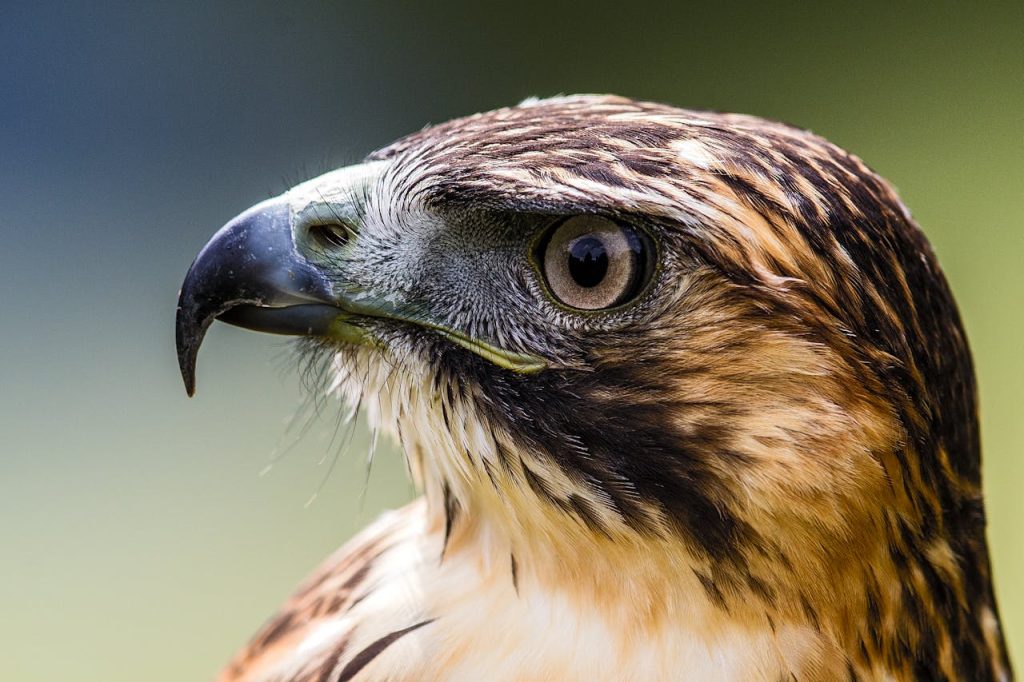
More birds means more attention from predators, and a yard that feeds migrants can also train hunters to check the same spot daily.
Outdoor cats are the biggest wildcard, because even a well-fed cat will stalk. A bell helps a little, but indoor time helps a lot.
Hawks notice patterns too, especially if small birds crowd a single feeder with no nearby brush to dive into when danger appears.
Spread resources out, and keep dense native shrubs nearby so birds have quick cover that is not right against a window.
Seed spilled on the ground attracts rodents, which can pull in snakes and raccoons. A tidy base under feeders reduces that chain.
Dogs rushing a feeding flock can stress birds into poor decisions, like flying low into fences or straight into glass during escape.
Think like traffic control: create safe lanes, offer shelter, and remove easy ambush spots so the yard stays a stopover, not a trap.
Water Features Invite Mosquitoes Fast
A birdbath can be lifesaving during a warm spell, yet standing water turns into a mosquito factory faster than most people expect.
Hot days speed up algae and bacteria too, so a bath left for a week becomes a murky puddle that spreads illness instead of relief.
Change water daily during peak season and scrub the bowl a couple times a week. A stiff brush beats detergents every time.
Keep it shallow with textured edges so small birds can grip, and add a dripper or gentle bubbler to discourage mosquito breeding.
Avoid pesticides in the water or nearby, since tiny doses can harm birds and the insects they need for fuel on the next leg.
Helpful Plants Can Become Invasive Bullies
Planting for birds often starts with berries and blooms, but some popular yard favorites spread aggressively and push out native habitat.
Birds eat the fruit, then drop seeds elsewhere, so an invasive shrub can hop fences and show up along streams and parks.
Fast-spreading groundcovers feel tidy, yet they can smother spring wildflowers that insects rely on, which then reduces bird food later.
Before buying, check a local invasive list and choose natives that fit the same job: thorny shelter, nectar, or late-season fruit.
Go easy on seed mixes labeled wildflower, since they can hide non-native species. Single-species packets give better control.
A smaller, truly native planting usually attracts more insects, and that protein matters most in spring when migrants need quick calories.
Mulch, Mowers, And Nesting Timing Collide
Spring yard work can clash with nesting, because some birds start building the moment cover looks stable enough to trust.
Hard pruning removes shelter right when migrants need it most. It can also expose fresh nests to sun, rain, and curious predators.
Mulch piled high against shrubs can bury ground insects that birds hunt, and it may encourage mold that irritates small airways.
Delay major trimming until after the busiest migration window. For routine mowing, leave a small messy corner so insects and seeds persist.
Noise, Droppings, And Neighbor Friction
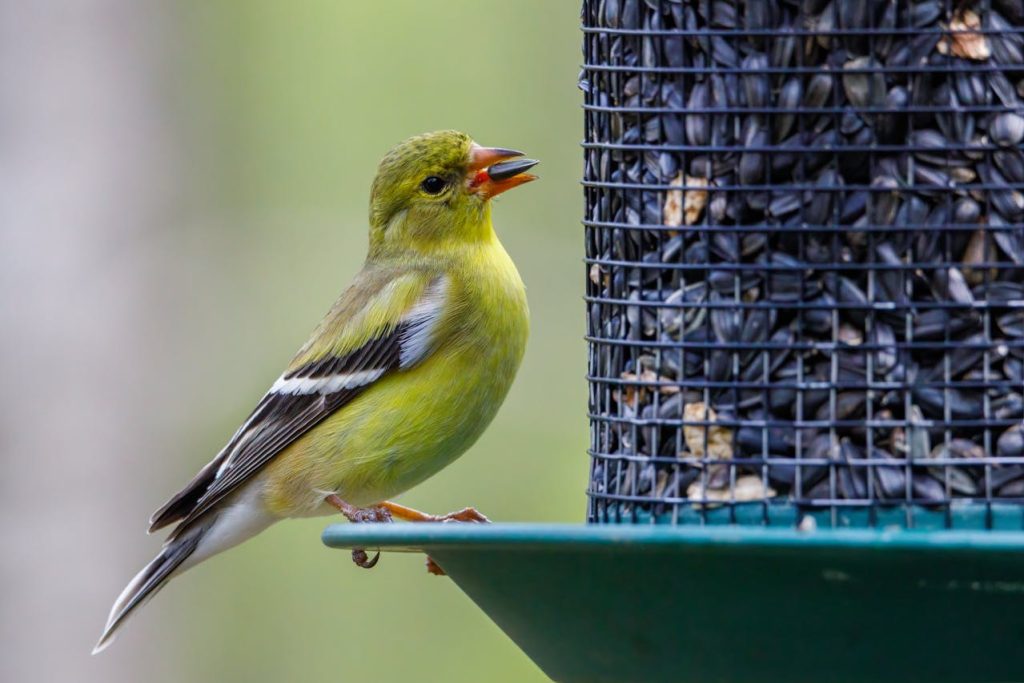
A busy stopover can be loud at sunrise and messy under perches, which is fine in a wild meadow but can strain close neighbors.
Seed hulls, droppings, and fallen fruit land on patios and cars, then the blame spreads even when the birds are the real culprits.
Place feeders away from property lines, sweep often, and keep numbers modest so the yard feels alive without turning into a nuisance.
A Safer Stopover Plan That Still Feels Wild
The safest bird stopover is built around cover and native food, not constant refills that force birds to crowd and compete.
Layer shrubs, small trees, and leaf litter so insects thrive. Then add one clean water source and only a couple feeders as backups.
Track what you see and adjust, because migration shifts week to week and the yard should respond like a living system.
Clean on a schedule, move feeders seasonally, and make windows visible. With those habits, the spring rush stays magical and low-risk.