

Winter is rarely the clean, steady cold shown in catalog photos. Real gardens ride thaw-and-freeze swings, wind that scours beds bare, and wet soil that lingers like a cold sponge around sleeping roots.
The perennials that come back reliably tend to play defense. They form sturdy crowns, keep buds tucked low, and handle surprise warm spells without rushing into tender growth. A little snow cover helps, but good drainage and a calm spring wake-up matter more than bravado, especially where ice crusts and March rain arrive together. When the garden feels uncertain, these plants return like old friends, steady and on time.
Peonies
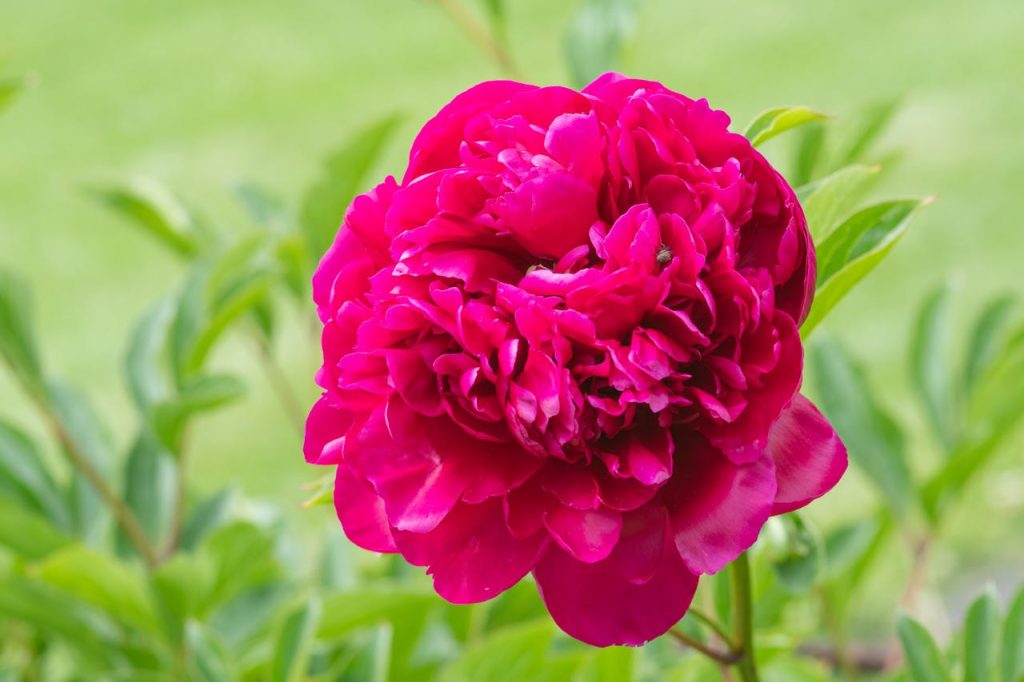
Peonies earn loyalty by refusing to be rushed. Their buds sit on thick, long-lived crowns, and once established, they push up sturdy shoots even after windburn, crusted snow, and late cold snaps.
Winter problems usually start with wet feet, not low temperatures. Waiting to cut stems until they brown after a hard freeze, then clearing the debris, lowers disease pressure without leaving the crown exposed during thaw-and-freeze swings.
Planting too deep can mute blooms, while planting too high invites heaving. Set the eyes close to the surface, give full sun, and let the plant stay put for years of quiet, dependable return.
Bearded Iris
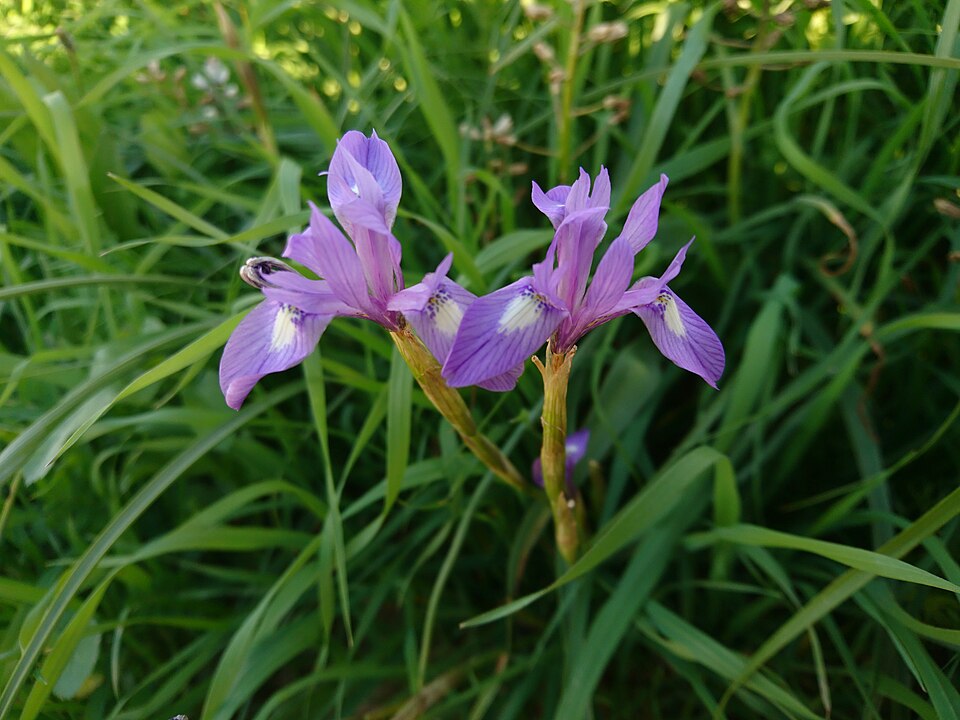
Bearded iris look delicate in bloom, but their thick rhizomes are built for endurance. They sit close to the surface, store food, and push fresh fans even after a winter that keeps changing its mind.
Dieback usually traces back to moisture and shade. Rhizomes that stay wet can soften and rot, especially when rich mulch is piled over them like a winter coat that never dries and never breathes.
Keeping rhizomes partly exposed, trimming browned foliage after frost, and thinning crowded clumps gives air and sun room to work. When spring light steadies, iris rise with crisp leaves, firm bases, and buds that feel almost inevitable.
Hostas
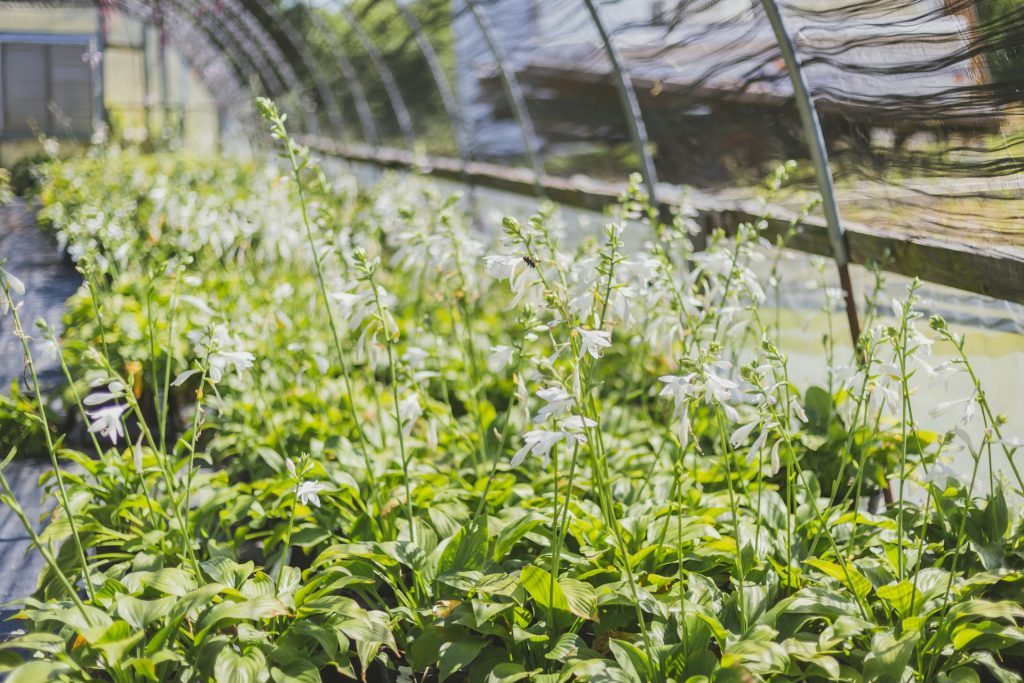
Hostas survive winter by disappearing on purpose. Their buds stay tight in the crown, protected by soil and settled leaf litter, while the foliage collapses and turns to a soft blanket after frost.
The real risk comes from leaving slimy, dying leaves in place through odd warm spells. That mat can hold water against the crown and shelter problems that chew or rot new shoots as soon as they surface.
Removing spent foliage after it yellows, and keeping mulch loose rather than packed, lets crowns breathe while still buffering cold. Planted where water drains slowly but never puddles, hostas return in tidy, reliable mounds each spring.
Daylilies
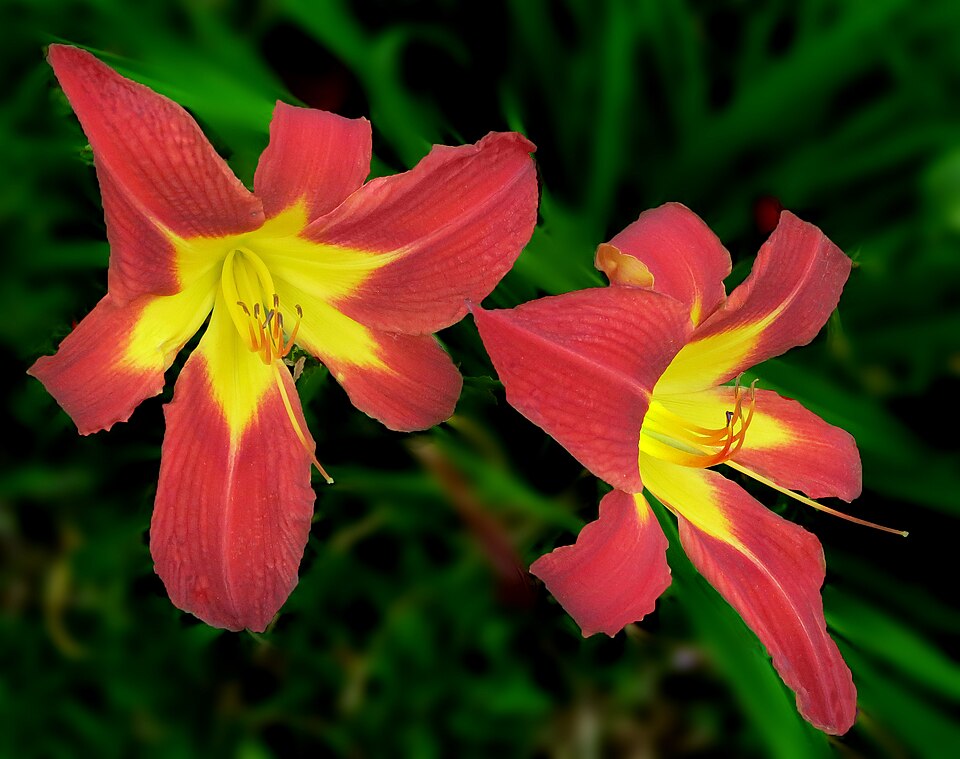
Daylilies behave like practical travelers. They store energy in fleshy roots, shrug off temperature swings, and re-sprout even when ice wind flattens the foliage and snow cover comes and goes.
Their biggest weakness is crowding. Older clumps can form tight mats that trap moisture, and a wet winter can soften the crown long before any true cold causes harm.
Lifting and dividing every few seasons restores air pockets, resets planting depth, and lets the crown dry between storms. With soil that drains after downpours, daylilies return with steady green fans and blooms that feel earned, not lucky, year after year, without fuss.
Purple Coneflower

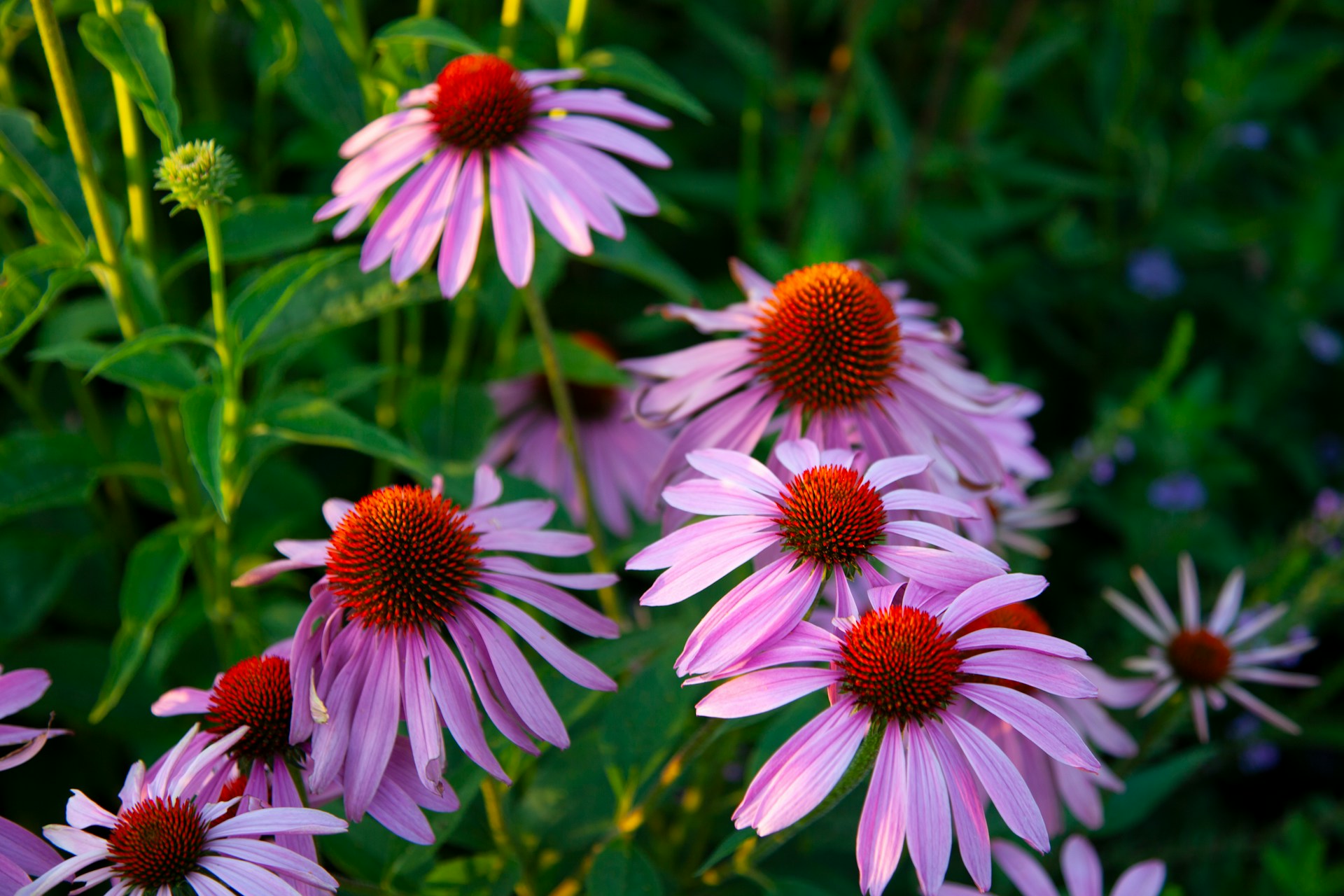
Purple coneflower is a prairie native with a thick taproot and a stubborn will to return. Even when winter strips the bed, the plant holds its buds low and waits for real warmth before moving.
Leaving the seedheads standing can help catch snow, and the hollow stems shed water better than many soft-stemmed perennials. The bigger threat is heavy, waterlogged soil that smothers roots through long thaws and refreezes.
A sunny site with decent drainage, plus mulch kept off the crown, keeps the plant steady. When summer settles in, coneflowers rise on straight stems, bringing color and pollinator traffic with very little winter drama.
Black-Eyed Susan
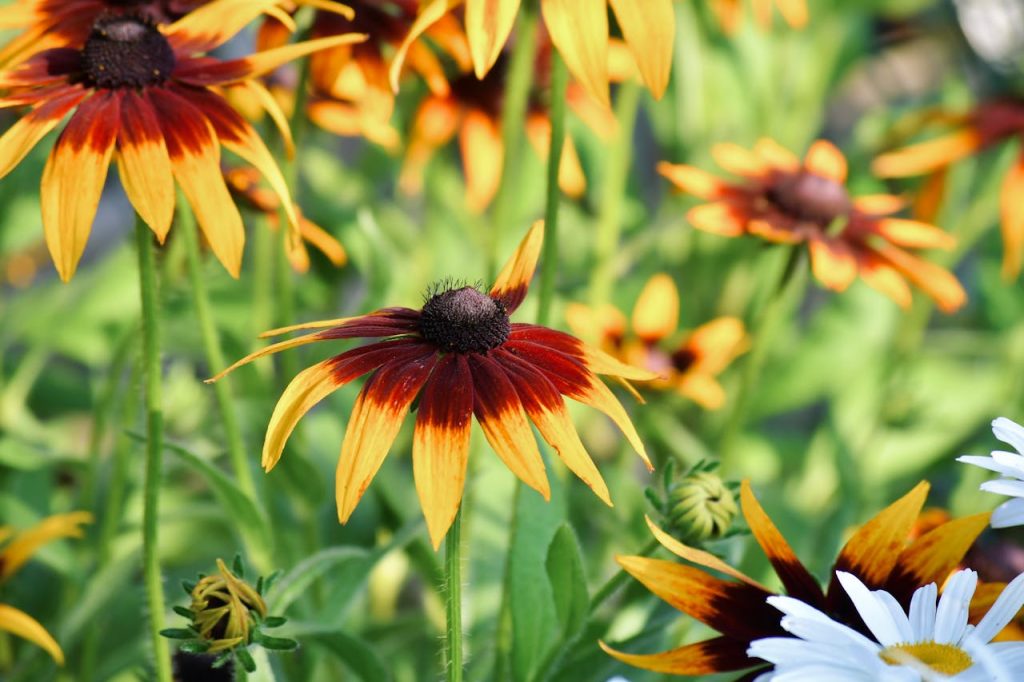
Black-eyed Susan carries summer warmth in its very posture, yet it overwinters with quiet grit. Many forms build sturdy crowns and fibrous roots that handle cold snaps and spring teasing without collapsing.
Winter loss often comes from the same old issue: saturated soil that stays cold and airless. When crowns sit in a puddle zone, freeze-thaw cycles can loosen roots and leave plants wobbling.
Planted in sun with soil that drains, black-eyed Susan thickens into a steady clump. The stems can be cut back after they brown, but leaving some structure helps trap snow and signals where new growth will appear in early spring.
Yarrow

Yarrow comes from lean places, and it shows. Its ferny foliage may flatten in winter, but the plant keeps a tough crown and roots that tolerate cold, wind, and drought better than most.
The main winter mistake is treating it like a thirsty border flower. Rich, soggy beds can cause crowns to rot, and late-season fertilizer can push tender growth that handles cold poorly when thaws turn back to ice.
In sun and well-drained ground, yarrow returns with tidy new leaves and strong stems. Dividing every few years prevents a hollow center, and leaving a little stem through winter can help mark its spot while it sleeps quietly.
Stonecrop Sedum
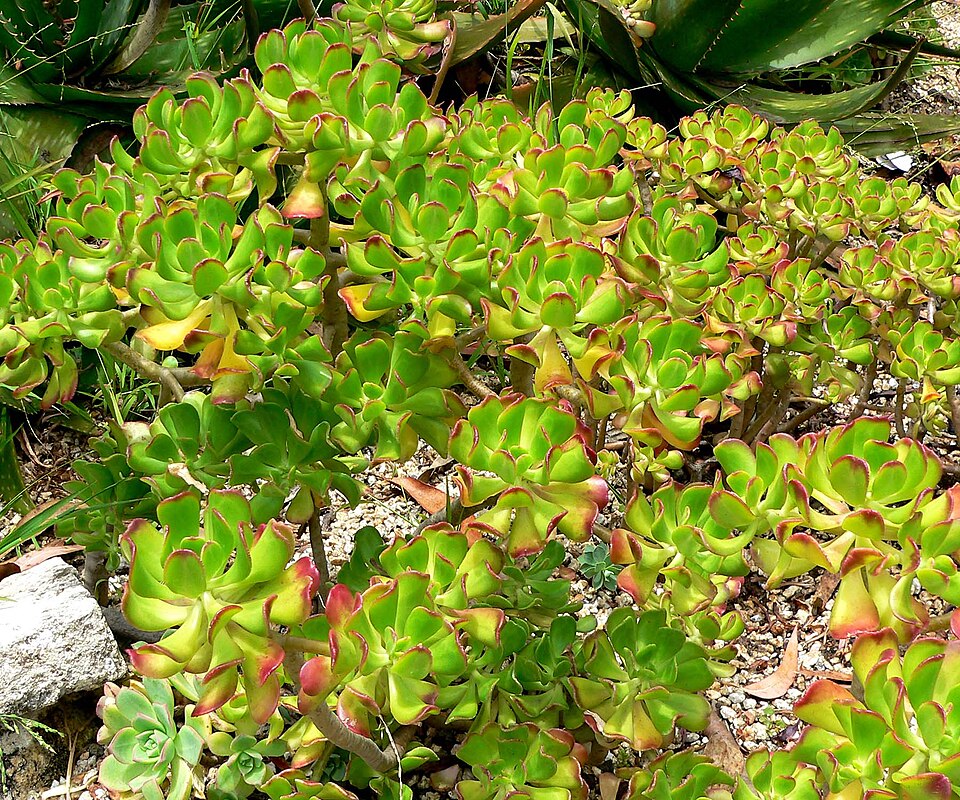
Stonecrop sedum holds its shape when other plants melt away. Its succulent stems and leaves store water, and its crown resists cold as long as the soil is not a bog through winter storms and long thaws.
Leaving the flower heads standing does more than look handsome. The dried clusters catch snow, and the stiff stems help shield the base from freeze-thaw heaving that can loosen shallow-rooted plants.
Trouble starts when shade and wet mulch press against the crown. With sun, sharp drainage, and stems cut back in early spring, sedum returns with thick new shoots and late-season blooms that feel like a calm, reliable finale.
Catmint
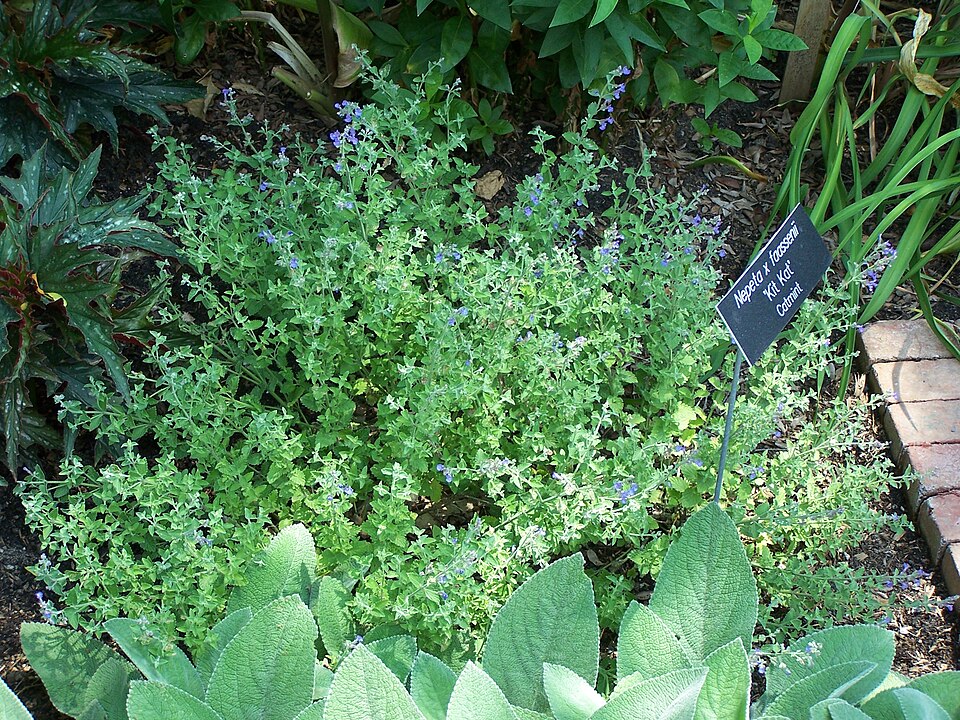
Catmint is one of those perennials that seems to forgive almost anything. It forms a slightly woody base, resists drought, and rebounds after winter even when the top growth looks battered.
Dieback is more likely when plants are cut hard in fall, then hit with a wet, open winter. Fresh cuts can invite rot, and the crown loses the small shelter older stems provide during cold snaps.
Leaving stems until spring, then trimming once new growth shows, keeps the base protected and dry. Planted in sun with decent drainage, catmint fills out quickly, offering gray-green foliage and long, reliable waves of blue bloom again, too.
Hardy Geranium
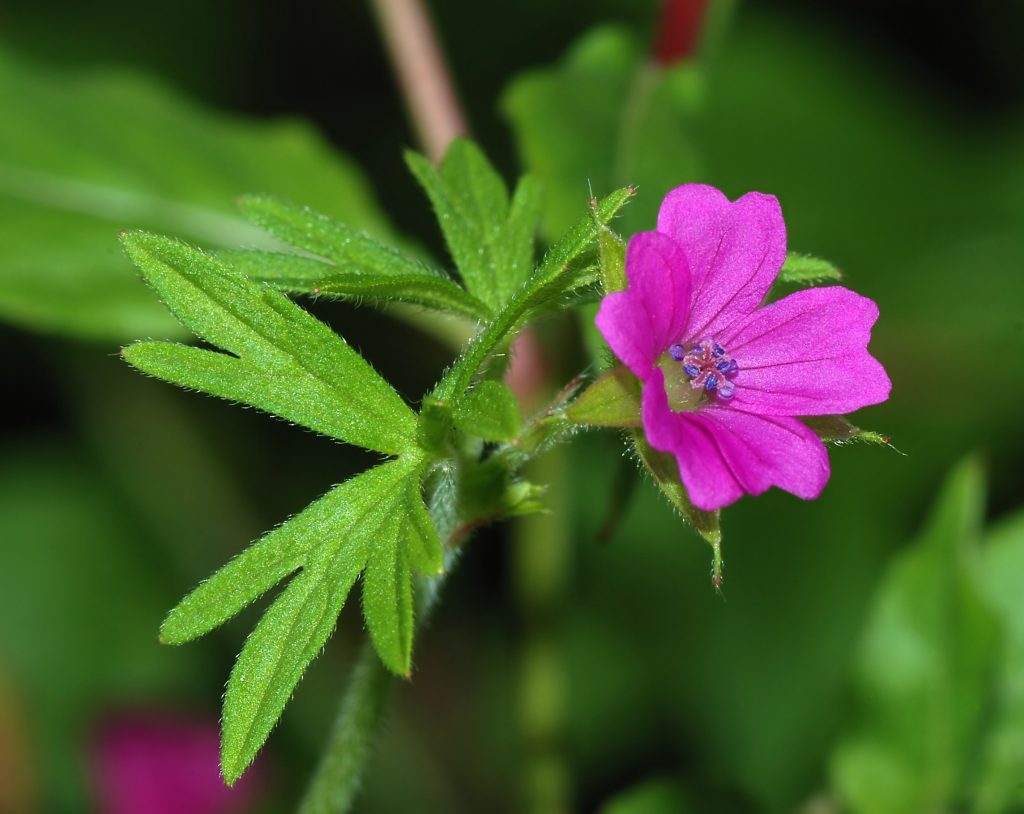
Hardy geranium, often called cranesbill, earns its keep as a living ground cover. It knits roots through the topsoil and bounces back after winter, even when the old leaves look scorched and tired.
Because it spreads low, snow and leaf litter can insulate it naturally. The winter danger shows up where water sits, especially in heavy clay that stays cold and slick long after melting begins.
Loose soil and modest mulch keep crowns from staying damp. A quick trim once growth starts tidies the plant without exposing it too early. In late spring, cranesbill returns as a green carpet that fills gaps with steady, cheerful flowers.
Switchgrass
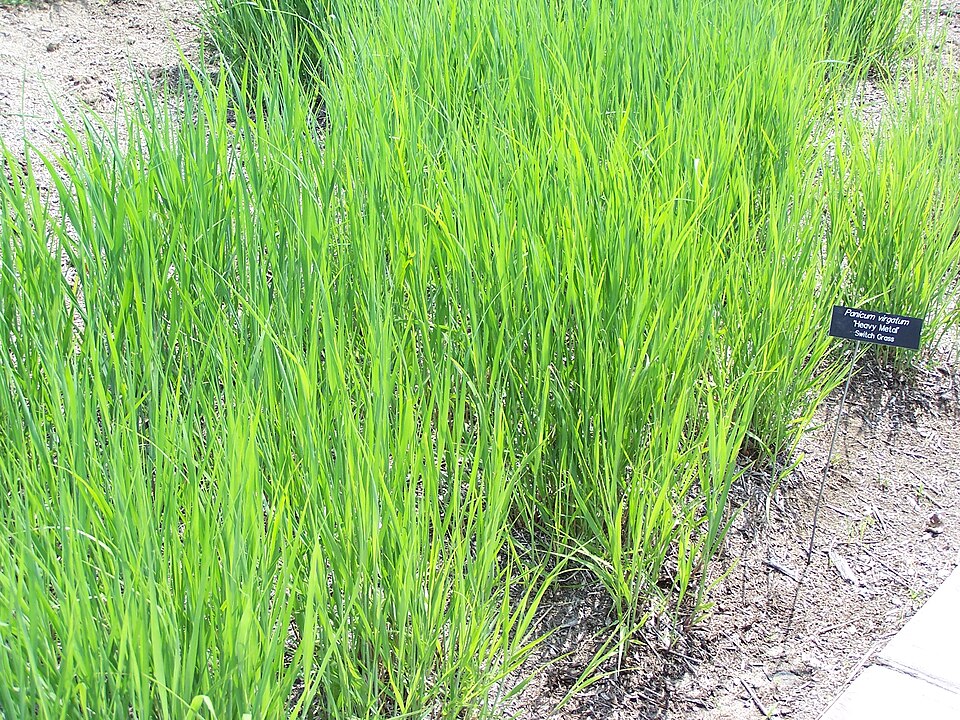
Switchgrass is a native workhorse with roots that dive deep and hold soil in place. The blades dry to a soft straw color in winter, but the crown stays protected underground, waiting for a true turn toward spring.
Dieback is usually tied to standing water or cutting it down too early. When stems are removed in fall, the clump loses its windbreak and can collect wet debris through long thaws.
Leaving the plumes standing adds texture and helps shed moisture away from the base. Cutting back only once new shoots appear keeps timing honest. With drainage, switchgrass returns as a fountain that handles heat and cold alike.