

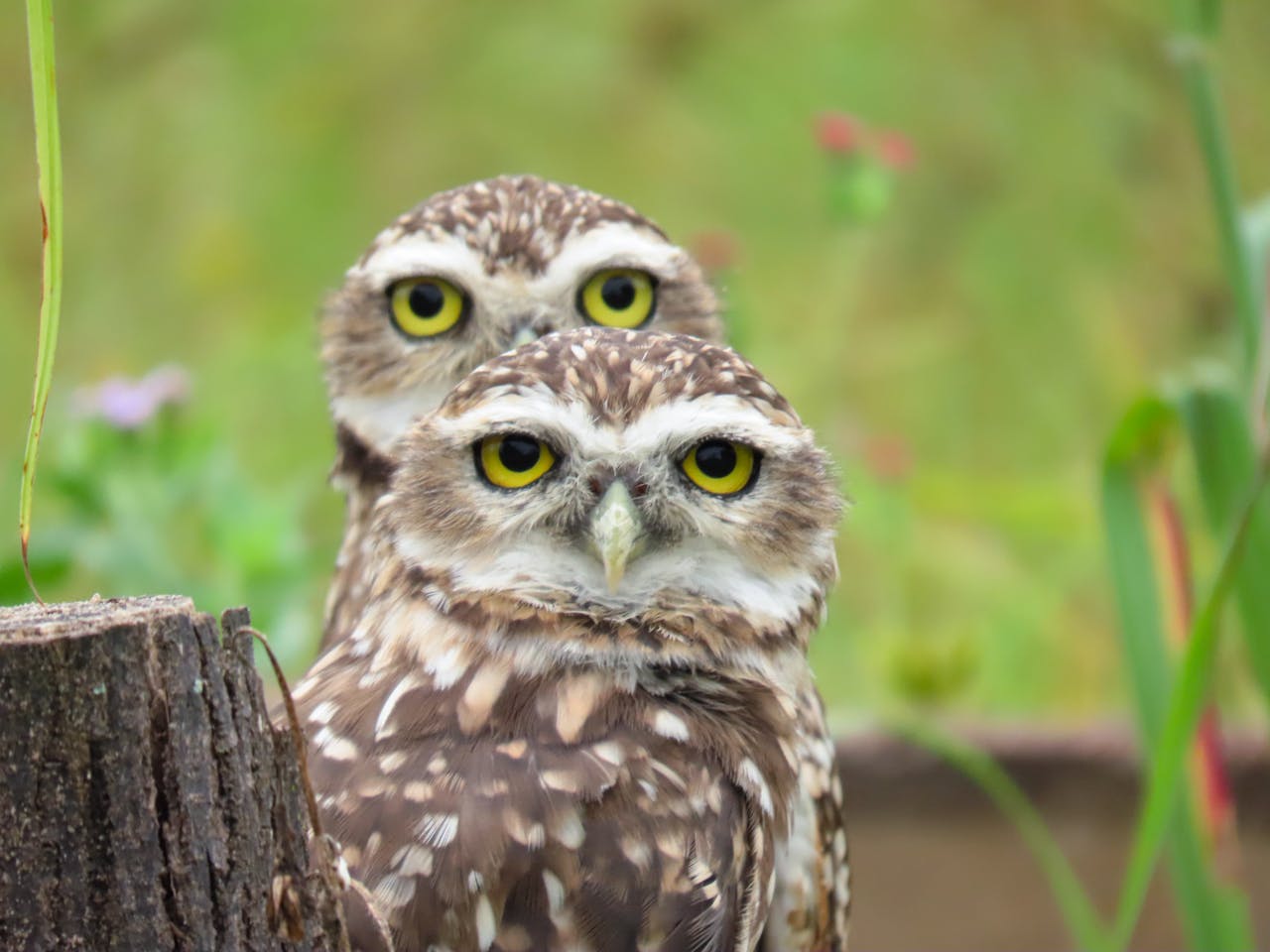
Owls do not need a fancy yard, but they do need a yard that feels safe enough to nap unseen between hunts.
Many yards look perfect to people and completely wrong to a predator that survives by staying invisible and listening.
The biggest giveaway is not your feeder or your fence, it is what your trees say about risk and shelter after dark.
One common tree habit quietly removes the exact features owls use to roost, watch for prey, and raise young.
When the owls leave, the downside is not just silence; it is fewer natural night hunters keeping rodents in check.
Even worse, the same habit can weaken the tree itself, opening the door to sun stress, pests, and breakage in storms.
The fix is less about adding an owl box and more about changing how the canopy and trunks are managed year to year.
Here is what that mistake looks like, why it backfires, and how to adjust without turning your yard into a mess.
The Mistake Is Over-Cleaning Trees

Owls read a manicured tree like a spotlighted stage, so they keep moving until they find a darker, quieter perch.
Hard limbing-up and heavy thinning strip away roost points and cover fast. To an owl, the tree suddenly has nowhere to hide.
That tidy look also erases cavities and rough bark that support camouflage. It invites daytime mobbing from jays and crows.
A tree can be healthy and still keep some complexity; owls are drawn to structure, not perfection.
What Owls Actually Look For in a Yard Tree
Most owls choose a daytime roost first, because a bad roost turns every nap into a fight with harassment birds.
They want height for a wide view, but they also want needles, leaves, or broken branch clusters that hide their outline.
Large horizontal limbs matter more than thin vertical shoots, since they offer a stable platform for landing and preening.
A rough trunk with lichens, ivy, or textured bark helps camouflage; smooth, exposed trunks do the opposite at noon.
Evergreens can be gold in winter because they keep cover when deciduous trees go bare and the yard feels exposed.
Owls also favor trees near a hunting lane, like a lawn edge, meadow strip, or low shrubs where mice travel.
Quiet matters: a roost over a bright patio, loud generator, or barking-dog zone is often skipped even if it looks perfect.
If the only tall tree is beside a busy window line, collisions and human movement can make the spot feel risky.
How the Same Pruning Choice Makes the Downside Worse
Removing dead limbs and thinning the crown reduces shade, which can dry soil faster and push small mammals into sheds and crawl spaces.
With fewer roosts, owls hunt your neighborhood less, so rodents get a longer, safer window to forage around compost and pet food.
Heavy pruning can trigger dense water-sprout growth that snaps easily, turning the tree into a storm hazard that feels unpredictable.
Sunscald on newly exposed bark is real on many species, and stressed trees attract borers and other insects owls would happily eat.
Owls also avoid yards where prey is poisoned; rodenticides can kill owls secondhand and teach local birds that the area is unsafe.
Over-cleaning removes leaf litter anchors and branch shade, which can increase mosquito-friendly puddles after irrigation or rain.
The result is a yard that looks neat in daylight but creates more pests and fewer natural checks once the sun goes down.
Signs Your Trees Look Great to You and Bad to Owls
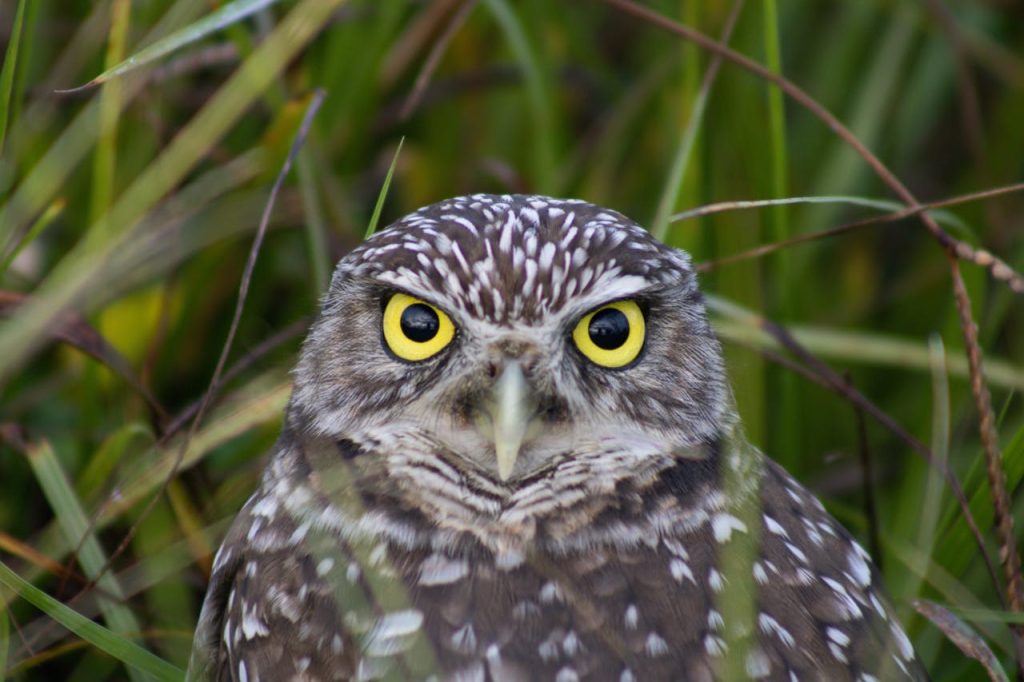
If the trunk is bare for eight to ten feet and the canopy starts like a pom-pom, you have removed the mid-level cover owls use.
A yard where every branch stub is cut flush and every cavity is filled or trimmed sends a clear message that nesting is not welcome.
When you can stand at the curb and see straight through the crown, an owl can be seen too, and that is a deal-breaker.
Multiple trees with identical shapes often means repeated topping or aggressive thinning, which produces weak regrowth and fewer sturdy perches.
If songbirds constantly mob any larger bird that lands, the roost is too exposed; owls prefer places where harassment is harder.
A Smarter Way to Prune Without Scaring Wildlife Off
Start with safety zones: remove dead or cracked limbs that could hit people, roofs, driveways, or play areas, and leave the rest alone.
Instead of limbing up every tree, keep some mid-level branches on the yard side that is quieter and less lit at night.
Thin lightly and irregularly, not evenly, so the crown keeps depth; an owl can tuck behind clumps and still have a view.
If a snag is stable and far from targets, consider keeping it as a wildlife pole, or shorten it rather than cutting it down.
Prune in smaller rounds across years, because a sudden change makes birds abandon familiar routes and forces trees into stress regrowth.
Pair pruning with habitat: let a shrub border grow under one tree, and you create a hidden corridor that feels like home.
Night Lighting on Trees Can Cancel Every Other Improvement
Bright uplighting turns a good roost into a stage, and owls avoid places where their silhouette is easy to read.
Motion lights aimed into the canopy can hit an owl in the eyes as it lands. After a few scares, it will choose another yard.
Use warmer, downward lights on paths instead. Keep the darkest corner near the best tree so wildlife has a refuge.
Even a small shift in fixture angle can restore shadow pockets that make an owl feel like it can disappear.
Simple Owl-Friendly Additions That Do Not Look Messy
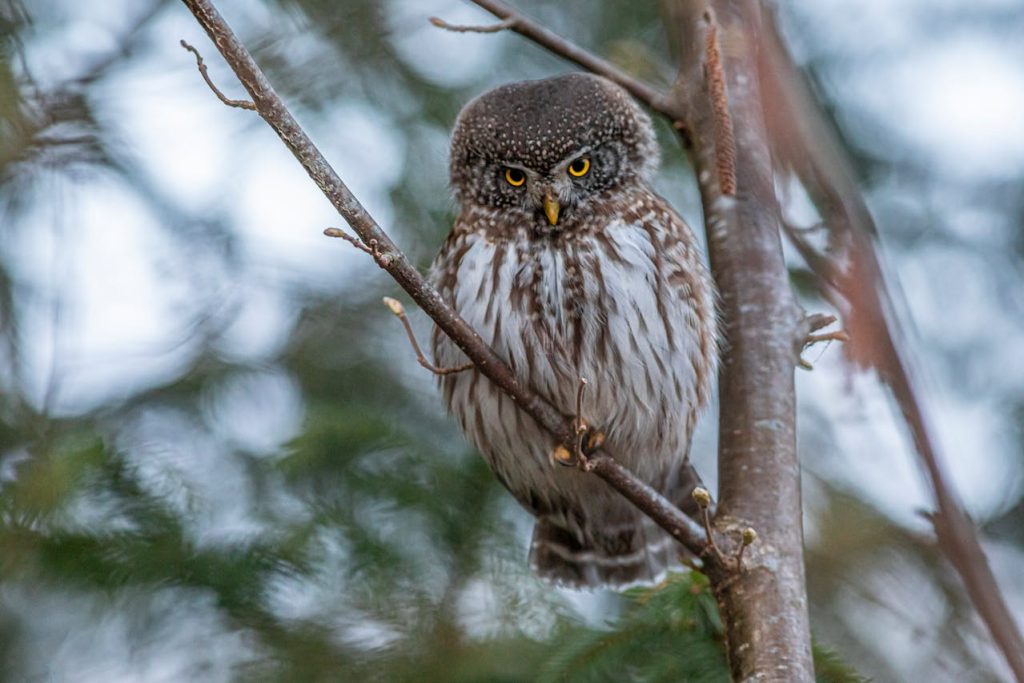
An owl box can help, but it works best when the nearby tree still offers a shaded landing limb and a quiet approach route.
Keep grass a bit longer along one edge or behind a fence line, because that is where mice run and where owls like to hunt.
Skip rodent poison and use trapping or exclusion instead; a living owl is a better long-term solution than a bait station.
Timing and Patience Matter More Than People Expect
Prune in the right season so the yard does not feel like a construction site during nesting and roosting months.
Late winter or early spring is often safer for many trees. Still, avoid active nests and delay work if wildlife is using the canopy.
After you change the structure, give it a full season to settle. Local owls need time to test perches and relearn night routes.
A quieter, slightly messier tree can bring back the soft hoots that make a yard feel alive after dark.