

Shade is not a dead zone. It is a different kind of stage, one built for texture, calm color, and plants that don’t need heat to prove themselves. In north-facing beds, under trees, or beside a porch that blocks afternoon light, the right choices can look fuller than sun borders because their leaves stay fresh. Many shade plants also enjoy steadier moisture, which helps them hold shape through summer. These 12 picks turn dim corners into places that look intentionally designed.
Hosta
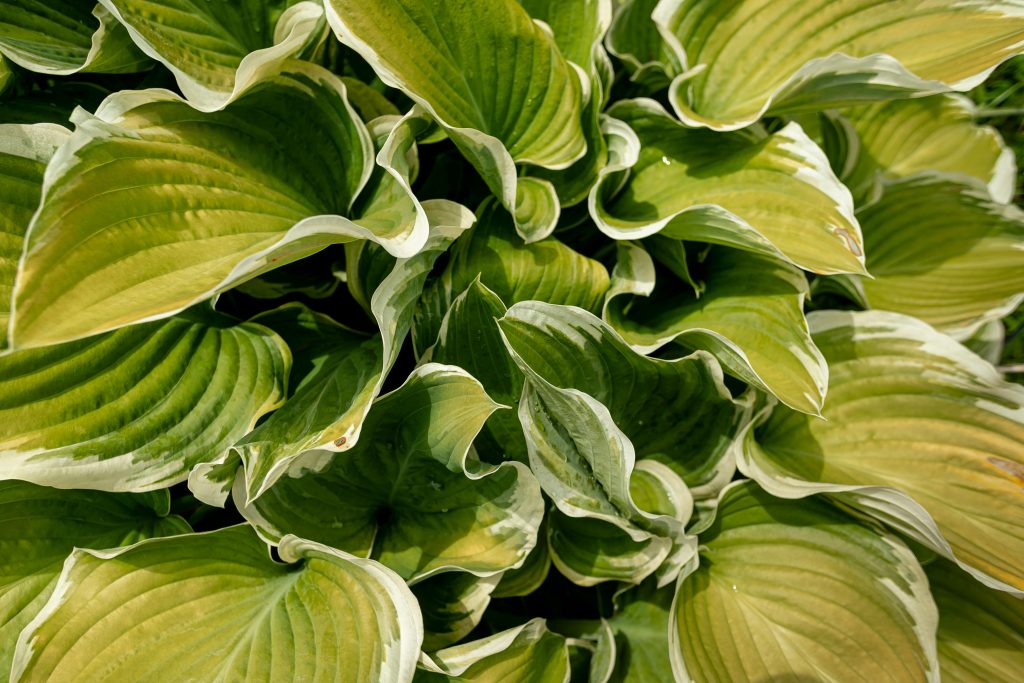
Hostas are the classic shade anchor, grown less for flowers and more for bold leaves in greens, blues, and creamy variegation that read bright even in deep shade. They prefer rich soil that stays evenly moist, and they look best in drifts so the foliage forms a calm, layered wave along a path. Slugs can be an issue in damp climates, so airflow, morning watering, and thicker-leaved varieties help, and the garden still looks polished long after blooms fade.
Japanese Painted Fern
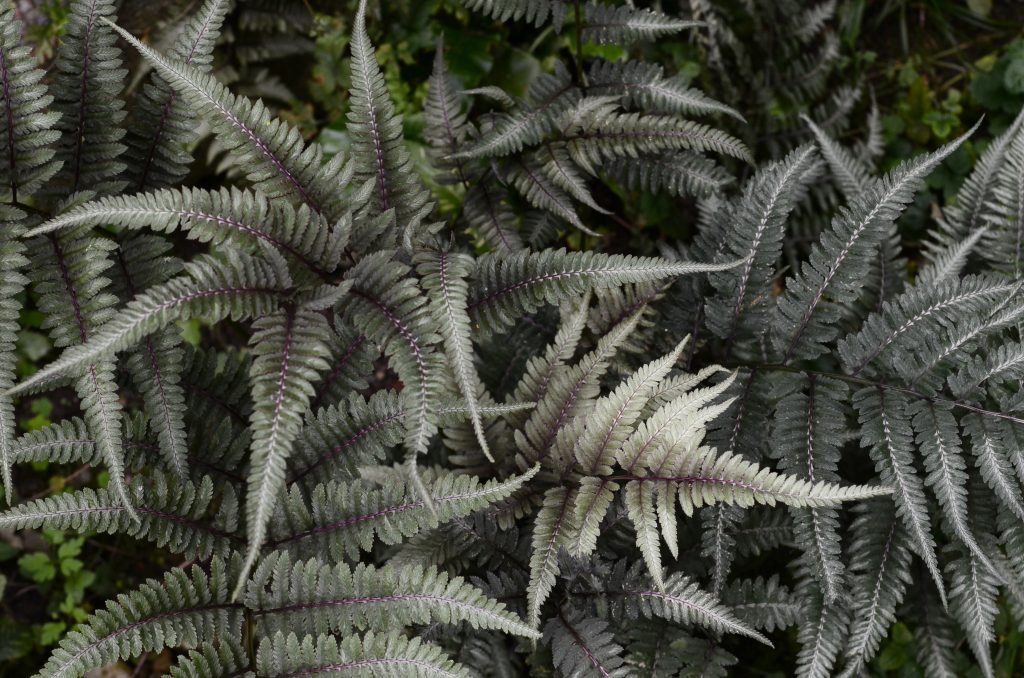
Japanese painted fern brings color without sunlight, with silvery fronds brushed in green and burgundy that glow in low light like watercolor on paper. It likes consistent moisture and humus-rich soil, and it pairs beautifully with hostas because the fine fronds soften broad leaves. In dry shade, a mulch layer and steady watering matter more than fertilizer, and the plant rewards that care by staying elegant through heat while many sunnier favorites look tired.
Astilbe

Astilbe earns its place in shade with feathery plumes that rise above tidy mounds of foliage, adding movement and soft drama when most shade beds lean quiet. It prefers moisture and will sulk in dry, root-filled soil, so it shines near downspouts, ponds, or irrigated borders. The blooms fade to warm tan tones that still look intentional, and even after flowering, the ferny leaves keep the planting from feeling flat or empty.
Hellebore
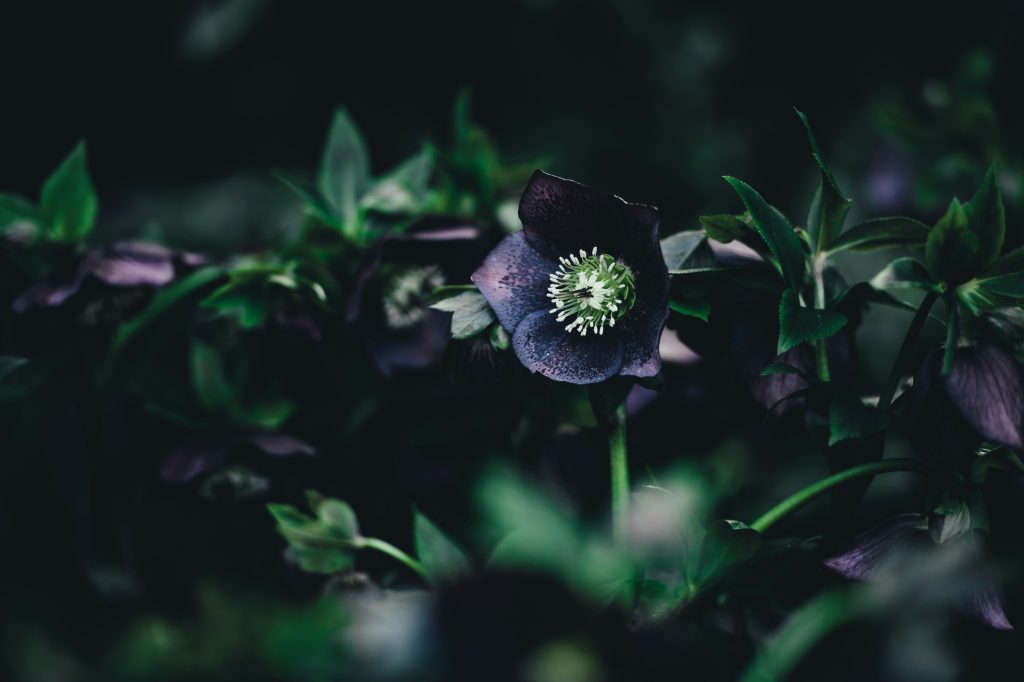
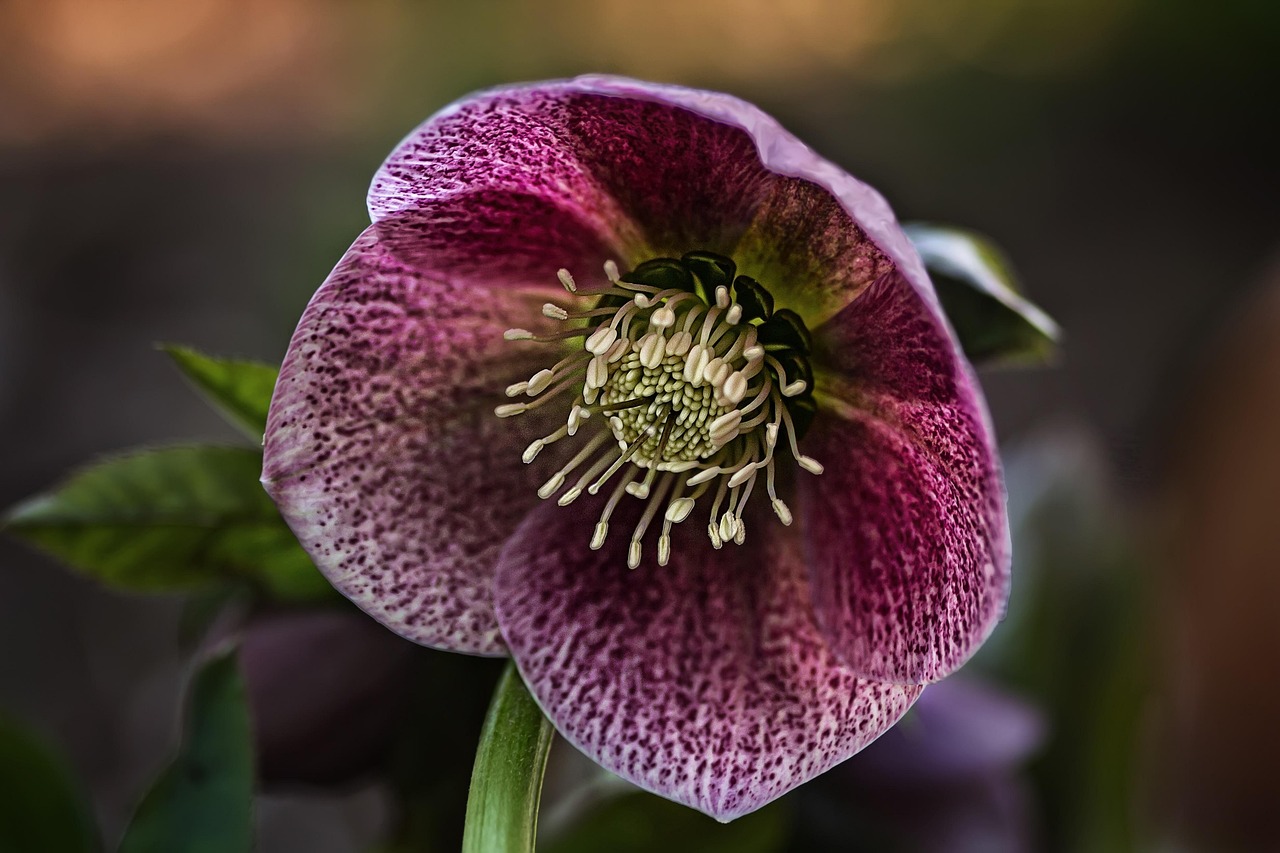
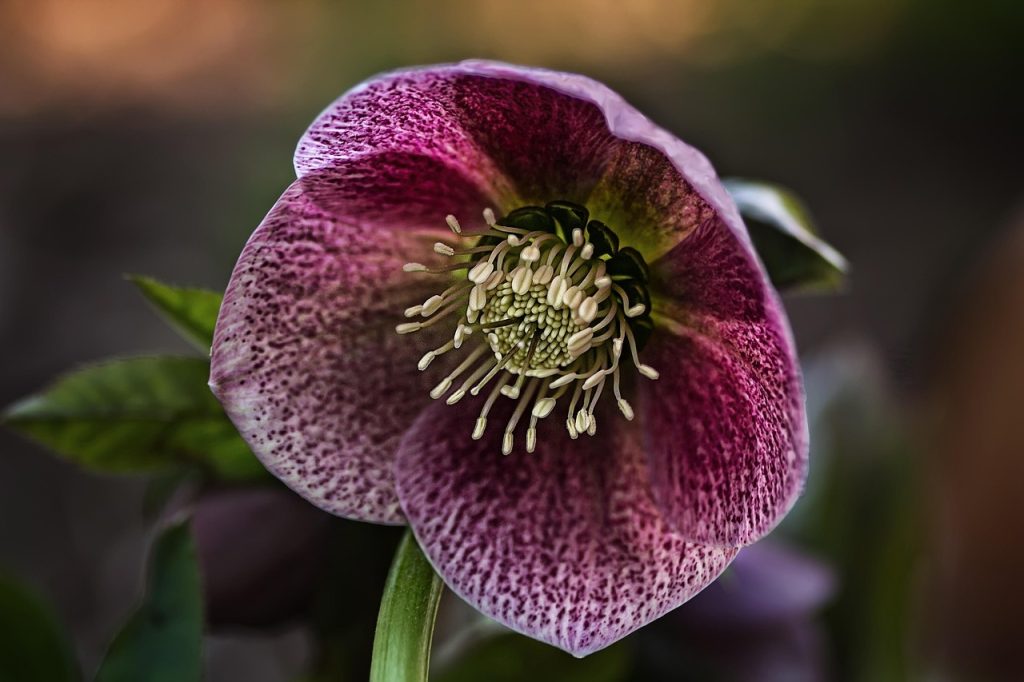
Hellebores, often called Lenten rose, bring early-season confidence to shade, blooming when the garden is still half asleep and the light is thin. Their nodding flowers come in whites, greens, pinks, and deep plum shades, and the leathery evergreen leaves keep structure through much of the year. They dislike soggy ground but handle dry spells once established, and they look especially refined under deciduous trees, where winter sun reaches them before the canopy fills.
Coral Bells
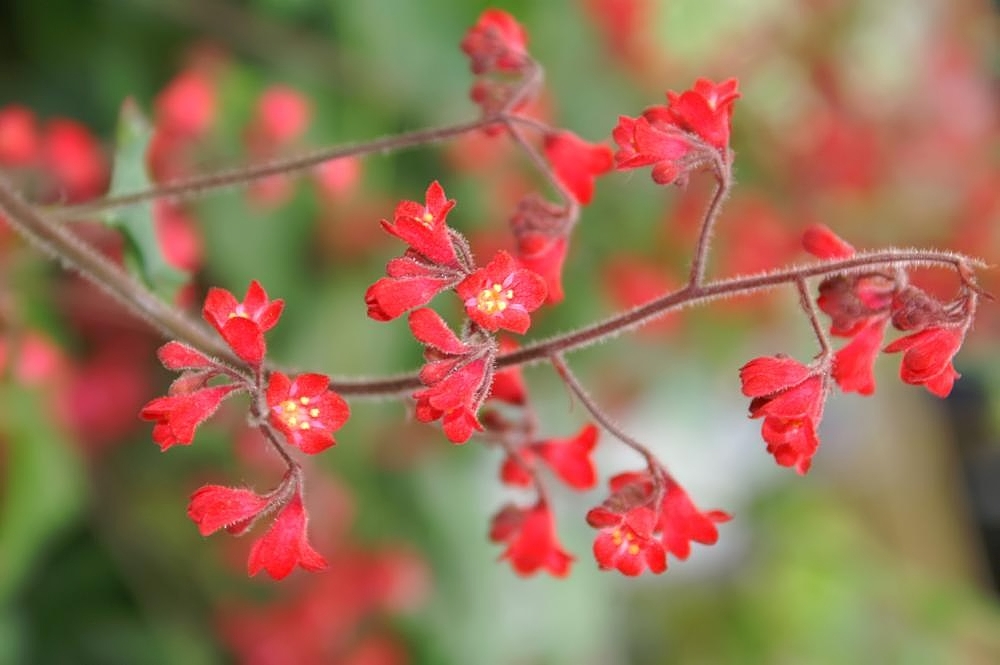
Coral bells offer shade-friendly color in the leaves, not the blooms, with varieties ranging from lime to near-black, plus marbled and silvered forms that brighten dim beds. They like well-drained soil and regular moisture, and they handle partial shade beautifully, especially when morning light shows off the foliage. Airflow helps prevent leaf issues, and cutting back tired stems freshens the mound fast, keeping the plant looking crisp along borders and in containers.
Brunnera
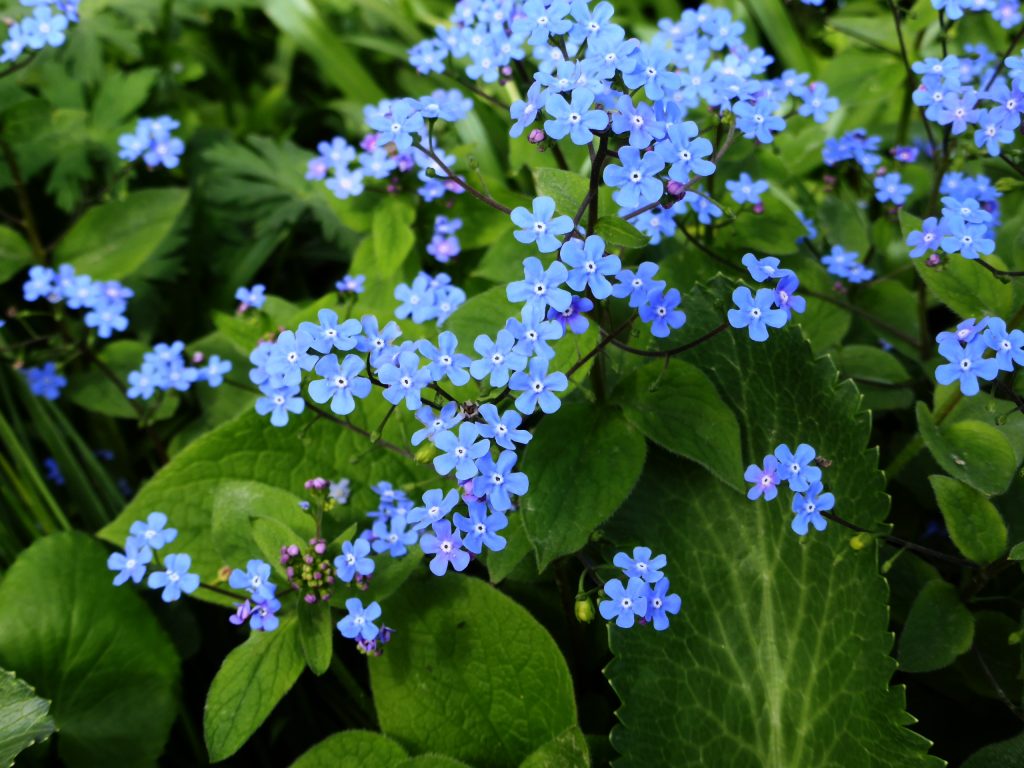
Brunnera, often sold as Siberian bugloss, is a shade favorite for heart-shaped leaves, especially silver varieties that look like they carry their own light. In spring, tiny blue flowers echo forget-me-nots, then the foliage takes over as the main event. It prefers cool soil and consistent moisture, and it struggles in hot, dry corners, so it rewards placement near mulch and shade that stays steady. In a mixed bed, it provides a clean, luminous base layer.
Lungwort
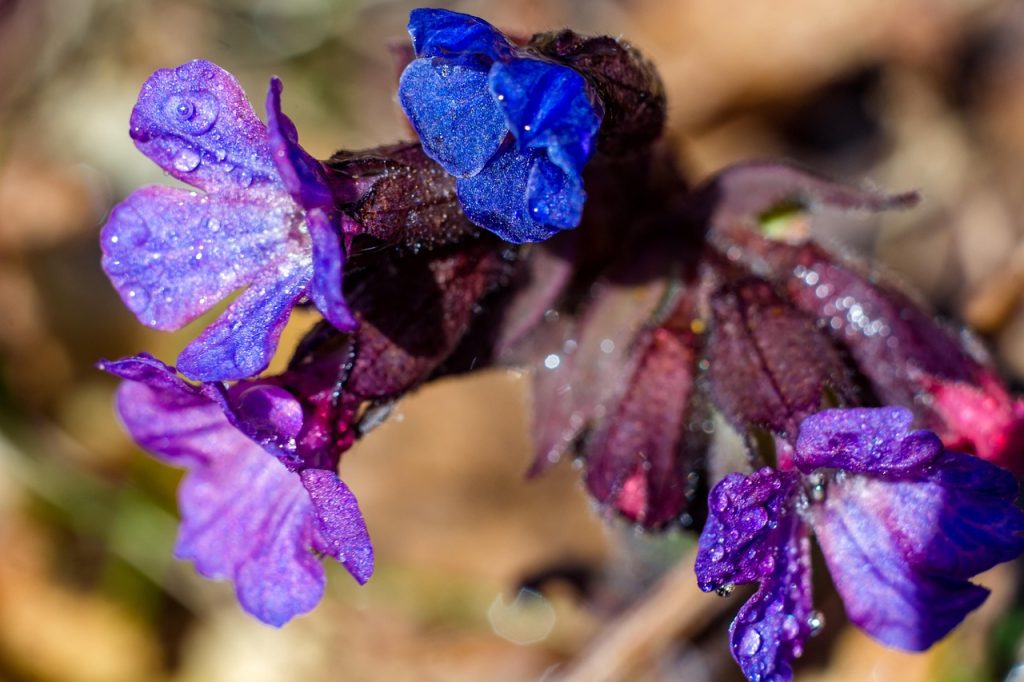
Lungwort is an old-fashioned plant that feels modern in shade because it combines spotted leaves with early flowers in blues, pinks, or purples that often shift color as they age. The foliage stays attractive long after bloom, especially in cooler climates, and the speckling brightens dark ground like scattered moonlight. It prefers moisture and appreciates shade that protects it from harsh afternoon heat, and it looks best when paired with ferns and hellebores for a quiet, woodland feel.
Bleeding Heart
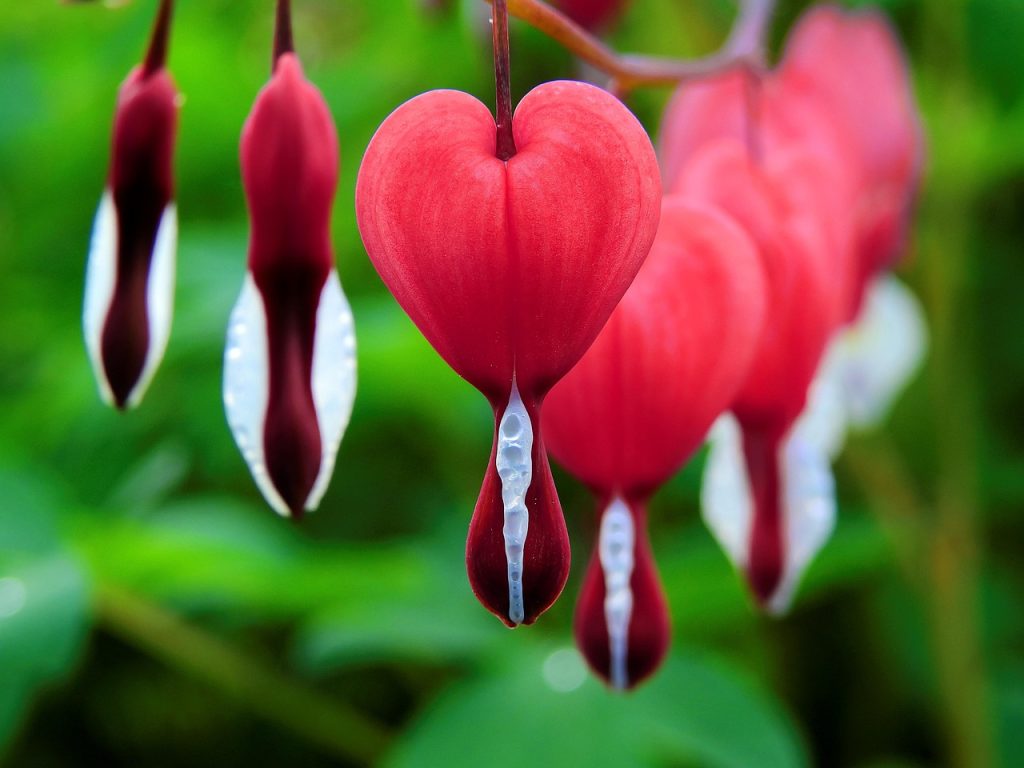
Bleeding heart brings a soft, romantic note to shade, with arching stems hung with heart-shaped blooms that look like tiny lanterns in spring. It thrives in cool, moist soil and appreciates protection from hot afternoon sun, which can shorten its best season. Many types go dormant in midsummer, so it pairs well with hostas, ferns, or brunnera that fill the gap after the flowers fade. In the right spot, it turns a plain corner into a moment.
Foamflower
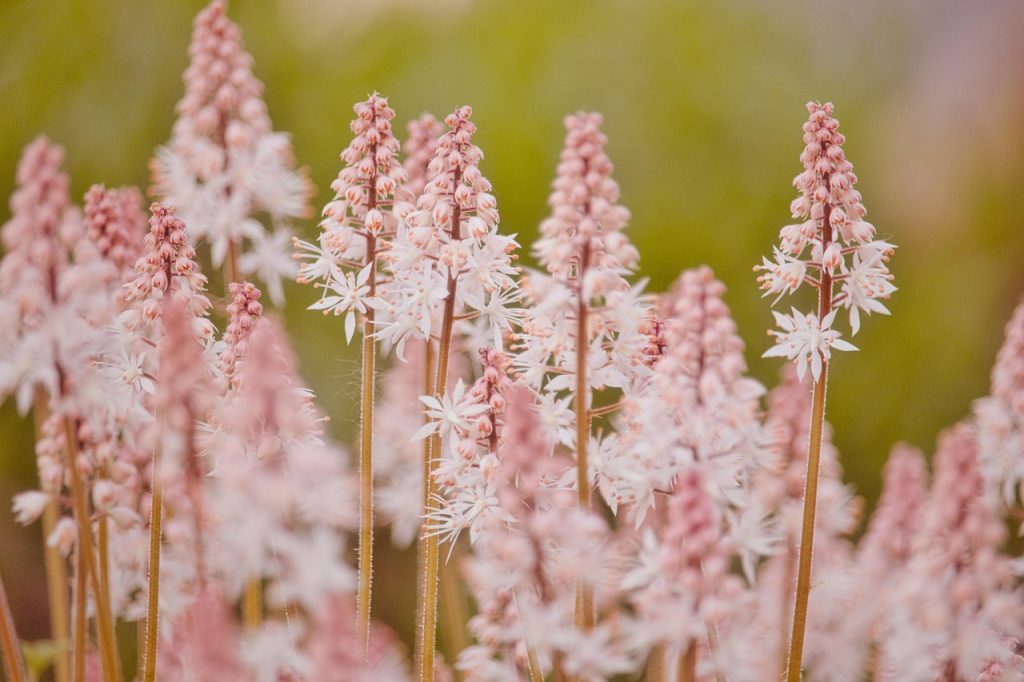
Foamflower spreads gently in shade, forming a low, leafy carpet topped with frothy white blooms that hover like a light mist in spring. It handles dappled light well and likes moist, humus-rich soil, making it a strong choice under trees where grass refuses to cooperate. Many varieties have handsome veining on the leaves, so the plant stays interesting after flowering, and it can stitch together taller plants so the bed looks finished instead of patchy.
Solomon’s Seal
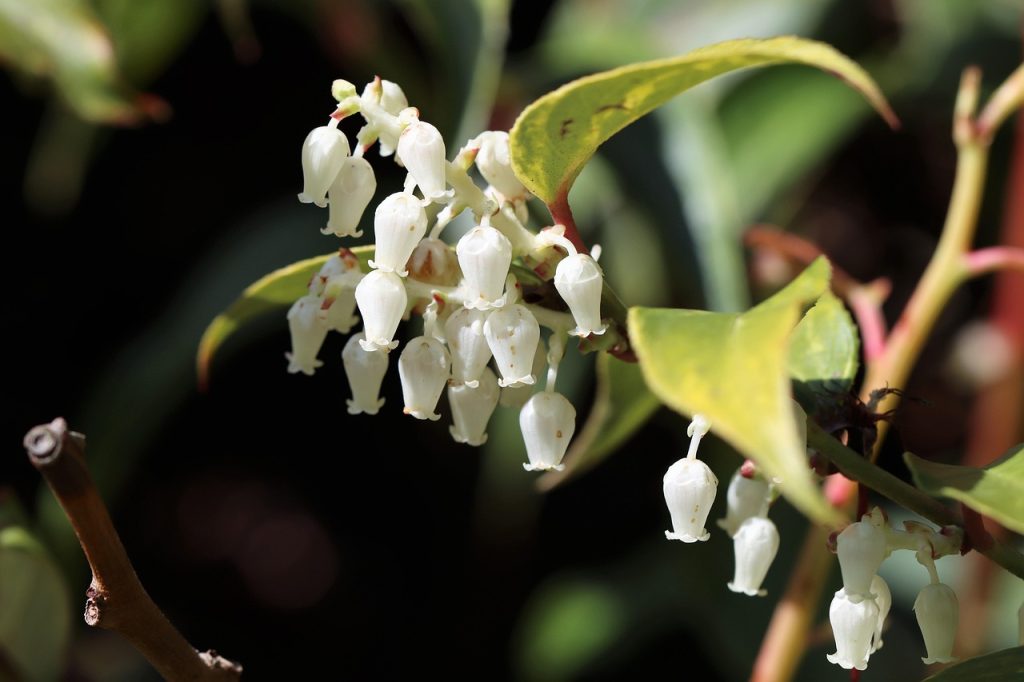
Solomon’s seal adds graceful architecture to shade with upright stems that arch outward, carrying dangling white bells beneath clean, oval leaves. It handles dry shade better than many flowering plants once established, though it still appreciates compost and mulch that keep roots cool. Over time it forms a quiet colony that looks natural, not forced, and in fall the foliage often turns soft yellow. It is a strong choice for woodland edges and long, narrow side yards that need height without bulk.
Toad Lily
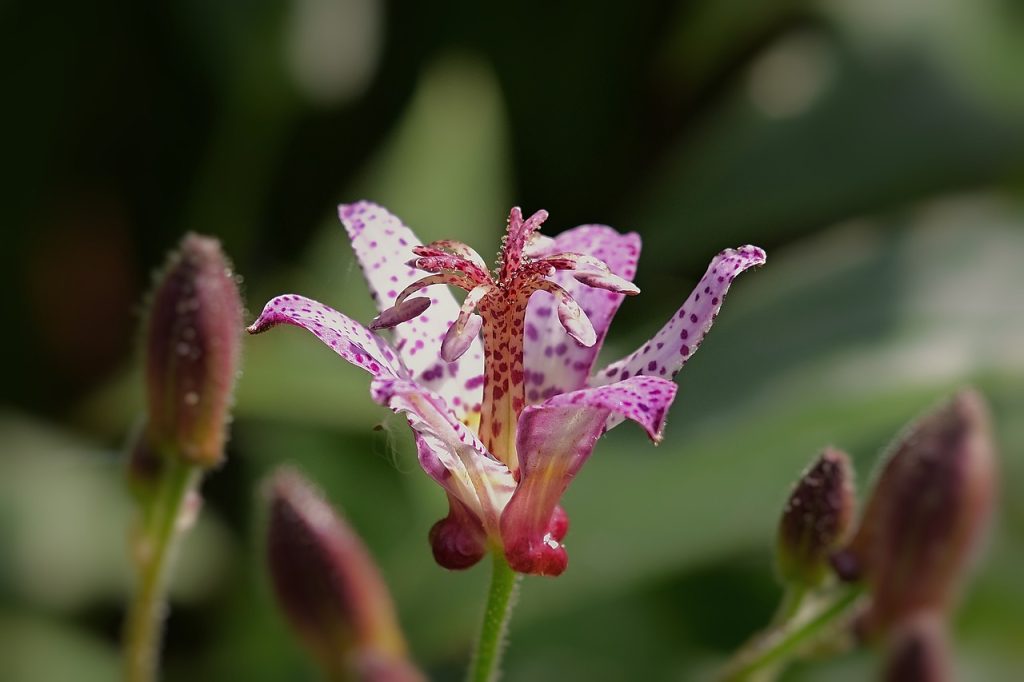
Toad lily waits until late season to surprise, producing orchid-like blooms in spotted purples and whites when many shade beds have already moved into quiet green. It likes moisture and rich soil, and it benefits from a sheltered spot where stems won’t flop in heavy rain. The plant’s value is timing: it extends interest into late summer and early fall, and it pairs well with ferns and hostas because the flowers appear above familiar foliage, adding a fresh layer without replanting.
Lamium
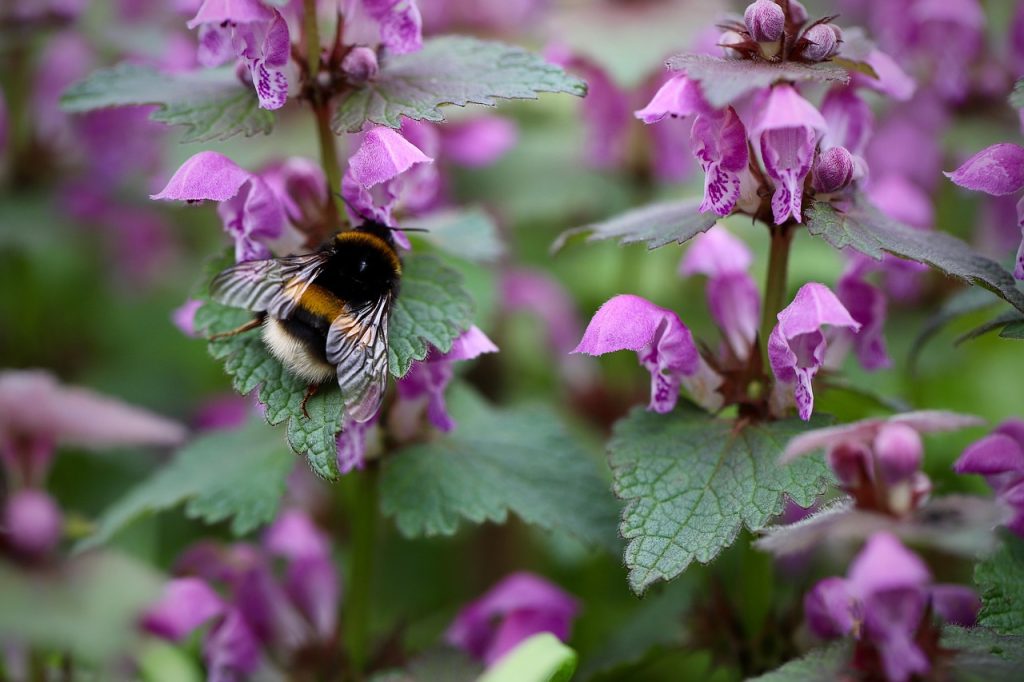
Lamium is a fast, reliable ground cover for shade, with trailing stems and silver-patterned leaves that brighten dark soil while smothering weeds. In spring and early summer it produces small pink or purple flowers that pull in pollinators, and the foliage stays present for months with minimal care. It tolerates dry shade once rooted, but it looks best with occasional watering and a quick trim to keep edges neat. In borders, it works like living mulch, softening hard lines around shrubs and stones.