

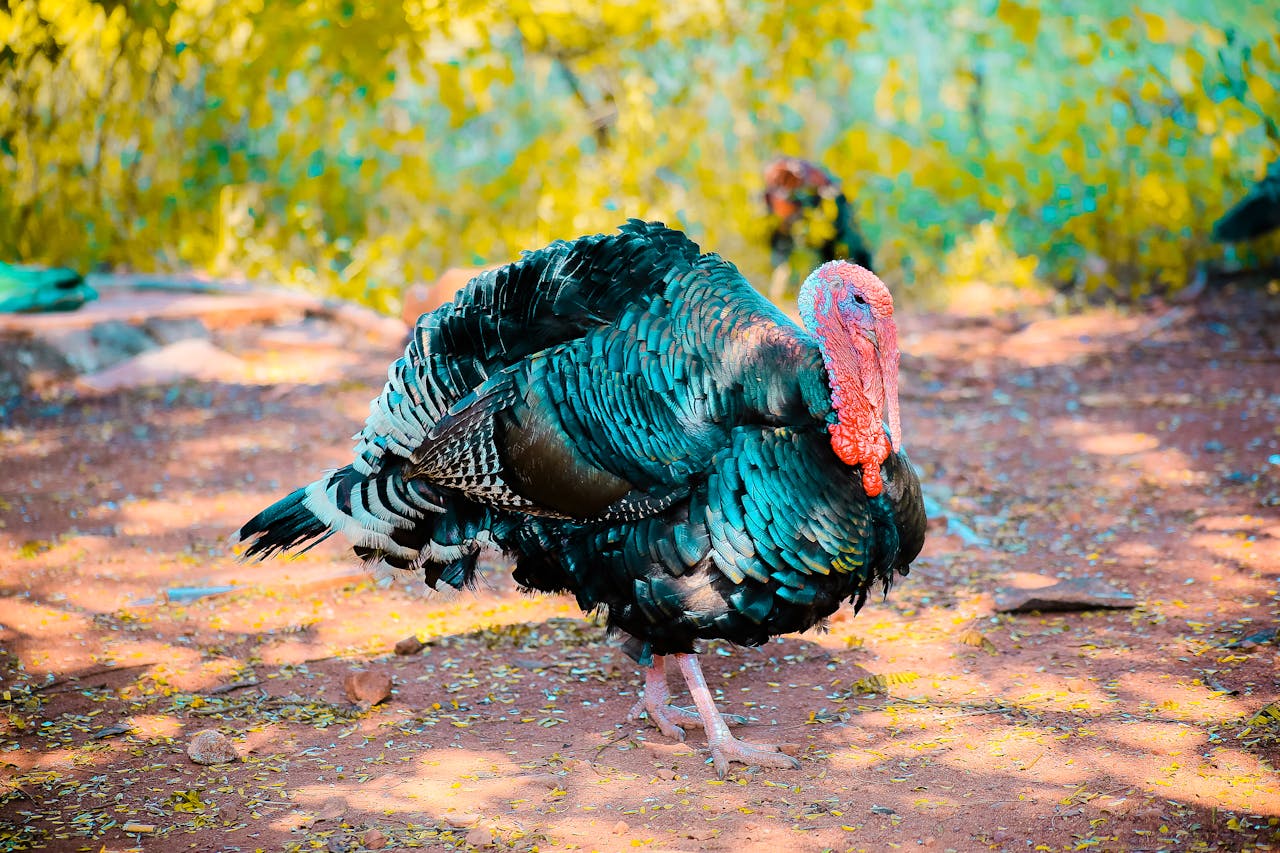
Wild turkeys can feel like a steady presence, a familiar silhouette at field edges and oak ridges. Yet wildlife biologists across parts of the Southeast have flagged a quiet shift that hides inside the nest: in places with heavier spring hunting pressure, more hatchlings are turning out female.
The pattern shows up in genetics pulled from hatched eggs, not roadside guesses, and it repeats across multiple study sites. Researchers say it is subtle, but it matters because sex ratios shape future breeding, gobbling activity, and long-term stability, often years before counts dip. That makes it an early warning for managers.
More Daughters Where Spring Harvest Is Common
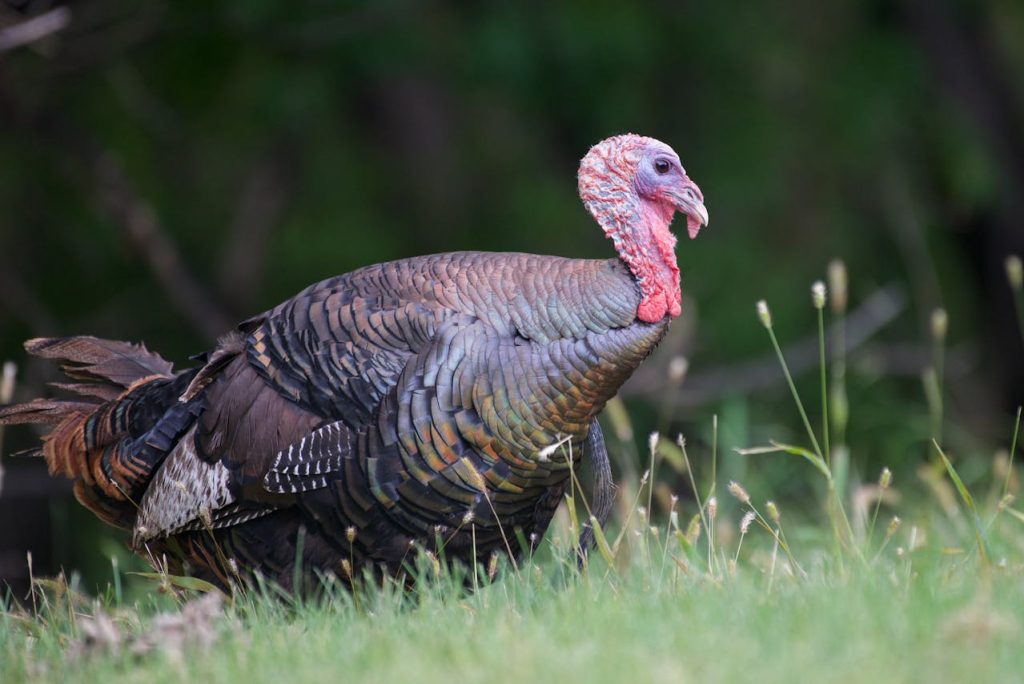
Across several southeastern study areas, researchers saw broods lean female on sites open to spring hunting. On those hunted landscapes, hens were about 23% more likely to produce daughters, and some locations averaged close to two-thirds female poults instead of an even split.
The same research found near-parity on a comparable site with little hunting pressure, which makes the contrast hard to dismiss as random luck. Published in the Journal of Avian Biology, the work frames the skew as an early signal that management pressure can shape turkey reproduction before the bigger decline shows up. It is a small bend with a long shadow.
The Numbers Came From Genetics, Not Guesswork
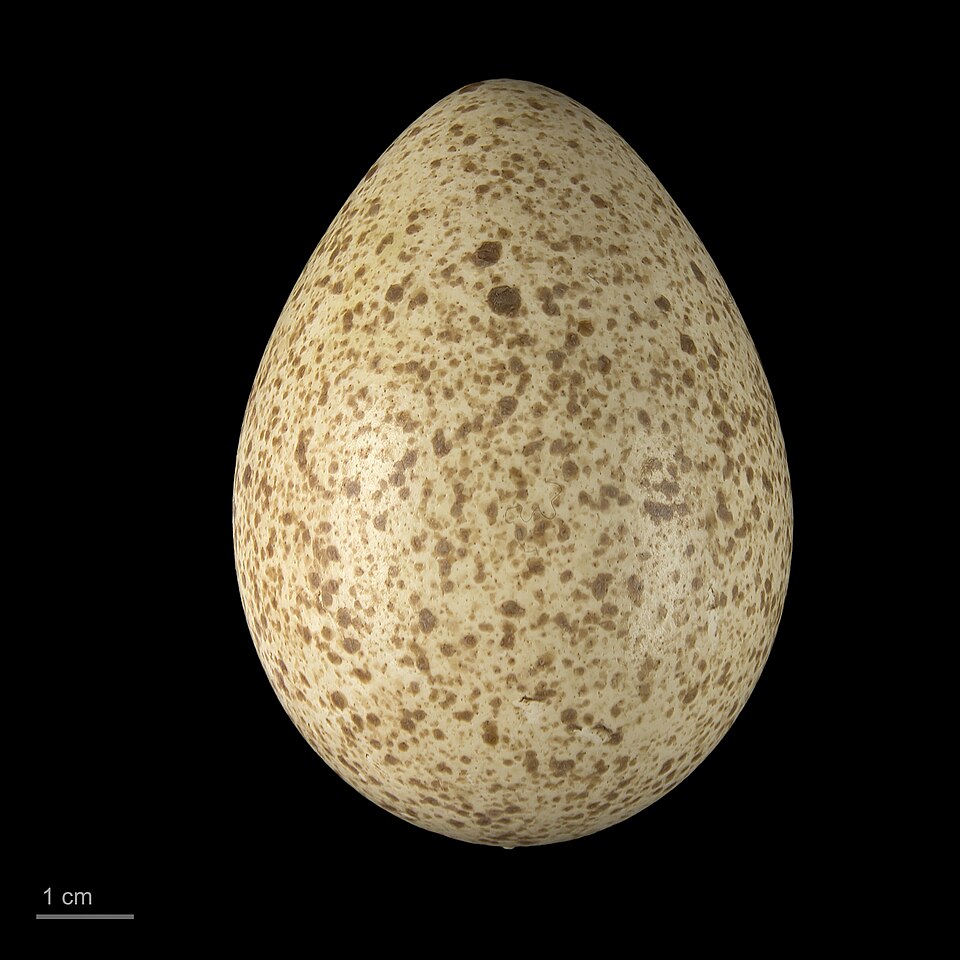
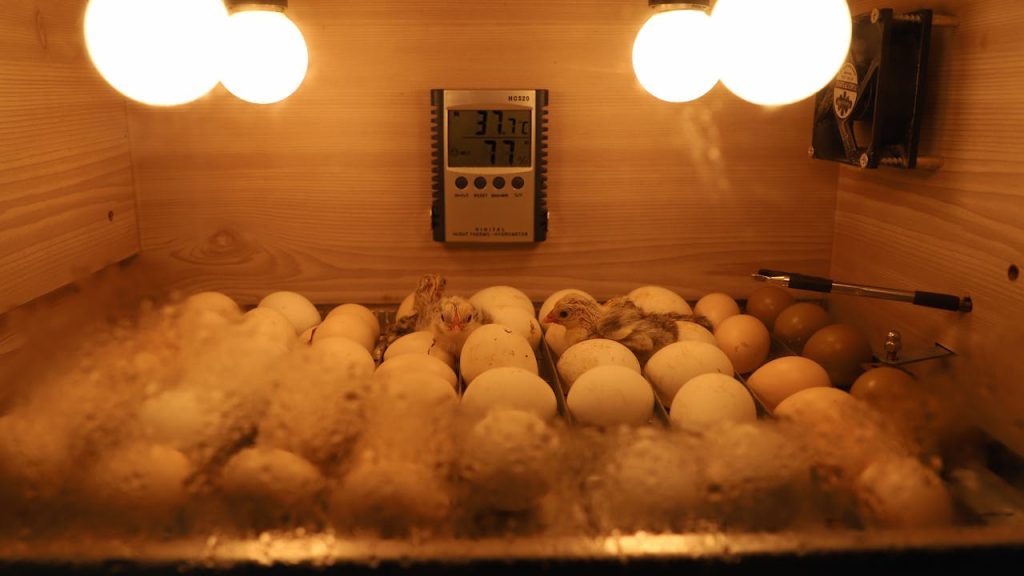
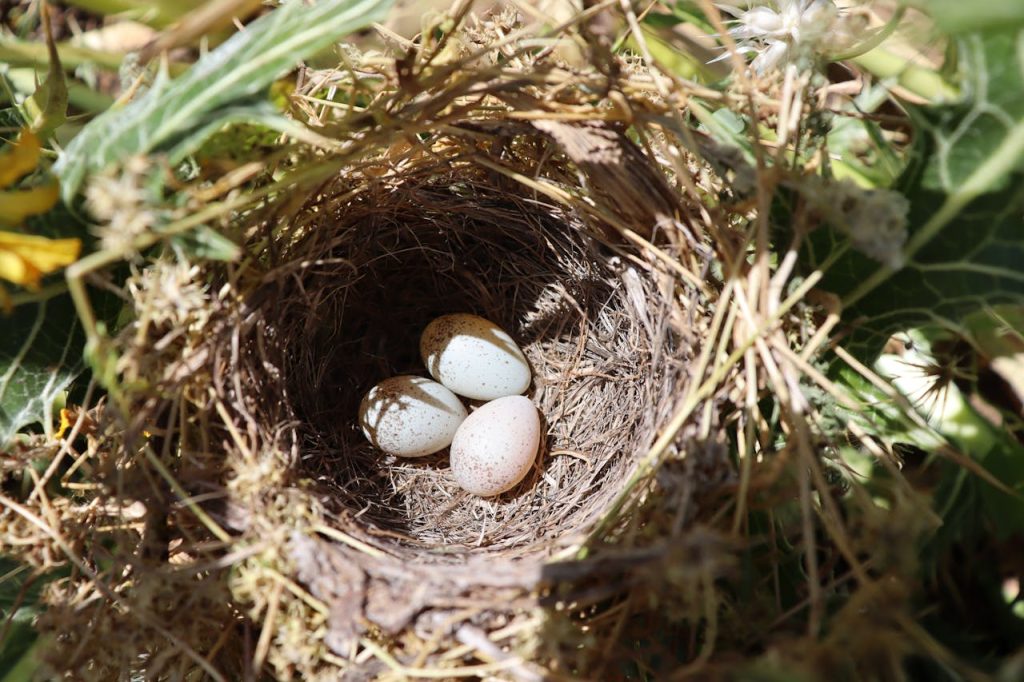
Sexing turkey poults in the wild is tricky, so the team used a cleaner approach: genetics from hatched eggs. Field crews collected eggshell membranes at nests, then applied molecular markers to determine sex after hatching.
Across 83 nests and 724 offspring, the researchers identified 278 males and 446 females, about 38% male overall. The work spanned three breeding seasons, and three hunted sites leaned female while a non-hunted site stayed near the expected 50–50 split. Eggshell membranes remain at the nest when poults leave, tying each result to a real hatch. That kind of precision is why the finding carries weight.
Male Survival Dropped Sharply On Hunted Sites
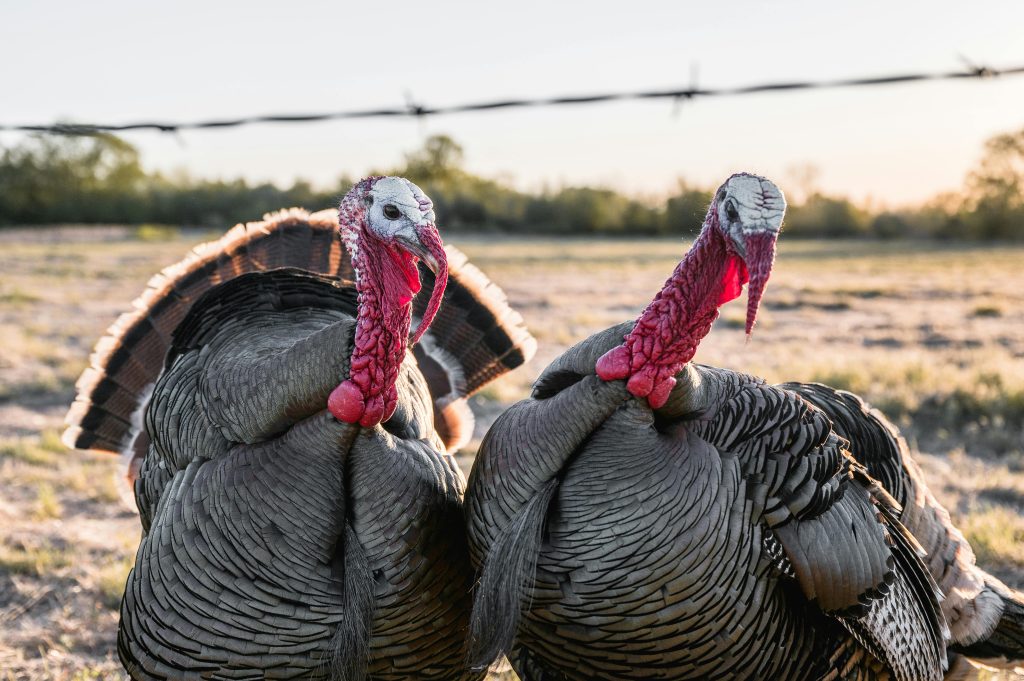
The study did not stop at offspring sex. It also tracked adult survival, and the gap was stark across the sites they monitored. About half of resident males survived on hunted areas, compared with 83% on the non-hunted site.
That matters because turkeys are not evenly interchangeable in spring. If the most dominant, showy males are harvested early, fewer high-quality mates remain, and courtship can get drawn out or disrupted. Nest timing can slide later, and late broods face hotter days, heavy downpours, and a tighter window to grow. Small timing shifts can snowball into fewer poults that make it. Over a few seasons, it adds up.
The Odds Of Hatching Males Fell With Higher Harvest
Researchers modeled hunting pressure against offspring sex, and the signal was clear. On sites with spring hunting, the probability of producing male offspring was 47% lower than on the non-hunted site.
That does not mean every nest turns into all daughters. It means the average is nudged, clutch after clutch, toward the sex more likely to survive under sex-specific mortality. From an evolutionary angle, it is pragmatic. From a management angle, it is a warning that the landscape is teaching turkeys new rules, and even a small tilt can thin the April gobble chorus. Fewer males can also stretch breeding and nesting dates.
Stress During Nesting Season May Be Part Of The Story
Scientists are careful about the mechanism, but they do not treat the skew as magic. Spring hunting overlaps courtship and egg laying, and disturbance during that window can raise stress hormones that influence how reproduction unfolds.
The peer-reviewed paper frames the pattern as a possible adaptive adjustment: if male mortality is predictably higher, producing more females may improve a hen’s lifetime success. No single nest tells the tale, but repeated patterns do. What this really means is that timing decisions can steer turkey biology in a few breeding seasons, leaving a signature that shows up long after the season ends.
A Female-Heavy Flock Can Still Be Fragile

A field full of hens can look like success, but breeding is not only about headcounts. Turkeys rely on a smaller set of dominant males to drive courtship, and when that pool thins, mating can get less efficient and less predictable.
Fewer gobblers can mean fewer pairings, more time spent searching for a mate, and more nests started later than ideal. The fall flock may still look busy, so the warning can be missed until spring feels quieter at dawn. Over multiple seasons, a skew can tighten genetic variety in a local flock and narrow the margin for wet springs, poor mast years, and shrinking habitat. That is when recovery slows.
Broader Vital-Rate Reviews Show Little Room For Error
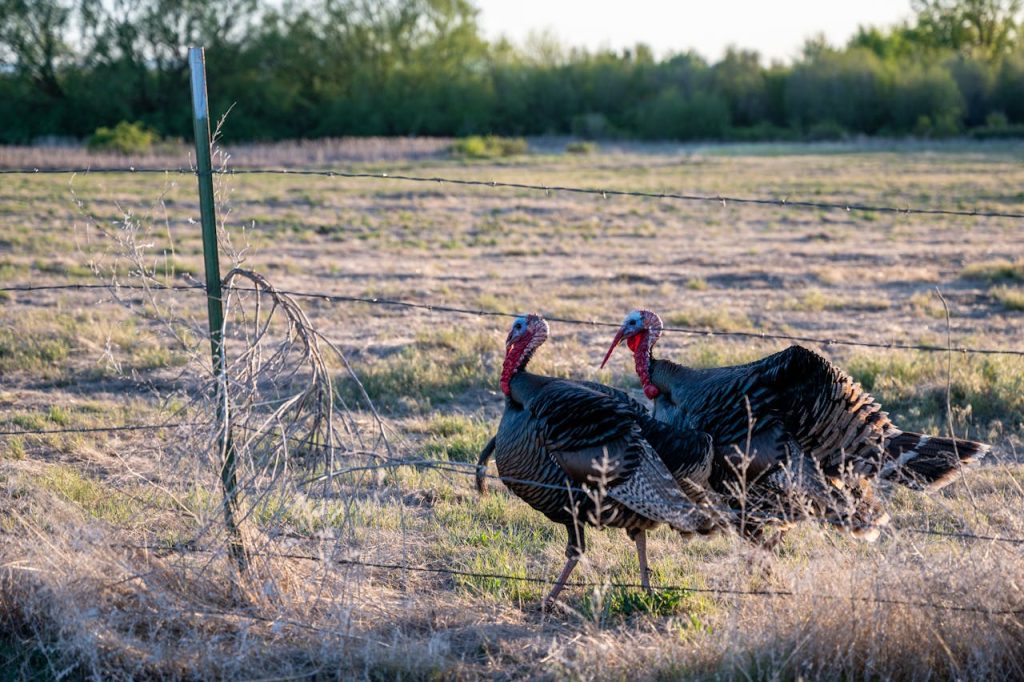
Brett Sayles/pexels
This finding lands in a moment when many biologists already feel uneasy about eastern wild turkey trends. A range-wide review of published vital rates estimated an average population growth rate around 0.91, below replacement, even though regions vary.
When growth is already tight, small shifts matter more. State-level research on productivity and survival keeps pointing to the same theme: reproduction has less slack than it used to. A female-biased hatch may not trigger a crash, but it can compound low nest success and poor poult survival, nudging the math the wrong way. It is the kind of drift that hides year to year.
Weather And Timing Pressures Make The Skew Riskier
Turkeys face spring hazards that punish nesting success. Cold rain can chill poults, saturated ground can ruin nests, and a single wet spell can erase weeks of effort.
Work on nesting phenology suggests eastern wild turkeys may not track shifts in spring green-up closely, raising the risk of a mismatch between hatch timing and peak food. Poults depend on insects early, so timing matters. If breeding is stretched because fewer adult males are around, that mismatch can widen. In that context, a female-leaning hatch is not just an oddity, it is another squeeze on narrow reproductive margins. The cost shows up later in summer.
Totals Can Look Fine While Structure Slides

Turkey numbers can sound reassuring when national estimates sit around 6.5 to 6.7 million birds. But big totals do not reveal whether a local flock is set up for the next decade or just riding a short-lived bump.
Sex ratio is part of that hidden structure, along with age classes and nesting success. Fall gatherings can look crowded, yet spring breeding may already be strained. A place can hold many hens and still struggle if fewer males reach maturity and fewer nests hatch on time. That is why biologists lean on banding, nest checks, and genetics instead of casual counts. Without those details, early warnings stay invisible.
Management Can Test Small Changes With Big Payoff
The most important takeaway is that this is actionable. If hunting pressure is linked to a female-biased hatch, agencies can test adjustments without guessing in the dark. Season timing, local permit levels, and pressure near core breeding areas are all levers that can be evaluated and measured.
Because the signal is tied to nests and offspring, managers can track whether changes move ratios back toward parity over a few springs. That kind of feedback loop is rare in wildlife work, and it is valuable. It lets tradition and conservation share the same ground, instead of treating every debate as all or nothing. Data keeps it honest.