

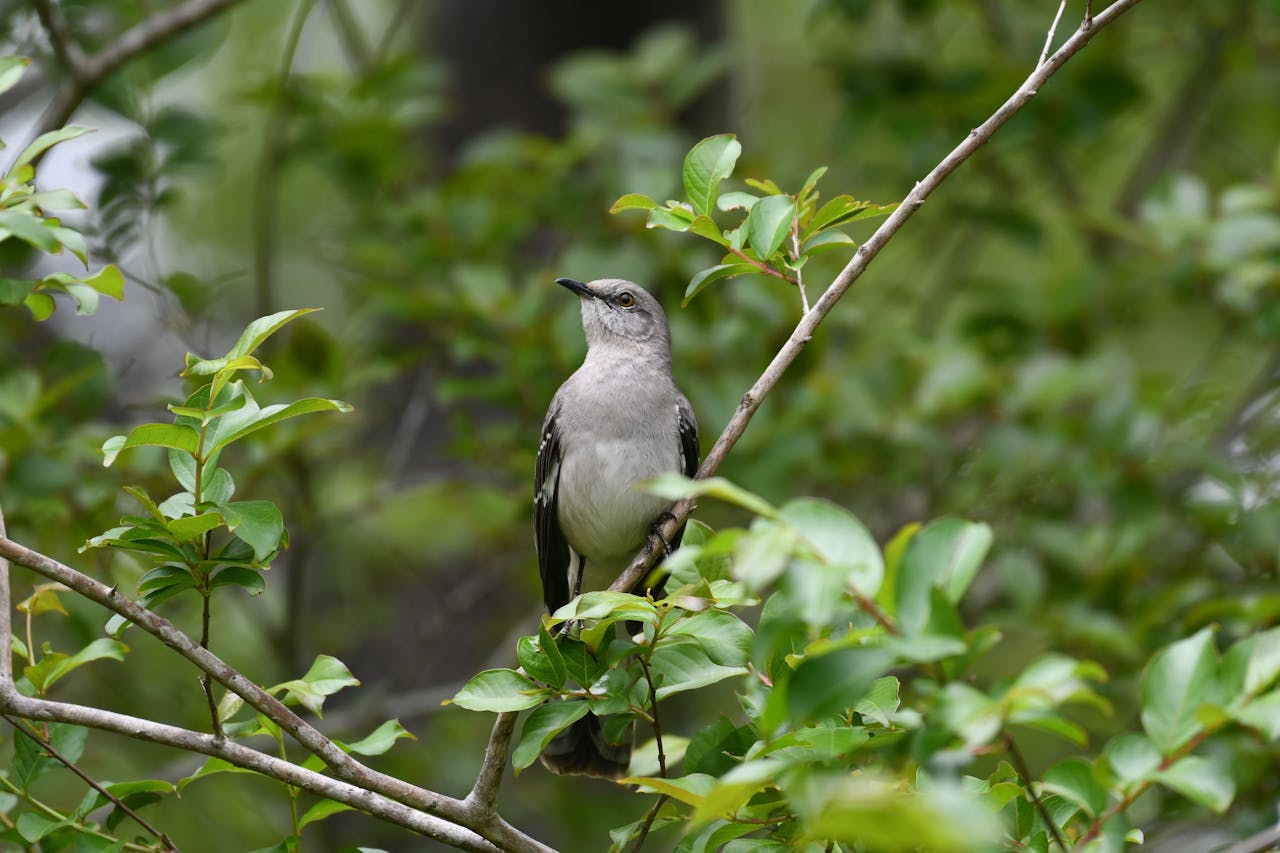
Some neighborhoods have a strange new quiet at dawn, even in months when yards should be loud with chatter. Wildlife experts say the silence often starts with landscaping choices that favor imported ornamentals and perfect turf, while the everyday food web gets trimmed away. It shows up as fewer fledglings and brief feeder visits.
Native plants rebuild what birds recognize: leaves that raise caterpillars, flowers that draw pollinating insects, and later, seedheads and berries that ripen on schedule. The change can be quick too because once the pantry returns, birds stop treating a yard like scenery and start treating it like home.
Caterpillars Keep Nests Running
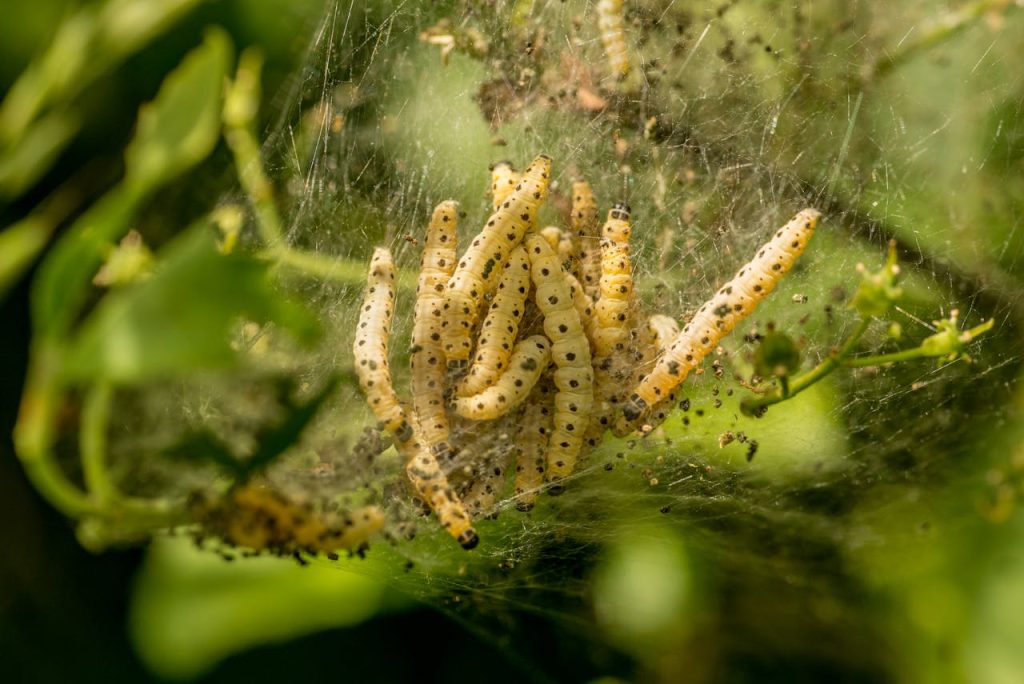
Seeds and berries are easy to notice, but nesting season runs on insects, especially caterpillars. Wildlife experts note that many caterpillars are finicky and develop mainly on the native trees, shrubs, and wildflowers that serve as nurseries.
When a yard leans on nonnative ornamentals, the leaves can look lush while offering almost no baby-bird food. Parent birds like robins, wrens, titmice, and chickadees patrol native branches in tight loops, gathering soft, protein-rich bites from dawn to dusk. One well-placed host shrub can turn a quiet corner into a steady delivery route for weeks, right through fledging each spring.
Sunflowers Feed Two Seasons At Once
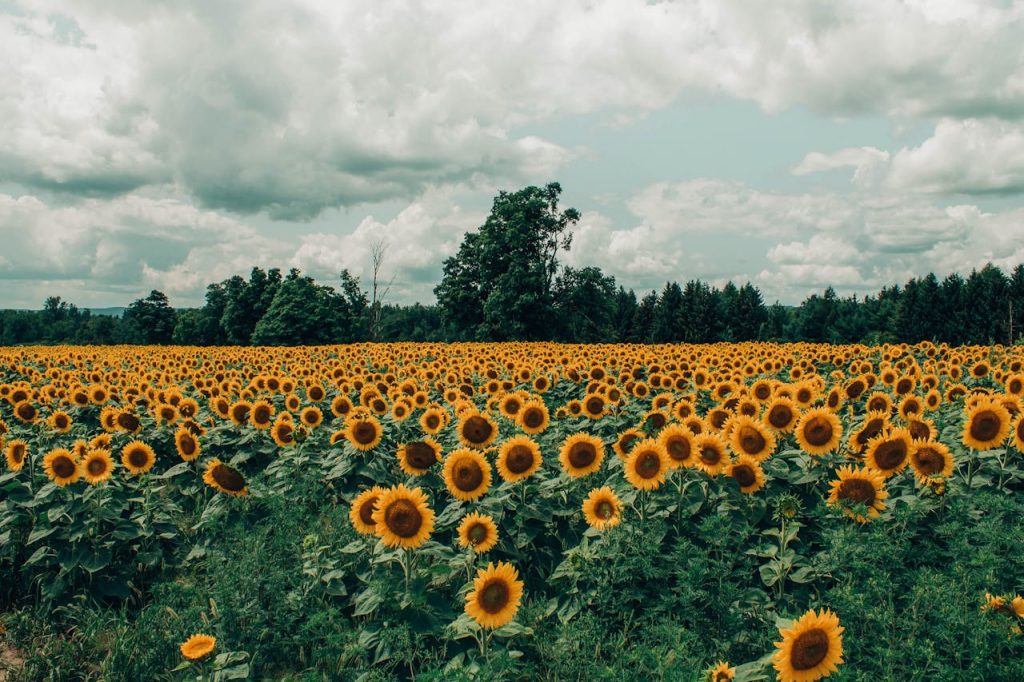
Sunflowers look like simple cheer, but birds read them like a calendar. While blooms are fresh, hummingbirds sip nectar, and chickadees and wrens comb the stalks for insects drawn to pollen.
As seedheads mature, finches often arrive as soon as the first seeds are ready, sometimes while petals still cling. Then the crowd grows with sparrows, cardinals, jays, and even woodpeckers cracking what they can. Wildlife experts like sunflowers because even showy forms such as Teddy Bear and Russian Giant trace back to native roots, keeping the food value high without extra fuss. The payoff can last for weeks when plants ripen in stages.
Choose Seed-Bearing Natives, Not Sterile Lookalikes
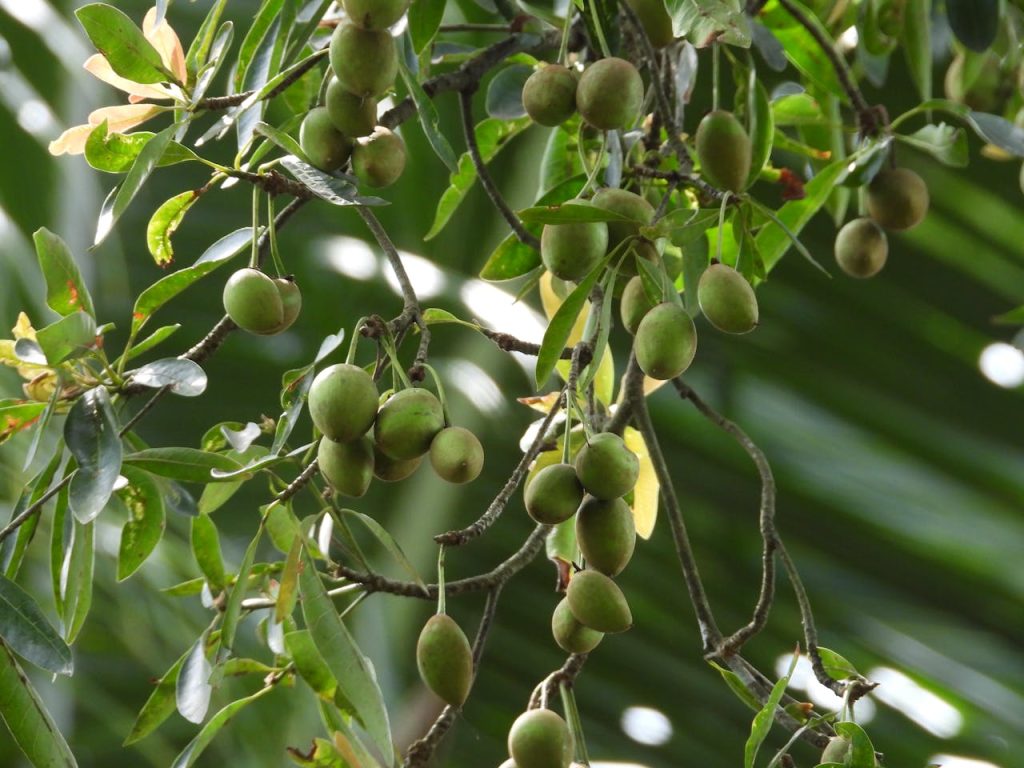
Many native daisies are quiet powerhouses because each flower can hold scores of seeds. During bloom, titmice, chickadees, and vireos patrol stems for insects, then shift to seedheads as summer fades.
Wildlife experts flag a common pitfall: some popular varieties look right but rarely set seed, turning a border into decoration. Goldsturm is one example often mentioned. Choosing true seed-producers, including native asters and coneflowers, keeps food available for weeks, so goldfinches linger longer and other sparrows and juncos follow. Leaving seedheads standing into winter stretches the benefit when yards feel bare.
Berry Natives Invite Surprise Guests
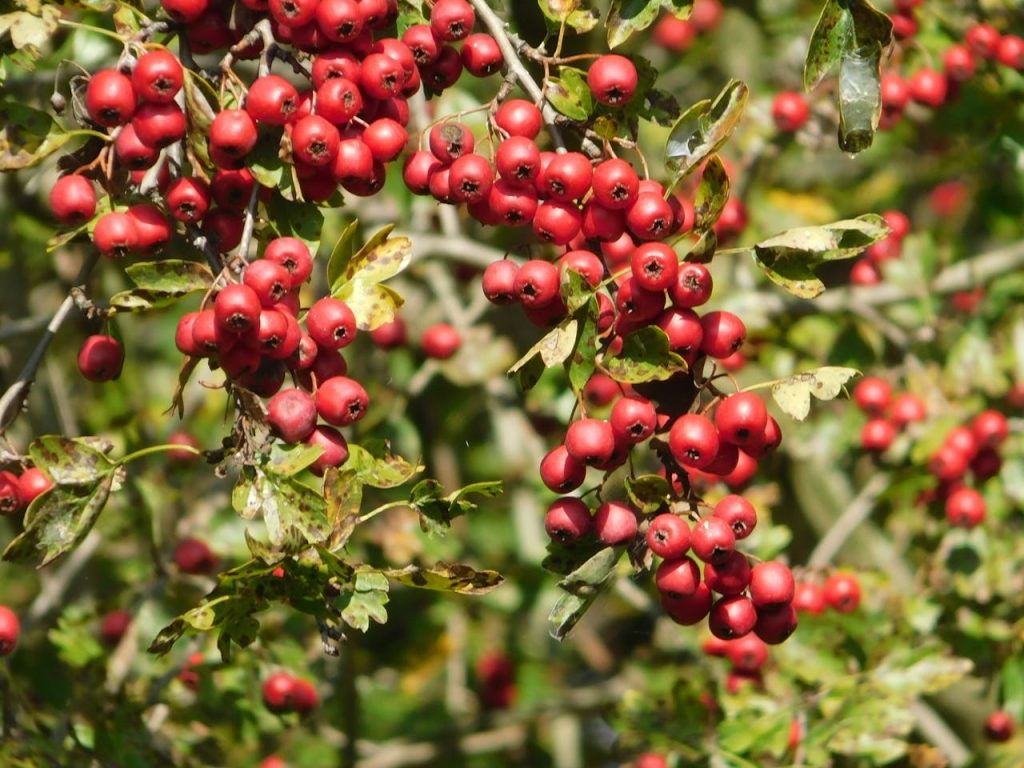
Native berries can change a yard’s bird list overnight. Wildlife experts note that bluebirds, thrushes, waxwings, orioles, and warblers may visit as soon as fruit starts to ripen, even if they rarely touch feeders. More than 100 species may drop in when a berry crop peaks.
Plants like serviceberry, elderberry, winterberry holly, flowering dogwood, and blueberries offer a natural sugar-and-water boost that birds use for molting and migration. The downside is funny in a good way: berries can vanish in a few weeks because it works. That quick clean-up is also seed dispersal in action, with birds carrying the next generation outward.
Familiar Plants Get Found Fast
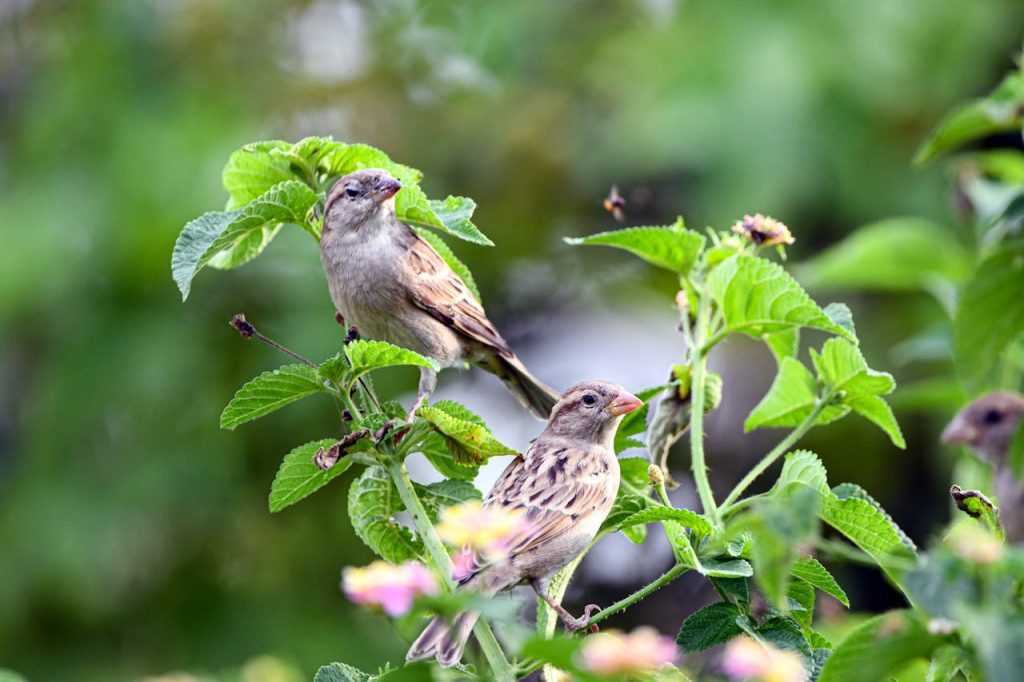
Birds do not need a yard to be big to notice it; they need it to make sense. When native seeds or berries ripen, experts say species recognize the signal and show up right away.
Rose-breasted grosbeaks and scarlet tanagers are often named, along with about 150 species that seem to spot native offerings at first glance. The reason is practical: native plants match local timing and support the insects birds expect. Host shrubs such as spicebush, red-twig dogwood, and native blueberries can carry caterpillars for nestlings. A yard full of nonnatives may look lush, yet read as empty. Then feeders stop being the main draw.
Natives Stock the Nest-Building Aisle
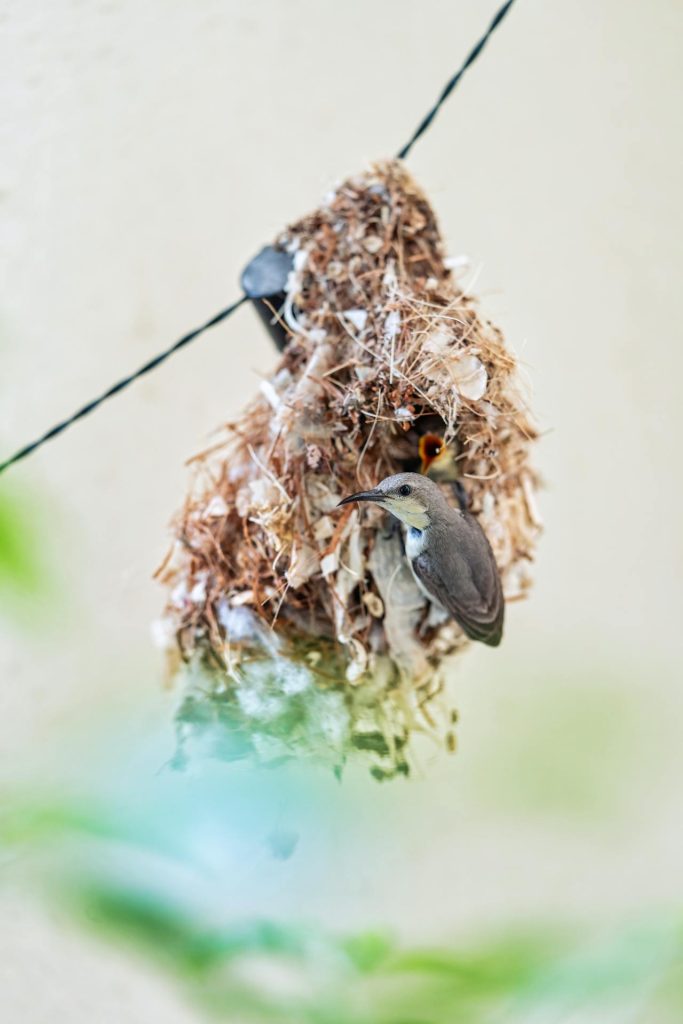
Food gets attention, but wildlife experts also watch building supplies. Birds need twigs, dead leaves, and needles, and they gather them near cover so nesting does not become a long commute.
Native plants supply the fine stuff: fibers and bark pulled from milkweed, Indian hemp, and wild grapevines, plus sturdy pieces from native shrubs and trees. Those materials hold shape through wind and rain, and they are available right when nests go up. A yard trimmed to turf and imported groundcover can look neat, yet offer almost nothing birds can use. That shortage can push nesting pairs to keep moving. In spring, timing is everything.
Native Means Local, Not Just North American
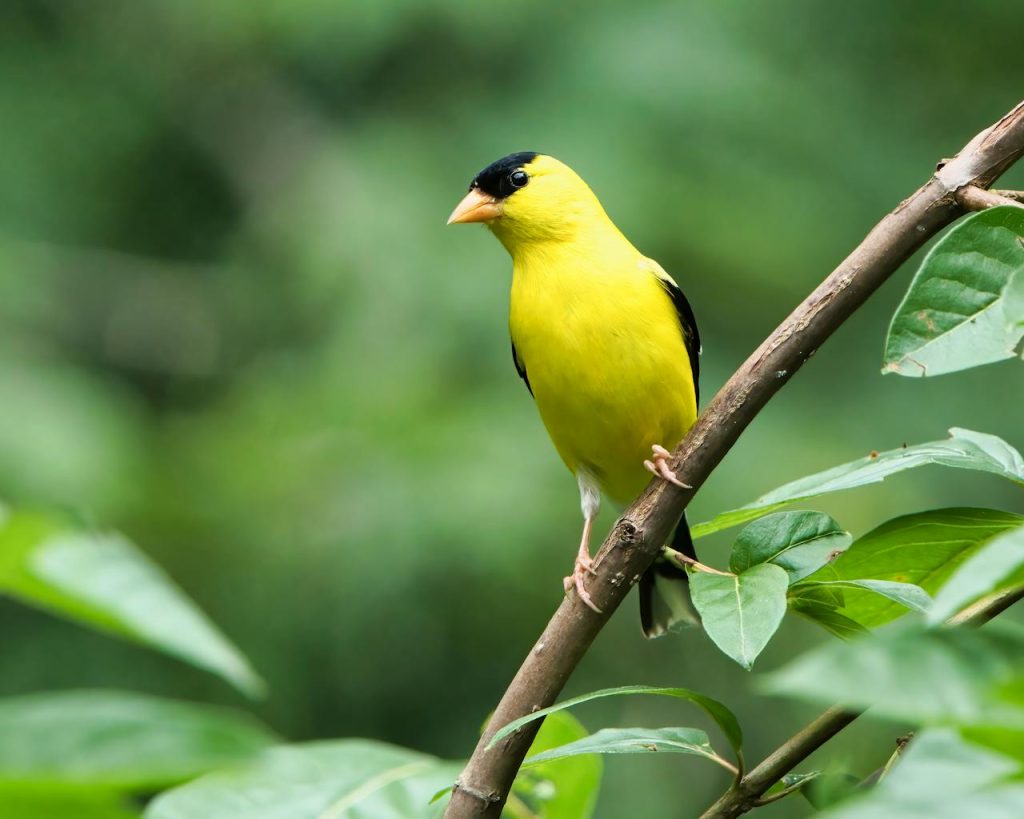
Native has become a sales hook, but wildlife experts warn that the label gets sloppy fast. A plant can be native to North America and still be the wrong fit for a specific region, soil, or winter. That mismatch can leave gaps when fruit should ripen.
Florida saw palmetto will not thrive in Minnesota, and Minnesota balsam fir will struggle in Florida heat. Birds benefit most when plants thrive, because thriving plants hold insects, berries, and seeds reliably. Choosing natives tied to local conditions keeps the yard steady, and it prevents well-meant plantings from fading out after one season. Local plant lists help narrow choices.
Widespread Natives Make the First Step Easier
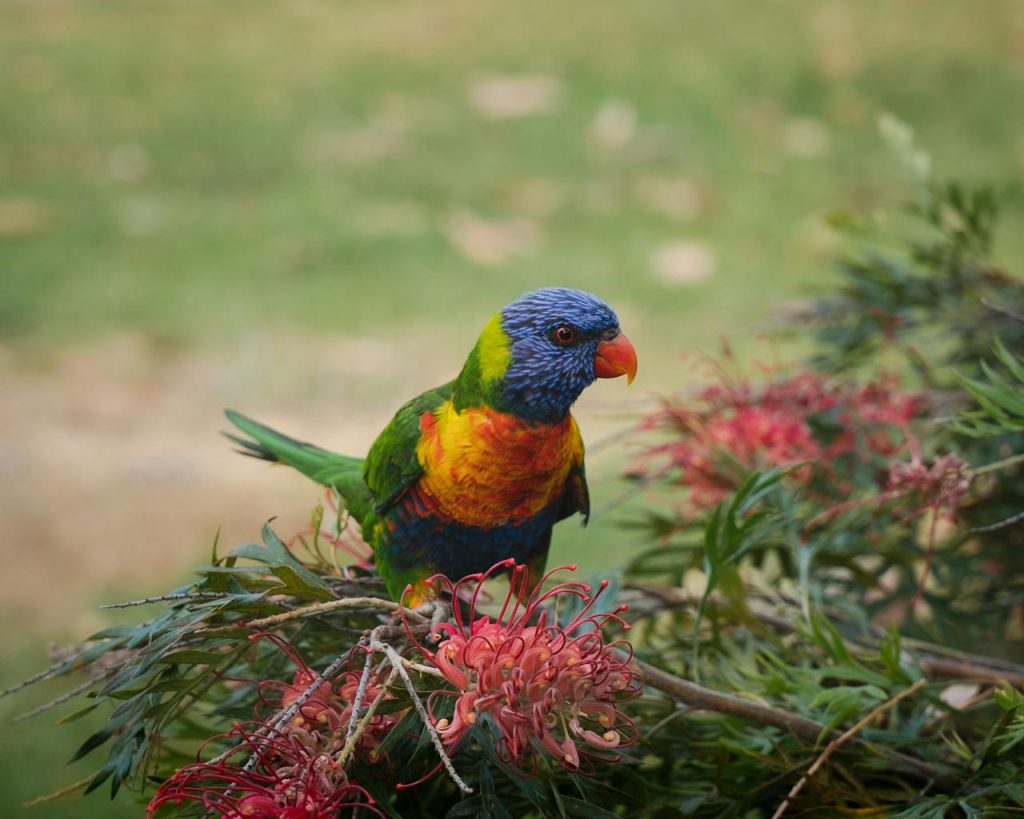
Not everyone knows what is native to a county, and that uncertainty stops a lot of good intentions. Wildlife experts suggest starting with widespread natives that naturally grow across a broad swath of the country and tolerate different soils.
These adaptable plants tend to handle imperfect conditions while still producing the basics birds need: flowers that draw insects, then seedheads or berries that ripen on cue. Once those steady performers are established, it is easier to add more specialized locals. The goal is not a museum-perfect plant list; it is a dependable menu that keeps birds returning through shifting weather.
Shrubs and Small Trees Deliver the Fastest Payoff
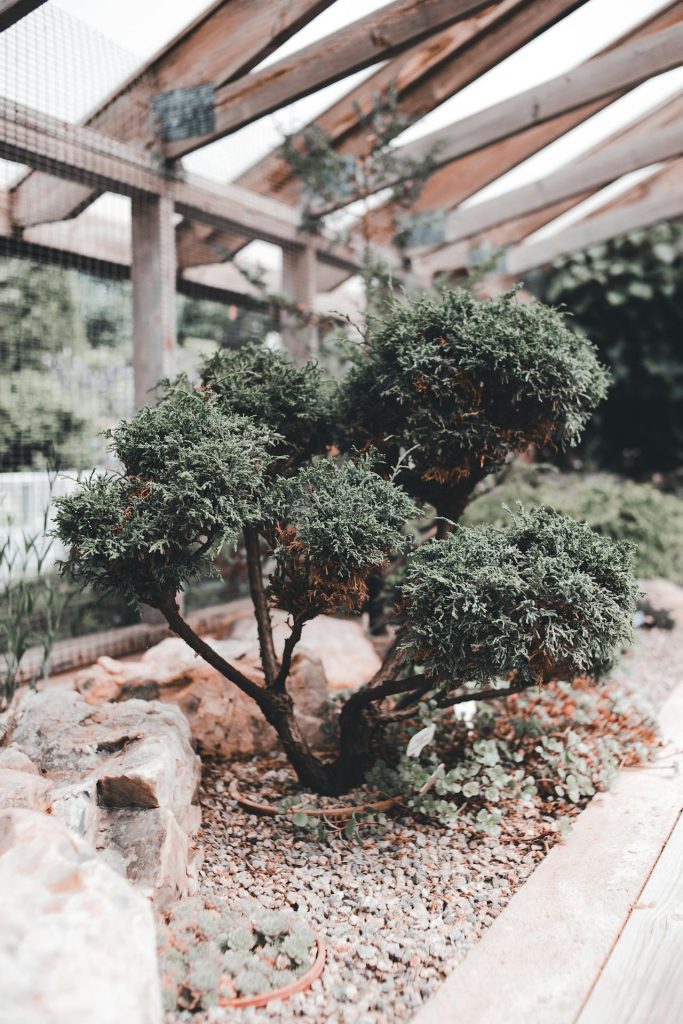
For a quick change in bird activity, wildlife experts steer gardens toward native shrubs and small trees. They fruit reliably, offer shelter from wind, and create perches that make a yard feel safe enough to pause.
Elderberries, serviceberry, and winterberries are common picks, and flowering dogwood can double as a focal point. Slip in blueberries where soil allows, and the crop can pull in birds that are not feeder regulars. Pair those woody plants with seed-bearing flowers, and the yard covers multiple seasons at once, from nest time to late fall, with less maintenance than ornamentals. That’s when the yard feels alive.
Hardy Natives Support Birds With Less Fuss
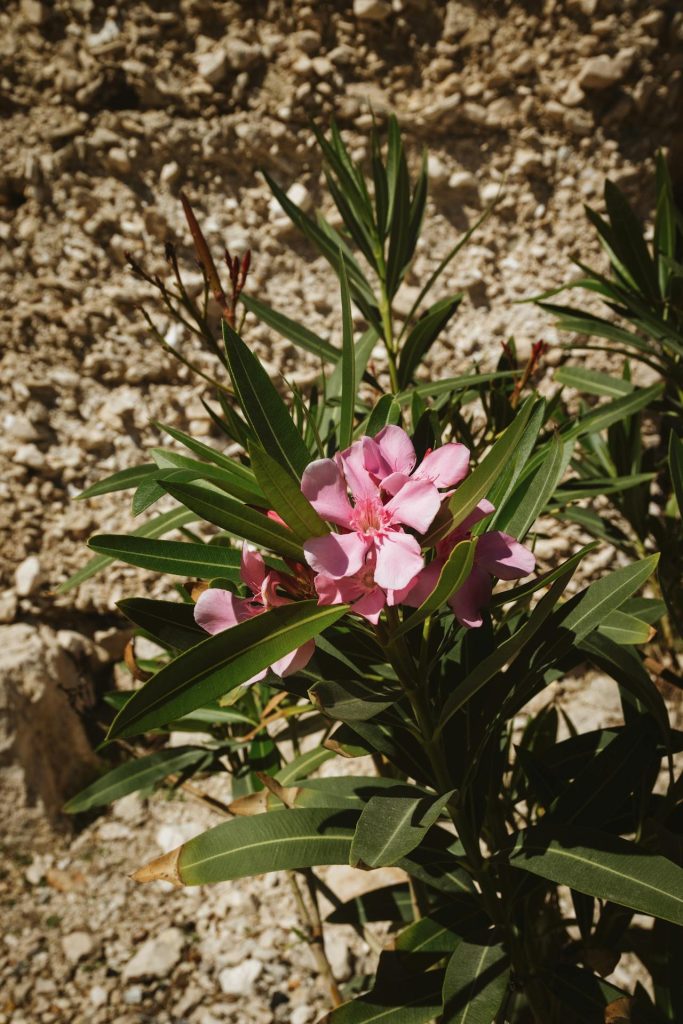
Native plants are not only for wildlife; they can be easier on the gardener, too. Wildlife experts describe many natives as hardy and dependable, which matters because stressed plants offer less fruit, fewer insects, and weaker cover.
When natives settle in, birds get a steady bounty, and in return they spread seeds that become new plants beyond the original bed. That partnership works best when plants are not constantly coddled. A yard built around natives can stay productive through heat and dry spells, keeping food and shelter available without turning maintenance into a weekly scramble. It keeps paying back for years.
Backyard birds follow food, cover, and timing, not landscaping trends. When native plants return, a yard stops being decoration and becomes working habitat, and the songs usually follow.