

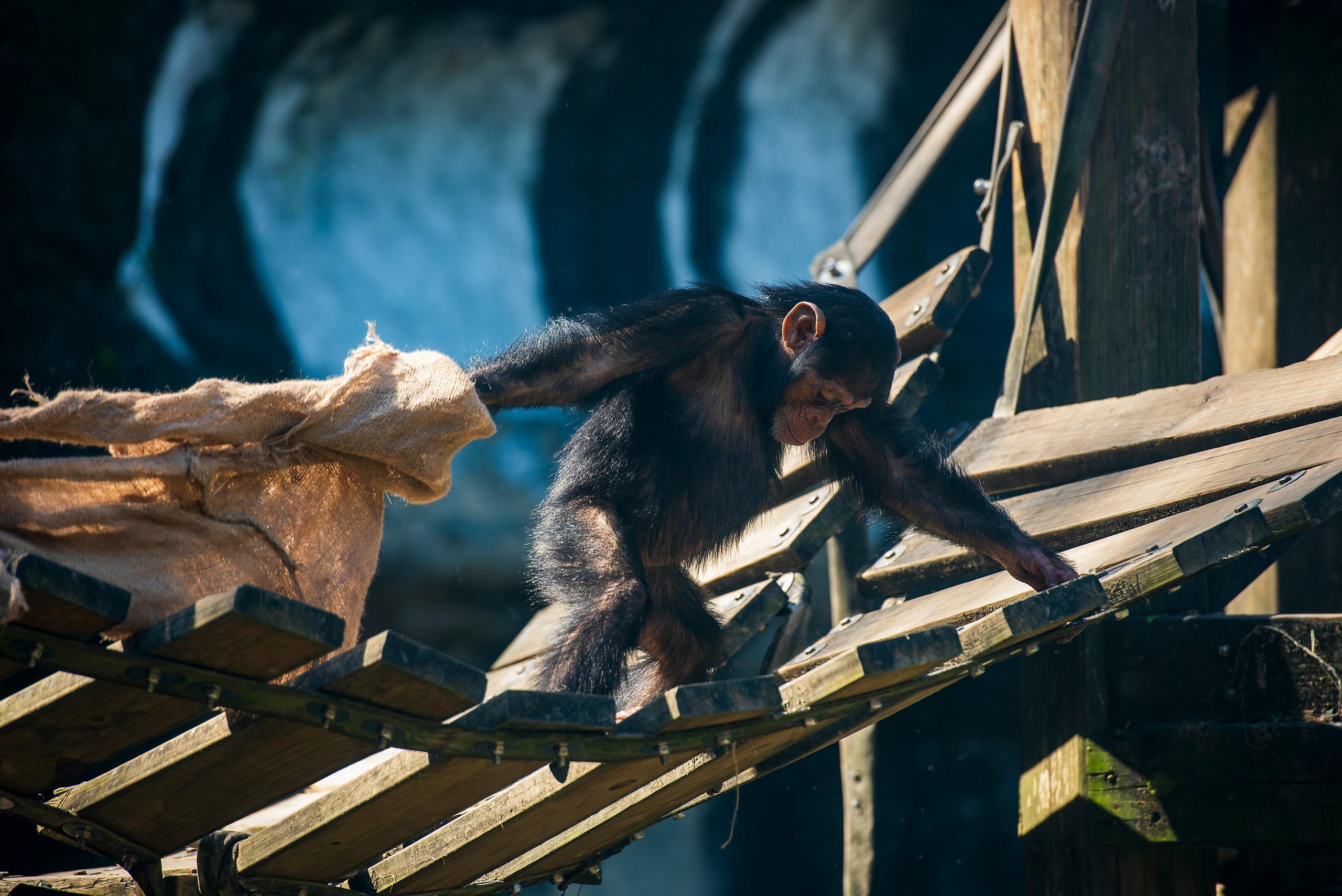
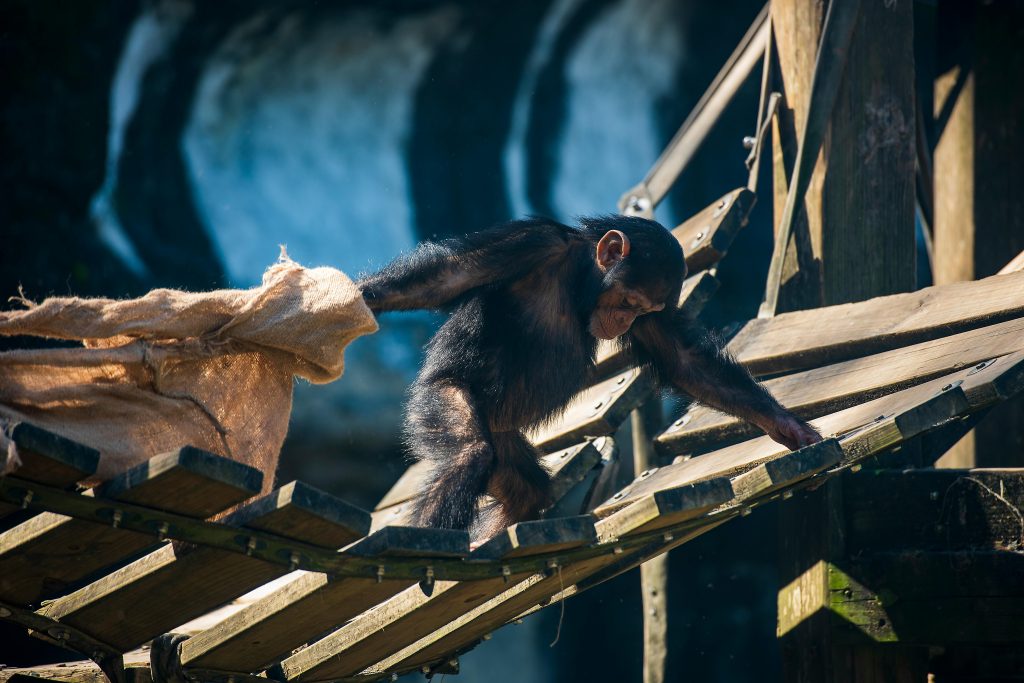
For years, Travis the chimp seemed like a neighborhood oddity: a smart, pampered animal who rode in cars and blurred the line between pet and person. Taken from his mother as an infant, he was raised inside a Connecticut home, where routine and affection stood in for a real troop. But adulthood changes a chimp’s needs and strength fast. In Feb. 2009, that mismatch erupted into a tragedy that reshaped one survivor’s life and reignited a national debate.
A Baby In A Nursery, Not A Troop
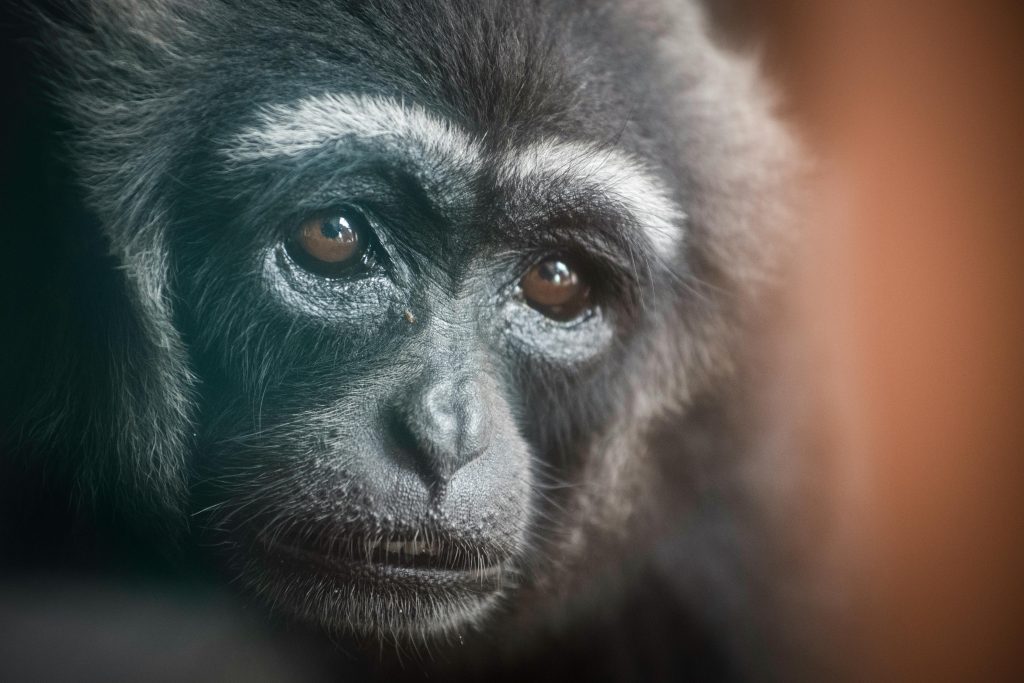
Travis arrived in Stamford when he was only a few days old, small enough to be carried from room to room like a baby, bottle-fed, and soothed on a couch. In that stage, raising him like a child felt natural, even tender, because he needed constant attention and learned household routines long before he learned chimp rules. But a chimp’s childhood is brief. By adolescence, strength, impulses, and the need for a real troop accelerate, and the home that once felt safe can start to feel like a cage with furniture, neighbors nearby, and no way to practice what nature built him to be for long, until small limits begin to feel like insults each day.
A Small-Town Celebrity In A Seat Belt
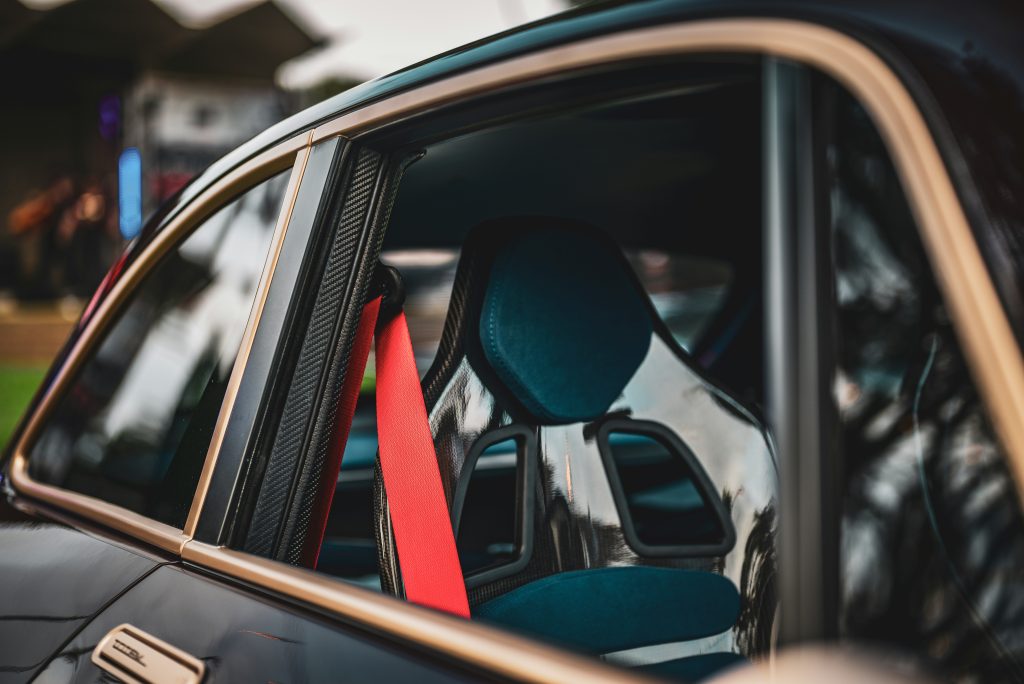
As Travis grew, the Herolds leaned into the fantasy of normalcy. He rode in the tow truck with a seat belt clicked, wore clothes, and became the kind of local story people retold with a grin after spotting him at a shop or in a driveway. He ate at the table, took baths, and even appeared in commercials, proof, at least on camera, that manners could be coached and instincts could be postponed. Yet the fame hid the simple math of power: an adult chimp can be stronger than several grown men, and a suburban home is not built for dominance tests, sudden fear, or a bad day, especially once he reaches full maturity and wants a world that keeps pace.
The First Escape Everyone Tried To Laugh Off
The warning signs did not begin in 2009. In 2003, Travis slipped out of a car in downtown Stamford after a thrown object startled him, and he wandered loose for hours, stopping traffic and forcing officers to lure him back with cookies, ice cream, and patience. The episode became a strange civic anecdote, but it also showed how quickly control could vanish in public, even with people who believed they knew him well. Afterward, Connecticut tightened rules around large primates, yet carve-outs and informal judgments let the same animal stay put, grandfathered in and aging in place, while the risks quietly grew behind the calm of daily routines.
Grief, Isolation, And A Changing Animal
By the time Travis reached adulthood, the household around him had changed. Sandra Herold had lost close family, and friends later described a home that grew quieter, with Travis filling the space where human company once was, day after day, meal after meal. For a chimp, fewer visitors and fewer outlets can turn restlessness inward, then outward, because boredom is not calm, it is pressure that builds without warning and hunts for a target. Caretaking can slide into a loop of coping, where treats, routines, and reassurance are asked to carry the weight of missing enrichment, missing structure, missing sunlight, and missing choice, in reality.
When Comfort Looks Like Confinement
In the years before the attack, the household leaned more on management than on true care. Reports later noted Travis had been given medication at times, and that his moods could swing from charming to unsettled, especially as he aged into full strength. That Feb. day, he was already agitated, and an attempt was made to calm him with a sedative mixed into a drink, while questions swirled about illness and stress. It was a human fix for an animal problem, the kind that can dull a moment but never solves the deeper mismatch: a powerful primate living without the space, social life, and predictability his species requires for real, lasting calm.
The Day A Familiar Voice Could Not Reach Him

On Feb. 16, 2009, Travis wound up outside and would not come back in, a small rupture in routine that quickly turned into panic. Sandra Herold called her friend Charla Nash, 55, for help, hoping a familiar voice and a steady hand could coax him home without a scene. Nash arrived carrying a toy meant to catch his attention, and for a beat it looked like a neighborly rescue, awkward but manageable. Then Travis lunged. In minutes, a domestic problem became an emergency, leaving Nash with life-changing injuries and everyone else stunned by how fast affection can collapse when a wild animal is pushed past his edge in a yard built for people alone.
First Responders Meet A Power No Home Can Hold

When police arrived, they faced a scenario no training manual can soften: a large primate moving with speed, intent, and strength. Sandra Herold tried to intervene with whatever was nearby, even striking and stabbing the animal she had treated like family, while her 911 call turned frantic. Emergency crews held back until officers created safety to move in, and the standoff narrowed to seconds when Travis moved toward a cruiser and reached for a door. He was shot and later died, a grim end that left a driveway full of sirens, neighbors nearby, and the kind of silence that follows when a private myth becomes a public crisis with no clean exit.