
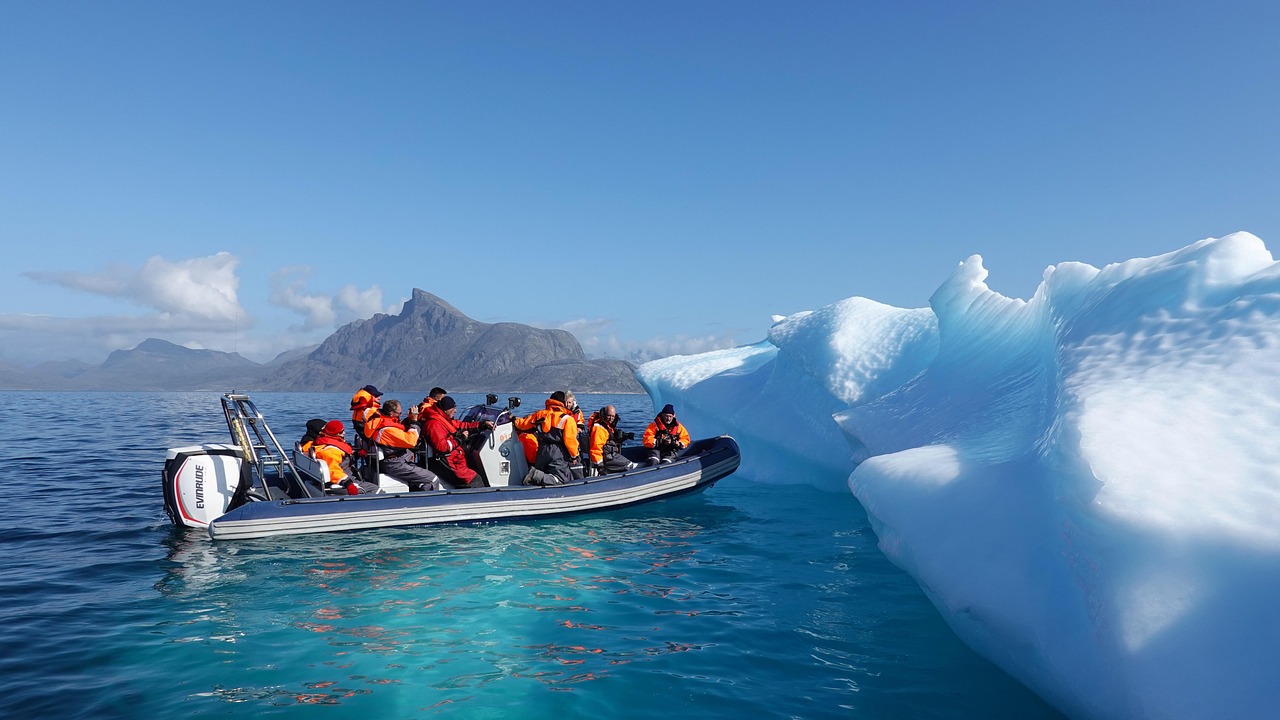

Arctic sea ice looks far away, but it behaves like a thermostat for the whole planet. When that bright cap shrinks, darker ocean absorbs more sunlight, stores heat through summer, and releases it back into the air in fall. That extra warmth changes the timing of freeze-up, pushes weather patterns out of their usual grooves, and stresses ecosystems built around ice seasons. Scientists call it cascading because one shift makes the next more likely, creating feedback loops that compound over time. What happens at the pole does not stay at the pole.
Albedo Feedback Turns White Into Heat

Sea ice reflects sunlight. Open ocean absorbs it. When ice retreats, more solar energy stays in the Arctic system, warming the water and making it harder for new ice to form. Melt ponds deepen the problem by darkening the remaining ice, so the surface captures even more heat. The impact often shows up later: freeze-up arrives later, winter ice grows thinner, and the next melt season starts with weaker ice that breaks apart faster under wind and waves.
Open Water Stores Heat And Releases It Later

Open Arctic water acts like a heat battery. It soaks up energy during long summer days, then vents that warmth into the atmosphere in fall and early winter, exactly when ice would normally seal the ocean off. That heat release can raise humidity and cloud cover, which can trap warmth overnight and slow refreezing even more. The result is a longer season of unstable conditions, rougher seas near coasts, and a delayed return to the colder, quieter winter pattern.
Arctic Amplification Warps Weather Patterns

The Arctic is warming faster than the global average, and sea ice loss is a major reason. As the temperature gap between the far north and mid-latitudes shrinks, winds that rely on that contrast can behave differently. Scientists study links between Arctic warming and shifts in the jet stream, including patterns that stall weather systems. When storms, heat, or cold linger in one place, the real damage often comes from duration: longer heat waves, slower-moving rain bands, and drawn-out cold snaps.
Polar Vortex Changes Can Create Weather Whiplash

The polar vortex is a broad circulation that helps keep cold air centered in high latitudes, especially in winter. Changes in Arctic heat and sea ice can influence the atmosphere in ways researchers are still working to pin down, including how the vortex behaves in some years. When the system is disrupted, the outcome can be sharp swings: sudden cold outbreaks, odd midwinter warm spells, and storm tracks that shift at inconvenient times. Even small shifts matter because they change how long extremes last.
Freshwater Reshapes Ocean Mixing And Nutrients

Sea ice influences the ocean’s salt balance. When ice forms, it rejects salt into the water below, which can support mixing. When ice melts, it freshens the surface, which can strengthen layering and reduce how easily deeper water mixes upward. That affects where heat is stored, but it also affects nutrients that fuel plankton blooms. When timing and mixing shift, the base of the marine food web shifts too, rippling into fish, seabirds, and coastal livelihoods that rely on predictable seasonal cycles.
Atlantic Circulation Faces Added Stress

Freshening in the North Atlantic, driven by meltwater and increased runoff, is one reason scientists watch the Atlantic Meridional Overturning Circulation closely. This circulation helps move heat and influences climate patterns across the Atlantic region. A slowdown would not look like a switch flipping overnight, but it could reshape sea level along parts of the U.S. East Coast and alter rainfall and storm patterns in ways that compound existing risks. Sea ice loss feeds this concern by accelerating Arctic warming and changing freshwater inputs.
Ecosystems Rewire From The Ice Up

Sea ice is habitat, not scenery. It supports algae growth that feeds small organisms, which feed fish, which feed birds and mammals. As ice seasons shorten, the timing of blooms changes, and species that rely on ice edges lose reliable hunting and resting platforms. Some subarctic species push north, while high-Arctic specialists face tighter margins. The cascade shows up as mismatched timing: prey appears earlier or elsewhere, migration routes shift, and entire food webs reorganize around a new seasonal calendar.
Coastal Erosion Accelerates With Bigger Waves

Sea ice acts like a natural breakwater. With less ice, wind can build waves across longer stretches of open water, especially in fall when storms strengthen. Those waves hit Arctic coasts harder and more often, and thawing permafrost bluffs can collapse quickly under repeated удар from surf and surge. Communities face practical consequences: threatened homes, damaged fuel storage, eroding roads, and relocation pressure. The cascade is physical and immediate, turning climate change into a logistics problem measured in repairs, supply runs, and hard choices.
Soot And Smoke Darken Ice And Speed Melt

Black carbon, often from wildfire smoke or industrial pollution, darkens snow and ice, lowering reflectivity and increasing heat absorption. When ice is already thinner and more patchy, that darkening has a bigger effect, especially in spring when sunlight returns fast. The feedback can tighten: warmer conditions raise wildfire risk in some regions, smoke travels north, and deposits accelerate melt where brightness used to provide protection. It is another example of how separate systems connect, turning heat, air quality, and ice into one linked story.