


A bat indoors feels dramatic fast, but the biggest mistakes usually start with panic, noise, and people trying to end the problem in seconds.
The safer approach is slower than most people expect. Control the room first, then decide whether this is a release, capture, or health issue.
You do not need a broom, a towel, or a heroic leap across the couch. You need calm hands, closed doors, and a little patience.
Most bats in homes are trying to escape, not start a fight with you. Chasing them usually creates more confusion for both sides.
That first pause matters because one detail changes everything: possible exposure. If contact may have happened, the plan is no longer simple removal.
This is where people get burned by assumptions. A tiny bite can be missed, especially if someone was asleep, startled, or not paying close attention.
Good advice is not complicated here. Keep people and pets away, contain the bat if you safely can, and do not rush to release it.
The goal is a clean ending with no injury, no bad guesswork, and no repeat visit next week through the same hidden gap.
Panic Makes the Room Harder to Control
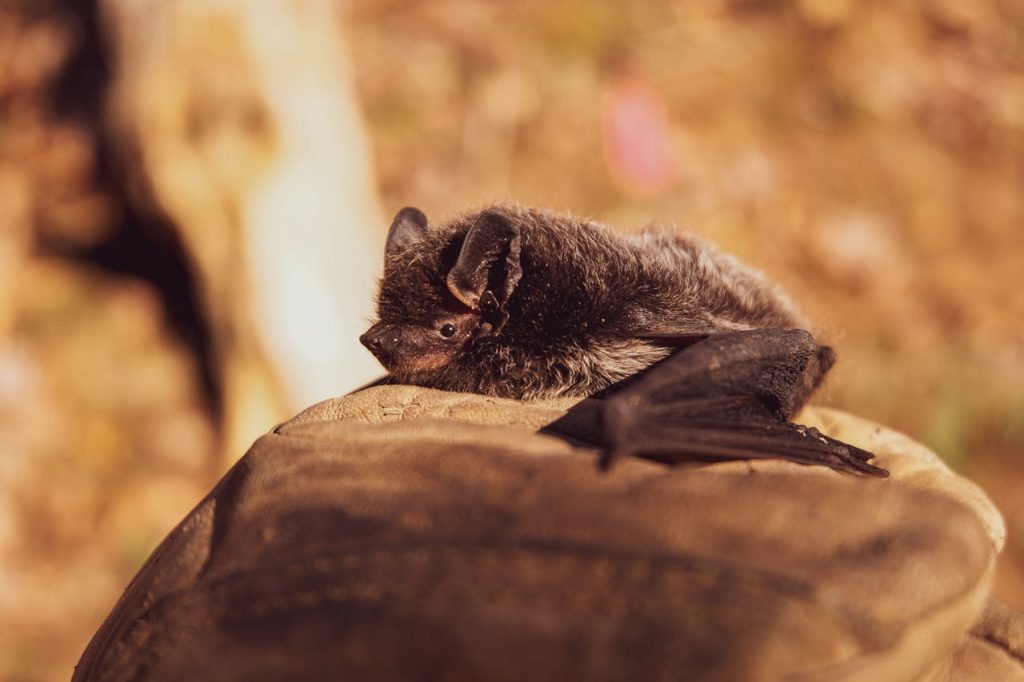
Your first job is not catching the bat but shrinking the problem by closing the door and clearing the room.
Keep children and pets out. If there is an open path outside, dim indoor lights and give the bat a chance to orient itself.
Swatting at a flying bat usually turns one confused animal into a fast, unpredictable blur near walls, curtains, and people.
A quieter room helps more than force does. Fewer moving bodies usually means a cleaner exit or an easier capture once the bat lands.
Exposure Changes the Entire Plan
Many people make the same mistake first: they get the bat out, then start wondering whether anyone may have been bitten.
If a bat was in a bedroom with a sleeping person, an unattended child, or someone unable to report contact clearly, stop and assess.
Public health advice is consistent on one point: do not just assume no contact happened because you did not see a wound.
Bat bites can be small and easy to miss. That is why exposure questions should come before the window gets opened.
If contact is possible, wash any bite or scratch with soap and water. Then call a clinician or your health department quickly.
The same caution applies to pets. A dog or cat that mouthed or cornered a bat should trigger a call to a veterinarian, not a guess.
This does not mean every bat carries rabies. It means bats matter enough in rabies prevention that guessing is the wrong move.
Once you release a bat that may be linked to exposure, you lose the option of having it captured and evaluated for testing.
Safe Capture Starts After the Bat Lands
If no exposure is suspected and you need to catch the bat, wait until it lands before trying anything physical.
Trying to grab a bat in midair is how careful people suddenly become careless. The animal is scared, and your timing will be poor.
Wear thick work gloves, not thin fabric or bare hands. Use a sturdy box, jar, or similar rigid container with a flat lid.
Place the container over the bat slowly. Then slide cardboard underneath so the bat is enclosed without being crushed.
Do not use a loose towel as your main tool. Fabric can slip, snag, or put your fingers too close to the bat’s mouth.
Do not smash the bat to solve the problem faster. If testing ever matters, damaging the head can ruin that option.
If this feels beyond your comfort level, stop there and call animal control, public health, or a licensed wildlife professional.
Release Rules People Get Wrong

People assume outside is always the right next step. That is not true when exposure is possible or weather is rough.
A healthy bat can sometimes leave on its own if windows or doors to the outdoors are opened and the room is quiet.
But winter changes the equation. Some state guidance warns against turning an indoor winter bat loose into bad cold-weather conditions.
When release is appropriate, give the bat a rough vertical surface, like a tree. Many bats need something they can grip before taking off.
And if there is any real exposure question, do not release it at all until a health expert tells you that is the safe move.
The Gap Is Usually the Real Problem
One indoor bat can be a fluke, but repeat sightings usually point to an opening that is bigger to a bat than it looks to you.
CDC notes that bats can get through very small gaps. That is why people miss the real entry point again and again.
Look near rooflines, attic vents, loose flashing, chimneys, and places where wires or pipes enter the house from outside.
The smart fix is not random patching in daylight. It is finding where bats actually exit at dusk and planning exclusion carefully.
Do not seal the main exit too early. Blocking active holes can push bats deeper into walls or living spaces.
Large colony work is not a weekend impulse project. Timing, humane methods, and local rules all matter more than people think.
Bad Timing Can Trap Young Bats Inside
Exclusion is not just a hardware problem. It is also a calendar problem, and the calendar can make a bad mistake irreversible.
U.S. Fish and Wildlife Service says exclusions should not be done during maternity season, typically from May 15 to August 15.
During that period, pups may be present and unable to fly. Sealing exits too early can leave them trapped inside to die.
That is why full bat-proofing should wait for an approved window and local wildlife rules.
Gimmicks Usually Waste Time

Ultrasonic gadgets and mystery repellents sound easier than inspection and sealing, but easy is not the same as effective.
Poison is worse. It can leave dead bats in hidden spaces and turn one wildlife problem into odor, insects, and a filthy cleanup.
Humane removal is the standard worth following. Bats are useful insect eaters, and the goal is removal from the home, not pointless harm.
Clean Up Carefully and Prevent the Next Visit
After the bat is gone, look for droppings, dark rub marks, or repeat flight paths that suggest the visit was not random.
Large amounts of bat droppings are not a casual sweep-up job. CDC says heavy accumulations may call for trained cleanup help.
If cleanup is small and unavoidable, focus on reducing dust first. Dry sweeping can stir up material you do not want to breathe.
Seal the entry route only after bats are out and local timing rules allow the work to prevent a rerun.