

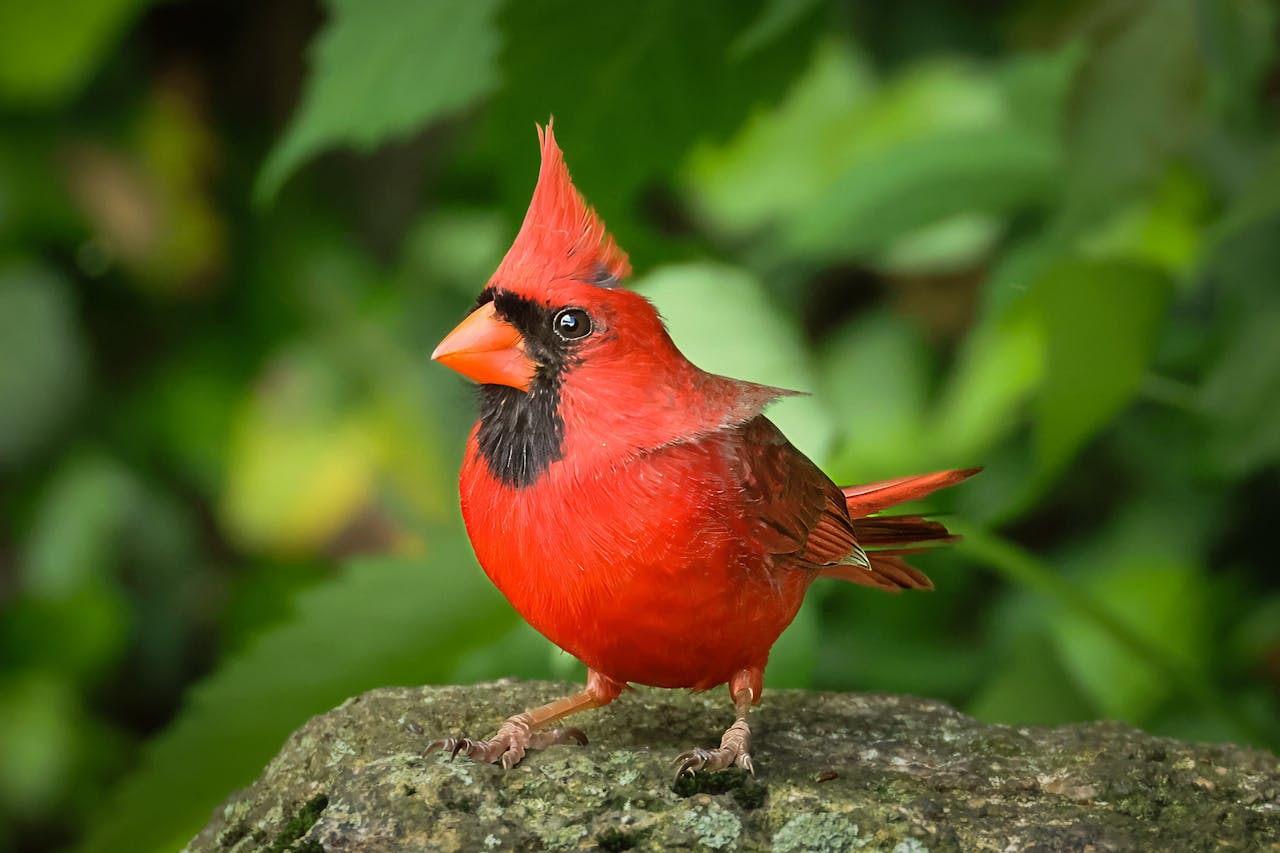
Cardinals do not need a seed tube to show up; they need a yard that feels safe, predictable, and worth revisiting.
A feeder is just one shortcut, and it can even draw bullies that push the red birds back into the trees.
What really pulls cardinals in is a mix of cover, water, and natural food that appears in every season.
The catch is that small choices, like trimming the wrong shrub or spraying too often, can erase that welcome fast.
Cardinals are edge birds; they love the meeting line where dense brush touches open lawn, not a wide, empty yard.
They also stay low, so ground-level chaos matters more than people think, from loose dogs to prowling cats.
If the yard offers quiet perches, winter berries, and a clean drink, visits turn into routines and routines turn into nesting.
Let’s break down the no-feeder setup, and the mistakes that keep cardinals near the neighborhood but out of view.
Build Thick, Low Cover First
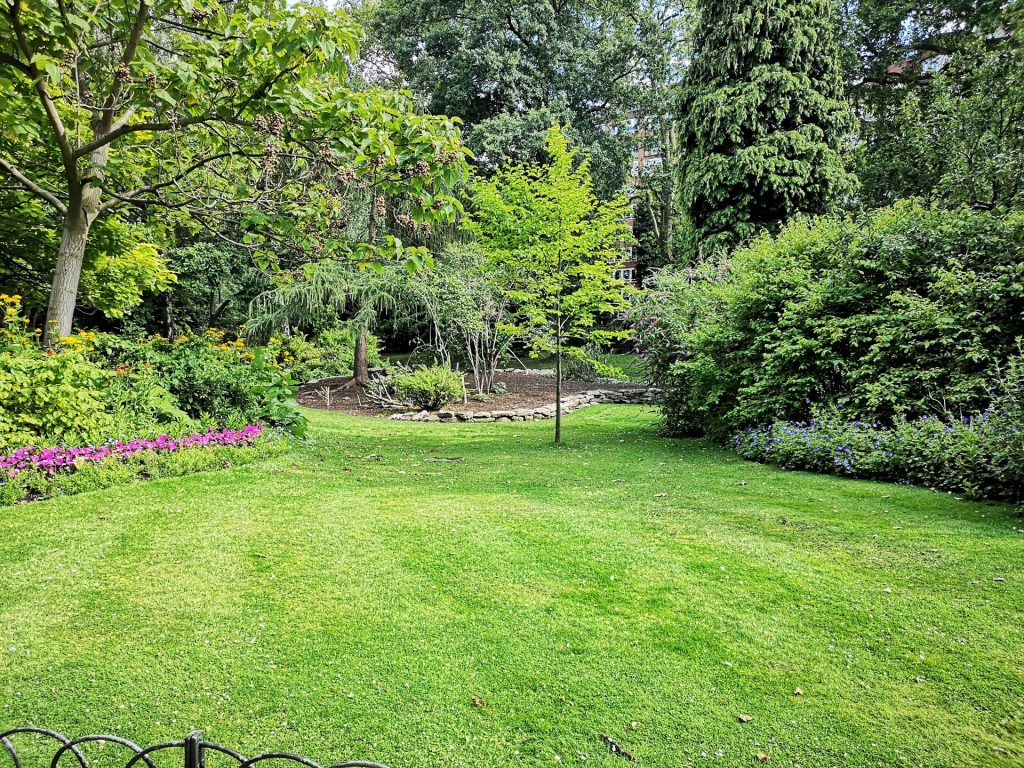
Cardinals relax when they can hop from shrub to shrub without crossing big open gaps in the yard.
Evergreens, tangled vines, and layered hedges act like living hallways, letting them forage while staying half hidden. They will use it daily.
A single pretty tree in the middle is not enough; they prefer the edges where cover meets light. Think messy, not manicured.
The common mistake is pruning everything into airy shapes, which removes the privacy that makes cardinals linger.
Let Plants Do the Feeding
Cardinals eat more than seeds; in spring they hunt soft insects and caterpillars to fuel nesting and feed chicks.
Native flowers and grasses supply tiny seeds and also host the bugs birds need, even when no feeder is present.
Leave some seed heads standing, especially coneflower, sunflower, and ornamental grasses, until late winter.
Shrubs that fruit in fall and winter matter most, because cold months are when cardinals patrol the same territory daily.
Dogwood, viburnum, serviceberry, and elderberry can keep the menu going, while also giving cover near the ground.
The mistake is treating the yard like a showroom and stripping every fallen leaf; that clean-up removes insects and shelter.
Another trap is heavy pesticide use, which cuts the food chain and can leave adults searching elsewhere for safer hunting.
If plant labels mention sterile flowers or no berries, skip them; pretty but empty landscaping rarely supports birds for long.
Add Water Without Creating Problems
A feeder can be ignored, but water is hard to resist; a small, reliable source can change a yard’s bird traffic overnight.
Choose a shallow basin with a rough surface or add stones, so birds can grip and bathe without slipping.
A simple dripper, bubbler, or slow hose trickle adds sound and motion, which cardinals notice from cover.
Place it near shrubs, but not so close that a cat can hide and pounce; two to three meters of buffer helps.
Refresh water often and scrub algae, because stagnant baths spread disease faster than most backyard owners realize.
In freezing weather, a small heater keeps water open and avoids the mistake of dumping salty de-icer nearby.
If mosquitoes are a concern, keep it moving and empty weekly; letting water sit is the fastest way to regret the setup.
Stop Turning the Yard Into a Predator Stage
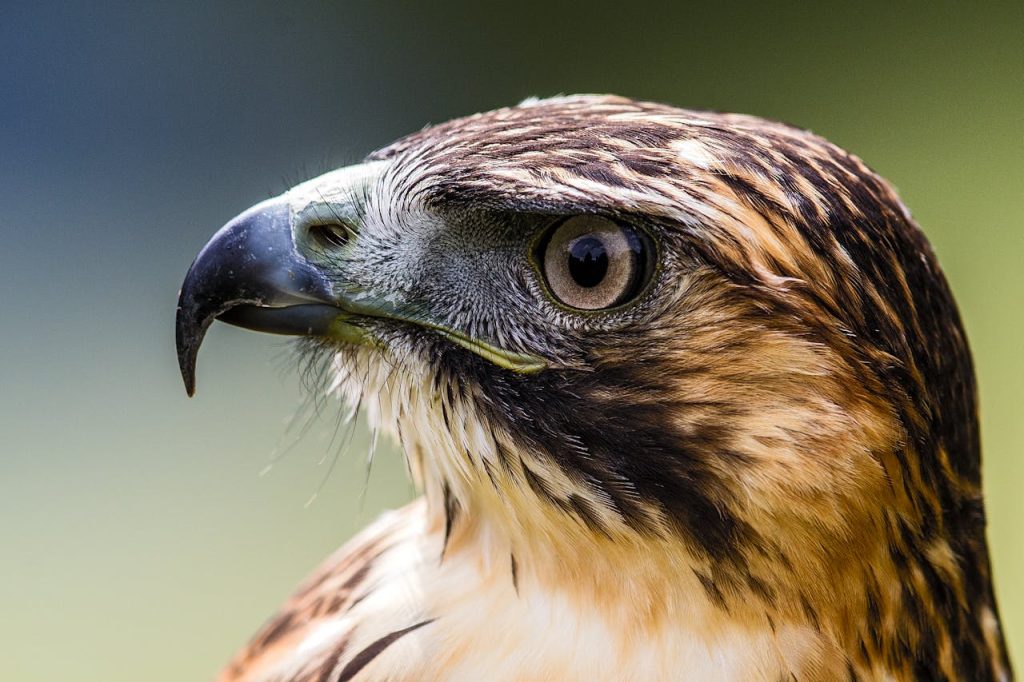
Cardinals will visit a yard with hawks nearby, but they will not stay if ambush spots are everywhere at ground level.
Outdoor cats are the biggest issue; even a well-fed cat changes bird behavior, because stalking is what cats are built to do.
Keep brush piles tucked inside planting beds, not beside open patios, so birds can slip away without crossing hard surfaces.
Window strikes are another quiet killer; decals, screens, or external netting can make glass readable to fast-moving birds.
The mistake is ignoring the threat map and blaming luck, when a few changes can shift the yard from risky to livable.
Time Yard Work Around Nesting
Cardinals often nest in dense shrubs and low trees, and they can attempt multiple broods in a season if left alone.
Hard pruning in late spring is a classic mistake; it removes nest sites right when pairs are choosing territories.
If trimming must happen, do it in late winter, and keep at least one corner of the yard untouched for the season.
Leaf blowers and constant weekend noise push birds deeper into cover, so visits shorten even if the habitat is good.
Let some twigs, pine needles, and dry grass stay available; cardinals use simple materials and prefer easy pickup.
A yard that looks a little untidy in summer often produces the reward people want: fledglings hopping around in shade.
Create Winter Value Without a Feeder
In winter, cardinals hold tight territories and return to the same sheltered spots if the yard stays dependable.
Evergreen screens block wind and offer roosting cover on bitter nights. Add berry shrubs so food is close to shelter.
Keep one patch of leaf litter under shrubs; it hides insects and fallen seeds. A bare, raked bed turns winter into a desert.
The mistake is saving all yard kindness for summer, then wondering why the brightest birds vanish when days get hard.
Avoid the Subtle Chemical and Lighting Traps
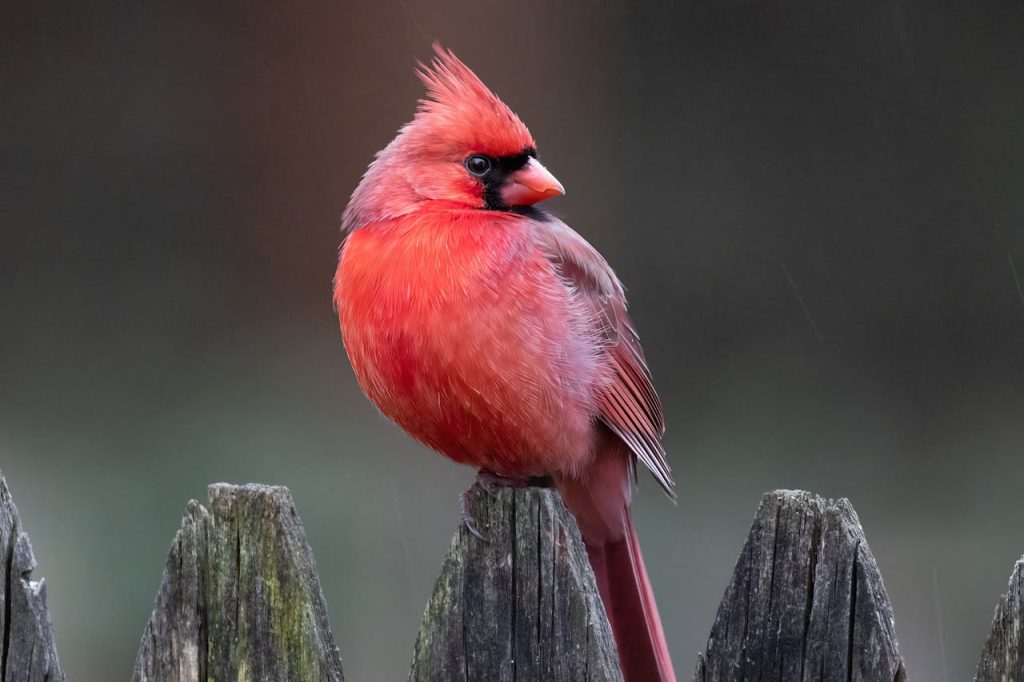
Herbicides and insecticides do more than kill weeds; they thin the living layer cardinals rely on for protein and cover.
Fertilizer runoff can also spike algae in birdbaths and puddles, turning water sources into dirty, smelly magnets for germs.
Bright night lighting is another mistake; it keeps birds alert longer and can expose them to predators that hunt by sight.
Make the Yard Feel Calm and Repeatable
Cardinals notice patterns, and they settle where the day-to-day rhythm stays steady. Small routines matter.
Keep dogs leashed near brushy corners and limit sudden chasing games in the exact spots birds use to forage.
If a birdbath or shrub is moved every weekend, cardinals treat it as unstable territory. Let features stay put long enough to earn trust.
When cover, water, and quiet line up, the birds arrive without fuss, and the yard finally feels like home to them.