

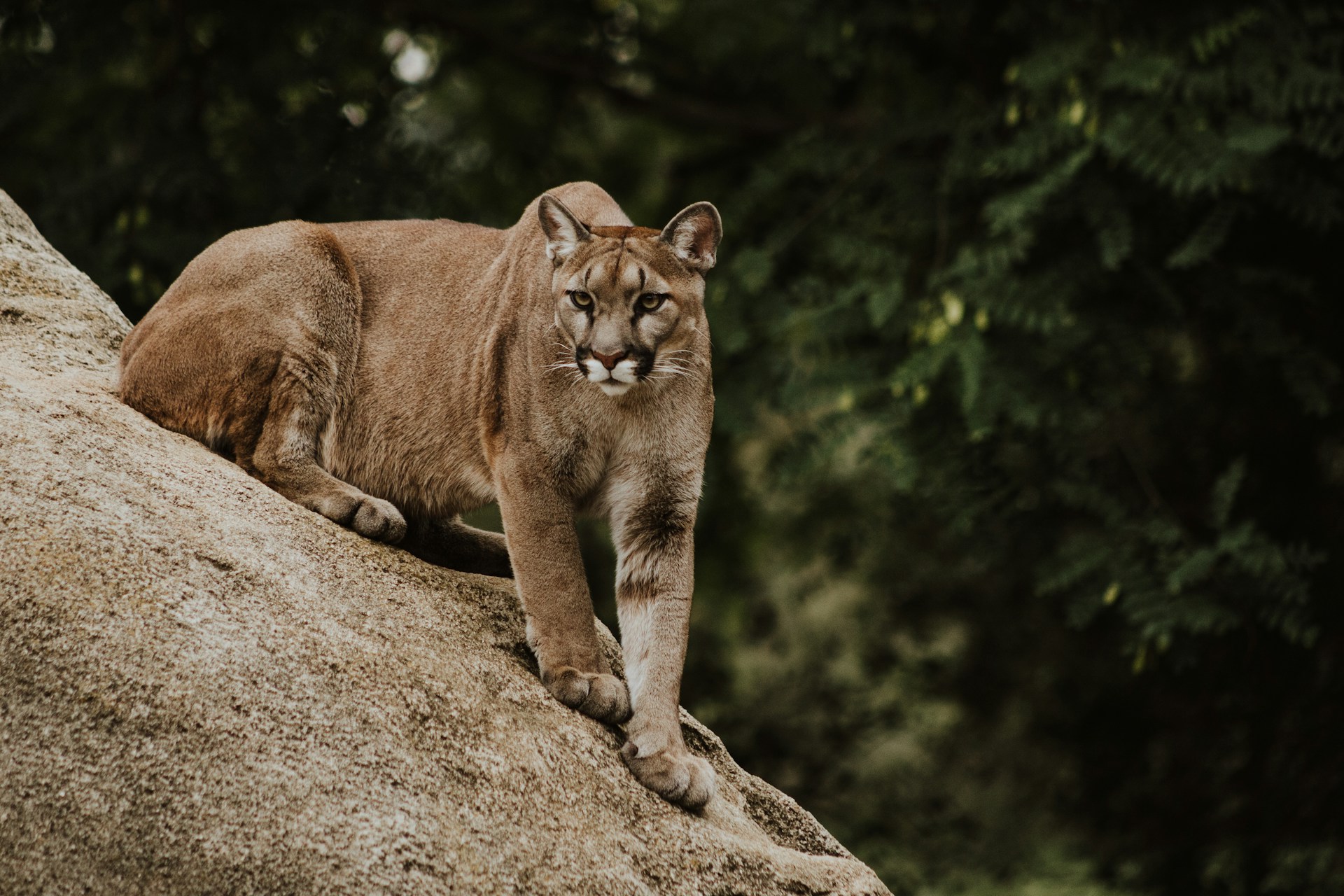
Sightings of bears and mountain lions in unfamiliar neighborhoods can look sudden, but wildlife biologists describe a clear pattern underneath. These animals are not roaming at random; they track food, cover, mates, and safer routes through landscapes that keep shifting. As forests regrow in some regions and housing expands deeper into wild country, the boundary between people and predators grows wider again.
A clip from a porch camera is usually the final frame of a longer ecological story, shaped by roads, drought, fire, development, and decades of conservation that rebuilt populations once pushed to the edges.
The Wildland-Urban Edge Keeps Expanding

One major driver is simple geography. In the United States, housing in the wildland-urban interface rose 47% from 1990 to 2020, and interface acreage grew 31%, according to the U.S. Forest Service update on national WUI growth. More homes now sit exactly where forests, foothills, and neighborhoods meet, which increases daily encounters with large mammals that already use those habitats.
The earlier PNAS benchmark showed the same direction: 43% of all new homes built from 1990 to 2010 landed in the WUI. What seems like wildlife coming in is often people and pavement spreading into long-standing travel and feeding zones.
Bear Recovery Is Expanding Their Footprint
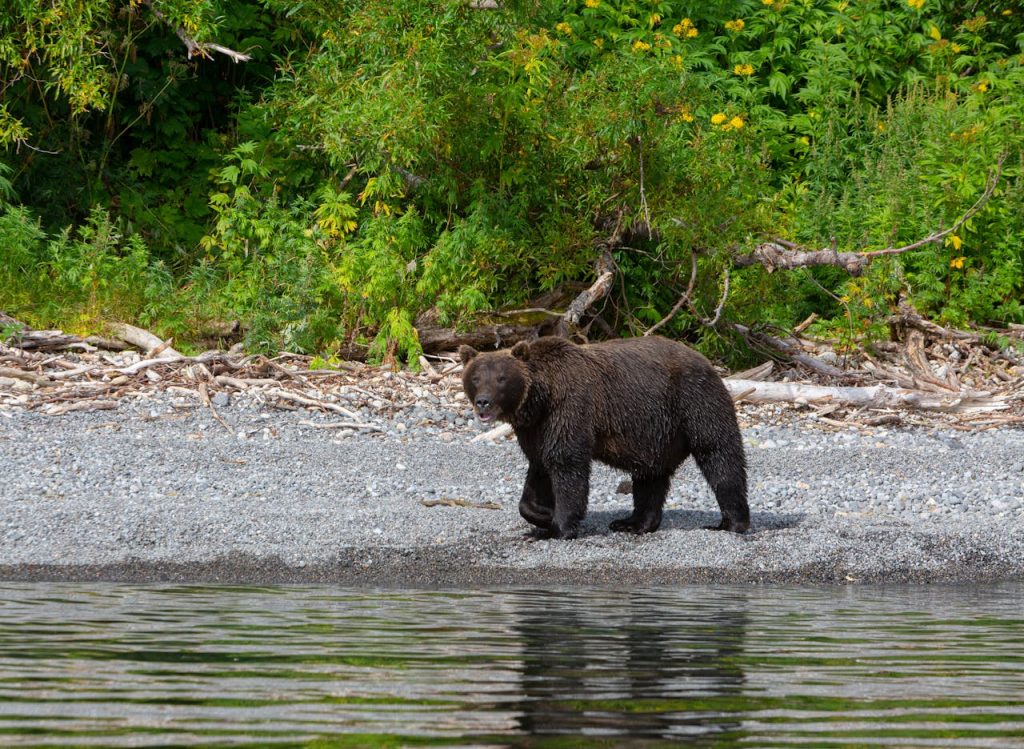
Black bears are showing up in places that reflect recovery as much as conflict. State and federal records describe rebounds after tighter protections, regulated hunting, and habitat return. In New Jersey, wildlife officials tie growth to maturing forests on former farm land and game-animal protection, while USGS work in the central Appalachians documented strong long-term growth in a reintroduced population.
That expansion changes where bears can live, den, and disperse. As numbers rise and young animals spread out, appearances along suburban edges are less surprise event and more predictable phase of population rebuilding.
Food Swings Are Rewriting Movement Patterns
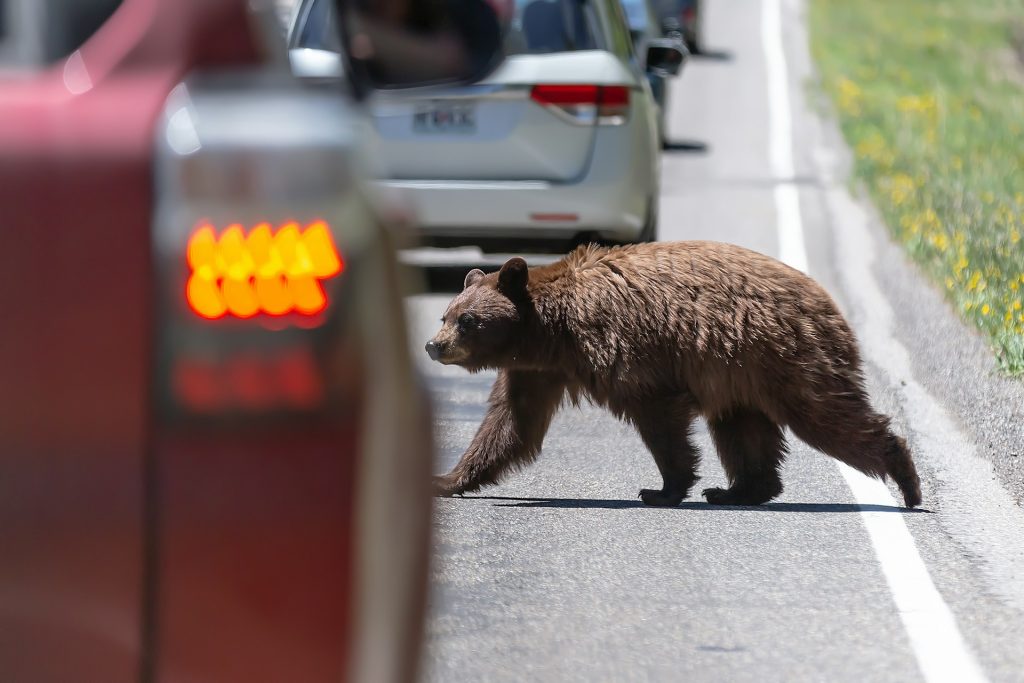
Food swings push movement patterns hard. Research on human-bear conflict shows bear use of urban space rises and falls with natural food availability, not just bear abundance. In poor mast years, when acorns and other calorie-dense foods underperform, bears search wider, which raises the odds of crossing roads or entering residential blocks where easy calories sit outside in bins, feeders, or pet bowls.
Recent state briefings echo the same mechanism. Managers in places like Colorado and New Hampshire repeatedly flag drought, delayed crops, and thin natural forage as conditions that can amplify local conflict seasons.
Human Food Sources Are Training Repeat Visits

Attractants create repeat behavior, and agencies measure this clearly. Colorado’s recent bear report linked 92% of documented property-damage cases to an attractant, with trash the largest category. That pattern matters because bears learn fast: once unsecured food pays off, they return to the same streets, sheds, and porches, and conflict becomes a habit loop instead of a one-time visit.
BearWise and state wildlife programs describe the same sequence nationwide. Human food rewards lower hesitation around homes, so encounters become more frequent and harder to reverse without tight storage and cleanup routines every season.
Young Male Mountain Lions Are the Main Dispersers
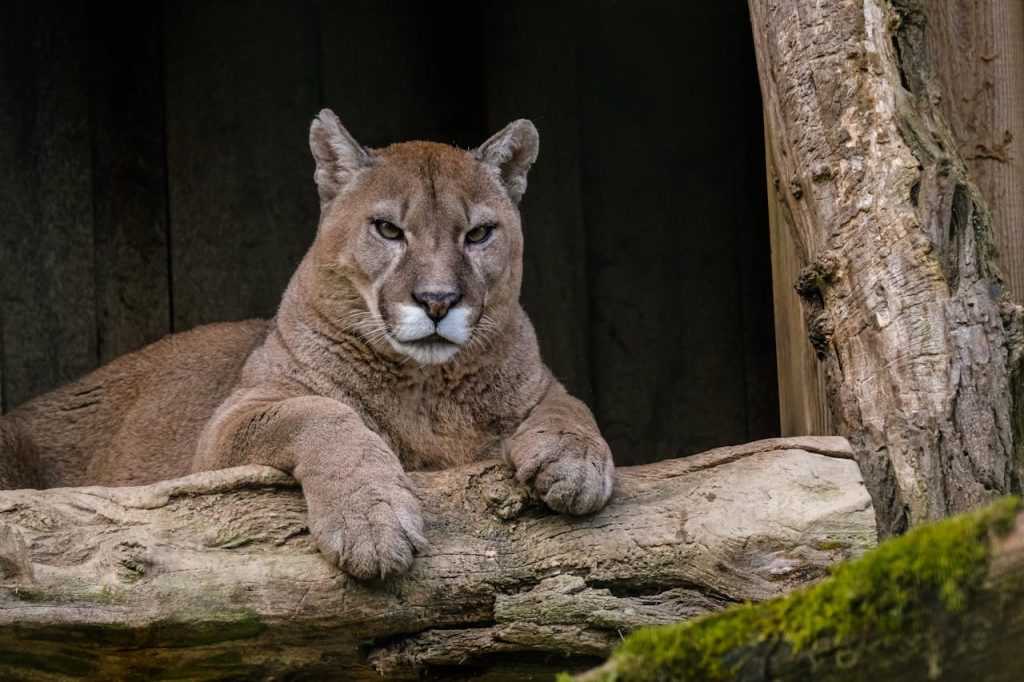
Mountain lions in new Midwestern locations are often dispersers, not settlers. Iowa’s DNR reports that most confirmed lions there have been young males, commonly 2-3 years old, with DNA pointing to source populations in places such as the Black Hills and Nebraska. Nebraska managers report a similar pattern, noting that young males usually travel farther than females and appear in the eastern part of the state.
This is why sightings can spike far from established breeding cores. Dispersal is a normal life stage driven by territory pressure and mating opportunity, so unusual maps reflect predictable biology, not random invasion.
Fragmented Habitat Pushes Risky Crossings
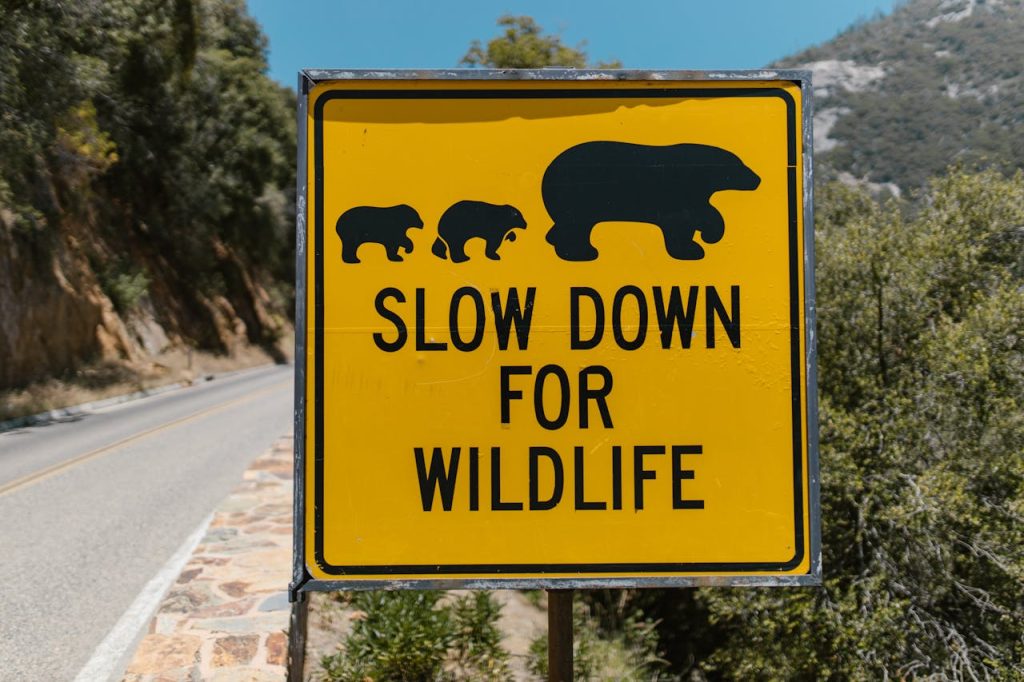
Fragmentation turns movement into risk. In the Santa Monica Mountains study area, the National Park Service reports 32 mountain lions struck and killed by vehicles since 2002, a stark sign of what happens when highways cut across habitat. The same program notes that adult males in that region can use about 150 square miles, while adult females average around 50, so crossing developed zones is often unavoidable.
When large carnivores need wide ranges but landscapes are sliced by roads, new appearances near neighborhoods and ramps are less mystery than geometry. Animals are navigating broken maps with very few safe options.
Wildfire Can Reroute Lions Overnight
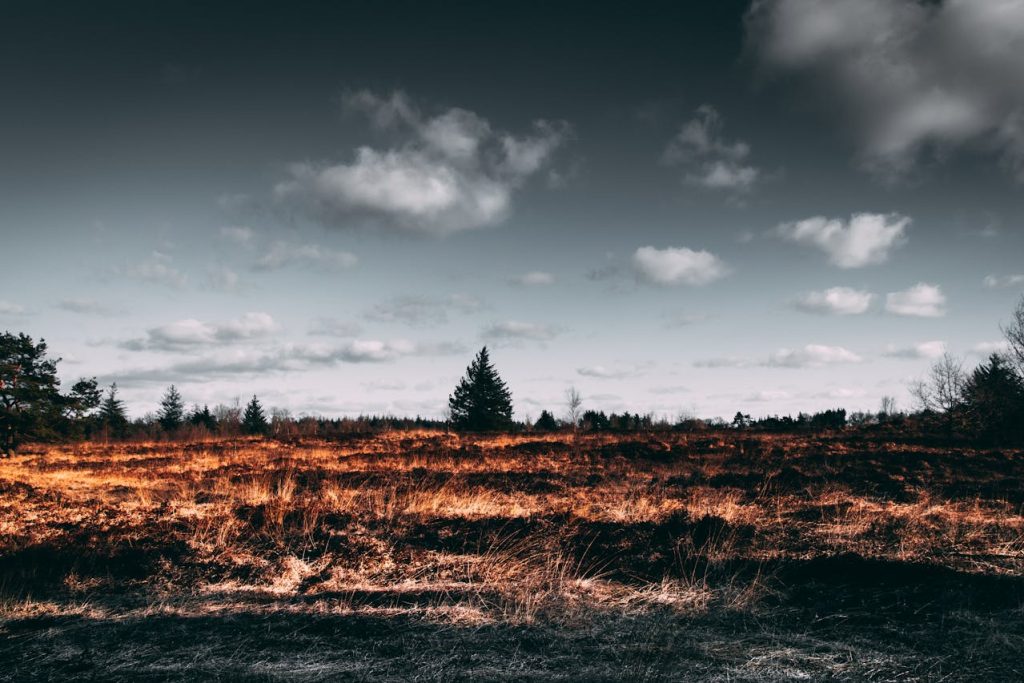
Fire reshapes predator movement in ways that can look abrupt from the outside. A Current Biology study in a fragmented urban landscape found mountain lions avoided burned areas after wildfire and increased risky behavior as they navigated around those zones. That combination can reroute travel corridors toward roads, edges, and developed pockets that were not part of routine movement before fire.
So a lion in a parking-lot fringe after a major burn is not always rising comfort with people. It can be a displacement signal, where normal cover, prey paths, and quiet routes were disrupted faster than the landscape could recover.
Prey Distribution Often Predicts Lion Sightings
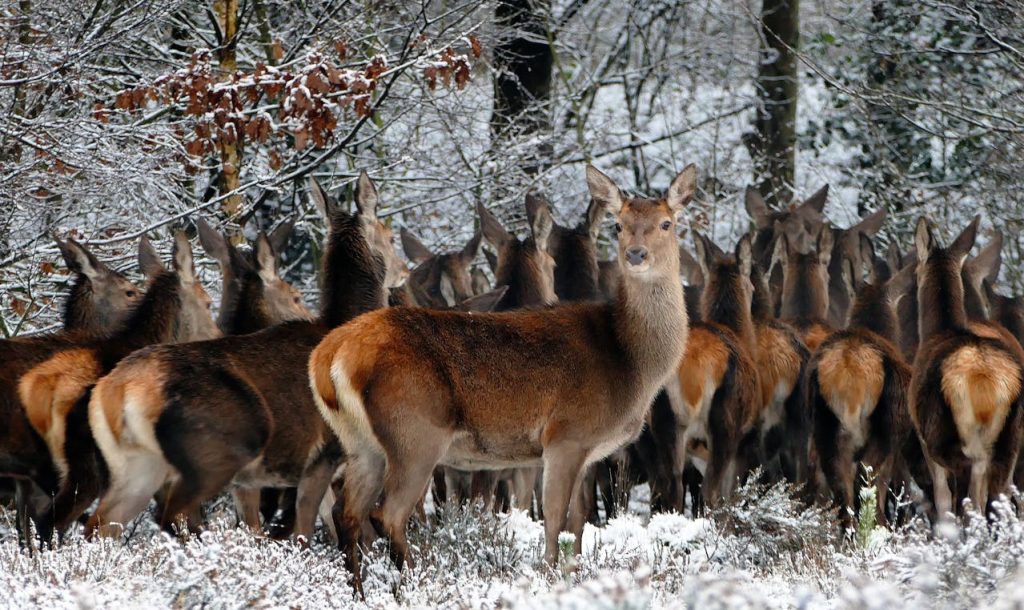
Predators follow prey before they follow headlines. In the Santa Monica Mountains dataset, NPS researchers report mountain lions there eat about one deer per week, and analysis of more than 700 kills found mule deer made up 87% of prey. When prey concentrates along greenbelts, irrigated edges, and suburban ecotones, lions track that distribution even if it draws them closer to roads and back fences.
This is why new lion sightings often cluster around deer movement, not around random points on a map. The cat’s route is usually tethered to food economics first, then constrained by traffic, fencing, and human disturbance.
Seasonal Timing Creates Predictable Bear Surges
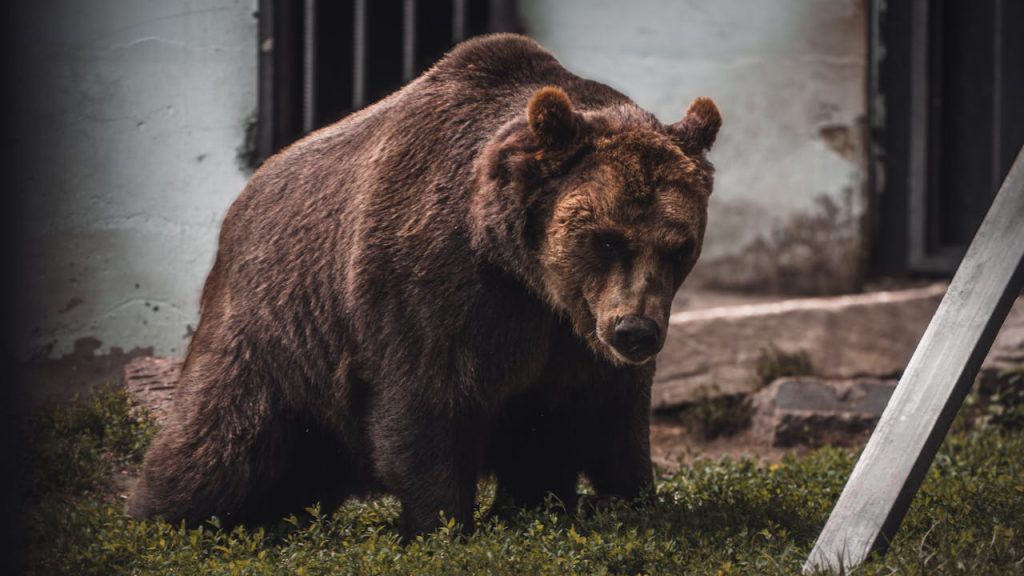
Seasonality changes conflict windows. New Hampshire wildlife officials note that spring-emerging bears face limited natural foods and are easily lured by bird feeders, poultry setups, and unsecured garbage. That early-season calorie gap helps explain why neighborhoods see sudden bursts of bear activity that taper once natural forage improves and attractants are removed.
The pattern repeats in many states: a biological calendar intersects with a human storage calendar. When attractants stay available during lean weeks, bears test developed areas more often, and those learned routes can persist beyond season if rewards stay reliable.