

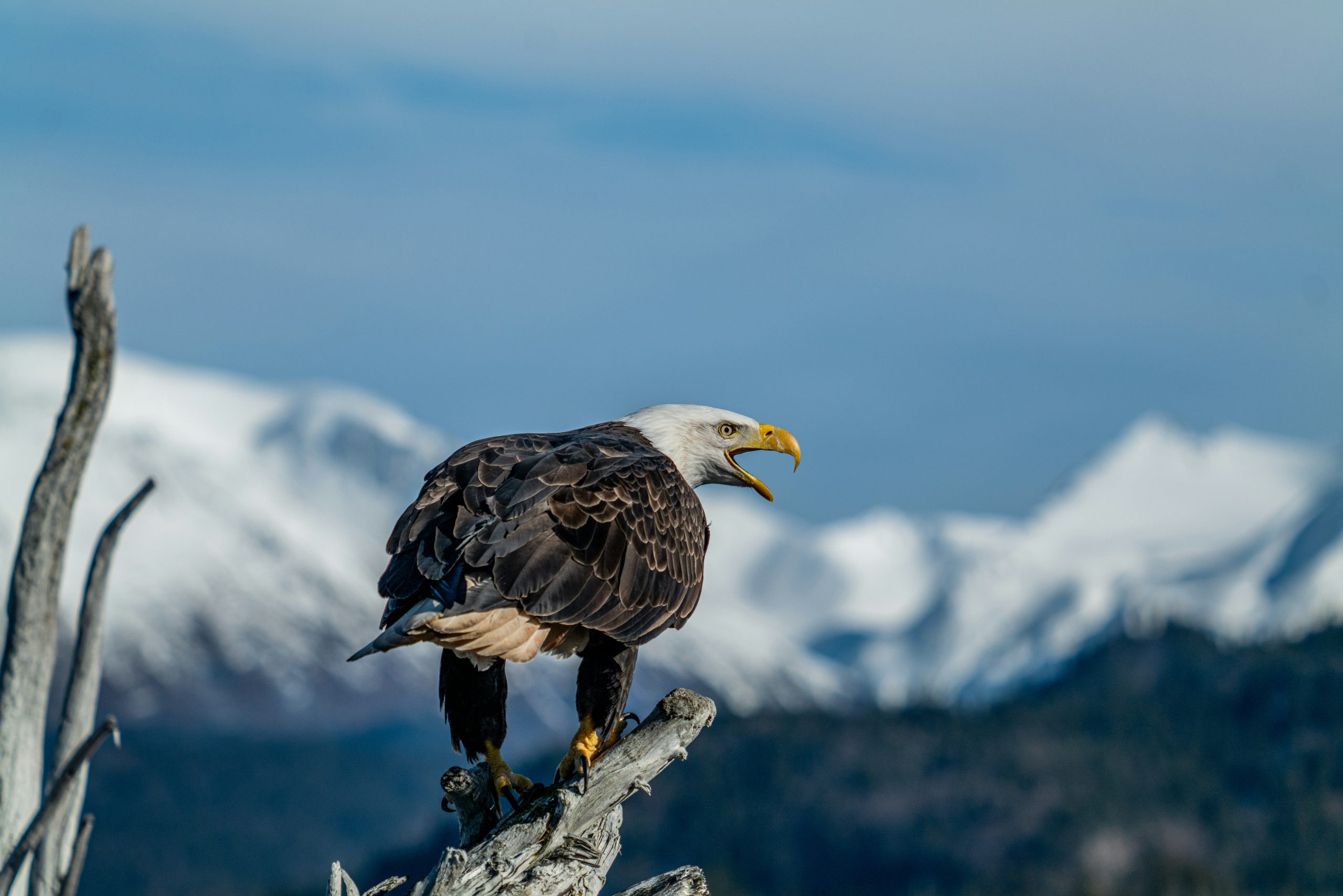
Bald eagles can be surprisingly easy to locate, yet frustratingly hard to watch well without a plan.
The real advantage is not one famous overlook, but timing, light, and the discipline to stay back.
Crowds gather where access is obvious and the photo angle is predictable, then the birds drift away.
Quieter encounters happen on long river bends, backwater sloughs, and winter lakes with room to breathe.
Eagles follow food, so freezes, fish runs, and open water edges matter more than social media buzz.
Pack binoculars, extra layers, and a warm drink, because comfort is what keeps you patient and quiet.
If an eagle locks eyes, calls, or scoots along a branch, it is telling you the distance is wrong.
Use these locations and common mistakes to keep the experience calm, ethical, and genuinely memorable.
Chilkat Bald Eagle Preserve, Alaska
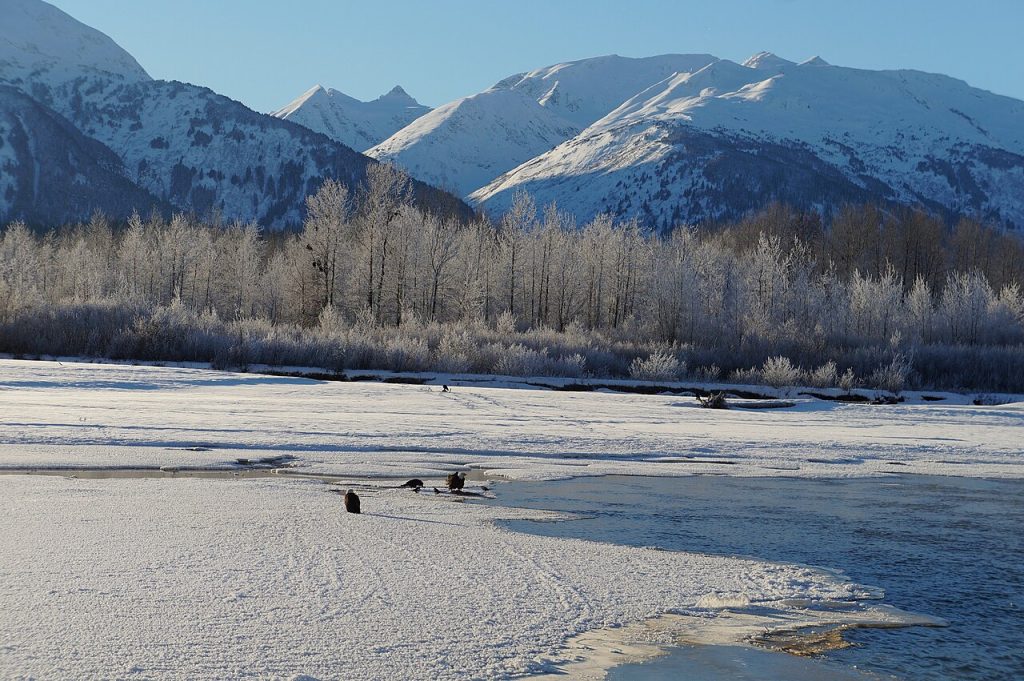
Late fall can concentrate eagles along the Chilkat River, but the viewing area is wide and flexible.
Start at pullouts away from the busiest bridge cluster, then let the river’s bends guide your stops. Pause longer than you think.
Do not chase one bird down the road; scan snags and gravel bars where multiple eagles rotate naturally.
Keep gear steady and voices low; a calm roadside presence often buys more time than any closer approach. Let the bird set the pace.
Skagit River Backroads, Washington
The Skagit hosts winter eagles, yet most visitors stack up at the first signed viewpoints and fences.
Take slower farm roads and scan cottonwoods near side channels, flooded fields, and carcass sites after storms.
A common mistake is staring only at the water; eagles often perch above you, perfectly still for minutes.
Arrive at first light to beat glare, then work upstream in short, quiet stops that do not feel like pressure.
Stay off private driveways and closed gates, because one sloppy visit can get an entire stretch posted.
If you see ravens milling or circling, look nearby; they often point to food that draws eagles in.
Never toss scraps to lure photos, since it changes behavior, crowds the birds, and triggers conflict fast.
Skip drones completely; even a brief hover can flush roosting eagles and ruin the whole corridor.
Klamath Basin Refuges, Oregon and California
The Klamath Basin holds wintering eagles, and the refuges’ road network helps spread viewers out.
Focus on open water margins where ducks raft up, especially right after a hard freeze reshapes the marsh.
The biggest mistake is midday driving into shimmer and flat light, which makes distant birds look soft.
Build a loop at sunrise and late afternoon, when low sun cuts haze and reveals feather detail.
Do not linger at the most popular auto-tour pullouts; drive on, then walk short dikes to quieter angles.
Watch wind direction, because eagles prefer perches that let them launch cleanly into a headwind.
Respect closures even if tracks tempt you; roosts and nests need undisturbed space to stay productive.
Upper Mississippi River Backwaters, Iowa to Wisconsin
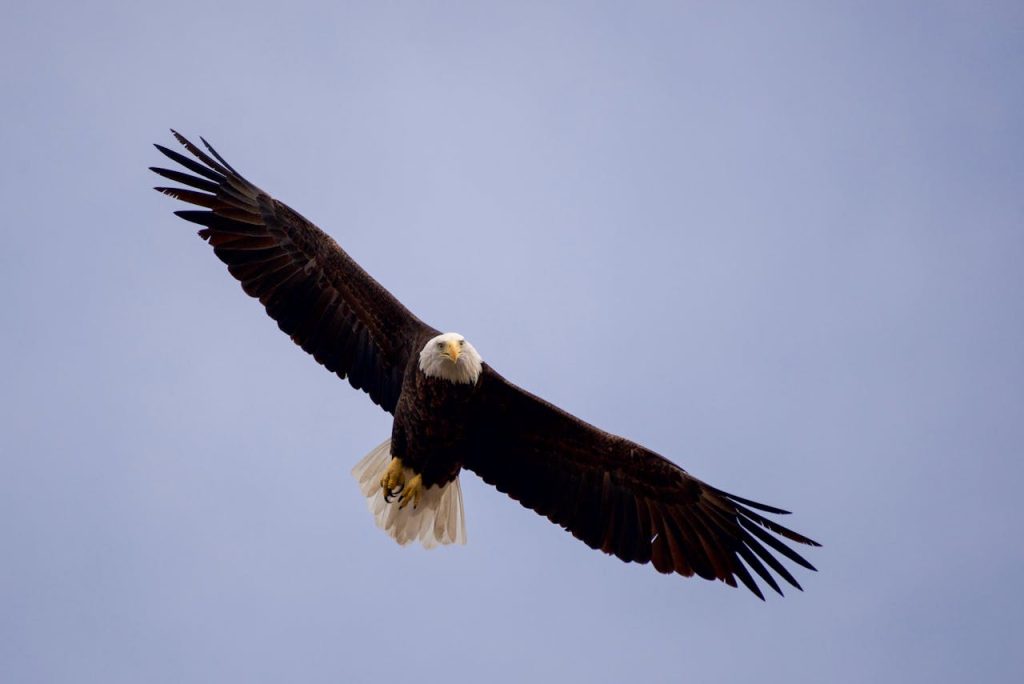
Ice-free backwaters can stack eagles along the Upper Mississippi, far from the famous dam crowds.
Choose lesser-known wildlife areas and boat landings, then scan sandbars, cottonwoods, and dead snags.
A common mistake is planting yourself on the main channel bank, where wind, noise, and traffic spook birds.
Instead, work sheltered sloughs and islands, using binoculars first and a camera second to avoid tunnel vision.
Do not assume summer is better; some of the best days arrive in the coldest, clearest weeks.
Coeur d’Alene Lake and the Spokane River, Idaho
Winter brings eagles to this lake system, and public shorelines let you spread out with minimal drama.
Look near creek mouths and shallow bays where fish concentrate, especially when thin ice pins them in place.
The common mistake is shooting into flat light; wait for side light and cleaner backgrounds to separate the bird.
Move slowly, park legally, and watch from inside the car when birds are jumpy and the shore is exposed.
Keep kids and dogs close, because sudden motion reads as threat long before most people notice it.
Roll windows down gently and avoid slamming doors; a sharp sound can flush birds across an entire cove.
St. Johns River Wetlands, Florida
Florida eagles live here year-round, but winter mornings add crisp air and more predictable hunting rhythms.
Target quiet marsh edges and cypress lines where fish and waterfowl gather, away from the loudest ramps. Slow down and listen.
Do not ignore tide and wind; feeding shifts fast on tidal water, and the birds follow that shift.
Watch for fresh whitewash under trees, then back up until the eagle relaxes and resumes normal posture. If it fidgets, back up again.
James River and Chickahominy Backwaters, Virginia
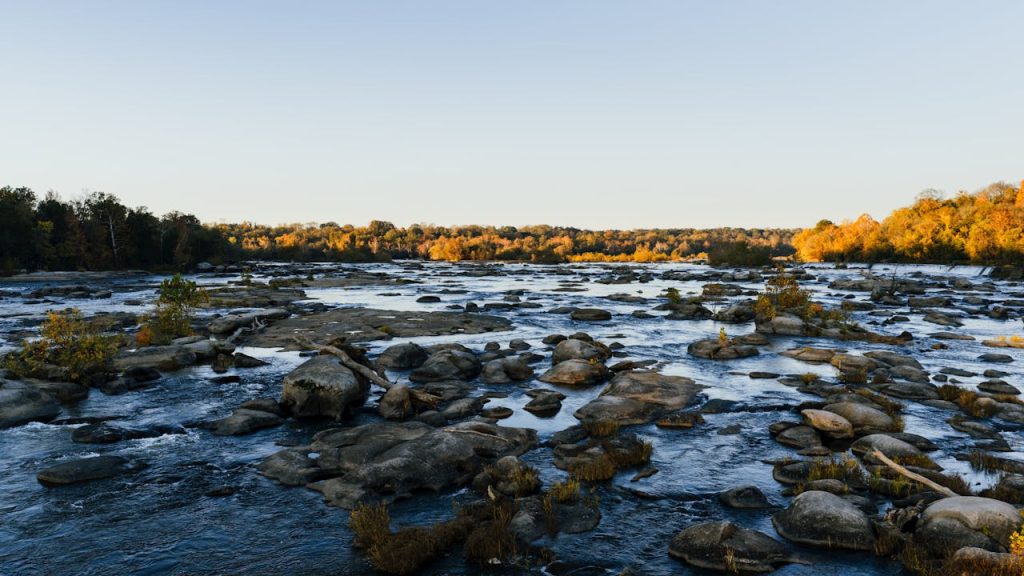
These tidal rivers hold eagles near cities, yet the backwaters can feel oddly empty once you leave highways.
Use small parks and canoe launches, then look for perched birds on pines, river snags, and channel markers.
The mistake is hugging the shoreline; stay back and let open water be your buffer while you scan slowly.
Big Bend of the Missouri, South Dakota
Wide prairie rivers attract winter eagles, and the sheer space keeps crowds thin even on weekends.
Drive county roads that parallel the water, and scan for birds riding thermals over breaks and bluffs. Pull off well before you glass.
The mistake is skipping binoculars; at this scale you will miss most eagles, even when they are close.
Bring a spotting scope if you have one, and accept that distance is the point, not a problem to solve. The view improves with calm.