

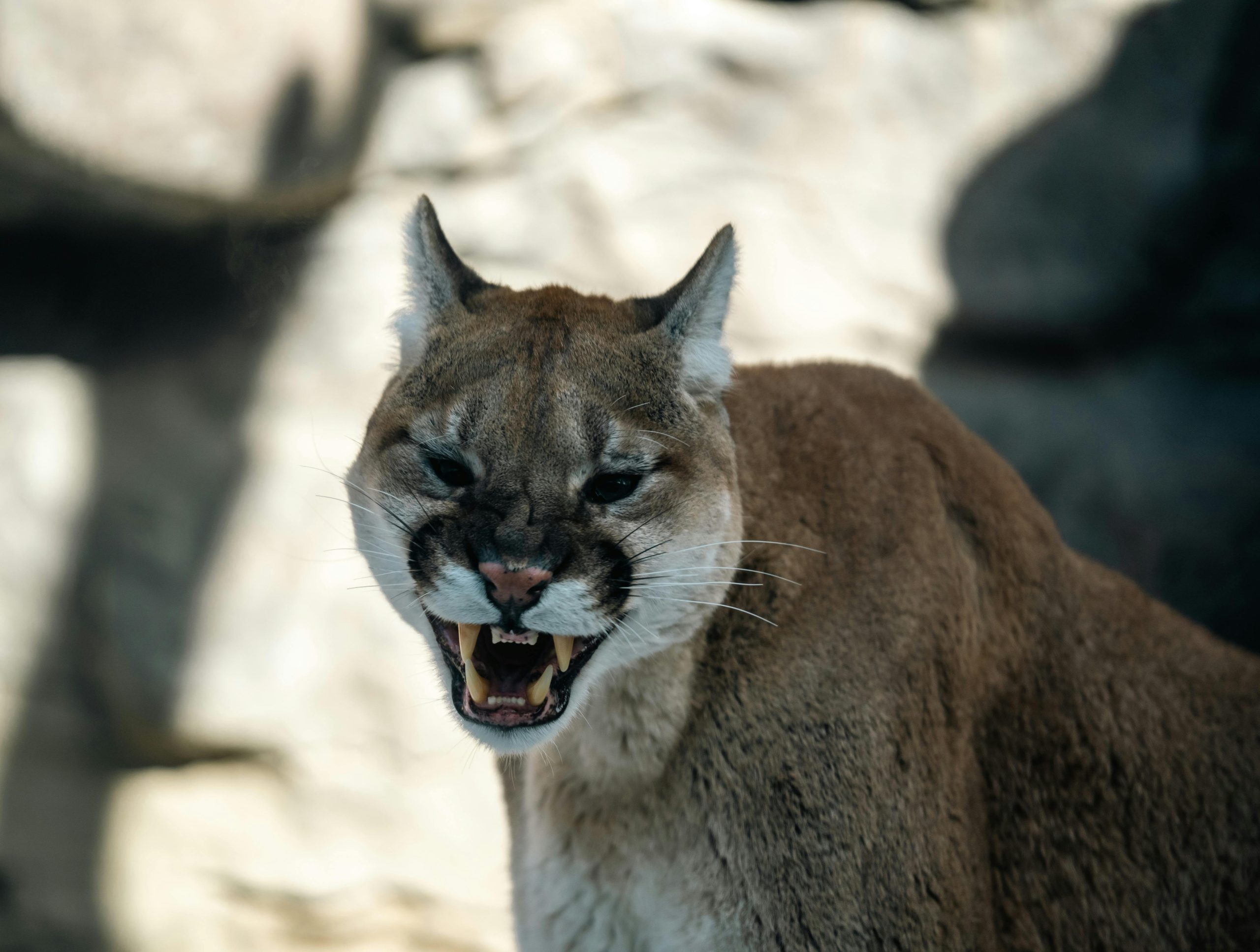
Mountain lions have always lived near people, yet many towns are noticing them more often on the edges of daily life.
Biologists say it is not just a scary headline; it is a real pattern driven by where humans build, hike, and drive.
Suburbs keep expanding into brushy foothills, and the deer that love irrigated lawns bring predators closer too.
When prey animals adapt to neighborhoods, a lion can follow those food lines with patience and very little noise.
Doorbell cameras and phones now capture what once slipped by unseen, so a normal night can suddenly look dramatic.
That extra footage can inflate fear, but it also gives wildlife staff better data on corridors, timing, and repeat visits.
The biggest change is location: encounters are happening in spaces designed for strollers, dogs, and joggers, not cats.
Once the reasons are clear, the risk stops feeling random and starts looking like something communities can manage.
Why Sightings Can Spike Without a Population Boom
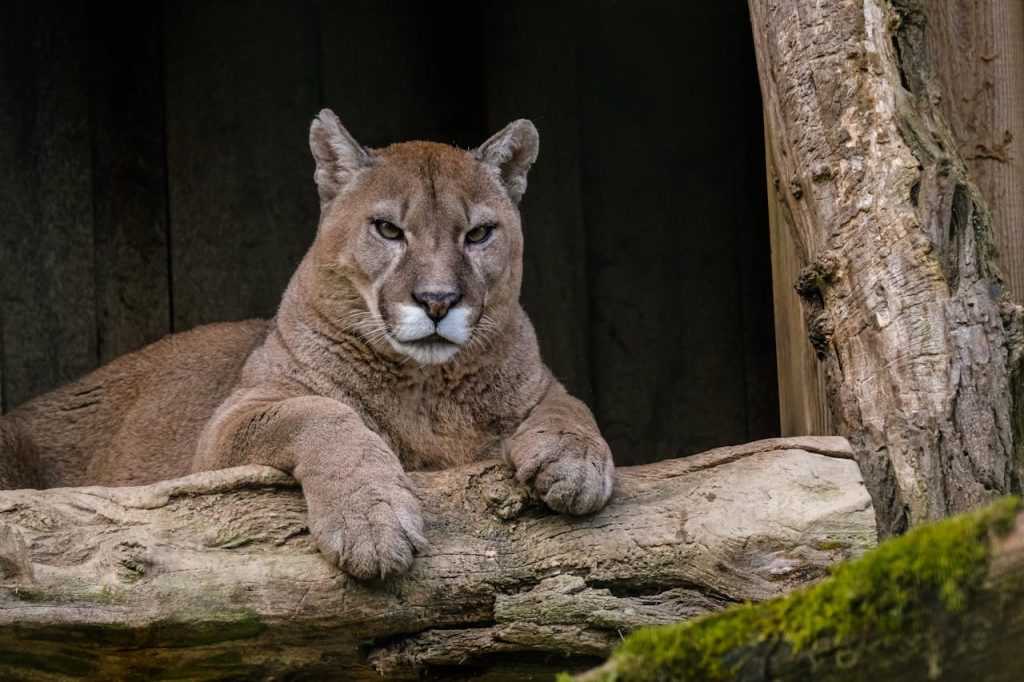
A single lion can roam dozens of miles, so one animal alone can produce a week of reports across multiple neighborhoods.
Young males disperse to claim territory, and that restless phase often puts them on roads, trails, and creek beds.
Drought, fire, or heavy construction can squeeze habitat and funnel movement through the same narrow green strips.
If deer are browsing near homes, lions may linger longer, which raises sighting counts even if the population is stable.
The New Edges Where Lions And People Meet
Greenbelts, river corridors, and canyon washes act like natural highways, letting wildlife move while staying partly hidden.
Housing rings around open space create contact zones, especially at dawn, when commuters and hunters share the same light.
Backyards with bird feeders can unintentionally feed deer, and a consistent deer trail is an invitation a lion notices.
Trail networks add miles of human traffic into lion habitat, often during the quiet hours when cats are most active.
Even small brush patches can hide a lion because their strength is stillness; they rely on cover more than speed.
Snowy winters can push prey downhill, shifting lion routes toward towns, golf courses, and lower-elevation parks.
After wildfires, fresh regrowth draws deer back first, and lions may follow that rebound for months or even years.
When food stays reliable near homes, sightings become a repeating neighborhood storyline instead of a one-off surprise.
What Biologists Mean When They Say The Risk Is Changing
Most lions avoid people, but habituation can creep in when humans never look threatening and dogs are left unattended.
A lion that learns a yard is quiet, predictable, and full of deer may return, testing boundaries a little more each visit.
Conservation has supported recovery in some areas, which can change age structure and increase roaming by younger cats.
More juveniles on the landscape can mean more mistakes, including daytime movement and closer approaches to trails.
At the same time, more people recreate outdoors year-round, multiplying the chances for a close look or surprise encounter.
Risk changes when behavior shifts, not only when numbers rise, which is why biologists watch patterns, not just counts.
Repeat visits, stalking reports, and pet losses are the signals that turn a sighting from interesting into urgent.
Warning Signs That Deserve More Than A Shrug
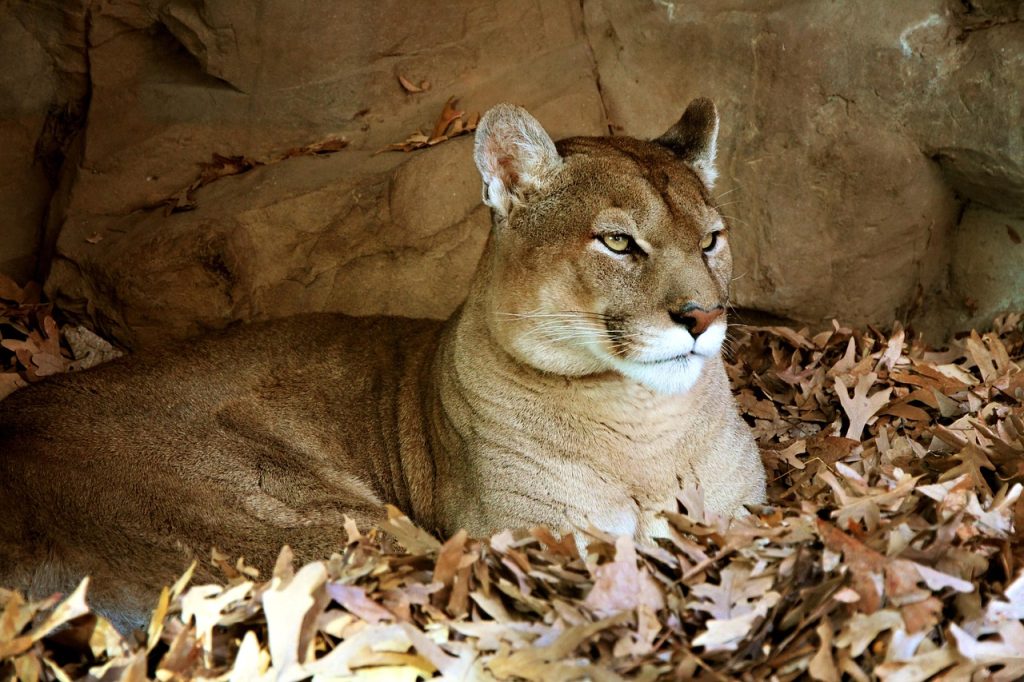
Fresh tracks in soft soil near play areas or dog paths are a clear cue to slow down and change routines for a while.
Scrapes, scat, and claw marks can show a lion is using the area repeatedly, not just passing through once at night.
A cat that does not retreat when seen, or that keeps watching from cover, deserves a report and extra caution.
Multiple sightings in the same corridor can point to a regular route, a kill site, or even a nearby den.
If pets vanish or deer carcasses appear close to homes, report it early so staff can prevent a pattern from growing.
How To Act During An Encounter
Stop running and face the animal, because turning your back can trigger a chase response in many predators.
Make yourself look bigger, raise your arms, and speak firmly; the goal is to appear confident and hard to move.
Back away slowly while keeping eye contact, and do not crouch to pick up items, since crouching can look like prey.
If the lion approaches, throw rocks or sticks and take a step forward; claim space instead of giving it away.
In the rare event of an attack, fight back hard, aiming for the eyes and face, and keep resisting until it stops.
After any serious encounter, notify wildlife officials so they can assess the lion, check for injuries, and warn neighbors.
Reducing Attractants Around Homes And Camps
Keep pets indoors at night and use a leash in brushy or deer-heavy areas, since free-roaming pets are a common trigger.
Secure garbage, compost, and outdoor pet food so smells do not advertise an easy buffet to any roaming wildlife.
Trim shrubs near doors, play areas, and walkways to remove hiding cover where a lion could watch without being seen.
Lights and alarms can help, but consistent habits matter more, especially during dawn and dusk when cats are most active.
Protecting Pets And Livestock Without Panic
Small dogs face higher risk at dawn, dusk, and after dark, so supervised yard time and strong leashes matter.
For livestock, night corrals, guardian animals, and well-maintained fencing reduce losses without escalating conflict.
Remove carcasses quickly, because a lion may return to a food source, and repeated returns are when problems grow.
What Communities And Agencies Can Do Next
Clear reporting channels help biologists separate rumor from repeat problem behavior, which guides smarter decisions.
Targeted hazing can retrain a lion to avoid people, while relocation is rare and often fails because cats return or die.
Temporary trail closures can lower risk during denning or a cluster of sightings, especially near schools and parks.
Long-term planning that keeps wildlife corridors intact reduces conflict, because lions move through rather than settle in.