

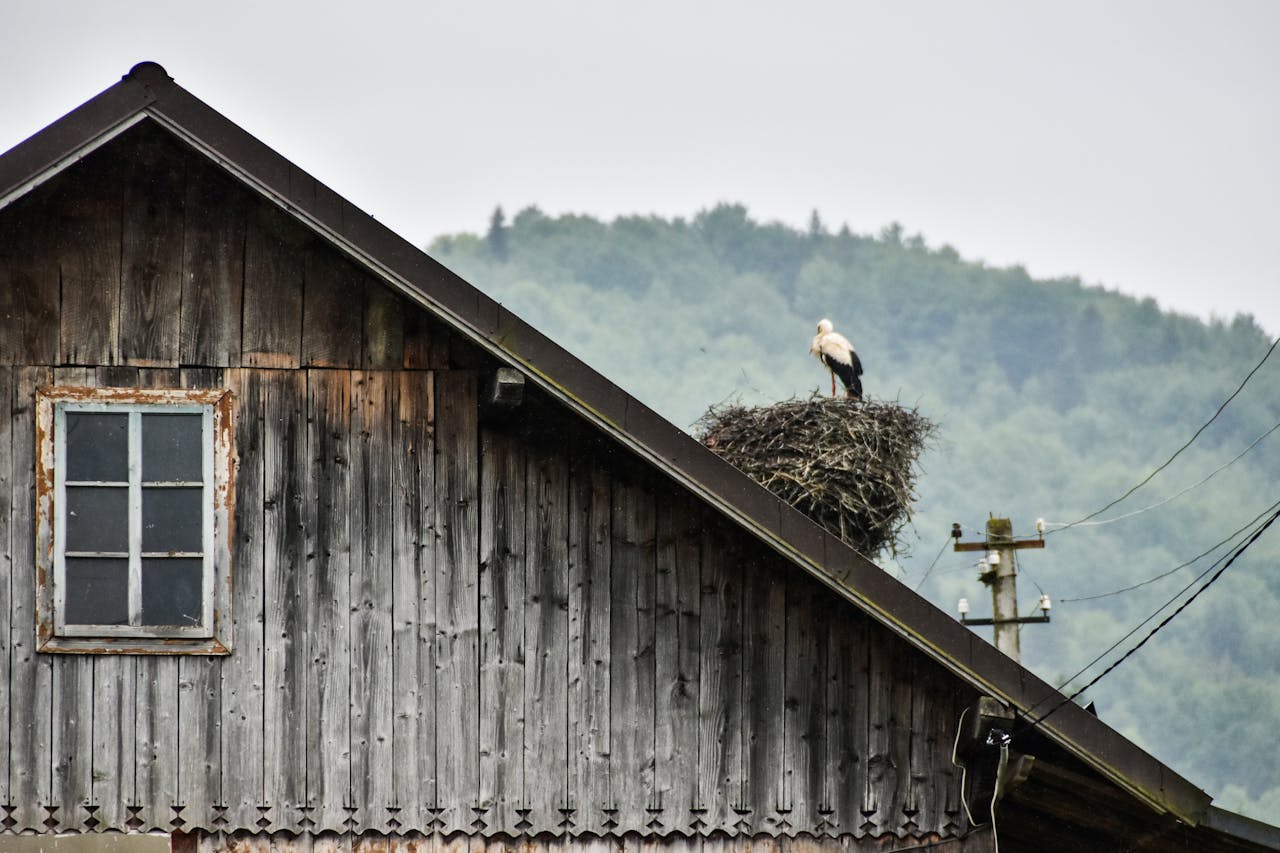
Each spring, ordinary places like porches, parking lots, school paths, and lakeside lawns become nesting territory. Bird experts note that many injuries happen not because birds are random, but because people miss warning behavior and react too late. Wildlife guidance is consistent: risk rises when curiosity turns into repeated close passes, rushed cleanup, or improvised nest moves. With calm timing, legal awareness, and short-term route changes, most tense encounters fade quickly and safely for both people and birds. The key is reading nest defense as communication, not chaos. That shift prevents panic and bad calls.
Ignoring Early Warning Behavior

The first mistake is pushing forward after clear warning signals. Many nesting birds start with distance-setting behavior such as alarm calls, repeated passes, or posture displays long before close contact. When those cues are ignored, encounters become sharper and more chaotic in seconds.
U.S. Fish and Wildlife and Audubon guidance both frame this as a preventable escalation problem. Stepping out of the immediate zone early, then rerouting for a short period, usually lowers stress for birds and people. Most defense behavior is tied to a brief nesting window, not a permanent territory fight. Early retreat is usually the safest move.
Treating Active Nests Like Daily Photo Stops
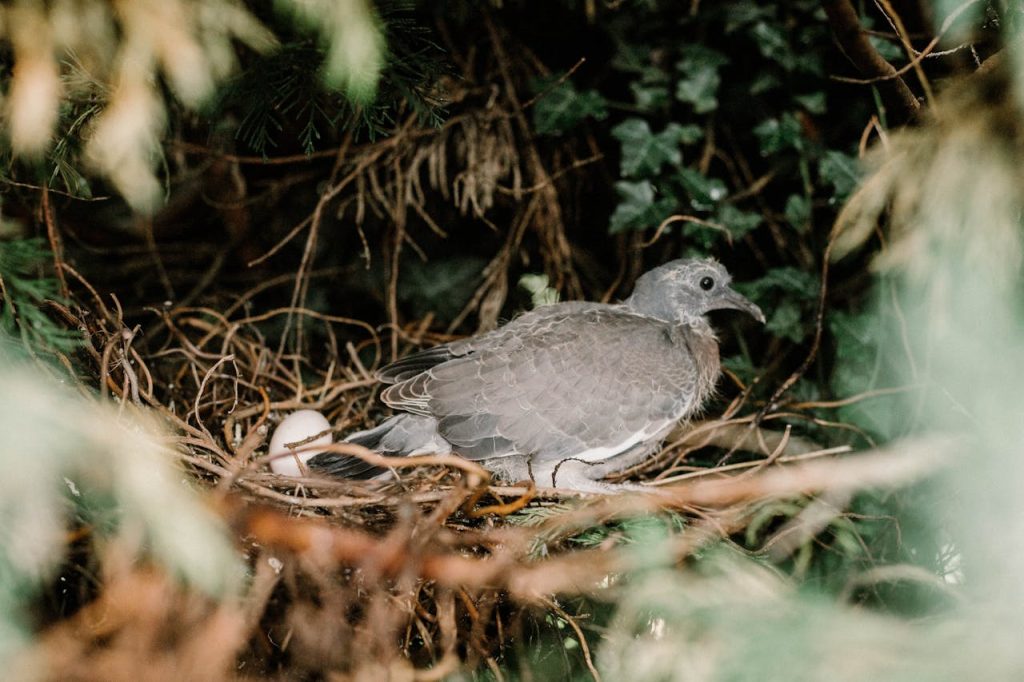
The second mistake is turning an active nest into a daily photo checkpoint. Frequent close visits can keep adults on edge, interrupt incubation, and increase the chance of a defensive rush when someone lingers at eye level near doors, decks, or shrubs.
Cornell’s NestWatch protocol recommends planned, brief checks about every three to four days, with careful notes so observers avoid long searches each time. That rhythm protects data quality and reduces disturbance pressure, which is exactly why trained monitors avoid repeated drop-ins just to see what changed overnight. Curiosity works best when it is scheduled and brief.
Moving Active Nests Without Checking The Law

A third mistake is trying to move an active nest in a hurry after a close call. For most native migratory birds, active nests with eggs or dependent young are protected, and unauthorized removal can violate federal law even when intentions are practical.
There is a narrow exception for resident Canada goose nest and egg control under a federal depredation framework, but it requires proper registration and specific compliance steps. When people skip that process and improvise with ladders, buckets, or late-night moves, risk rises for everyone involved. The safer path is to verify rules first, then use authorized local help.
Rescuing Every Grounded Young Bird Too Quickly
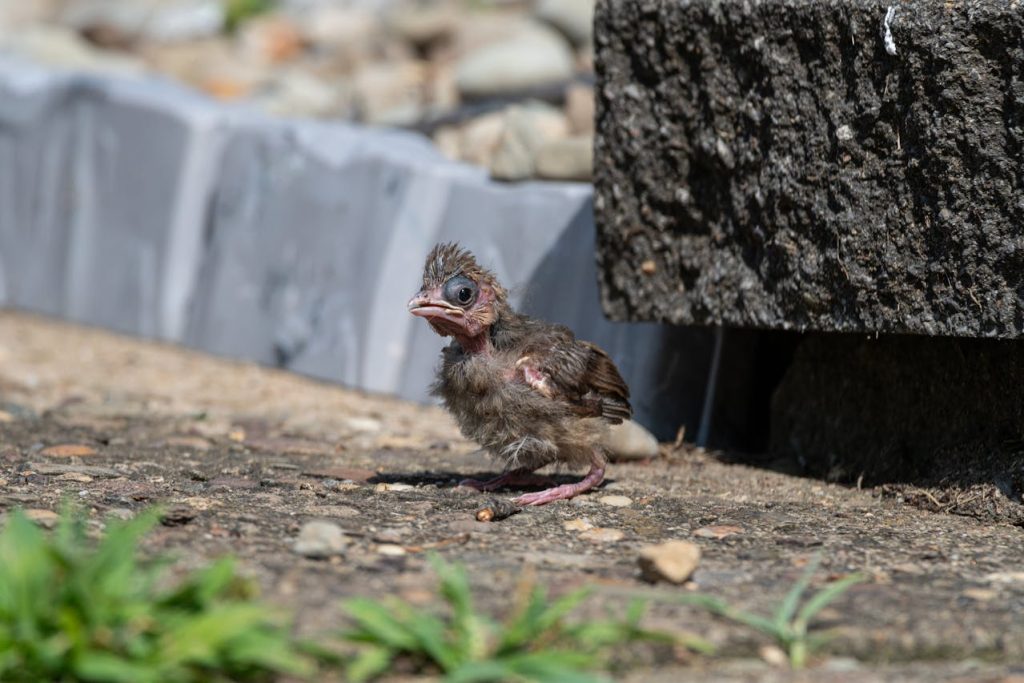
A fourth mistake starts with compassion: picking up every young bird found on the ground. All About Birds notes that most birds people find are fledglings, already out of the nest and still being fed by parents nearby, even if those parents stay out of sight.
When bystanders crowd the area or handle the bird repeatedly, adult defense can intensify and the chick loses normal feeding rhythm. A better response is controlled distance, short observation, and intervention only when there is clear injury or immediate danger such as traffic or active construction. In many cases, less handling is the real help and the safer call.
Leaving Pets And Foot Traffic Unchanged Near Nests
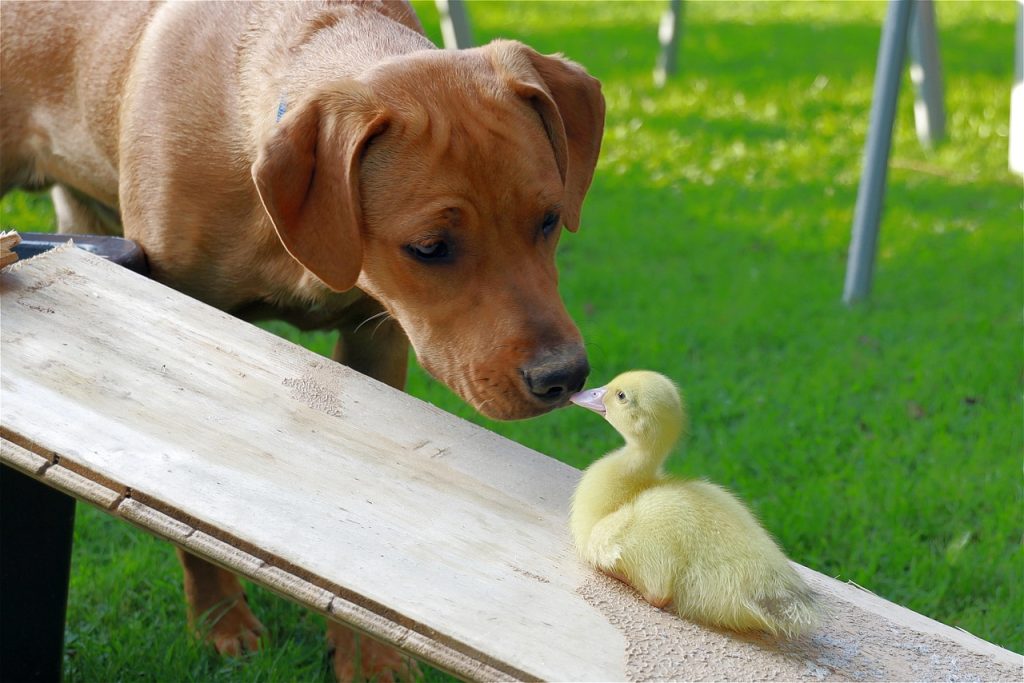
A fifth mistake is keeping normal play routes unchanged when a nest sits beside a path, patio, or shoreline edge. Fast movement from children, unleashed dogs, or repeated foot traffic can trigger repeated defensive passes, especially in species that nest close to human spaces.
Audubon and U.S. Fish and Wildlife guidance both support temporary buffers: limit access, leash dogs near nesting zones, and keep pets indoors where needed until young birds fledge. Small route changes for a short season often prevent the tense, daily cycle that leads to stumbles, panic, and preventable injuries. Even one clear sign helps everyone.
Panicking During Goose Nest Defense Encounters
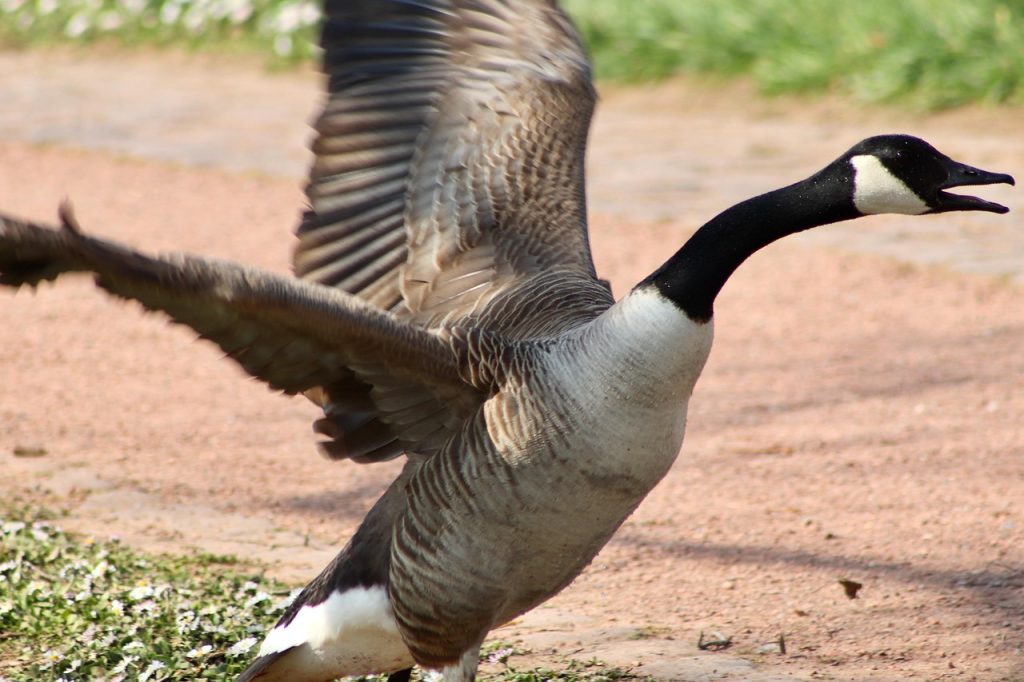
A sixth mistake appears around water and office ponds: running when a nesting goose advances. New York DEC notes that geese can aggressively defend nests, and conflict often spikes again during their mid-summer flightless molt when birds stay concentrated on lawns near water.
Guidance used by wildlife agencies in Ohio emphasizes calm body language: face the bird, back away slowly, and avoid swinging or rushing movements that escalate the encounter. Most incidents settle faster when people create space early instead of trying to win a standoff. Planning alternate paths for a few weeks is usually easier than repeating daily clashes.
Waiting Until Eggs Appear To Start Prevention

The seventh mistake is waiting until eggs appear before fixing the site that caused conflict in the first place. Audubon’s bird FAQ recommends prevention before nesting, such as blocking likely nest openings and correcting features that repeatedly invite close-quarters nesting near entries.
Once a nest is active, options narrow quickly under federal protections, which is why off-season planning matters more than emergency reaction. When a location is high-risk, trained wildlife professionals and agency guidance can set a legal, low-stress plan that protects people without creating new harm for birds. Quiet planning prevents chaos.
Nesting season rewards patience more than force. When communities pause, reroute, leash pets, and verify legal steps before acting, conflict usually drops fast. Birds raise young, shared spaces stay calmer, and those brief high-tension weeks pass with less fear and fewer injuries.
Spring nest conflicts rarely start with aggression. They start with rushed choices. Calm distance and timing keep people safe now.