

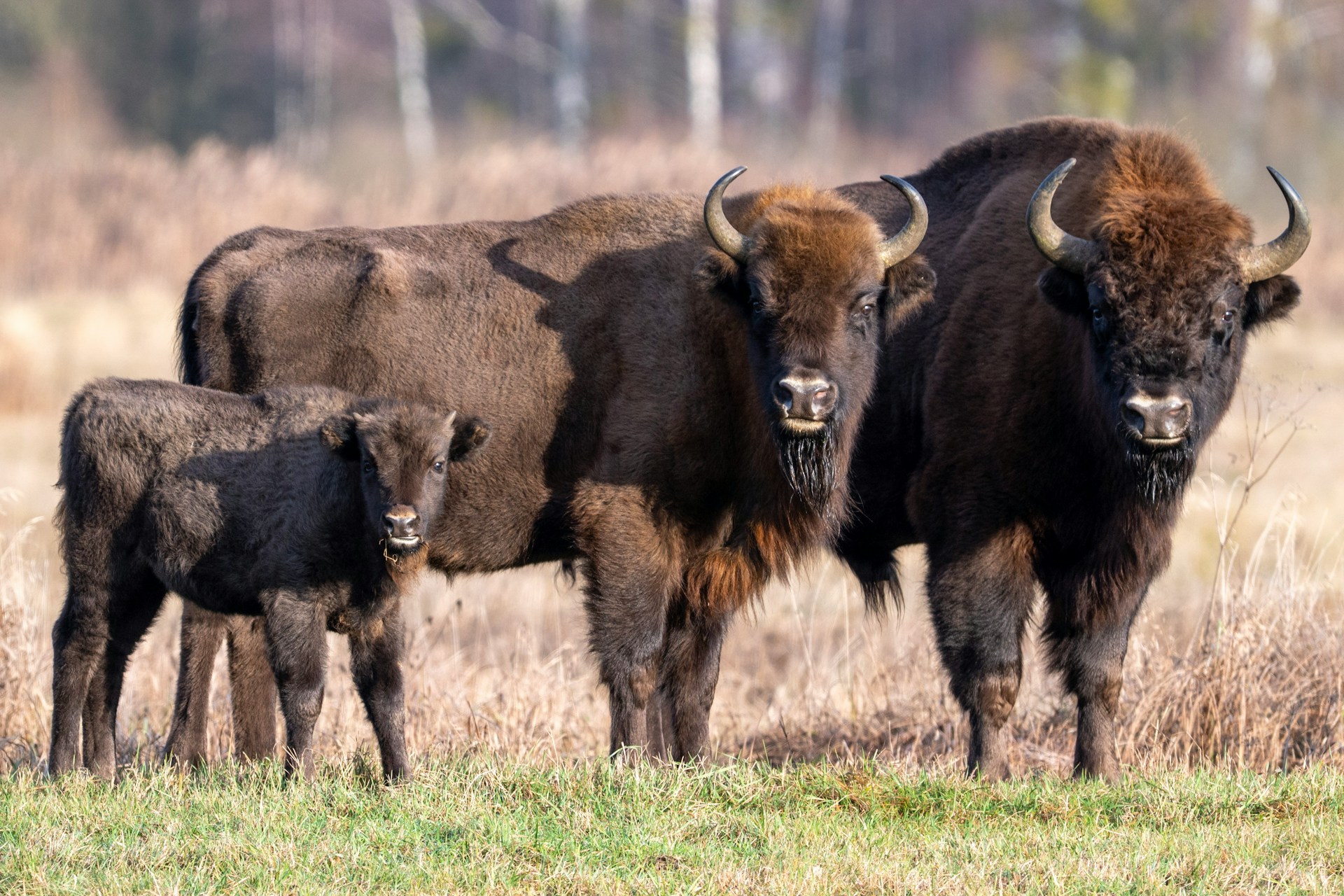
The image is easy to love: bison back on open ground, calves trotting beside older cows, dust rising in late light. The harder truth is that grassland recovery does not move at the pace of a comeback headline. North American bison were pushed close to eradication in the 19th century, and restoration now carries ecological repair, cultural repair, and land-use conflict all at once.
As herds return, the prairie is still negotiating fire, water, roots, pollinators, birds, and people. Some changes appear in a few seasons, but durable recovery can take decades. Hope is real here, and patience is not optional yet for long work.
Return Of The Herd Does Not Equal Return Of The Prairie
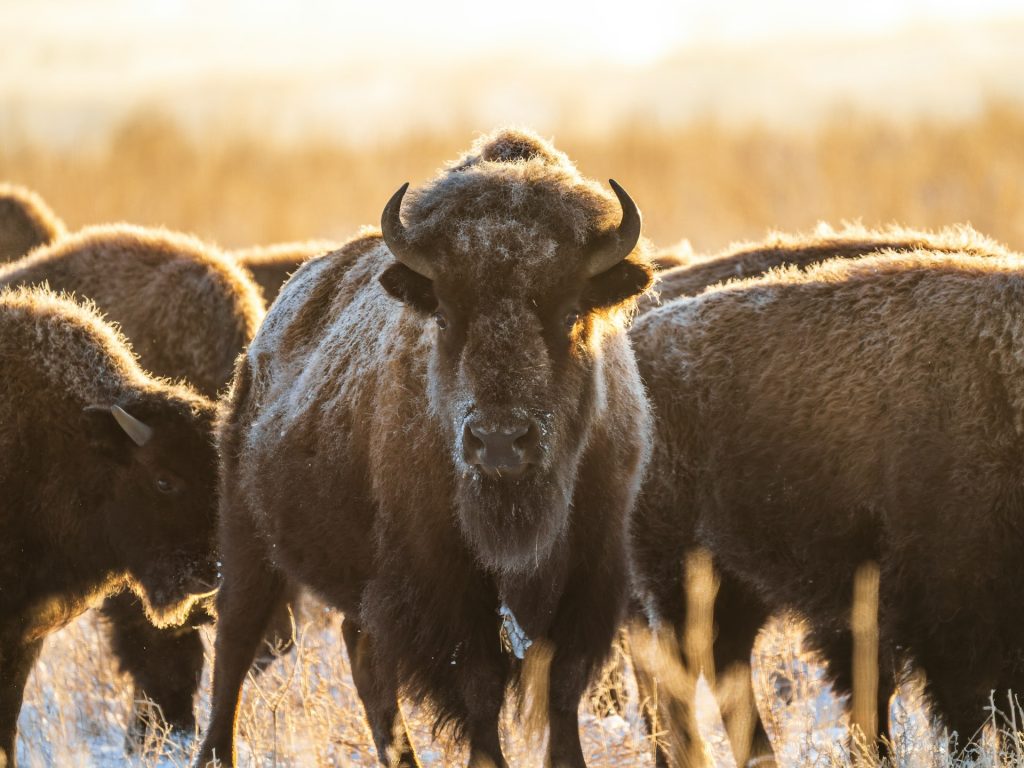
Bison are returning in visible, moving ways, but visible is not the same as complete. Federal sources describe a collapse from tens of millions before the mid-1800s to only a few hundred or about 1,000 by the late 19th century, followed by a long conservation climb. That arc matters, because a species can rebound faster than its ecological job.
Prairie function depends on layered processes: grazing pressure, seed dispersal, dung-driven nutrient cycling, wallows, and seasonal movement across space. When herds are small, fenced, or isolated, some of those functions return only in part, even when the public story sounds done.
Most Bison Live Behind Fences And Outside Wild Food Webs
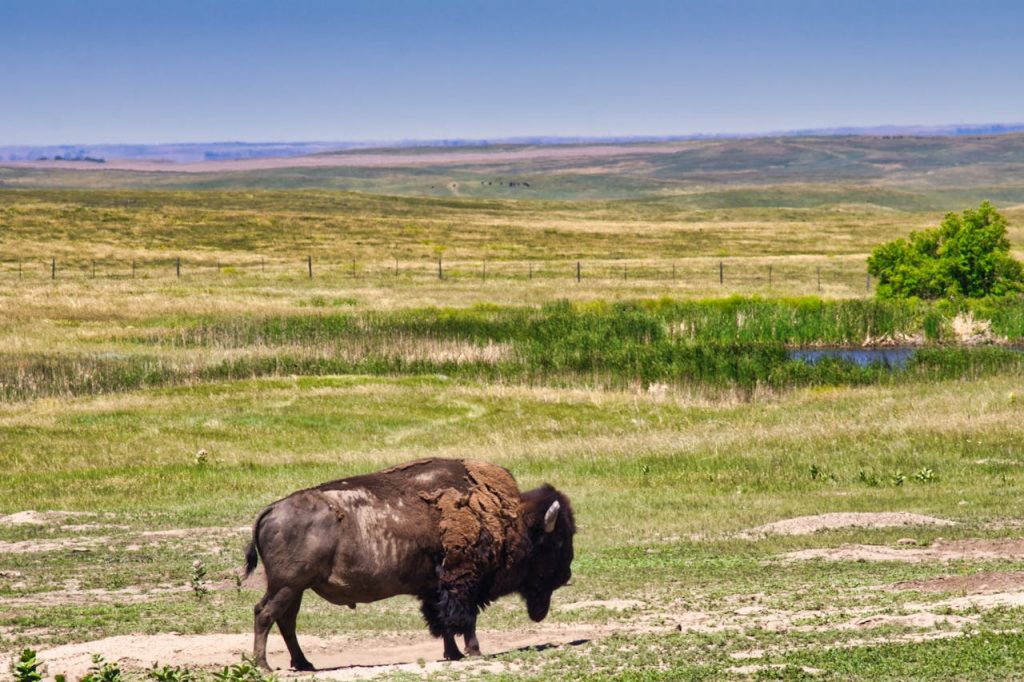
Today’s bison numbers can sound reassuring at first read. Federal and conservation sources commonly cite roughly 500,000 animals in North America, yet most are managed as commercial livestock, and only a small share are in conservation herds managed primarily for ecological outcomes.
That gap changes expectations. A large private herd can preserve genetics and reduce pressure on wild populations, but it does not always recreate broad predator-prey dynamics, migratory behavior, or patchy grazing patterns at landscape scale. Counting heads is useful, but counting ecological influence is the harder, more honest metric today.
Prairie Plants Recover On Decade Scale, Not Season Scale
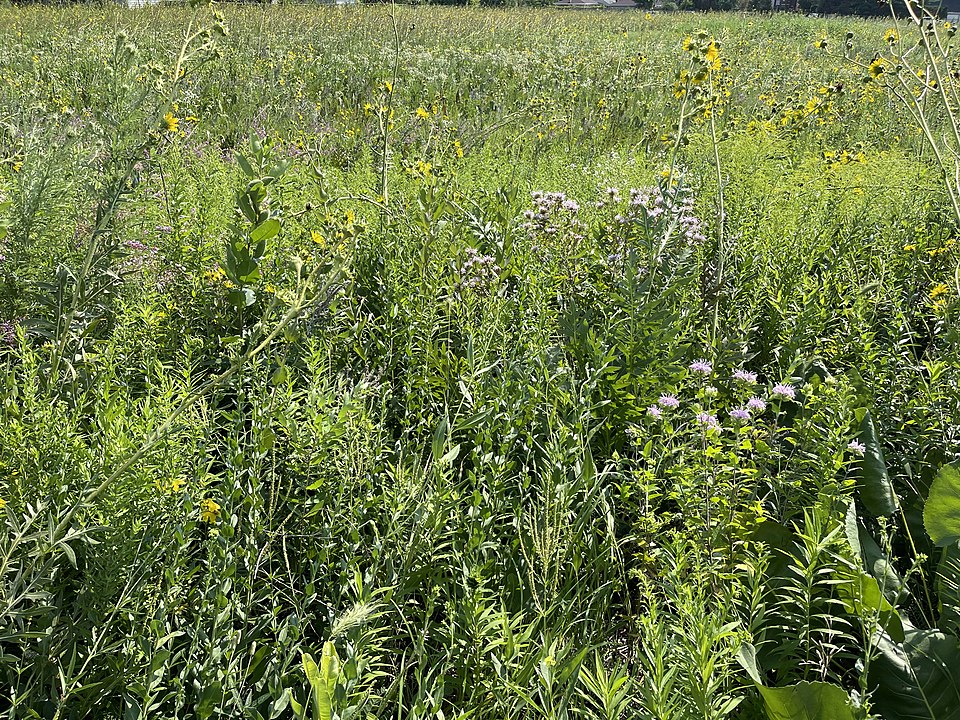
Grassland restoration is famous for testing human patience. Some refuge managers report visible improvement within two to three years after reseeding and active management, especially where invasive pressure is reduced. Yet long-run studies still show that plant communities often need much more time before richness, structure, and resilience resemble intact prairie systems.
This is why early success can mislead policy cycles. A site may look greener in year three, while deep-root diversity and drought resilience are still maturing in year 10 and beyond. Recovery is not fake in those early years; it is simply incomplete.
Fire Grazing And Rest Have To Work Together

Many Great Plains managers now treat fire as a core restoration tool, not a side tactic. U.S. Fish and Wildlife Service reporting notes that prescribed fire helps reclaim native grasslands, reduces woody encroachment, and works best when paired with grazing, haying, and targeted invasive control instead of used in isolation.
That integrated approach matters for bison country. Fire alone can reset surface conditions, but grazing patterns help decide who actually regrows and where heterogeneity emerges. In practical terms, prairie health is less about one heroic intervention and more about repeat coordination across seasons.
Fragmented Land Breaks Ancient Movement Patterns
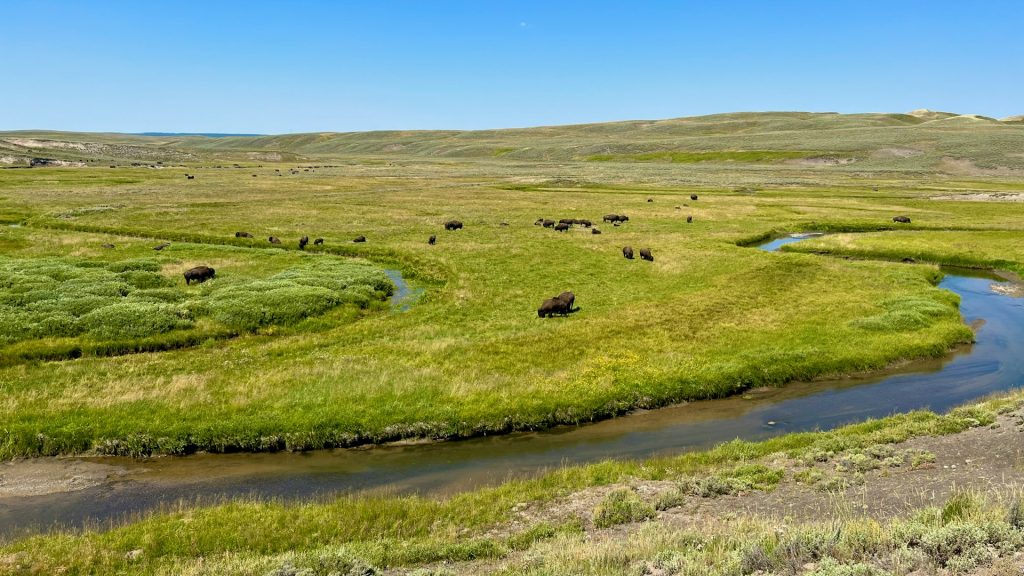
Historically, bison shaped grasslands through movement across immense connected ranges. Current range reality is far tighter. Peer-reviewed work describes modern bison occupying less than 1 percent of pre-European range, which means many herds operate in ecological islands, even when management quality is high.
Fragmentation limits what grazing can do for biodiversity. It narrows drought escape options, compresses habitat mosaics, and increases fence-line friction with roads, crops, and development. In that context, reintroduction is essential, but connectivity planning is what converts local wins into regional recovery.
Soil Repair Outlasts Most Funding Clocks
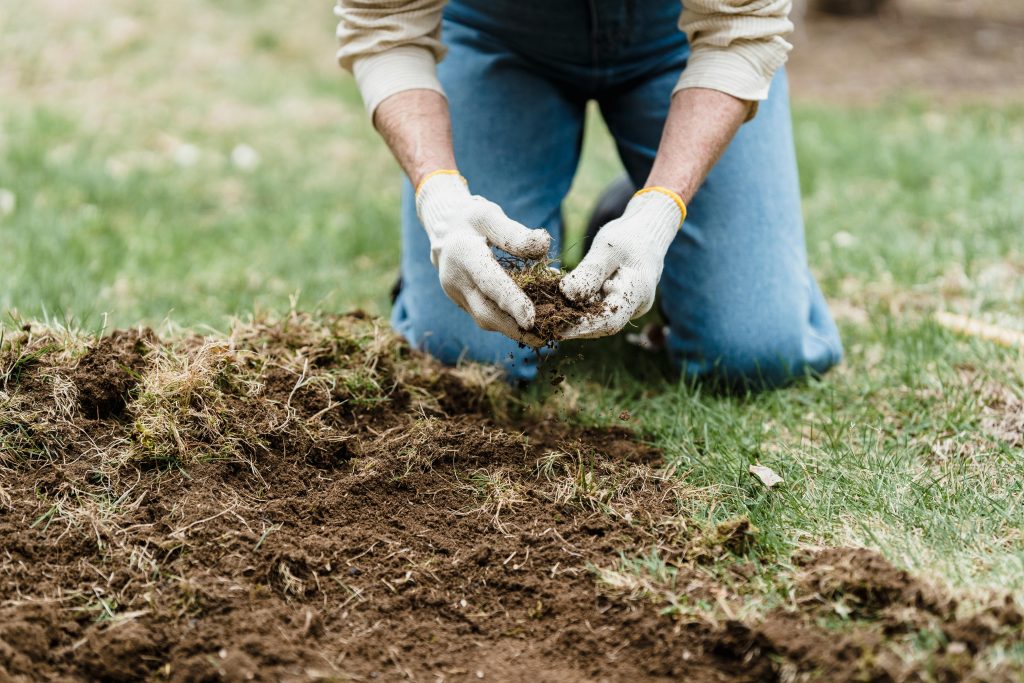
Grasslands are carbon systems, and soil is the deep ledger. USGS assessments indicate U.S. grasslands can remain carbon sinks, while also warning that land conversion and woody encroachment can shift ecological function and weaken grassland dynamics. That means soil recovery depends on what happens above ground every year.
Funding cycles, however, often reward quick visuals over slow biology. Root architecture, microbial networks, and stable organic matter build over long horizons, not campaign windows. Without long-term stewardship, restored fields can stall in a shallow version of recovery that looks stable until stress arrives.
Indigenous Stewardship Is Driving The Most Durable Gains
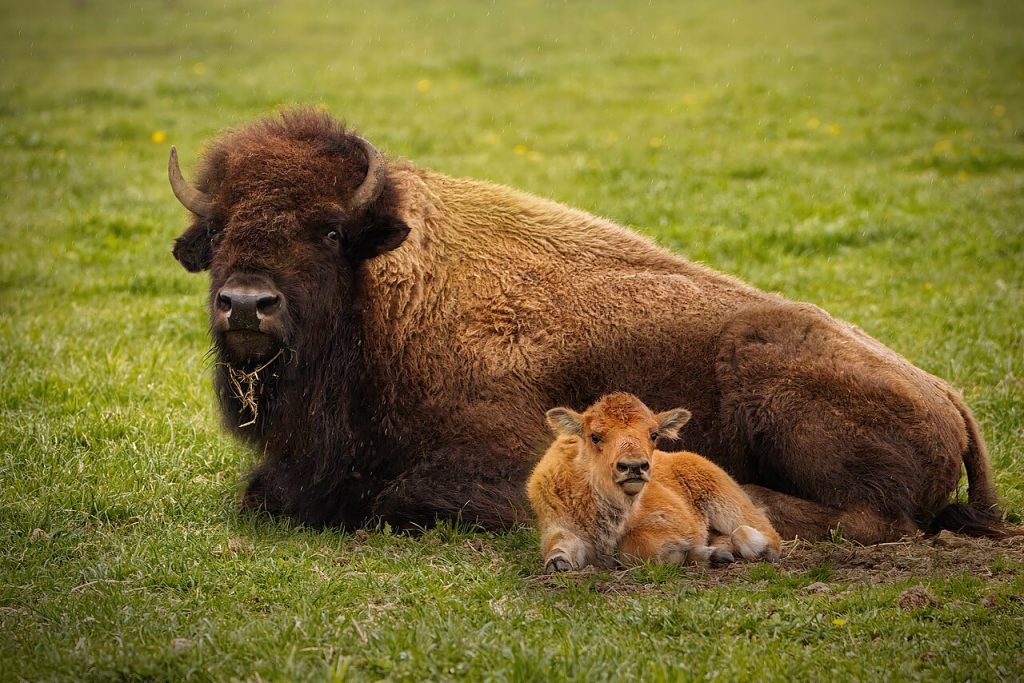
The bison story is also a governance story. Federal departments now frame Tribal leadership as central to restoration, and park transfer programs have moved hundreds of Yellowstone bison to Tribal partners, with onward distribution to many nations through InterTribal Buffalo Council collaboration.
Those efforts are not symbolic add-ons. They reconnect ecological management with communities that maintained buffalo knowledge systems long before agencies existed. When restoration includes cultural authority, food sovereignty, and place-based decisions, herd return is more likely to persist beyond a grant cycle or political season.
Climate Extremes Keep Resetting The Work
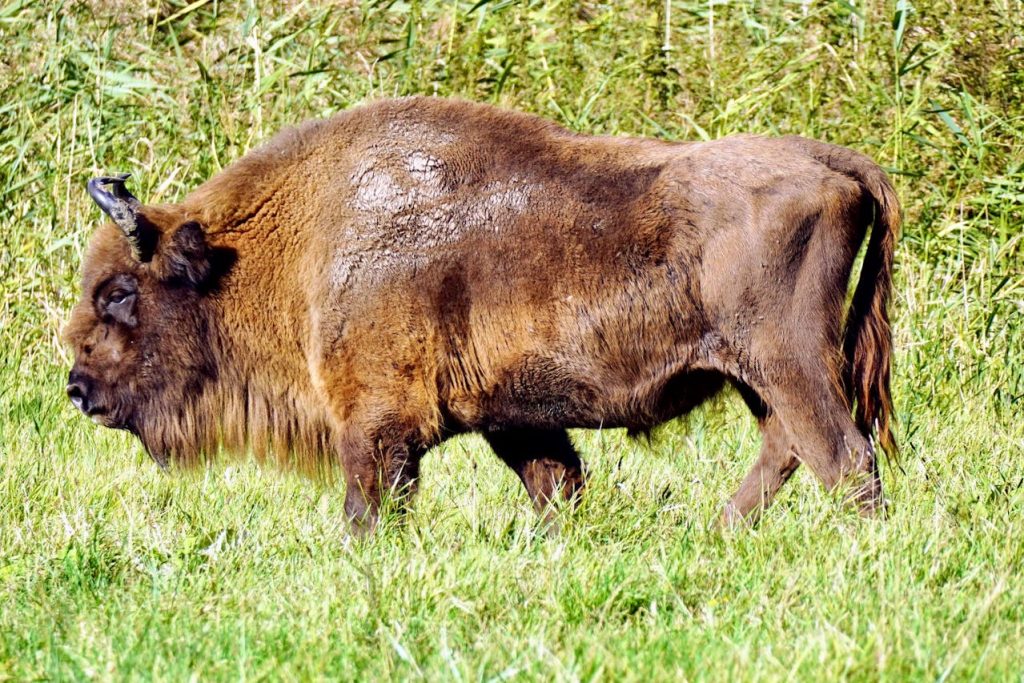
Recovery does not happen on a stable weather backdrop. Long-term grassland studies connected to bison reintroduction report stronger native plant diversity and resilience, yet they also emphasize drought stress and the risk of harsher future extremes. Gains can hold, but only with management that expects shocks.
This has practical consequences for timelines. A site that improves steadily can still lose momentum after one multi-year dry period, then require another recovery window. Calling that failure misses the point. In climate-shaped landscapes, resilience is measured by rebound capacity, not by avoiding disturbance.
Hope Is Real But Timelines Must Stay Honest

Bison restoration deserves celebration, especially after a near-extinction shaped by dispossession and extraction. Still, honest celebration sounds different from a tidy ending. The herd can be growing while soil remains fragile, while grassland birds stay under pressure, and while connectivity is still being negotiated pasture by pasture.
The most useful frame is neither despair nor triumphalism. It is disciplined hope: track the herd, fund the habitat, support Tribal stewardship, and measure outcomes over decades. Grasslands do rebuild, but they do it on ecological time, not on the rhythm of feel-good news cycles now.