


Indoor bonsai has a quiet pull: a small tree that suggests age, weather, and patience, all on a shelf by a window. The trouble starts when that vision gets pinned onto plants bred for bold leaves or runaway vines instead of woody branching.
Bonsai specialists see the same cycle each winter. Low light, dry heat, and uneven watering slow recovery after pruning or root work, so a stressed plant cannot replace what was removed. Many popular houseplants also cannot miniaturize leaves or back-bud on old tissue, which makes the styling fight the biology. The goal is not to shame experiments. It is to pick material that can thrive.
Monstera Deliciosa

Monstera is picked because a mature plant can look tree-like, but it is a climbing aroid that grows as a vine, not a branchy woody tree. It rarely back-buds on old growth, so pruning does not create tight twigging or layered pads. Hard chops and wiring can snap aerial roots and bruise petioles, while indoor light keeps internodes long.
In a shallow bonsai pot, the soil dries at the surface yet stays wet below, which invites root trouble after winter watering. Even when it holds on, the split leaves resist miniaturizing, and big cut points stay obvious. Without taper and fine twigs, the illusion never lands at all indoors.
Pothos

Pothos is marketed as forgiving, which is why it gets recruited for quick indoor bonsai projects. Yet Epipremnum aureum is a climbing aroid that thickens when it can run and attach, not when it is pinched into a tiny silhouette. Pruning tends to restart long vines instead of building a branch network. Wiring creases soft stems and leaves marks.
In a bonsai dish, roots crowd fast, fertilizer concentrates, and watering swings hit harder, especially in winter heat. Leaves may yellow, spacing stretches, and the trunk looks like a wrapped vine rather than a believable tree. The plant can still be lovely, just not in that role.
Snake Plant
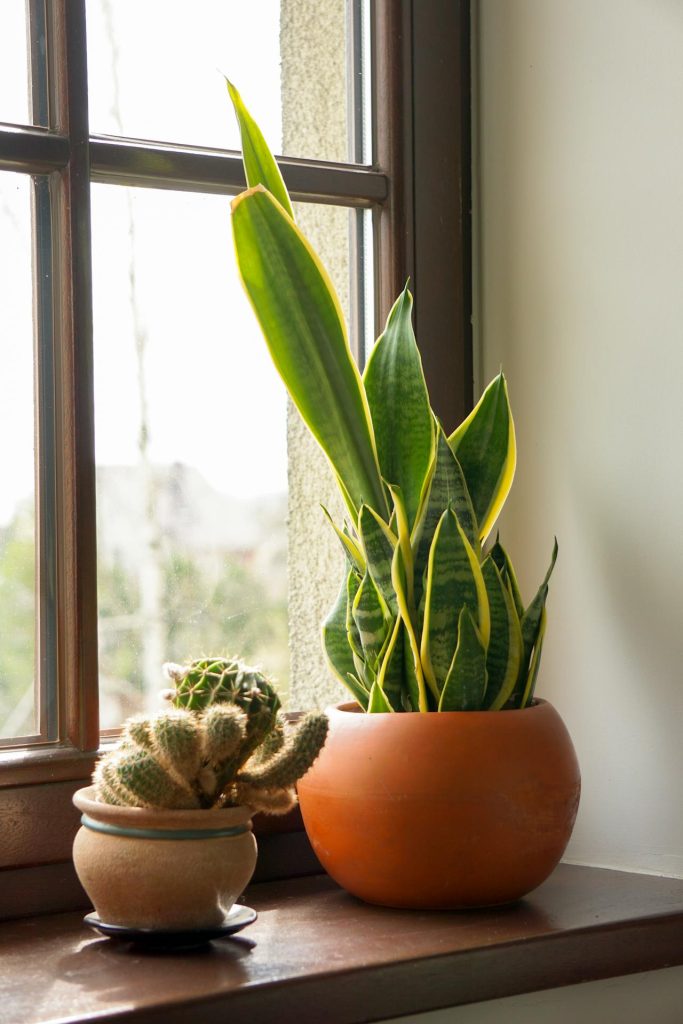
Snake plant gets chosen because it tolerates low light and stands upright like a miniature grove. But it is a monocot with leaves rising from a rhizome, not a woody trunk that can be coaxed into branches. Cutting leaves leaves a blunt edge, and it will not bud into smaller growth the way bonsai trees do. Wiring has little to grip and can crease tissue.
Shallow pots and frequent root work add stress without adding structure, and winter overwatering is a common trap. When moisture sits around the rhizome, firmness drops and new pups stall. The form stays rigid, so the project often ends as a tired plant, not a refined miniature.
ZZ Plant

ZZ plant looks ready-made for bonsai because the glossy stems rise like trunks and it forgives skipped watering. Yet those stems are petioles, and the real storage sits in thick rhizomes that dislike repeated disturbance. After pruning meant to force branching, the plant often responds with a long pause, not fine twigging.
A bonsai pot dries unevenly, so owners swing from drought to saturation, and the rhizomes soften when kept damp in low light. Leaflets do not shrink much, so scale stays off even when growth resumes. The plant’s strength is steadiness, and bonsai-style pressure works against it. Slow growth makes mistakes linger.
Peace Lily
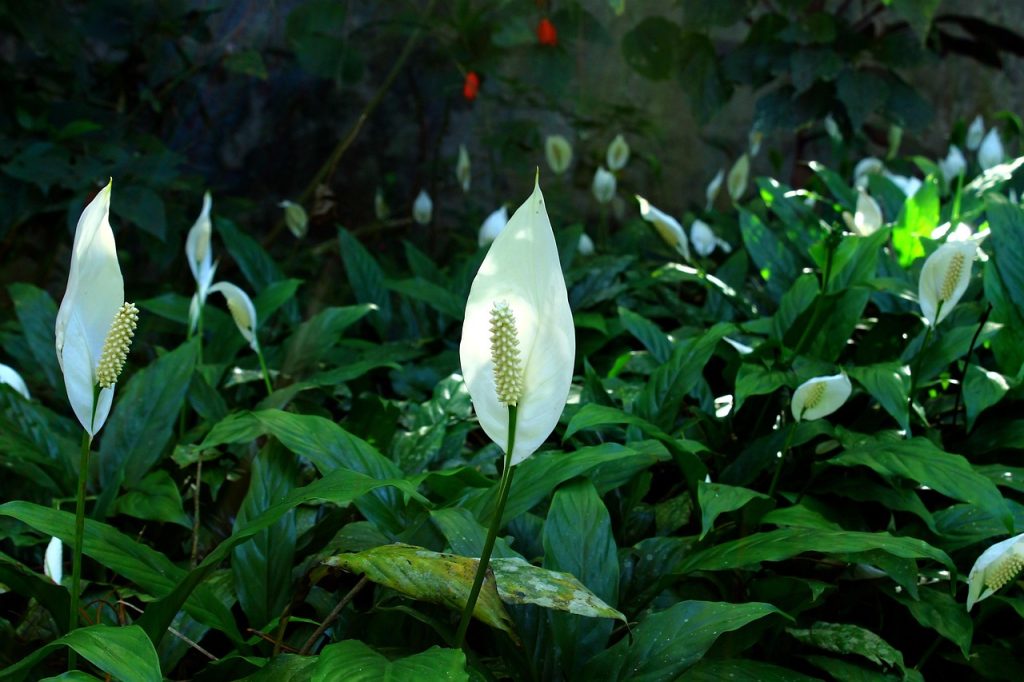
Peace lily gets pulled into bonsai experiments because its dark leaves and white blooms feel formal, almost curated. But Spathiphyllum is herbaceous, built on soft stems and a rhizome, so it cannot be wired into woody bends or trained into branch pads. Leaf trimming reduces energy and often leaves browned tips.
Bonsai containers and gritty mixes dry fast on top yet stay wet underneath, a frustrating match for a plant that prefers even moisture. Cold drafts and heater air add stress during winter. Instead of a tiny tree, the plant often becomes a cycle of wilt, recovery, and stalled growth. The roots want room to breathe.
Calathea

Calathea invites bonsai fantasies because it stays compact and its leaves look painted, like living decor. Still, it spreads from a rhizome rather than forming a trunk, so bonsai techniques cannot create branching structure. Cutting leaves for scale removes the plant’s food supply, and wiring is pointless.
The bigger issue is sensitivity. Dry indoor air, mineral-heavy water, and temperature changes can spot and crisp foliage, and shallow pots amplify every moisture swing. Once stress shows, pests take advantage quickly. The project ends with patchy color and curled leaves, far from the calm pattern that made calathea appealing.
Bird of Paradise

Bird of paradise gets labeled indoor bonsai online because its upright leaves feel architectural and space-friendly. In reality, Strelitzia grows from a clumping base with thick petioles, not a branching trunk, so pruning cannot create twigs, taper, or pads. Wiring can crush soft tissue and leave lasting scars. Leaf cuts stay visible for months.
In shallow pots, the root mass tightens quickly, moisture swings get sharp, and the plant demands bright light that most rooms cannot supply in winter. Growth slows, leaves split and fray, and the clean fan shape starts to look tired. It was designed to be bold and full-sized, and it shows.
Aloe Vera
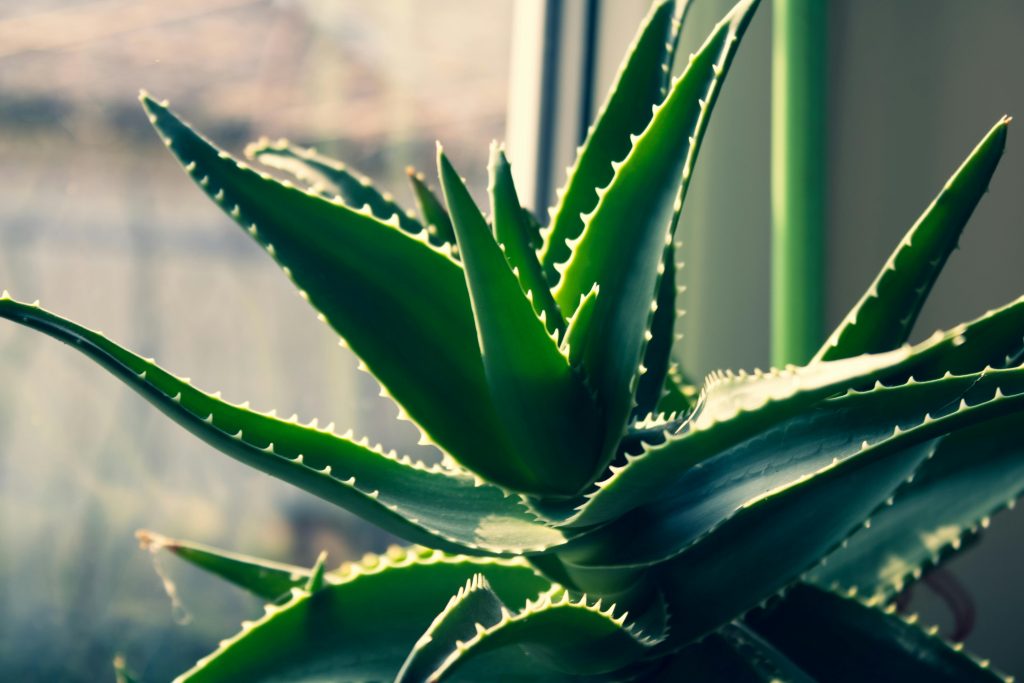
Aloe vera seems like an easy bonsai because it stays compact, stores water, and produces pups that can resemble a tiny grove. But aloe is a succulent rosette, not a woody tree, so it cannot be trained into branches, and wiring has no real purpose. Attempts to create a trunk by stripping lower leaves expose tender tissue that scars and sun-stresses.
Bonsai pots also invite watering mistakes. A quick soak in cool, low-light months can linger around the crown and roots, leading to soft leaves and slow recovery. Leaf size does not shrink much, so the scale looks off even in a pot. Aloe thrives with simplicity, not constant shaping.
Fiddle-Leaf Fig

Fiddle-leaf fig is woody, which makes it tempting bonsai material for an apartment. The drawback is temperament. Ficus lyrata dislikes sudden shifts in light, temperature, and moisture, so heavy pruning or root reduction indoors can trigger leaf drop and tip loss. Recovery is slow when the only light is a window.
Even when growth returns, the leaves stay broad, so scale is hard to sell, and big cuts can remain obvious for a long time. If wiring is too tight, bark marks linger as the branch thickens. The plant can be trained gently, but aggressive bonsai habits often create stress faster than style. Patience matters more than force.
Indoor bonsai works best when the plant’s natural habits match the technique, not when the technique tries to rewrite the plant. A healthy start, bright light, and species that back-bud reliably tend to create the calm, aged look people chase, without turning a houseplant into a constant rescue project.