

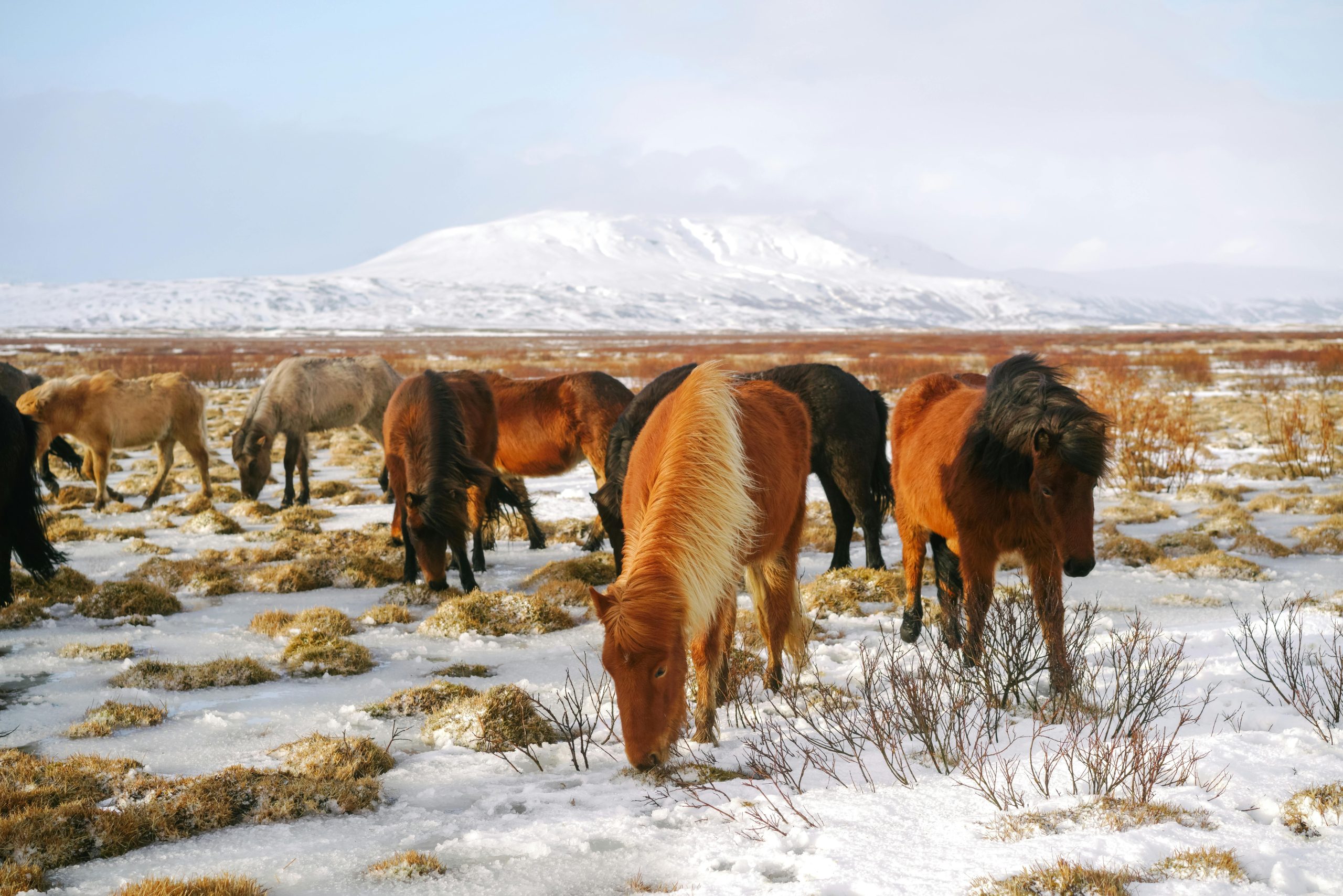
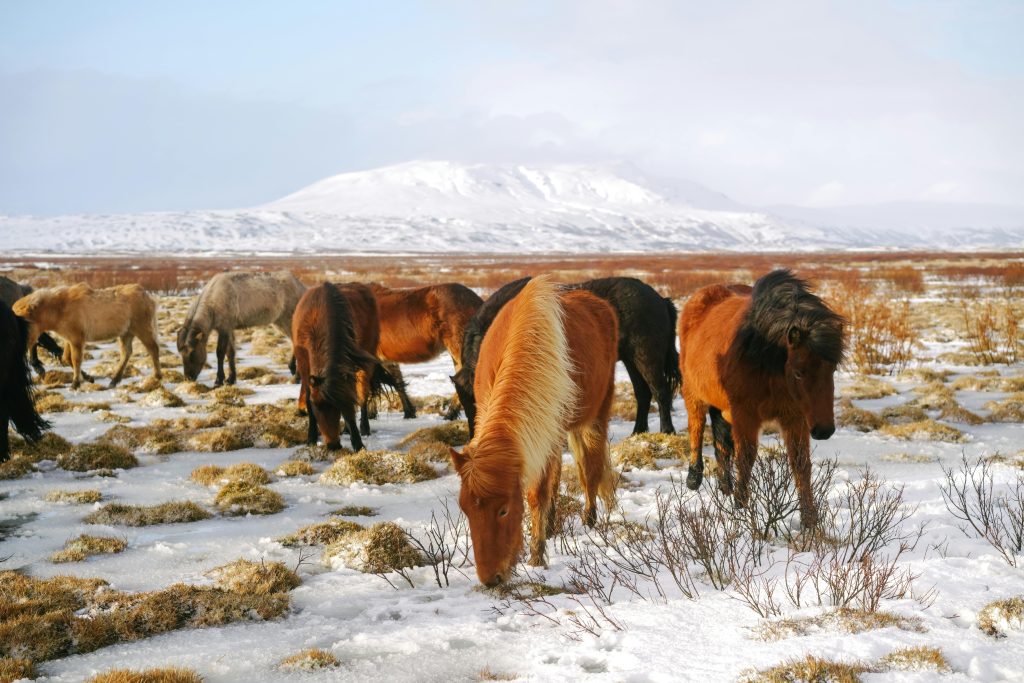
In California’s Eastern Sierra, winter can turn a familiar range into a trap overnight. Snow stacks fast, wind seals it into crust, and the simplest needs water, forage, footing become hard problems. When wild horses drift beyond their usual territory near Mammoth Lakes and get pinned by deep drifts, weakness shows quickly: ribs sharpen, tails get chewed in stress, and some animals simply stop rising. After a January 2026 rescue in Inyo National Forest, tribal cultural monitors voiced grief and anger at delays and distance from the response. The episode exposed how fast cold becomes lethal for animals built to roam.
Note: The MSN page would not load from here, so reporting below relies on parallel coverage and official releases.
Snow Turns Range Into a Trap
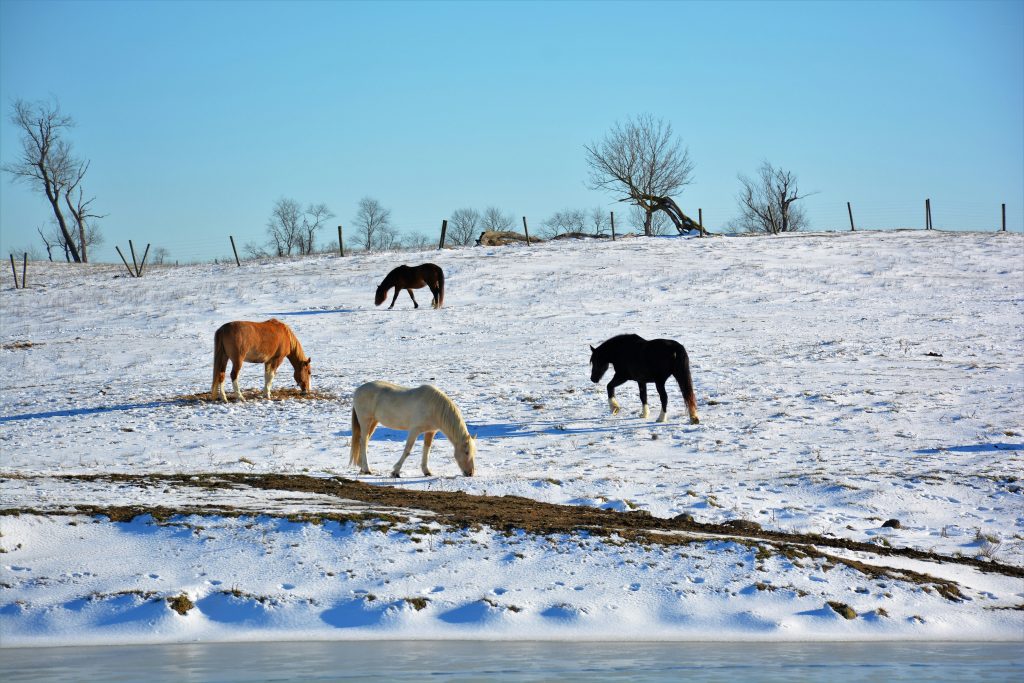
A heavy Sierra storm can erase a day’s travel, piling drifts chest-high on a horse and sealing familiar sage flats into a white maze. When the surface crusts, it looks like a firm road until it shatters, and repeated post-holing grinds down muscles, hooves, and morale in hours. In January 2026, crews in Inyo National Forest found two groups stranded east of Highway 395 near Mammoth Lakes, closed parts ofald Mountain area, and used bait and water traps, temporary corrals, and sled moves for the weakest animals before hauling survivors by trailer to Bishop for stabilization before longer-term rehabilitation in Modoc National Forest, too.
When Forage Disappears, So Does Time
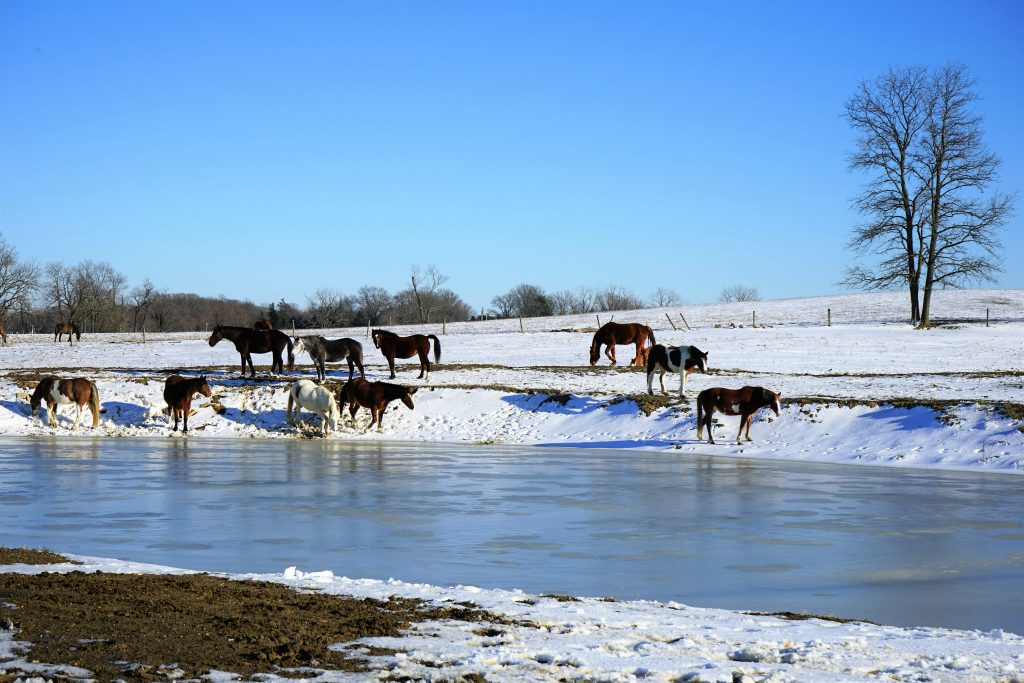
Snow does not just cover forage; it locks it away, and horses that normally paw through powder can meet a concrete crust that turns digging into wasted effort. When the easy calories vanish, the gut slows, hydration drops, and the body starts spending itself, rib by rib, to keep the core warm through long nights. During the Inyo National Forest rescue near Mammoth Lakes, observers reported horses with sharp hips and stress behavior, including chewed tail hair, details that fit a predictable spiral: less food, less strength, less movement, and then nothing left to search for water or lower ground, even when a road is only a mile away nearby..
Frozen Water Breaks the Body Faster Than Hunger
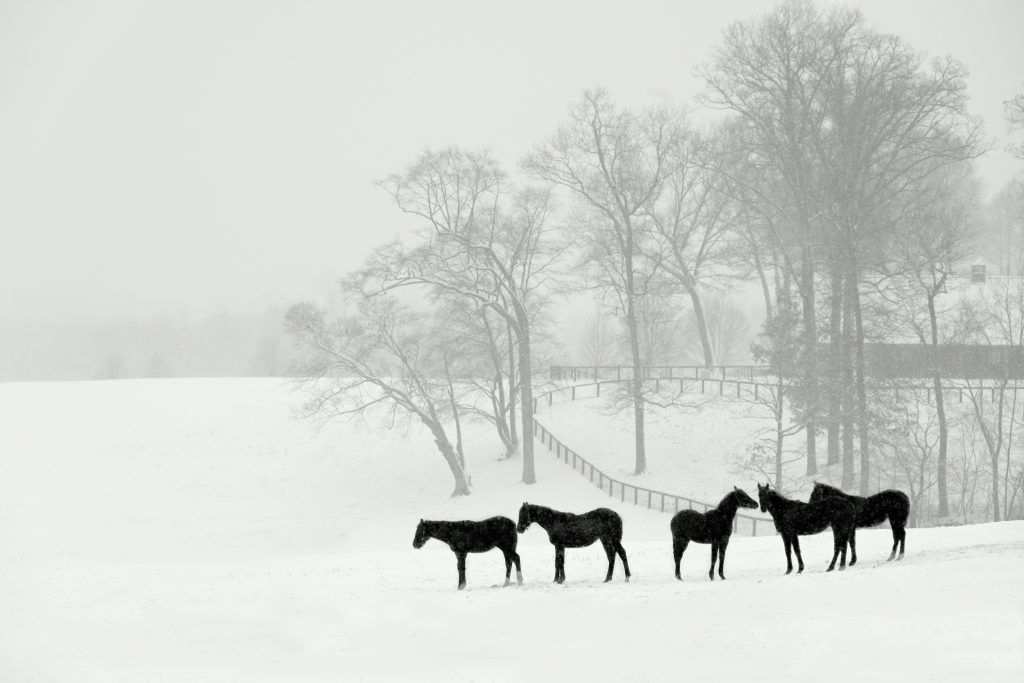
Cold kills quietly through thirst. Streams skim over with ice, stock tanks freeze solid, and snow can dehydrate when an animal is too weak to melt enough of it internally. Dehydration thickens the blood and slows digestion, so even a small energy deficit turns serious, especially for horses already wading through drifts. In the Inyo operation, crews spent days offering water, then using feed as a lure into temporary corrals, because a severely thirsty, starving horse can collapse under the simple demand of walking a few hundred yards, and recovery begins with fluids before transport to a warmer holding site where vets can monitor refeeding..
Wind Chill Makes Survival Math Brutal
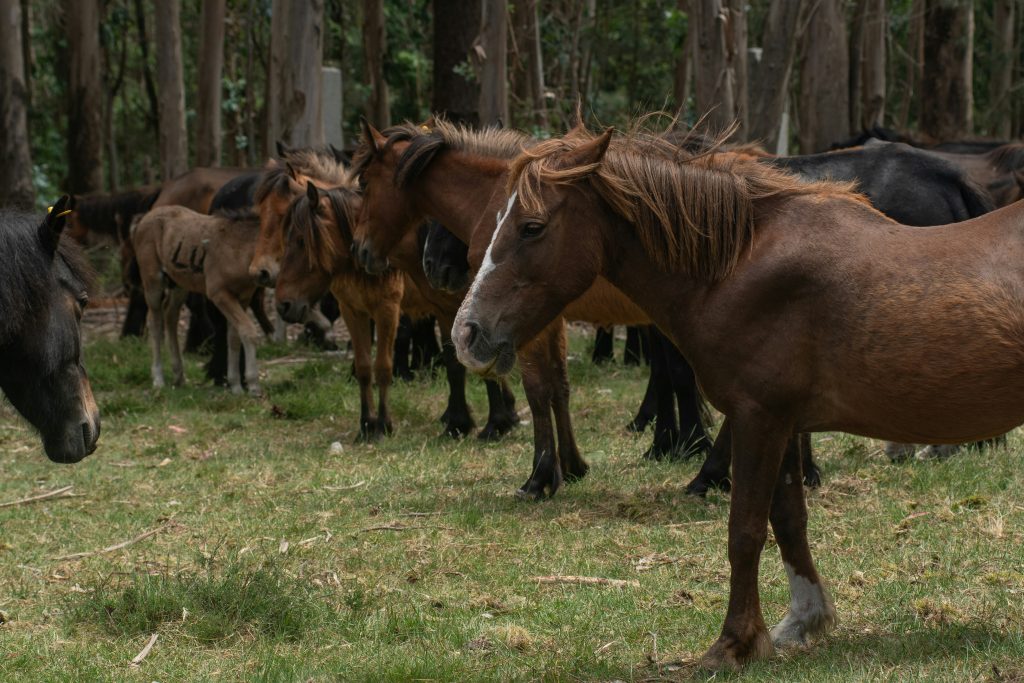
Wind is what makes snow deadly, because it strips the thin warmth layer a horse builds around its coat and turns a quiet storm into constant heat loss. Even a sturdy adult can slide toward hypothermia when wet hair freezes, hooves cannot find dry ground, and the animal stands for hours to avoid sitting into the cold. In the Eastern Sierra, storms arrived in pulses, so a group that endured one night still faced the next with less fat, less water, and fewer options, and that is when frostbitten ears, labored breathing, and sudden collapse start showing up long before daylight makes the scene look calmer from a highway turnout for drivers, too.
Emaciation Becomes a Point of No Return
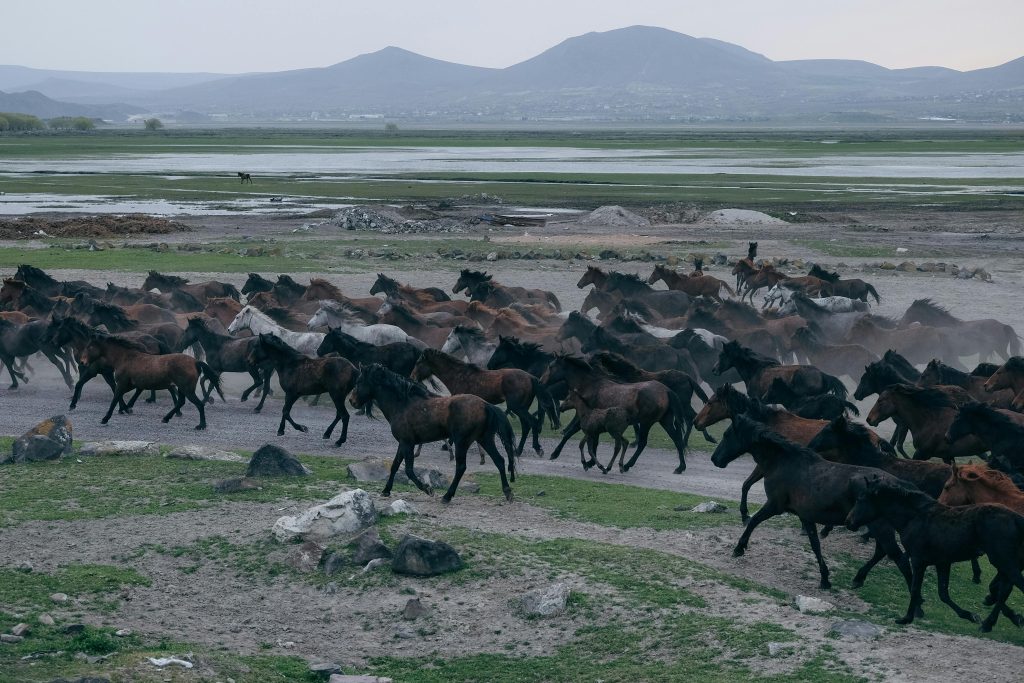
Starvation in snow rarely looks dramatic at first; it looks like a herd standing still, conserving energy, because moving burns more than it returns. As fat disappears, the body turns to muscle, and that is when coats dull, tails get chewed from stress, and a short drifted draw becomes an uncrossable wall. In the January 2026 Inyo operation, the Forest Service reported rescuing 24 horses, finding multiple animals dead on site, and later losing more even after stabilization in Bishop, including cases where three horses were euthanized due to critically poor body condition a reminder that rescue can arrive after the body has spent itself fast.
Wandering Beyond the Usual Range Can Turn Fatal
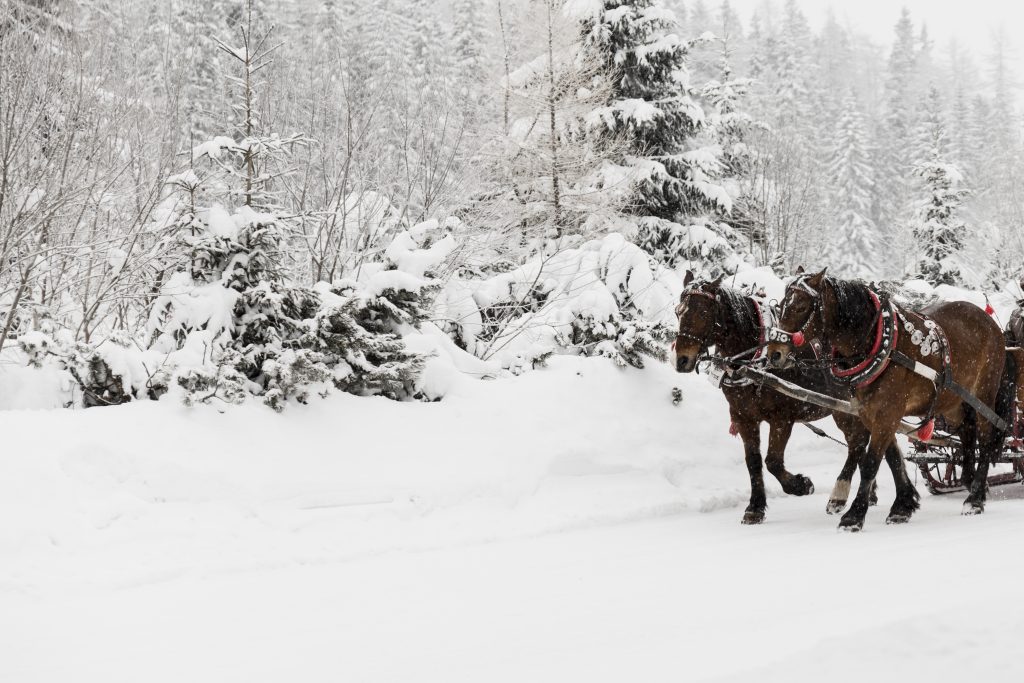
Wild horses survive winter by moving, but storms can shove a band off its usual route and into bowls and ridgelines that punish every step. In the Mono Basin region, the Montgomery Pass herd numbers in the hundreds, and smaller groups sometimes drift well outside the designated territory, following open water, salt, or a break in the wind. Once snow closes the passes, that exploratory drift becomes a dead end, and the instinct to stay together can trap the weakest animals in place, because breaking away means abandoning foals, companions, and the only path the group believes is safe. That social glue can be costly in deep snow, at night, too.