

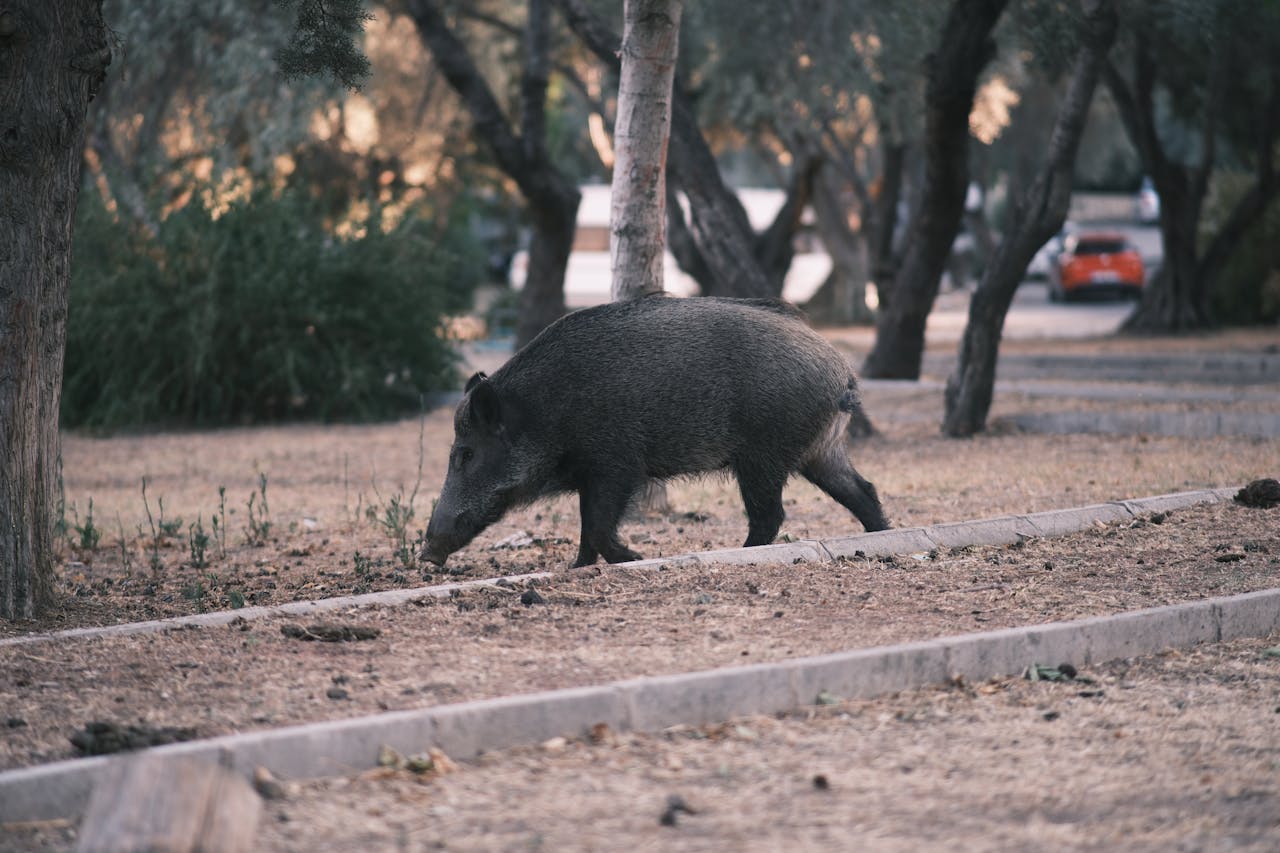
Across Canada, officials are tracking a pattern that feels familiar in invasive species management: reports are arriving faster than control teams can close cases. The 2024 Canadian Invasive Wild Pig Report maps established populations from 2022-2024, one-year verified reports, and one-year field activities, putting expansion and response on the same page. Programs also describe uneven conditions, with Prairie provinces managing established sounders while other jurisdictions focus on prevention. The warning is practical, not dramatic: detection speed, follow-up capacity, and coordination now matter more than ever.
Map Stability, Report Expansion
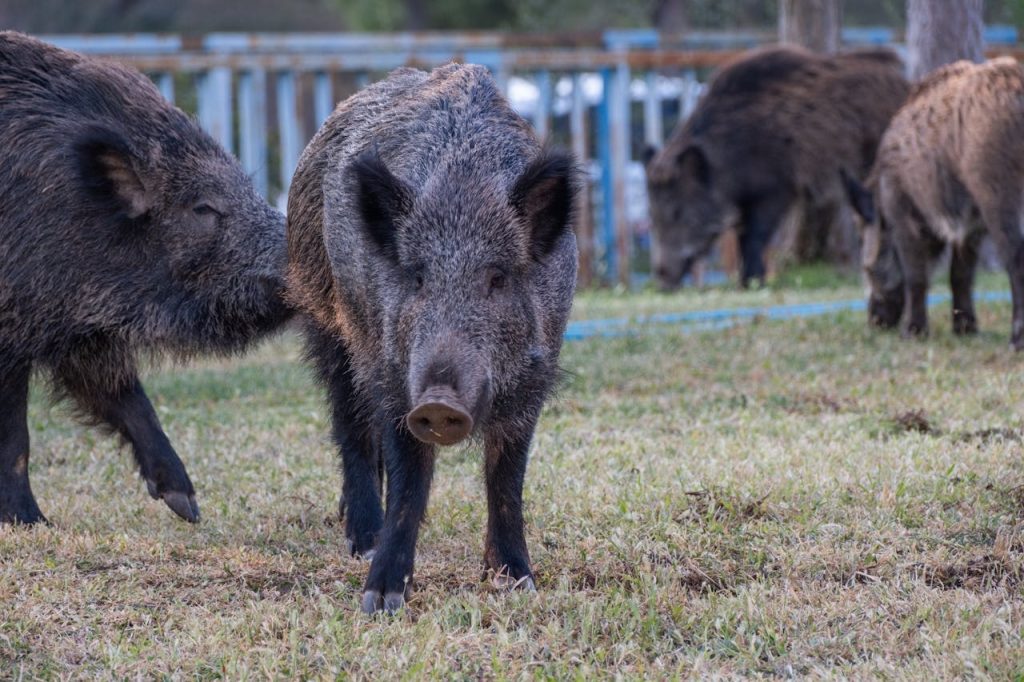
A first sign is geographic mismatch. Program guidance says the 2023 and 2024 maps show little change in the location of established populations, yet verified reports of uncontained pigs continue to appear through provincial channels.
That gap matters because one report can reflect an escaped domestic pig, a hybrid, or a developing wild group, and each case still needs investigation. The current map is built from five participating provinces, and other jurisdictions may add data later, so incoming reports can widen the operational picture faster than the confirmed-population layer shifts. Local teams feel that pressure first.
Case Intake Is Outrunning Case Closure
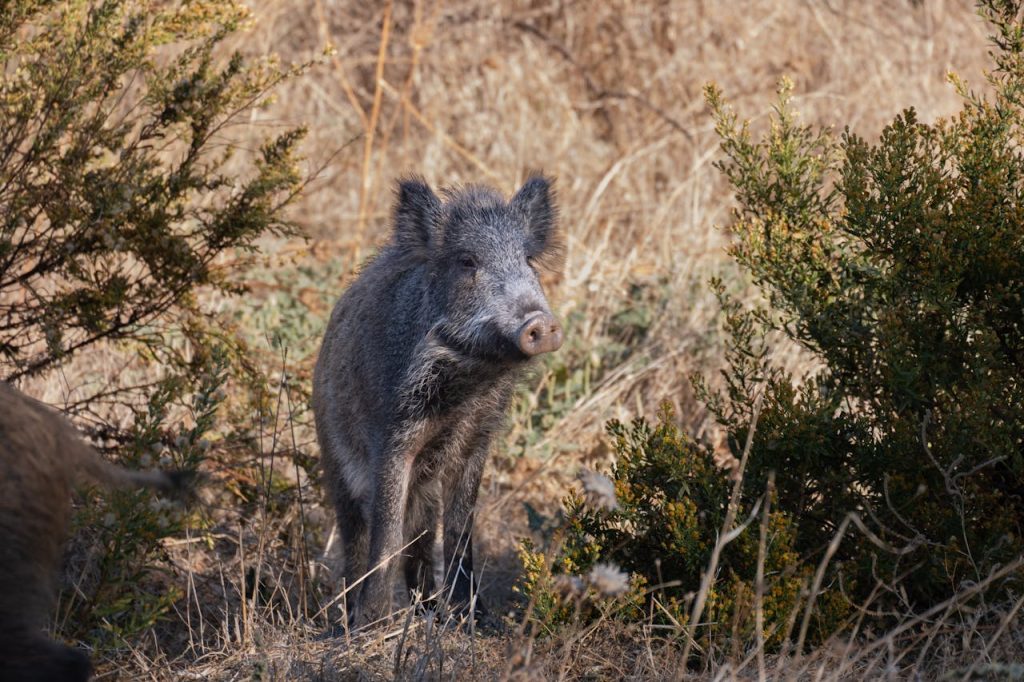
A second sign shows up in case conversion. Alberta’s 2024 update recorded 114 wild boar reports, but only 29 sites advanced to field investigation after triage and verification. Field teams removed pigs at 12 active sites and completed removals at 14 legacy locations.
Manitoba annual reporting also shows heavy inflow can coexist with strong removals, with over 120 sightings and 120 pigs trapped and removed in one campaign year. Alberta said 2024 totals were lower than 2022, yet pace remained intense. Even with serious effort, each file still takes time to verify and close, so incoming reports can outpace completed control actions.
Public Awareness Is Raising Signal and Noise

A third sign is reporting concentration rather than simple animal concentration. The national FAQ states that public reports are often skewed toward areas with higher human populations and places running strong awareness campaigns.
That means rising report counts can signal a real spread event, better community vigilance, or both at once. When those signals are not separated quickly, control programs face a difficult queue: they must investigate thoroughly, avoid underreacting to new establishments, and avoid overcommitting scarce field crews to one-off escaped pets or farm animals. Data noise becomes operational stress.
Provinces Are Fighting Different Versions of the Problem
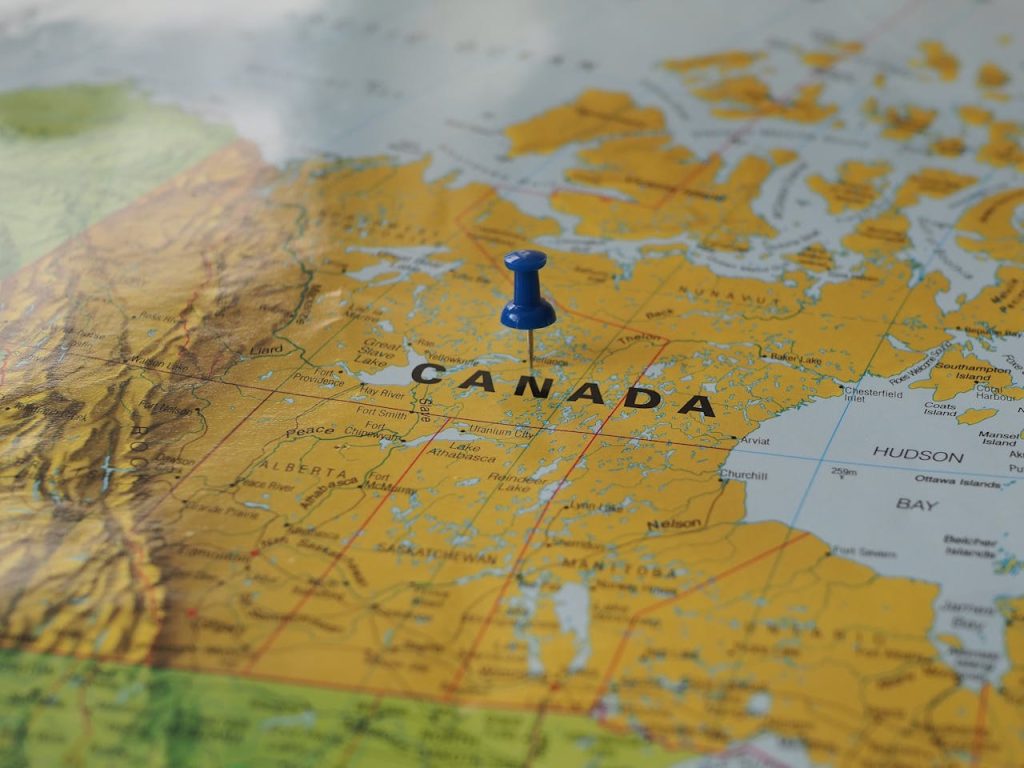
A fourth sign is the mixed pig profile across provinces. Program FAQs note that Alberta, Saskatchewan, and Manitoba are dealing mainly with established Eurasian wild pigs and hybrids, while British Columbia and Ontario focus more on prevention and escaped domestic animals.
That split keeps control teams in two modes at once: long-horizon eradication in core zones, and rapid interception where populations are not yet established. When escape and stray reports keep arriving in preventive jurisdictions, capacity is diverted to stop new footholds, even as entrenched populations still demand sustained pressure farther west.
Partial Pressure Can Trigger Wider Spread
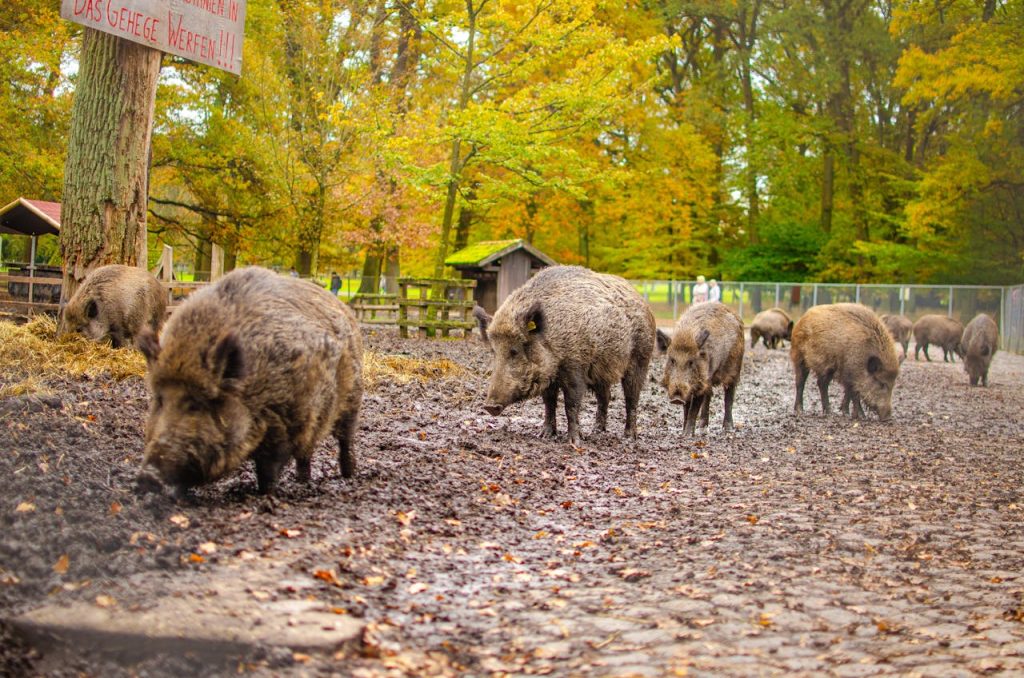
A fifth sign appears when removals depend on opportunistic harvest instead of coordinated group removal. Manitoba’s guidance is explicit: hunting alone is unlikely to eradicate wild pigs, and partial pressure can scatter remaining animals into new areas. Programs therefore prioritize reports of sounders so whole groups can be removed in single trapping operations.
If sightings rise but management is dominated by isolated take events, officials read that as a warning that spread may continue under the surface, because dispersed survivors are harder to track, trap, and clear at landscape scale. The map looks stable while risk grows.
Reports Are Shifting From Sightings to Damage Patterns
A sixth sign is what accompanies the calls: rooting damage, disturbed wetlands, crop loss, and repeated signs near water and cover. Provincial and federal guidance describe these patterns as high-impact indicators tied to invasive swine activity, not minor nuisance events.
When report narratives shift from simple sightings to recurring habitat and farm damage, officials interpret that as stronger evidence of established or repeatedly reintroduced animals. At that stage, each new report carries greater urgency, because delayed intervention can raise ecological costs, livestock exposure risk, and long-term control expenses.
Disease Messaging Has Become Sharper and More Frequent

A seventh sign is the tone of disease preparedness messaging. Federal agencies emphasize that African swine fever has not been detected in Canada, while also warning that risks increase as wild pig populations expand and interact with farms, transport routes, and shared landscapes.
That combination of reassurance and urgency is intentional: prevention still has time, but response margins shrink when reports climb quickly. When officials repeatedly push reporting, carcass guidance, and farm biosecurity at the same moment report maps stay active, it signals that surveillance demand is rising at least as fast as control capacity.