

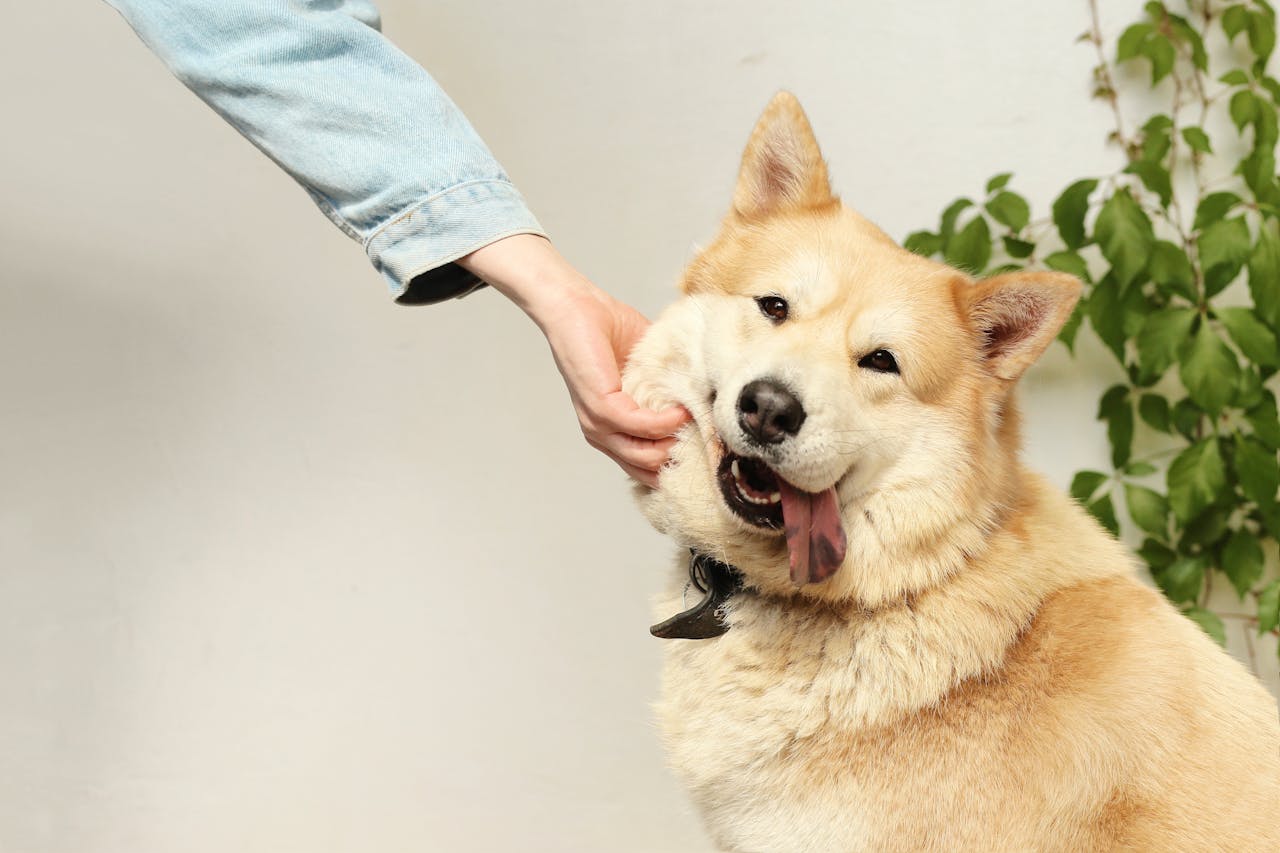
In many homes, affection is measured in hands: a pat in the hallway, a squeeze during greetings, a scratch before bed. Canine behaviorists keep repeating one quiet point: touch is not automatically soothing because intent is loving. Dogs read approach angle, pressure, tempo, and emotional tone in seconds, then sort contact as safe, neutral, or demanding. Stress usually starts as subtle signals, not loud reactions.
When those signals are missed, trust can thin in small, cumulative ways. The mistakes below are common and fixable. Small shifts in timing and consent can turn routine handling into clearer, calmer communication.
Patting From Above Instead Of Starting At Chest Level
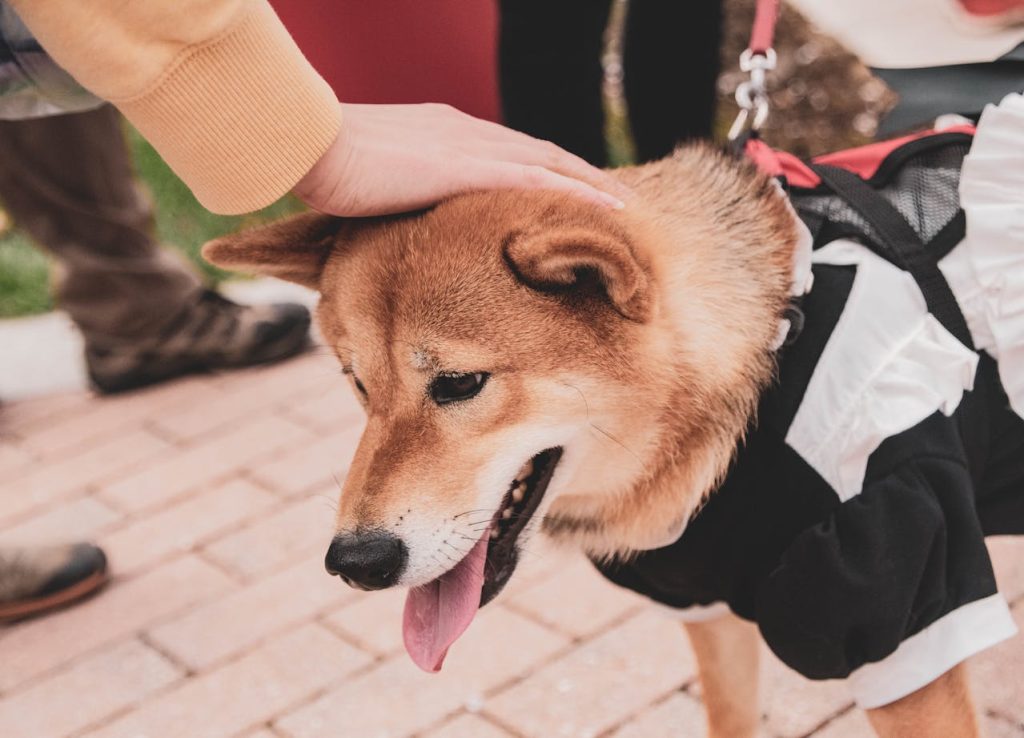
Hands descending over a dog’s face can feel abrupt, even when intent is kind. Behavior guidance from ASPCA and AKC notes that many dogs handle this by tolerating it, not by seeking it, especially with unfamiliar people. A top-down reach also blocks vision for a split second, which can raise uncertainty before contact even lands.
A calmer opening is chest, shoulder, or side-of-neck contact, offered where the dog can see the hand and choose to lean in. That sequence reduces social pressure, keeps movement predictable, and makes connection feel safer instead of surprising. It lowers the odds of a quick flinch that gets misread.
Reaching In Before The Dog Chooses Contact
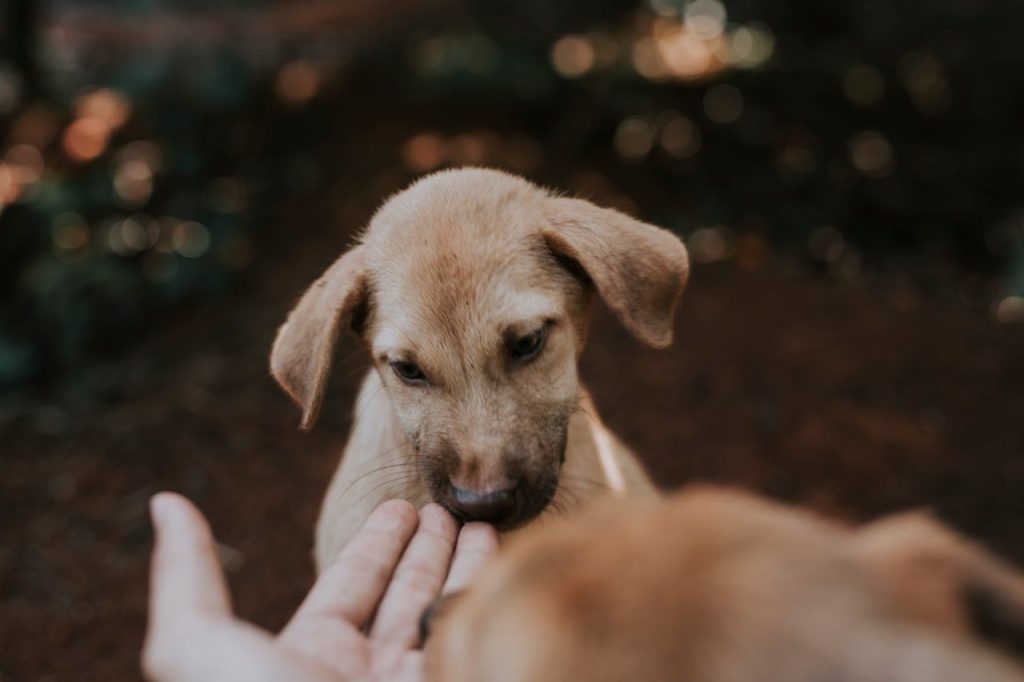
Some touch mistakes happen before touch begins. Public-health and welfare guidance repeatedly says to let a dog approach first, then allow sniffing before contact. When people close distance too quickly, the dog loses choice, and choice is a core part of emotional safety in social animals.
Dogs that feel cornered often communicate softly first: head turn, lip lick, stillness, or a small step away. Waiting three extra seconds can reveal whether the dog is opting in. Consent in canine terms is simple: the dog moves closer, posture loosens, and contact is re-initiated after a brief pause. This small delay prevents avoidable tension.
Using Fast, Repetitive Petting On A Dog Already Amped Up
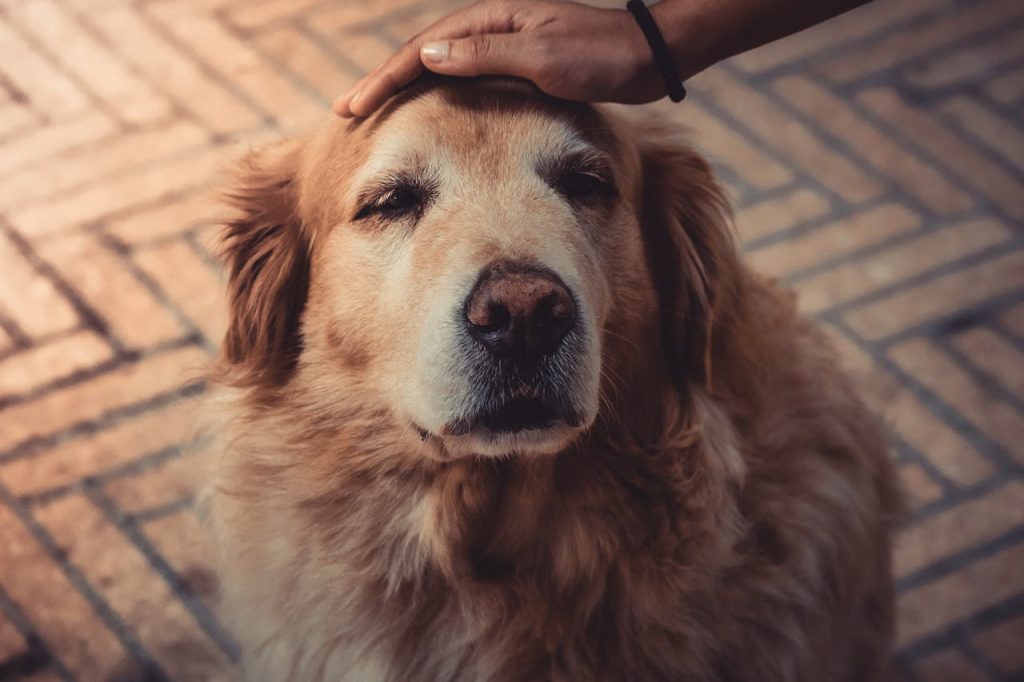
Quick, rhythmic pats can look affectionate to humans while feeling activating to a dog that is already keyed up. Veterinary behavior references describe how arousal can climb when movement stays rapid and close to the face or shoulders. High energy touch is not wrong in play, but it is poor timing during tension.
When breathing, hands, and pace slow down together, dogs show easier body language: softer eyes, looser jaw, and steadier movement. The point is regulation, not restraint. Matching touch speed to the moment helps a dog process interaction without being pushed higher on the arousal curve. That shift can reset the exchange.
Continuing To Pet Through Fear Instead Of Offering A Quiet Anchor
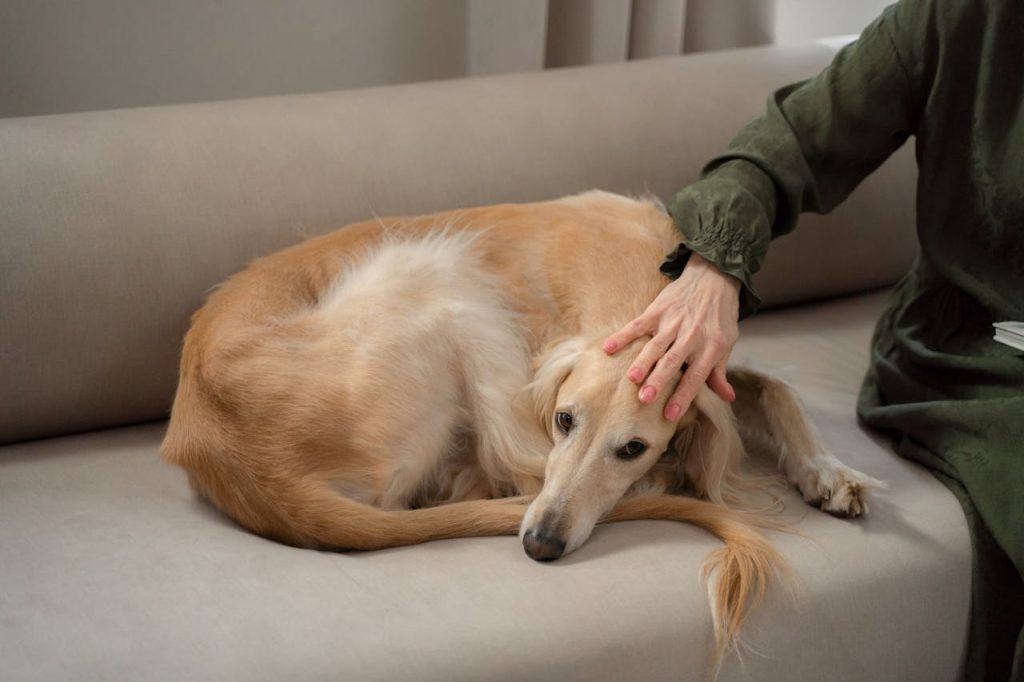
During thunderstorms, crowded streets, or a difficult clinic moment, nonstop petting can add extra stimulation. Many dogs settle better with calm proximity and minimal movement, because predictability lowers processing load when the nervous system is already busy scanning cues.
A still hand placed gently on the shoulder or side can work as an anchor if the dog stays near by choice. If the dog shifts away, space is the better answer. Low-stress handling frameworks emphasize this same principle: reduce pressure, preserve agency, and avoid layering new demands on top of fear. Quiet presence can communicate more than motion.
Grabbing The Collar Or Neck During Routine Handling
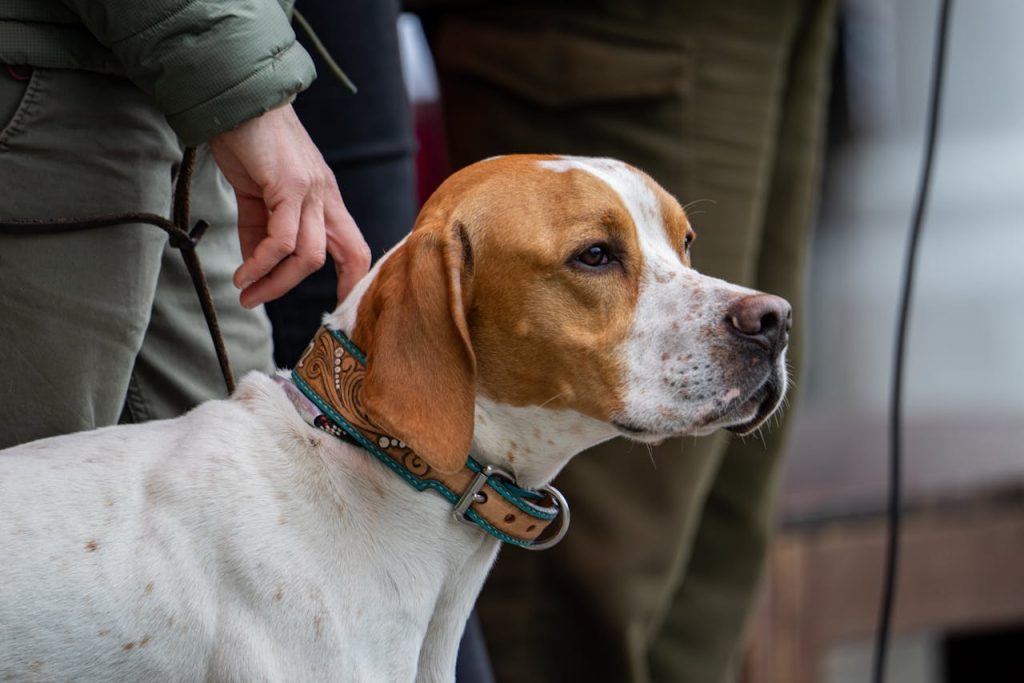
The neck and collar area carries emotional weight because restraint is often introduced there. Sudden collar grabs may feel unpredictable, especially when a dog is already alert, and the body may tense even if the dog stays in place. Low-stress handling guidance favors reducing pressure over forcing position.
That is why cooperative-care trainers build neck handling in tiny, rewarded steps, not abrupt control. A hand near the collar should predict clarity and safety, not surprise. Over time, gentle practice can turn a sensitive zone into one that supports leashing, grooming, and medical care with less friction and faster recovery.
Forcing Access To Paws, Tail, Or Belly
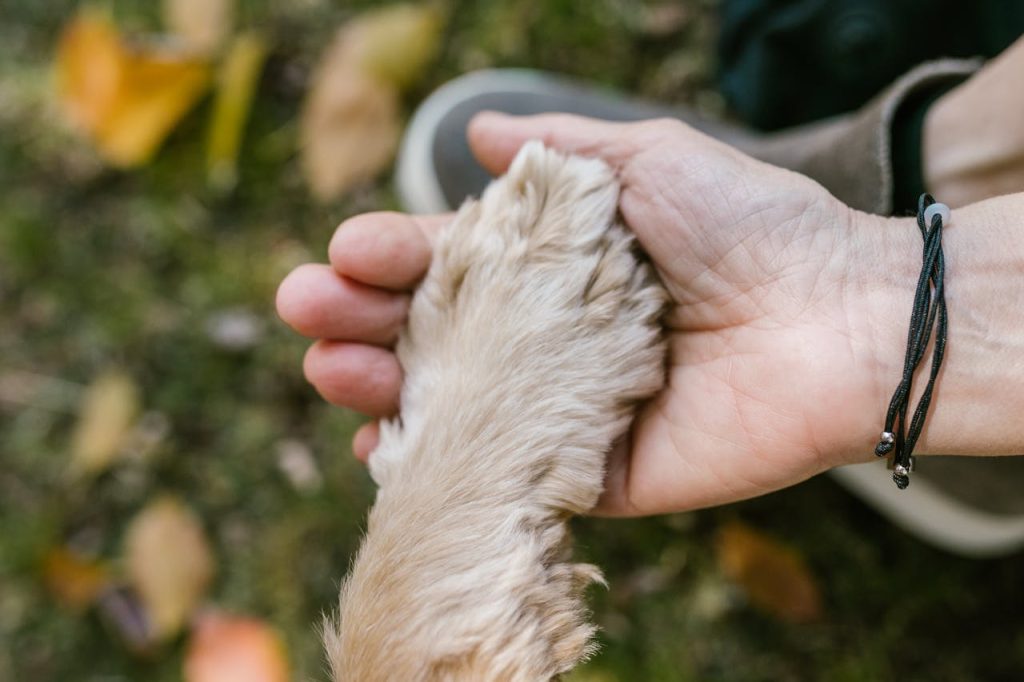
Paws, tail, and belly are not universal invitation zones. Behavior resources from RSPCA, VCA, and ASPCA stress that dogs show discomfort through turning away, tucked posture, lip licking, or freezing, long before louder protest appears. Ignoring those signs teaches the dog that polite signals do not work.
Better handling asks first and proceeds only when the dog remains soft and engaged. A paw offered voluntarily is very different from a paw taken. Respecting that boundary builds trust that carries into nail trims, wiping, and exams. Consent here is practical, not sentimental, and it prevents avoidable stress stacking.
Ignoring Subtle Stress Signals And Waiting For Bigger Ones
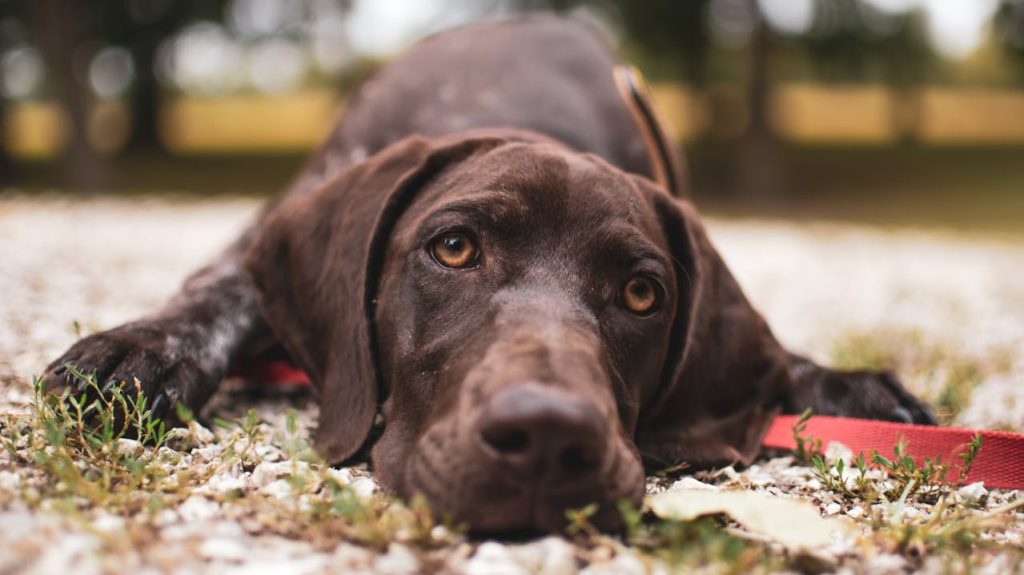
Many caregivers notice stress only when it becomes obvious. The challenge is that canine communication usually starts quiet: a yawn at the wrong moment, gaze aversion, a tucked tail, or brief stillness under a moving hand. By the time signals get larger, the dog has already spent emotional currency trying to be understood.
Research reviews in canine stress work warn that missed early signals can lead dogs to skip straight to stronger responses over time. Reading and respecting the first whisper changes that trajectory. Touch should pause at the first sign of strain, then restart only if the dog re-engages with relaxed posture.
Using Touch Only To Correct Behavior
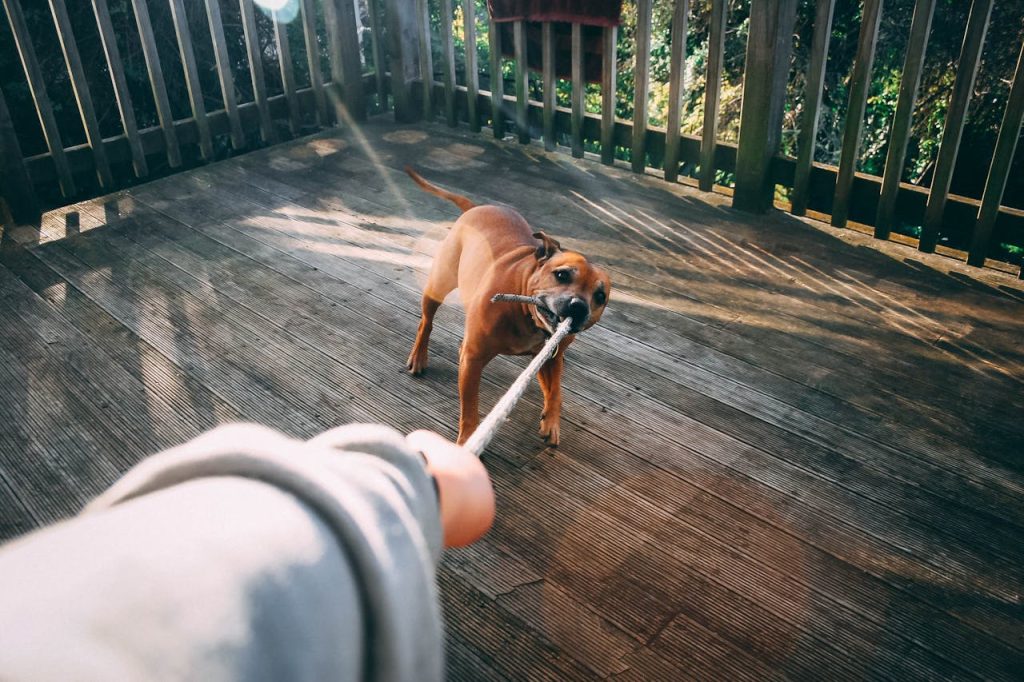
When touch shows up mainly as interruption, repositioning, or restraint, dogs may start reading hands as control rather than connection. That association can make routine moments feel loaded, even in calm rooms. Relationship quality is built by what happens in ordinary minutes, not only during problems.
Brief, neutral contact during easy moments can rebalance that pattern. A light shoulder touch while passing, then release, teaches that hands do not always ask for compliance. In parallel, reward-based training gives clear alternatives without physical pressure. The result is cleaner communication and less friction around handling.
Mismatching Emotional Energy While Touching
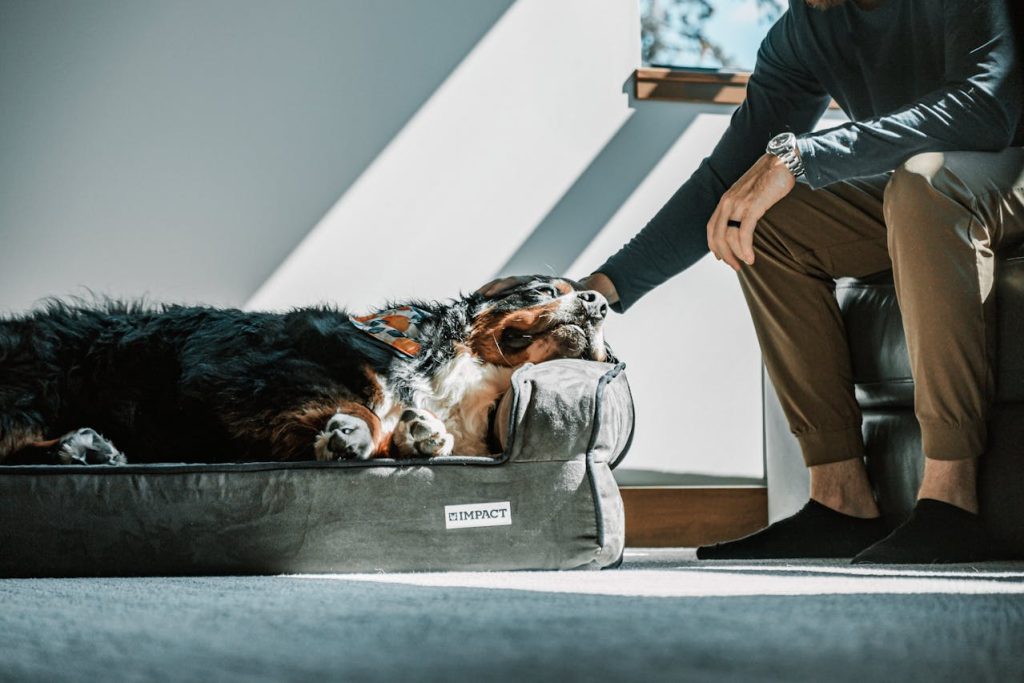
Dogs track human posture, tempo, and physiological state with impressive sensitivity. Recent work on dog-owner co-modulation found linked arousal patterns during interaction, which helps explain why hurried touch can feel louder than intended. The hand may be gentle while the nervous system behind it is not.
If the moment requires settling, the handler’s tempo has to settle first. Slower exhale, softer shoulders, quieter movement, then contact. This is not theater; it is signal clarity. When emotional tone and touch quality match, many dogs recover faster from uncertainty and return to normal behavior with less prompting.
Crowding A Dog Who Is Trying To Decompress

After visitors leave, fireworks end, or a noisy walk wraps up, some dogs seek closeness while others need space before reconnecting. Trouble starts when decompression cues are mistaken for rejection. Following the dog room to room with repeated touch can prolong tension instead of resolving it.
A better pattern is availability without pressure: sit nearby, lower movement, and let the dog decide distance. If the dog circles back and leans in, contact can resume gently. If the dog chooses a separate spot, that choice itself is regulation. Respecting downtime protects trust and prevents social fatigue from compounding further.
Skipping Recovery Touch After Hard Events
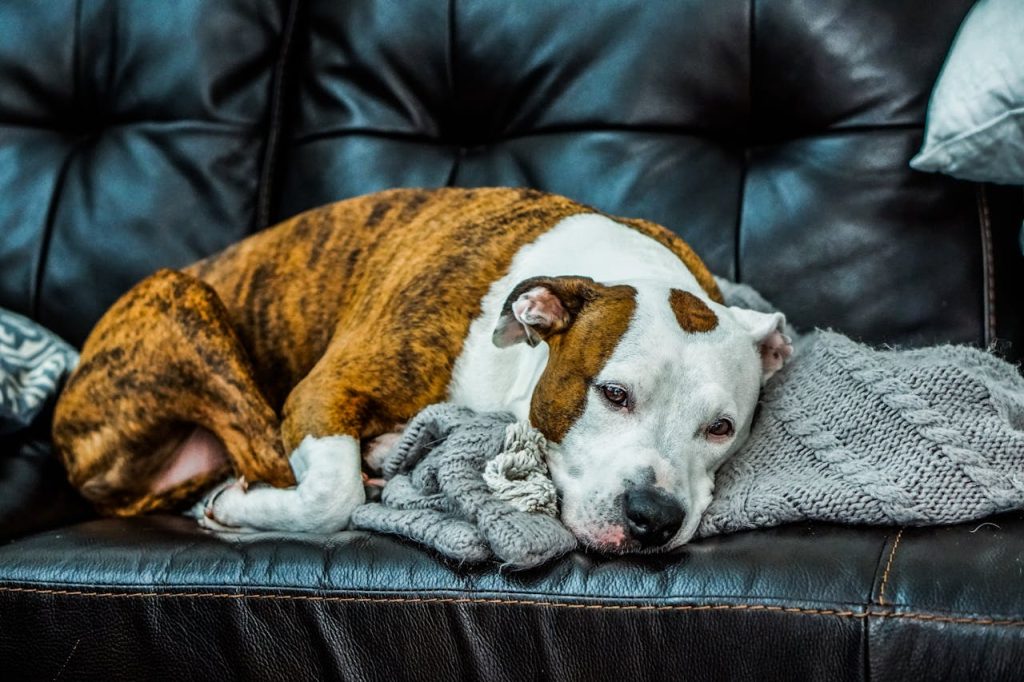
Stress does not always end when the event ends. After a loud sound, a crowded elevator, or a difficult exam, dogs often carry residual arousal that lingers into the next interaction. Quiet, predictable contact can help bridge that gap when the dog chooses proximity and the handler keeps movements simple.
The goal is not distraction; it is nervous-system recovery. Slow side strokes or steady shoulder contact, paired with calm presence, can mark the transition back to baseline. Consistent post-event routines also improve anticipation: the dog learns that hard moments are followed by safety, clarity, and no extra social demands.
Forgetting To Pause And Let The Dog Re-Choose
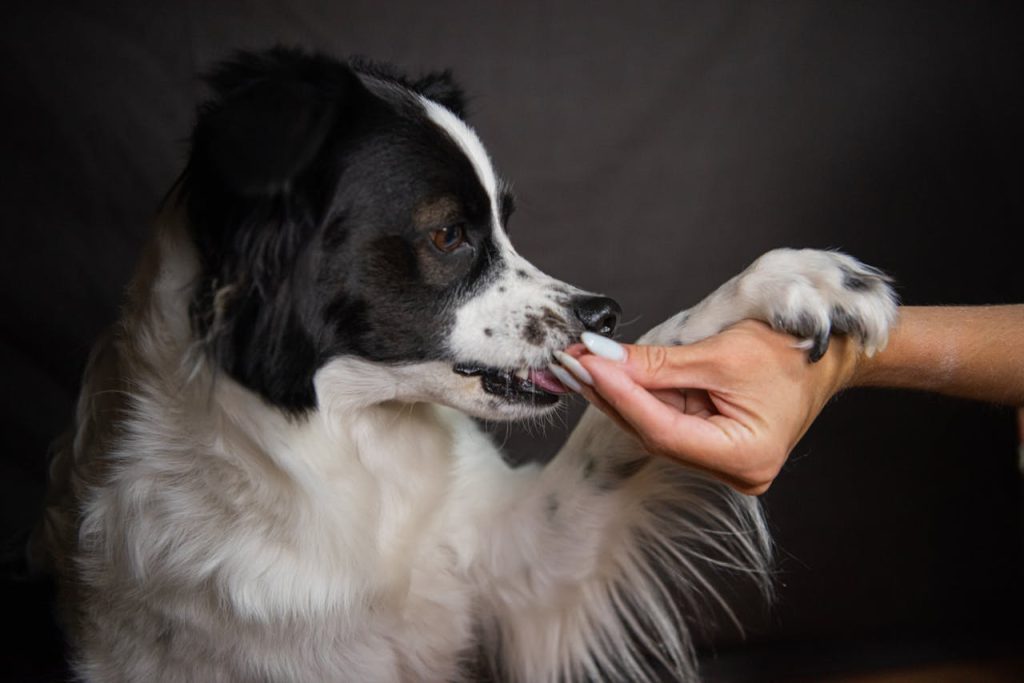
One long petting sequence can hide discomfort that appears only after several seconds. A brief pet-pause-observe rhythm makes the dog’s preference visible in real time. If the dog nudges back in, posture remains loose, and eyes stay soft, contact is likely welcome. If movement stops or shifts away, that answer matters.
This tiny pause prevents guesswork and keeps interaction collaborative. It also protects children and guests from misreading tolerance as enjoyment. In practical terms, consent checks reduce friction, strengthen communication, and make affectionate touch feel clearer for both species involved in the interaction.
The strongest bond often grows from tiny, respectful moments repeated every day. When a dog’s signals are noticed early and touch stays optional, affection becomes easier, routines become smoother, and trust becomes sturdier. That trust is what carries families through storms, clinic visits, travel days, and all the ordinary hours in between.