

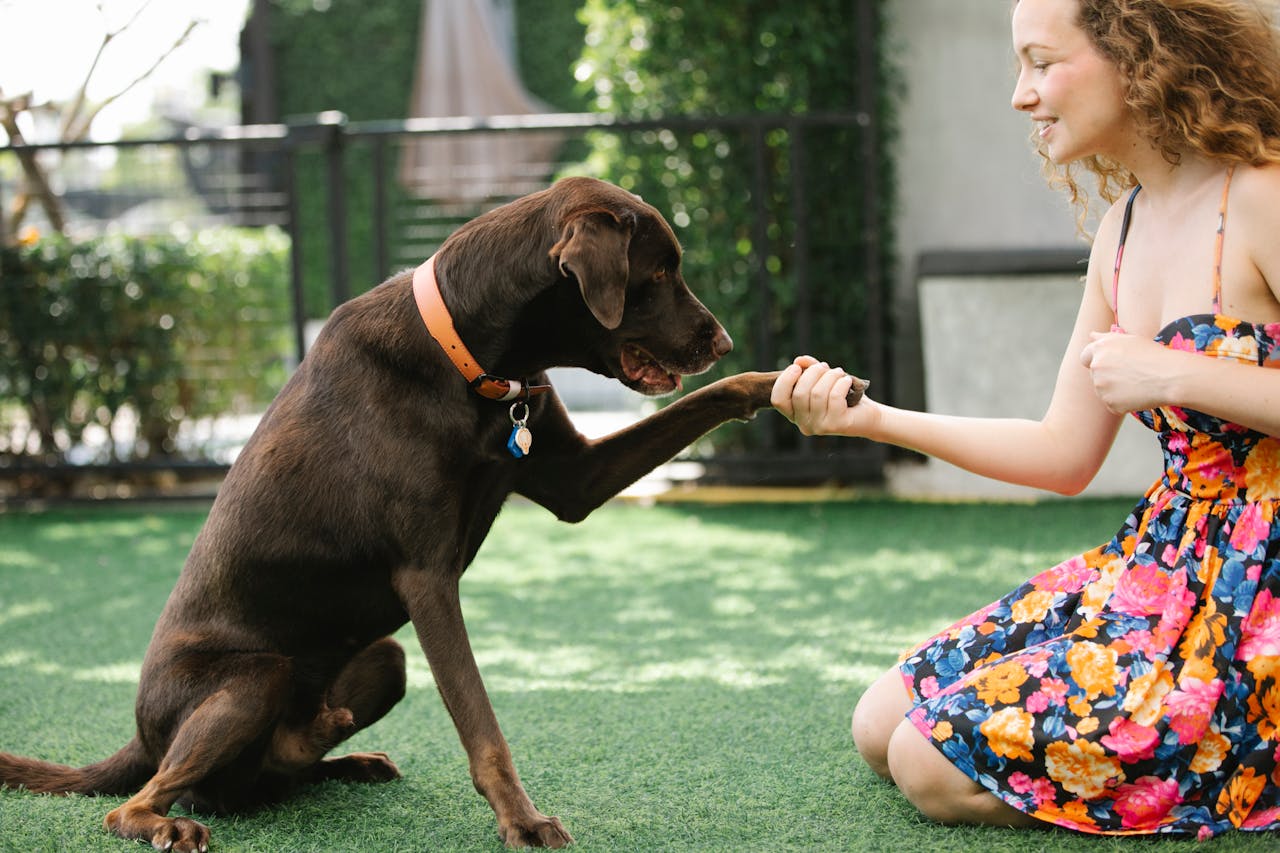
Dogs rarely wake up planning conflict. Most behavior trouble begins when communication breaks down and early signals are missed, rushed, or corrected the wrong way. Veterinary behavior groups, shelter educators, and bite-prevention guidance point to the same pattern: subtle stress cues appear first, then louder reactions follow if pressure keeps rising. When families learn to read posture, pace, facial tension, and distance requests as real language, bad habits often shrink quickly and safety improves for everyone sharing the home. The shift is practical, not dramatic, and it starts with paying attention sooner now.
Mistaking Any Tail Wag for Consent
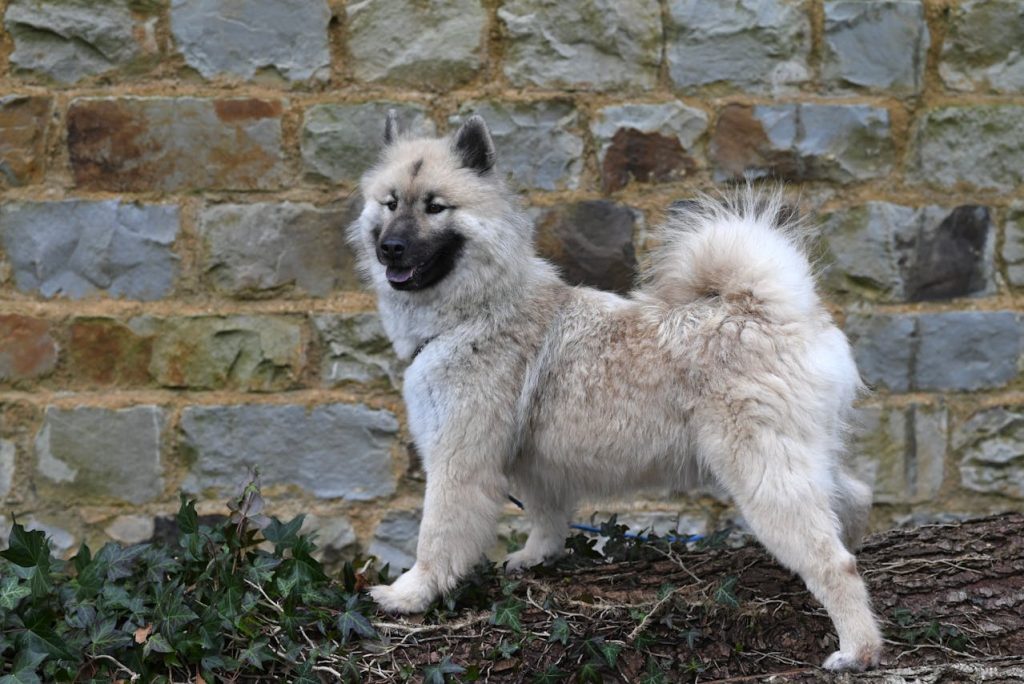
A moving tail is not a universal green light. Behaviorists read tail height, speed, and stiffness with the rest of the body, because high, tight wagging can reflect conflict or overarousal rather than social ease. Loose hips, curved movement, a soft mouth, and easy blinking usually signal comfort, while rigid posture and a fixed stare suggest pressure building.
When people read only the tail and ignore tension through shoulders, face, and paws, greetings get pushed too far, too fast. Then a predictable defensive reaction is framed as sudden disobedience, even though the dog had already signaled discomfort before contact.
Missing the Freeze Before Escalation
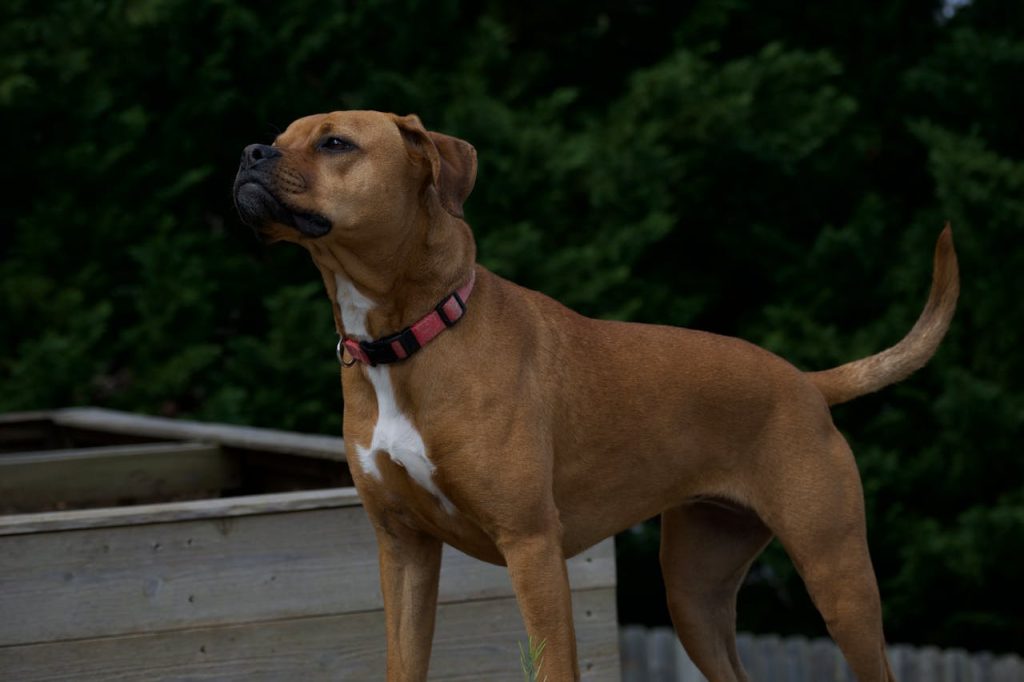
The freeze is one of the most missed warning signs in canine communication. A dog can go still for a beat, close the mouth, hold breath, and lock posture just before growling, snapping, or biting. To many people, that pause looks calm, yet behavior professionals treat it as a red-alert moment that asks for immediate space and less social pressure.
When hands keep reaching, faces keep leaning in, or restraint continues through that stillness, the dog can skip quieter signals and escalate to a stronger response. Later, the event gets labeled unpredictable, even though the sequence followed a common and well-described pattern.
Treating Lip Licking as Hunger Every Time
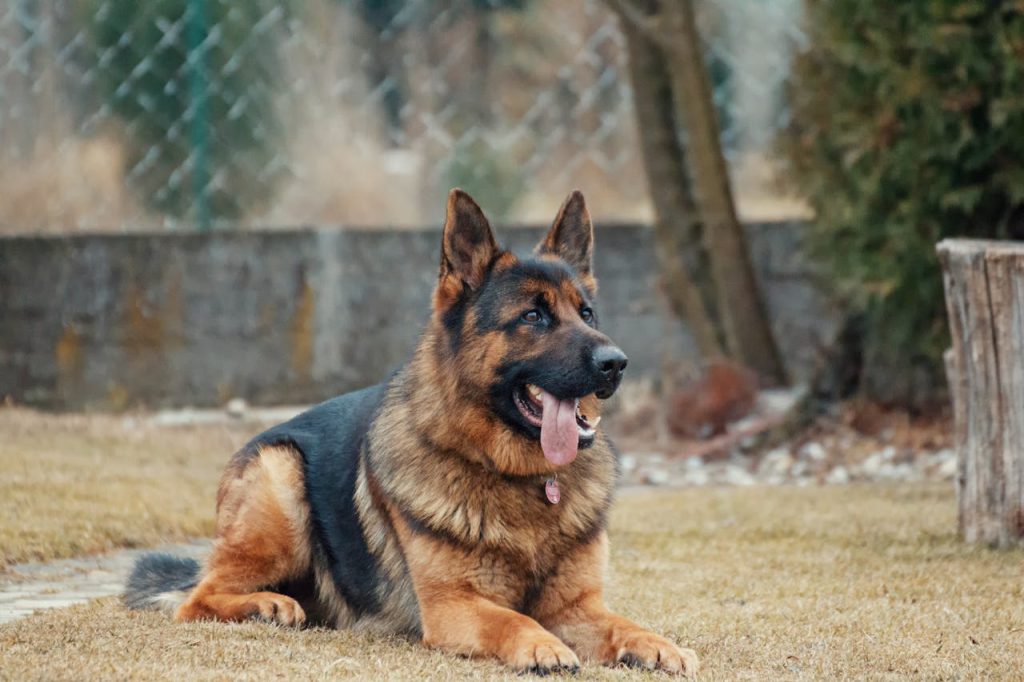
Lip licking is often dismissed as food anticipation, but context matters more than the tongue flick itself. During tense handling or crowded greetings, repeated licking often appears with lowered posture, head turns, or slowed movement, which behavior teams read as stress, not appetite. It often appears early, before sound.
If that cue is ignored and pressure continues, the dog learns that polite communication does not change the situation. Over time, many dogs switch from subtle requests to louder behaviors like barking, air snapping, or pulling away, and those reactions are mislabeled as bad manners instead of unresolved stress.
Reading Stress Yawns as Boredom

Yawning gets misread as boredom, but in charged moments it can function as a calming signal that helps a dog regulate rising tension. When yawning appears with a tight mouth, tucked posture, panting, or gaze aversion, behaviorists treat it as a request to lower intensity, not a cue to keep pushing interaction. Timing is the key detail.
If people interpret the signal as harmless and continue quick touch, loud praise, or close face contact, discomfort can climb. Repeated over weeks, that pattern often shifts dogs from quiet coping behaviors into vocal, avoidant, or defensive responses that families then call sudden behavior change.
Overriding Head Turns and Averted Eyes
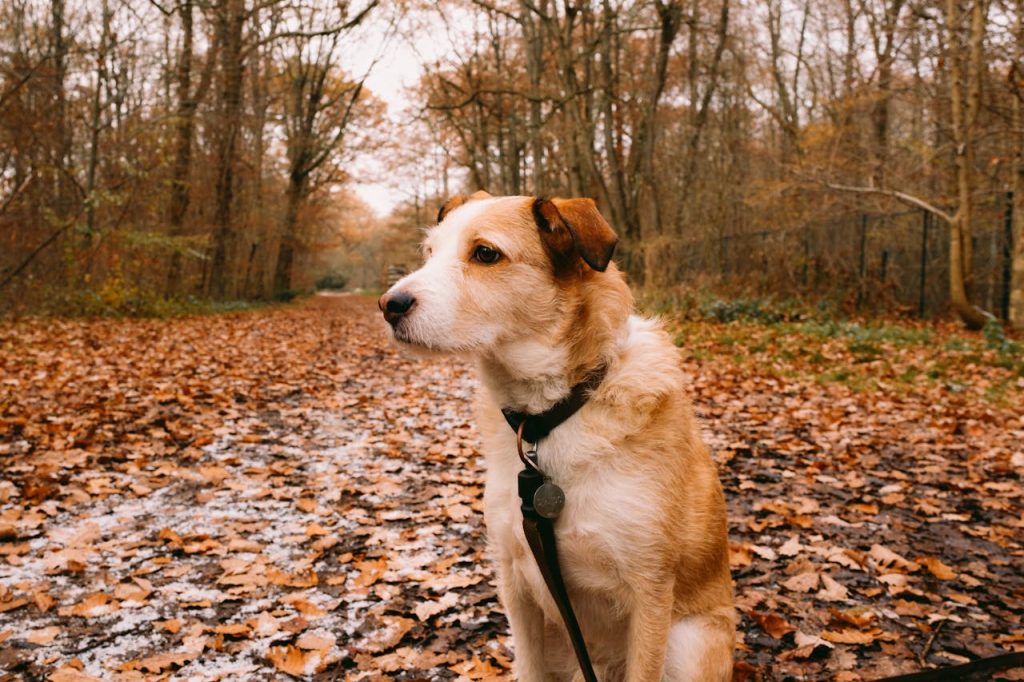
Head turns, blinking, and looking away are often polite de-escalation signals, not stubbornness or refusal. Dogs use these micro-movements to soften social pressure when an approach feels intense, especially during restraint, hugging, grooming, or direct face contact in tight spaces. The message is simple: the dog is trying to keep things calm and safe.
When those cues are overridden with forced eye contact, tighter grip, or repeated leaning in, the dog loses safer options. What follows may be a growl or snap, then a behavior label, even though the first response was conflict avoidance and the first request was space.
Punishing Growling Instead of Reading It
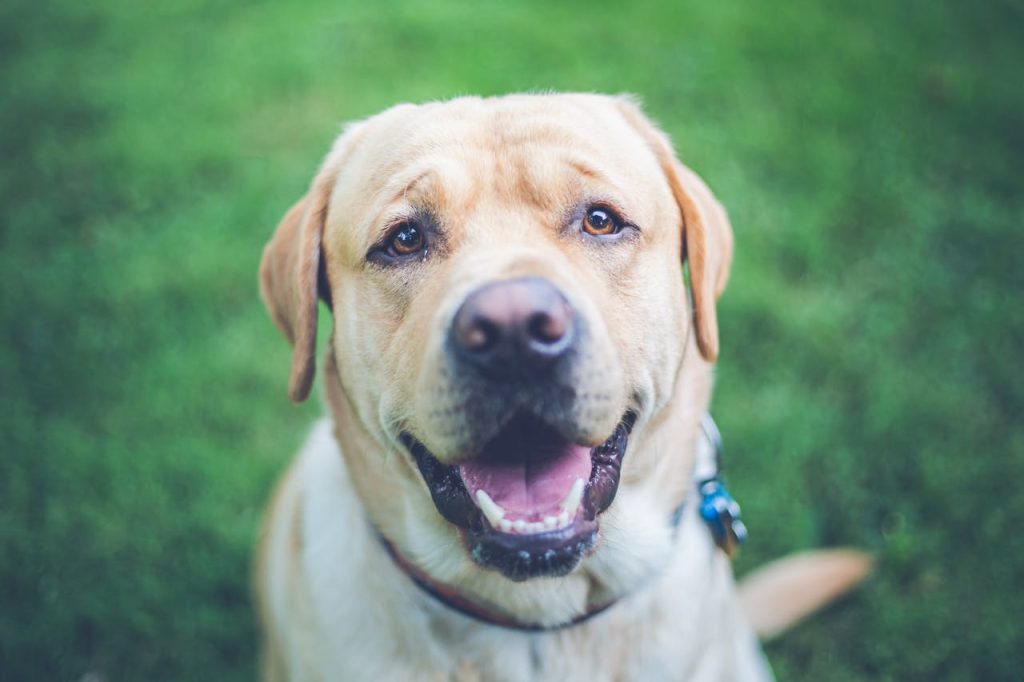
Growling is often framed as defiance, yet behavior medicine treats it as a functional warning that can prevent injury. It tells nearby people that discomfort is present and distance is needed before pressure rises further. When that warning is punished, the sound may shrink, but the emotion driving it usually remains unchanged beneath the surface.
That is why many professionals call growling useful information, not moral failure. A dog that still warns gives humans a chance to adjust, de-escalate, and prevent harm. A dog punished for warning may appear quieter, then react with less notice in the next high-pressure moment.
Correcting the Symptom While Keeping the Trigger
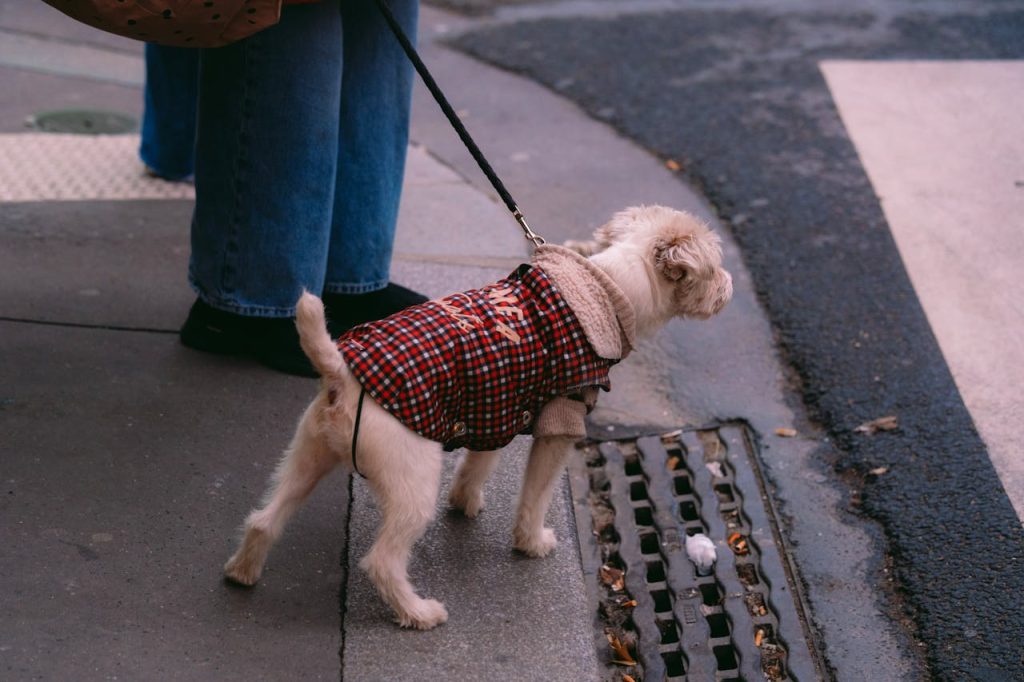
Many behavior plans fail because the visible action is corrected while the trigger remains untouched. Barking gets punished, but fear of handling stays. Lunging gets suppressed, but crowding at doors continues. From a learning perspective, that creates conflict without relief, and stress keeps stacking under the surface.
Veterinary behavior guidance favors changing the context first, then teaching replacement skills with reinforcement. When the trigger is managed and calm choices are rewarded, behavior stabilizes faster. When only suppression is used, the problem often returns under pressure, sometimes with fewer early warnings.
Blocking Distance-Seeking Signals

Dogs often try distance before confrontation. They step away, arc their body, hide behind furniture, or disengage to lower pressure in a social moment that feels unsafe. When exits are blocked by leash tension, walls, doorways, or human positioning, that low-risk strategy fails and defensive behavior becomes more likely in seconds.
Many incidents described as out of nowhere are preceded by repeated attempts to leave. The dog was communicating, but the channel was narrowed until no easy option remained. Creating an exit path and reducing approach pressure can prevent escalation long before any dramatic reaction appears.
Accidentally Reinforcing Overarousal
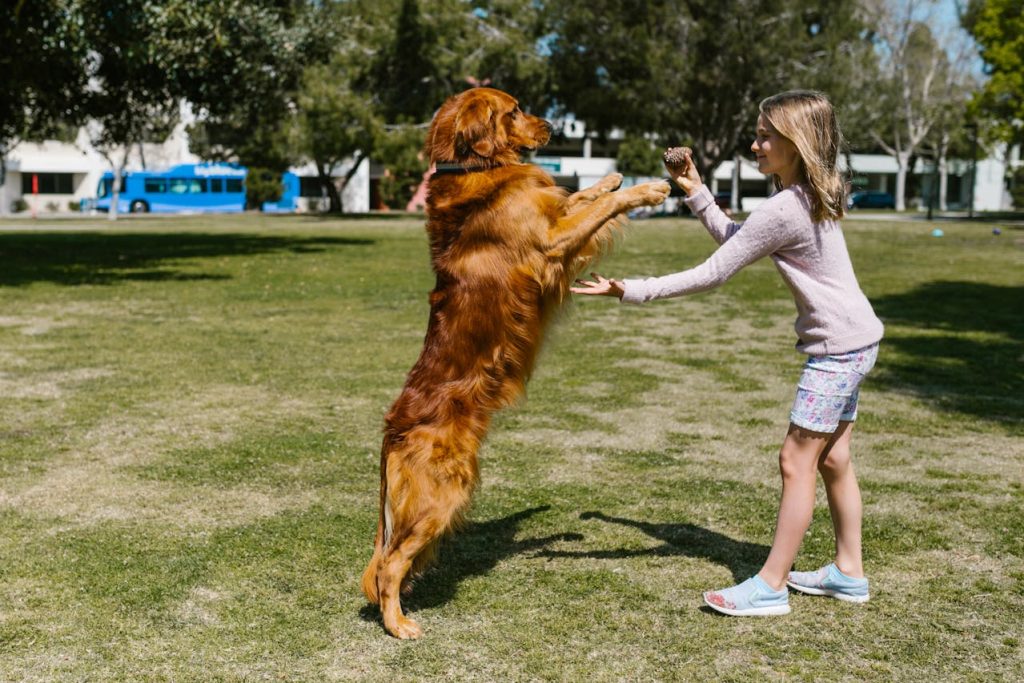
Jumping, spinning, barking, and frantic mouthing are often strengthened by timing errors rather than intent. If attention, touch, play, or access arrives the instant arousal peaks, the dog learns that explosive energy opens doors faster than calm behavior does. That learning history can build quickly across ordinary daily routines at home.
Behaviorists often reset this pattern by rewarding pauses, marking four paws on the floor, and briefly removing social access during escalation. Over time, the dog practices regulation instead of chaos, recovery speeds up, and households see fewer conflicts labeled as attitude problems.
Forcing Social Greetings on Leash
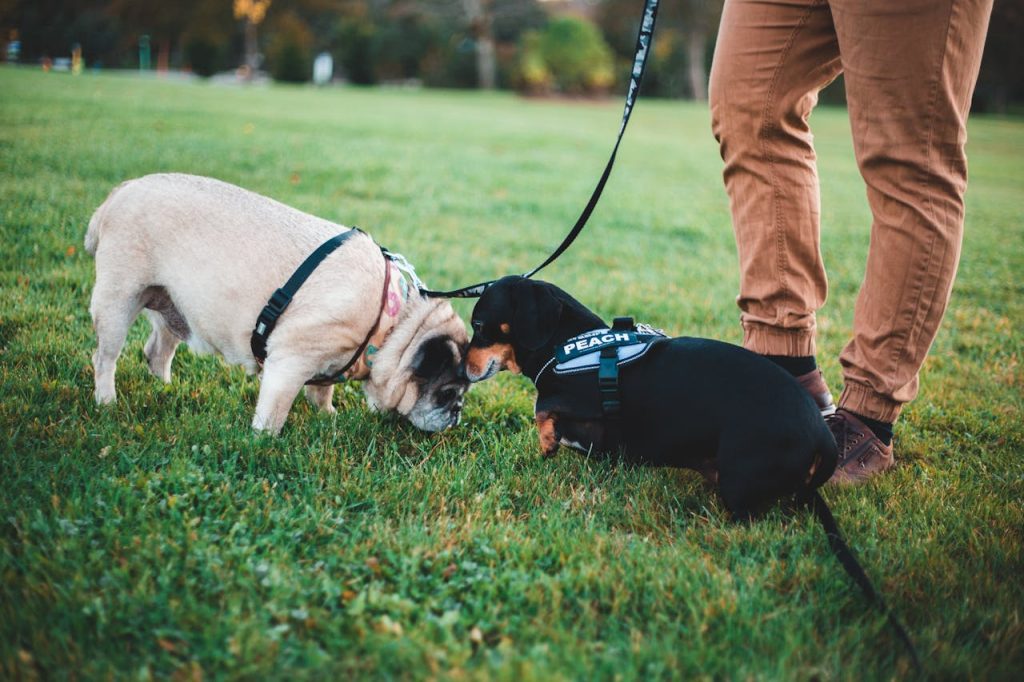
Forced greetings create many social failures that later get called reactivity. Not every dog wants touch, eye contact, or nose-to-nose contact in every context, especially on a tight leash, in a narrow hallway, or near excited strangers and dogs. Consent and pacing matter more than speed in those moments.
When introductions are rushed and disengagement is blocked, subtle stress cues are easy to miss and pressure rises quickly. Short pauses, curved approaches, and permission to move away often keep interactions cleaner. Compulsory contact does the opposite and can teach dogs that social encounters are unpredictable and unsafe.
Rushing Handling and Grooming Under Pressure
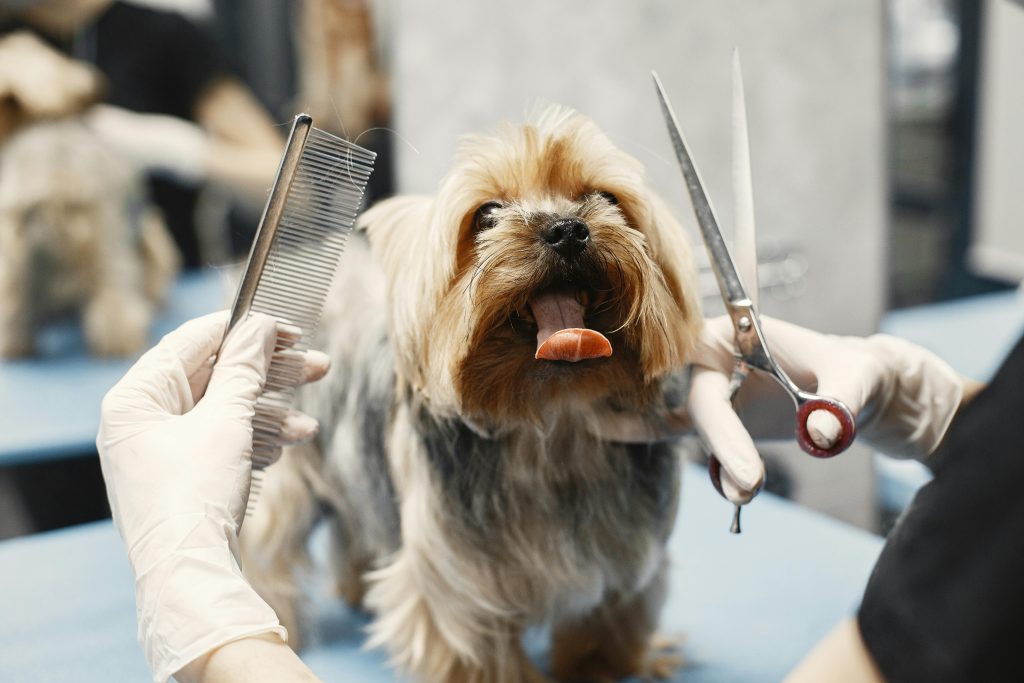
Nail trims, ear checks, brushing, and restraint often become flashpoints when fear signals are corrected instead of respected. Lip licking, paw lifting, trembling, or turning away are early indicators that the handling pace is too fast for current coping capacity. Pushing through those signals can make the next session harder.
Cooperative care uses gradual exposure, predictable steps, and reinforcement for participation, which lowers stress and improves compliance over time. As trust grows, procedure quality rises, while the dog learns that handling can be clear, tolerable, and safe rather than a repeated loss of control.
Ignoring Pain as a Behavior Trigger
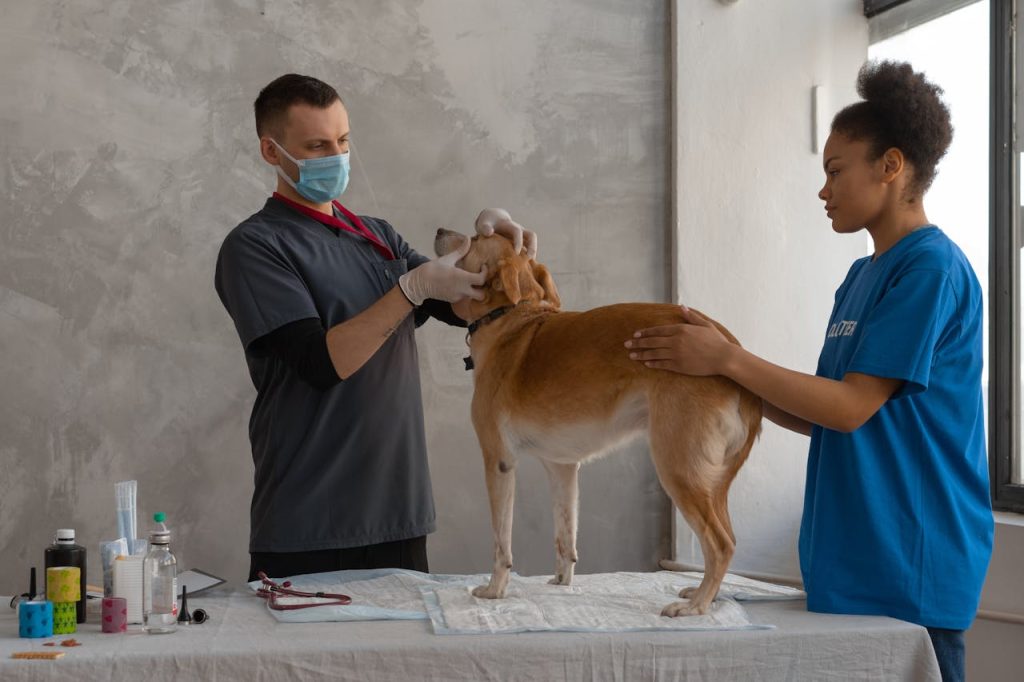
Pain is one of the most overlooked drivers of behavior change in dogs. A normally tolerant dog can begin guarding space, resisting touch, growling during movement, or avoiding routine handling when discomfort lowers tolerance and raises reactivity. Without a medical check, these shifts are easily misread as attitude.
Veterinary sources advise ruling out physical causes early when aggression or defensiveness appears, especially after sudden onset. When pain is treated and daily handling is adjusted, behavior work becomes clearer and safer. When pain is ignored, conflict often intensifies and trust erodes across ordinary interactions
Letting Child-Dog Interactions Run Unsupervised
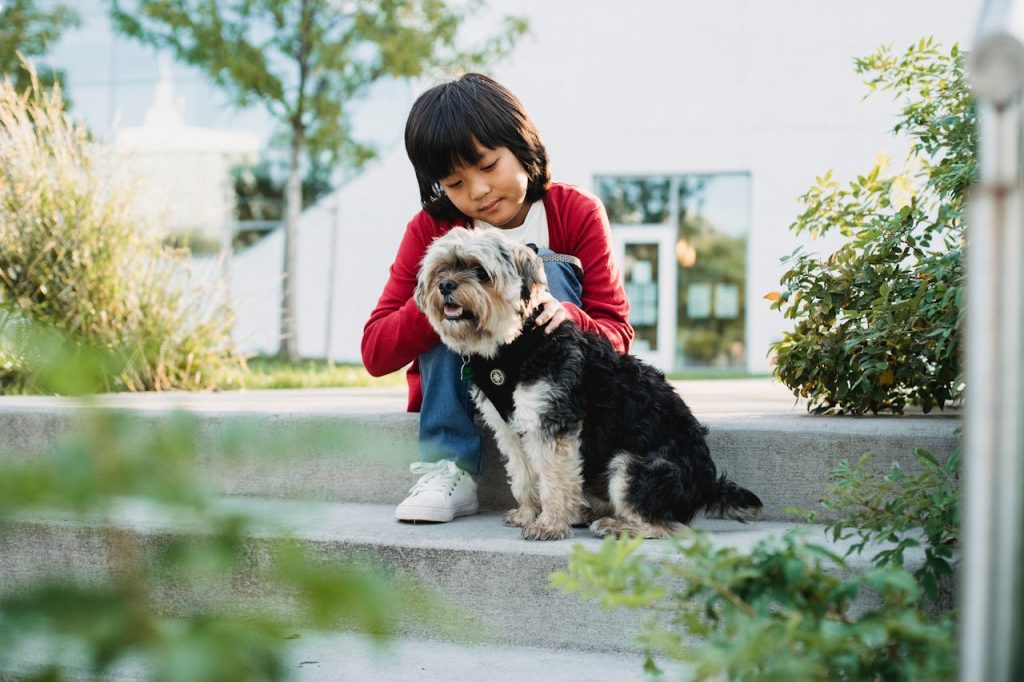
Tension rises around food bowls, toys, beds, and sleeping spots where dogs may feel vulnerable or protective. Public health and veterinary guidance emphasizes supervision, because children may miss subtle stress signals and continue contact after a dog has asked for space. The mismatch is common and preventable.
Simple boundaries make a major difference: protected rest zones, calm meal routines, and no face-to-face pressure during downtime. When adults manage those moments consistently, risk drops and trust improves. When crowding continues, even affectionate dogs can move into defensive behavior under repeated stress.
Reading One Signal Instead of the Whole Dog

Single-cue interpretation drives many mistakes. A wag, bark, yawn, or growl does not carry one fixed meaning outside context, because emotion depends on posture, movement, facial tension, proximity, history, and the immediate environment. Behaviorists read patterns, not isolated fragments in real time at home.
That wider lens catches contradictions, like a wagging tail on a rigid body or quiet behavior with pinned ears and tight lips. When people shift from one-signal guesses to whole-dog reading, timing improves, prevention improves, and many conflicts are resolved before anyone reaches a high-pressure decision point.
Waiting Too Long to Involve Professionals
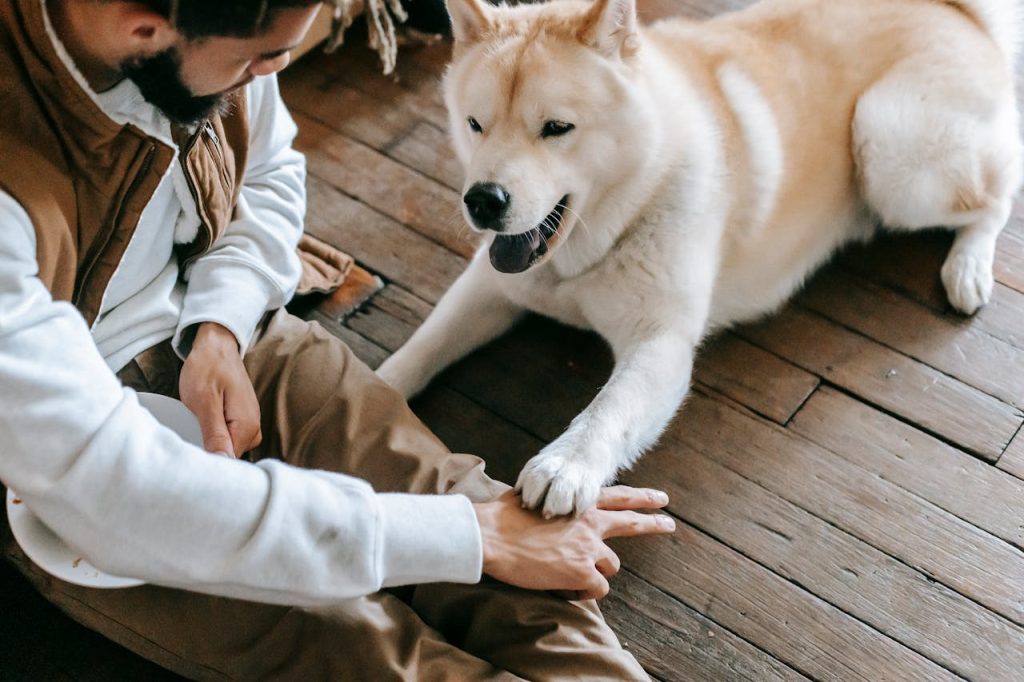
Many families wait for a serious incident before asking for professional guidance, but delay usually means more rehearsal of the same pattern and fewer easy options left. Early support from a veterinarian and a qualified behavior professional can combine medical screening, management, and skills training before conflict hardens into routine.
Small moments decide the direction of behavior. A turned head, a stiff pause, a quiet lip lick, or a step away can look minor, yet those signals often carry the clearest request in the room. When families answer those requests early, dogs stay more stable, households stay calmer, and training becomes less about correction and more about clarity. The strongest behavior change usually starts with better listening, then builds through predictable routines, fair expectations, and reinforcement that teaches the dog what works.