

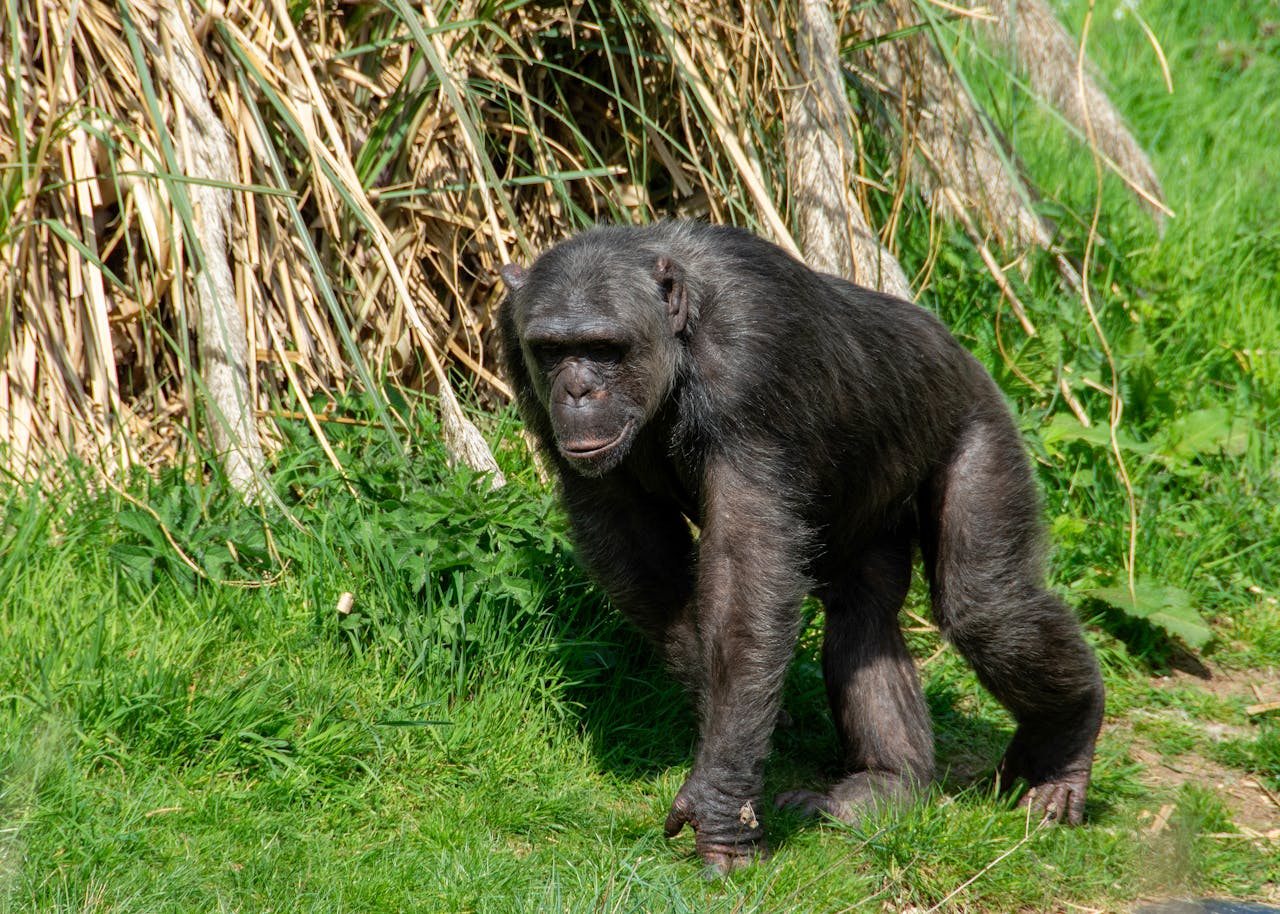
For a long time, intelligence was treated like a ladder, with humans at the top and other minds placed lower by default. That frame is now under pressure. Across newer chimp studies, researchers are seeing something more precise than trial-and-error persistence: active updating. Chimps pause when evidence is thin, seek missing cues, and revise choices when new information conflicts with earlier beliefs. The shift is subtle but profound. Intelligence starts to look less like dominance and more like disciplined flexibility under uncertainty.
Evidence Beats First Impressions
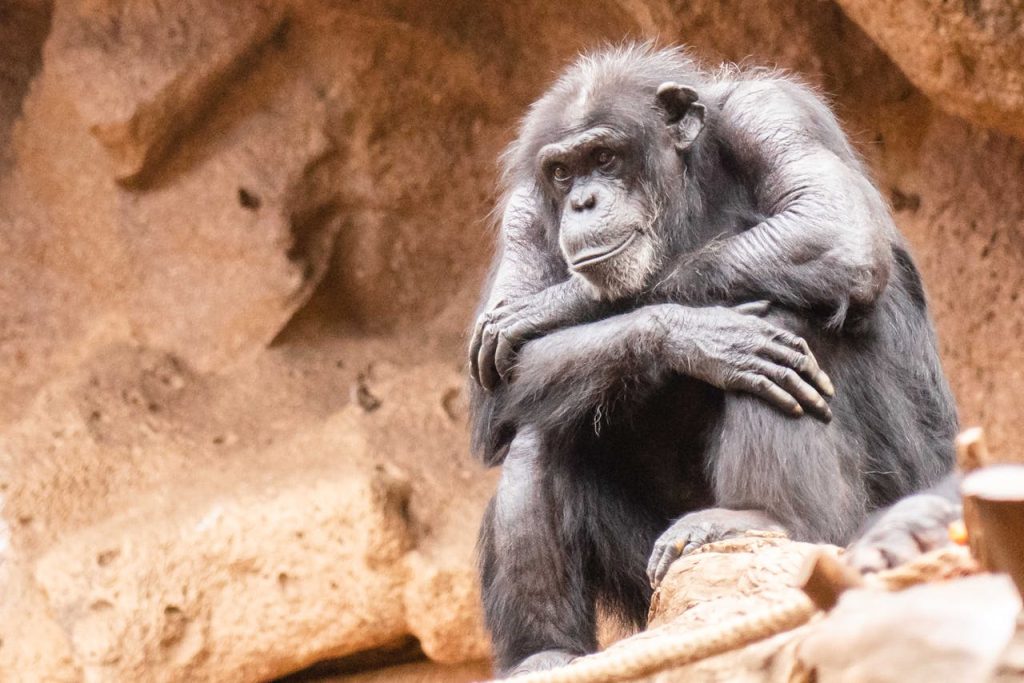
In a 2025 Science study, chimpanzees did not simply stick to their initial pick after conflicting evidence appeared. Many checked again, then switched to the option better supported by updated cues. That pattern resembles rational belief revision, which has long been treated as a core feature of human reasoning.
The key point is not perfect performance on every trial. The key point is structured correction. When beliefs changed, they changed for reasons tied to evidence, not randomness, and that forces a cleaner definition of intelligence across species.
Uncertainty Can Trigger Smart Search
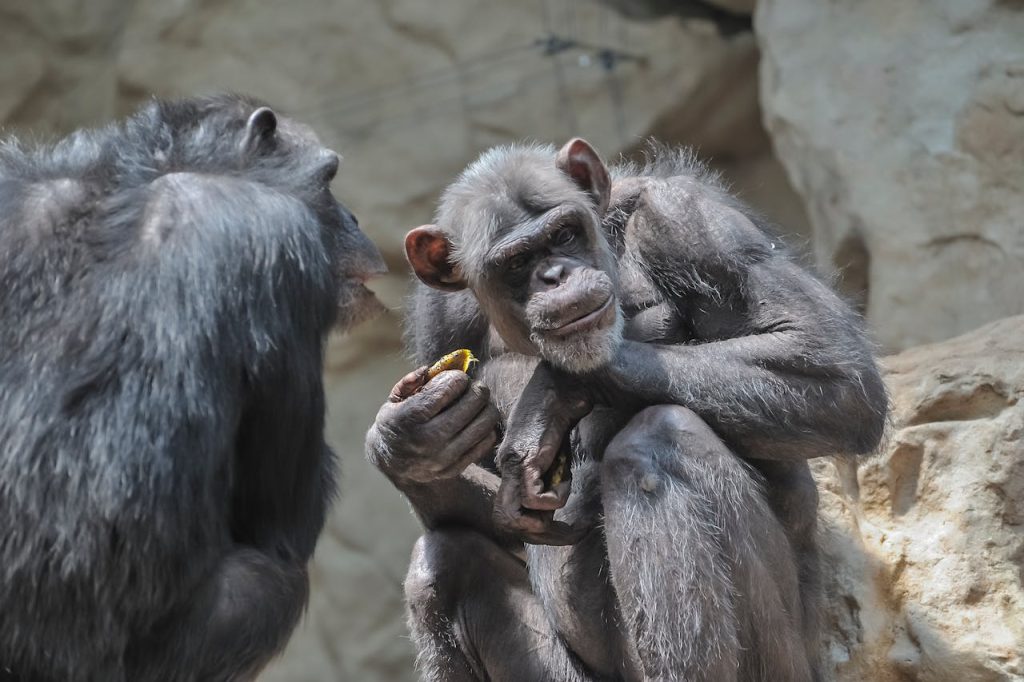
A 2024 Cognition paper found that many chimpanzees sought extra information before deciding, even with minimal training. In practical terms, they moved to inspect hidden options when they lacked enough data, then made a choice. That sequence strongly suggests controlled decision-making, not blind foraging.
The same work also found meaningful individual differences, including age and sex patterns in information seeking. So this is not one stereotyped behavior. It is a flexible strategy expressed differently across individuals, which is exactly what rich cognition often looks like.
Flexibility Has a Developmental Arc
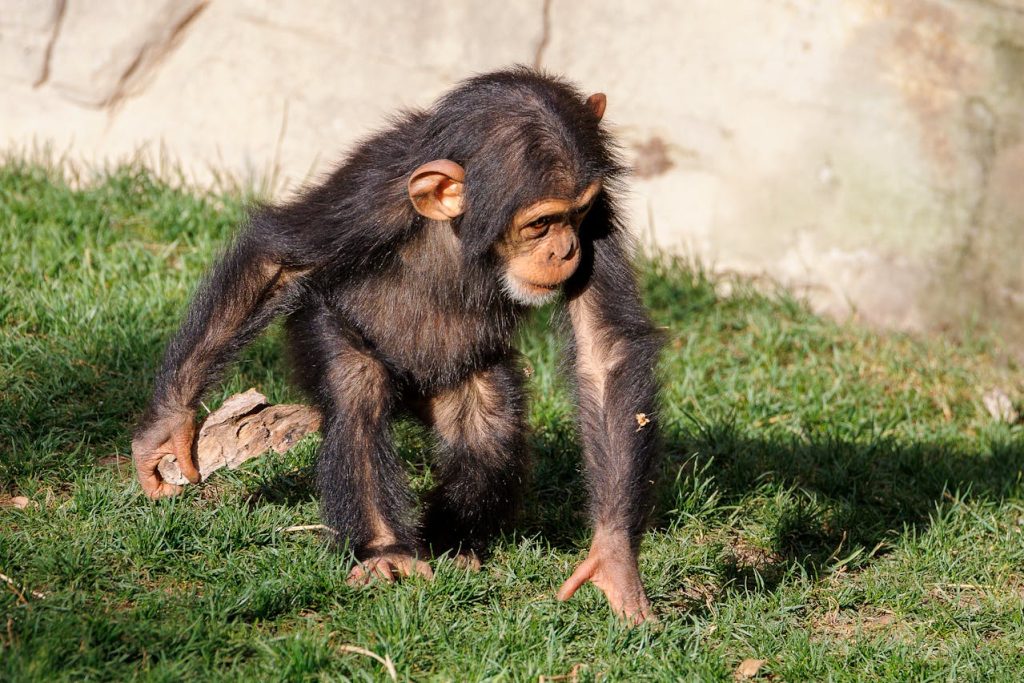
Research on reversal learning shows that chimp cognitive flexibility develops over time, rather than arriving fully formed. Younger individuals can struggle more when rules flip or when feedback is noisy, while older individuals often adapt faster across task types. That mirrors a familiar developmental story in humans.
This matters because static views of animal intelligence miss growth. If flexibility changes with age and experience, then chimp cognition has trajectory, not just capacity. Intelligence becomes a moving process shaped by learning history, not a fixed label assigned once and left untouched.
Monitoring Knowledge Is Part of the Picture
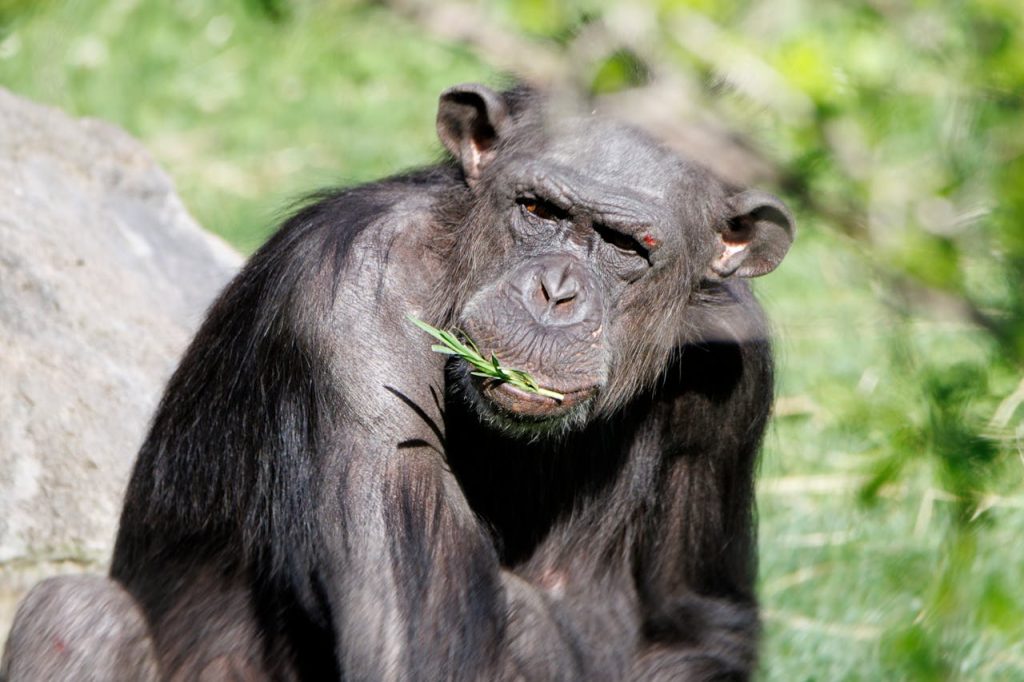
Another line of work asks whether chimpanzees recognize when they might be wrong. A 2024 Royal Society study used post-decision wagering and found evidence consistent with uncertainty monitoring during hidden-food choices. In plain language, chimps showed signals that they track confidence, not just outcomes.
Broader reviews of primate metacognition support the same direction, while still noting open debates about mechanisms. Even with that caution, the field has moved well beyond the older claim that reflective monitoring is uniquely human in practice.
Social Worlds Reward Mental Updating
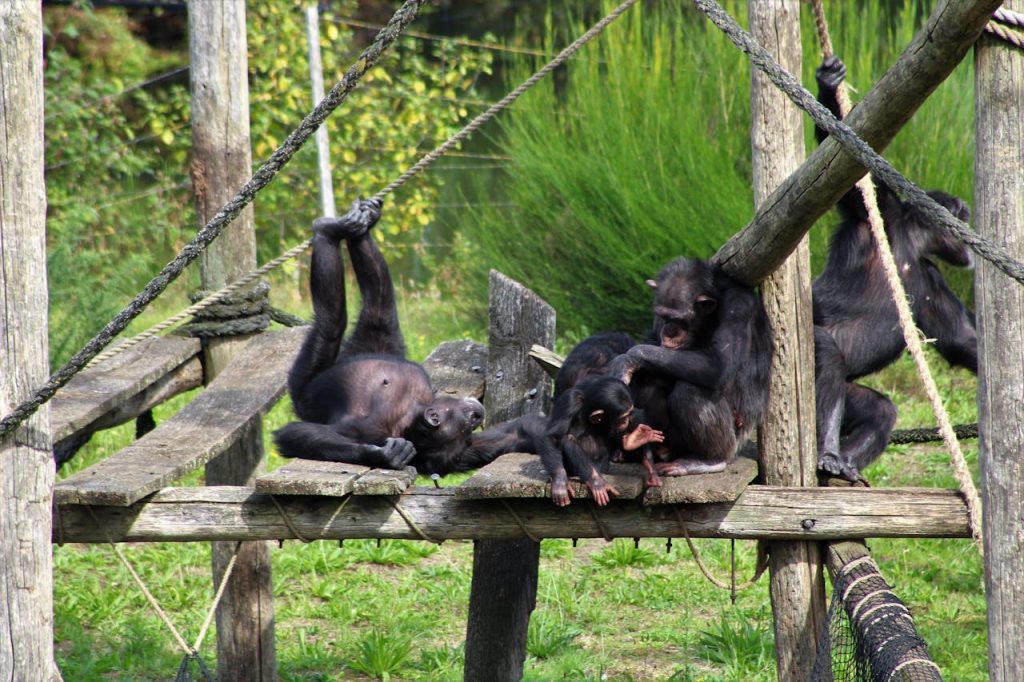
Chimp cognition is built inside complex social groups, where relationships, rank dynamics, and cooperation patterns shift over time. In those environments, rigid behavior is costly. Individuals that can reassess quickly after new social information appears are better positioned to navigate daily group life.
Comparative work on chimp groups shows that behavioral flexibility varies by context and social conditions. That reinforces a core idea: changing one’s mind is not a laboratory trick. It is a useful adaptation in social systems where the facts on the ground can change from one interaction to the next.
Older Tests Often Asked Narrow Questions
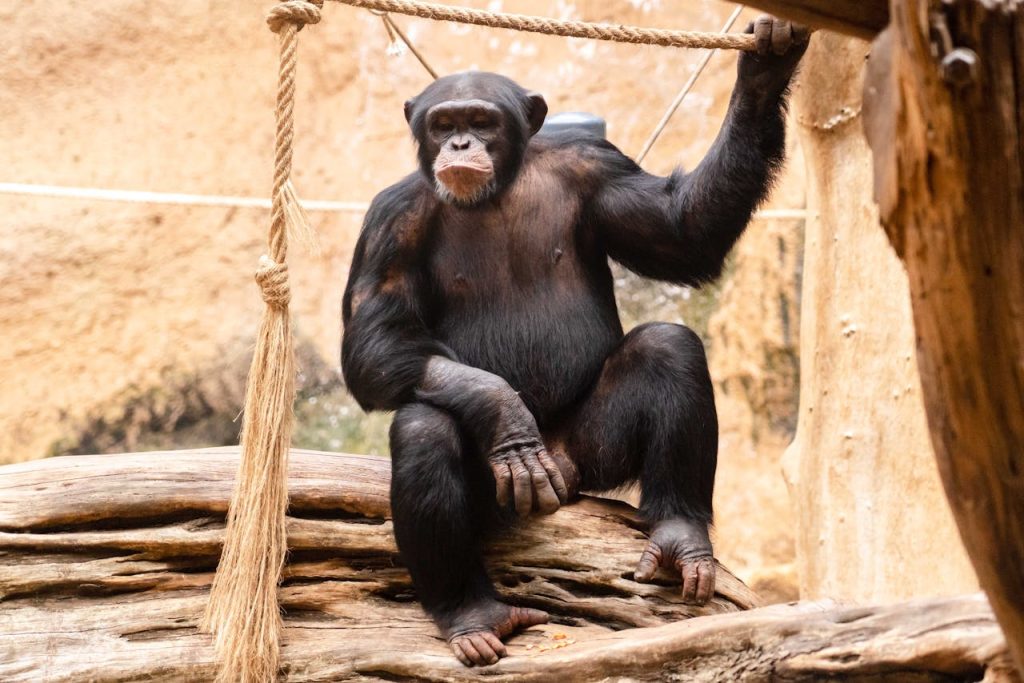
Many classic animal cognition tasks rewarded speed or repetitive accuracy, but did not capture what happens after conflicting evidence appears. Newer paradigms are better at separating raw performance from adaptive correction, which is where chimp behavior becomes especially informative.
Once studies began measuring rechecking, evidence seeking, and strategic switching, a richer pattern emerged. The implication is direct: part of the old underestimation came from method design. Better questions are now producing better answers about what chimp minds actually do.
Intelligence Works Better as a Profile
The ranking model of intelligence is increasingly hard to defend. Chimpanzees do not need to mirror human cognition in every domain to show advanced reasoning in their own ecological and social niche. Evidence-sensitive updating, uncertainty tracking, and flexible exploration are all meaningful competencies.
A profile model fits the data better: different species show different cognitive strengths, shaped by their lived demands. Under that model, chimps are not reduced versions of humans. They are intelligent in ways that are coherent, measurable, and increasingly well documented.
Why This Reframe Matters Beyond Labs
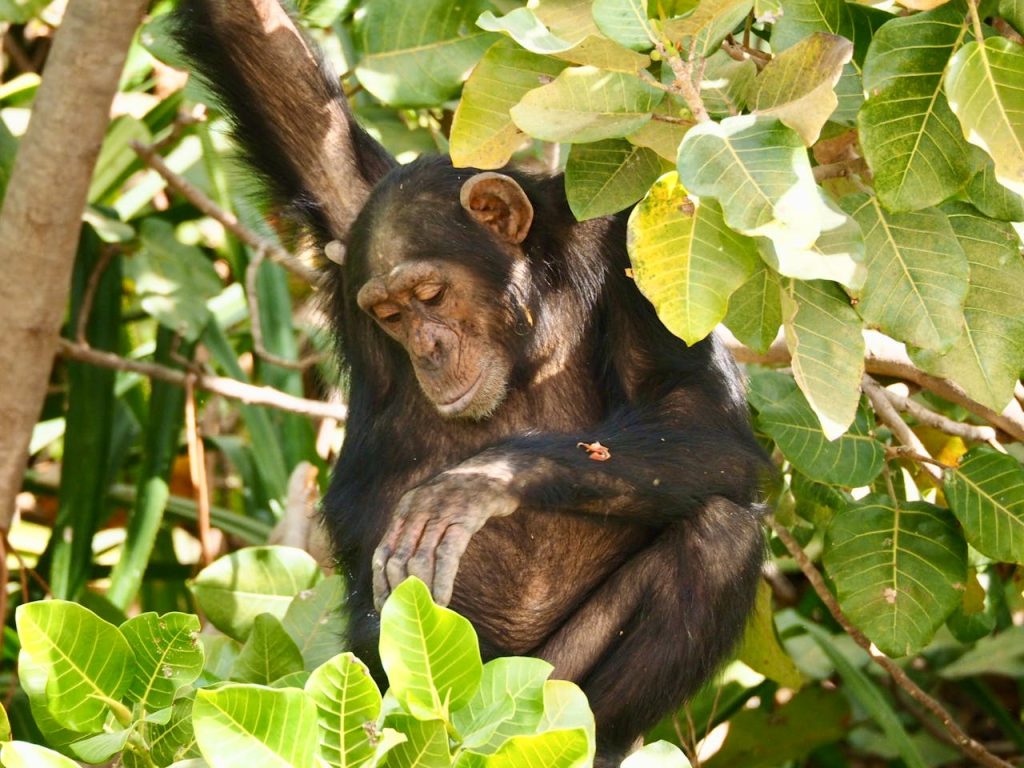
Definitions influence decisions. When intelligence is treated as narrow and human-only, welfare standards and policy language often lag behind behavior evidence. As chimp data on belief revision and uncertainty monitoring grows, the ethical conversation gains stronger empirical footing.
This does not require exaggeration. It requires accuracy. The clearer the science becomes, the harder it is to maintain simplistic assumptions about what chimpanzees can and cannot do mentally, and the easier it becomes to build care standards that match observed cognition.
Seen together, the findings point to one durable idea: a mind that rechecks, updates, and improves decisions after new evidence is not a lesser mind. It is a working mind. As chimp research sharpens, intelligence looks less like a trophy category and more like a living practice of adaptation, one that appears across species in different but deeply recognizable forms.