

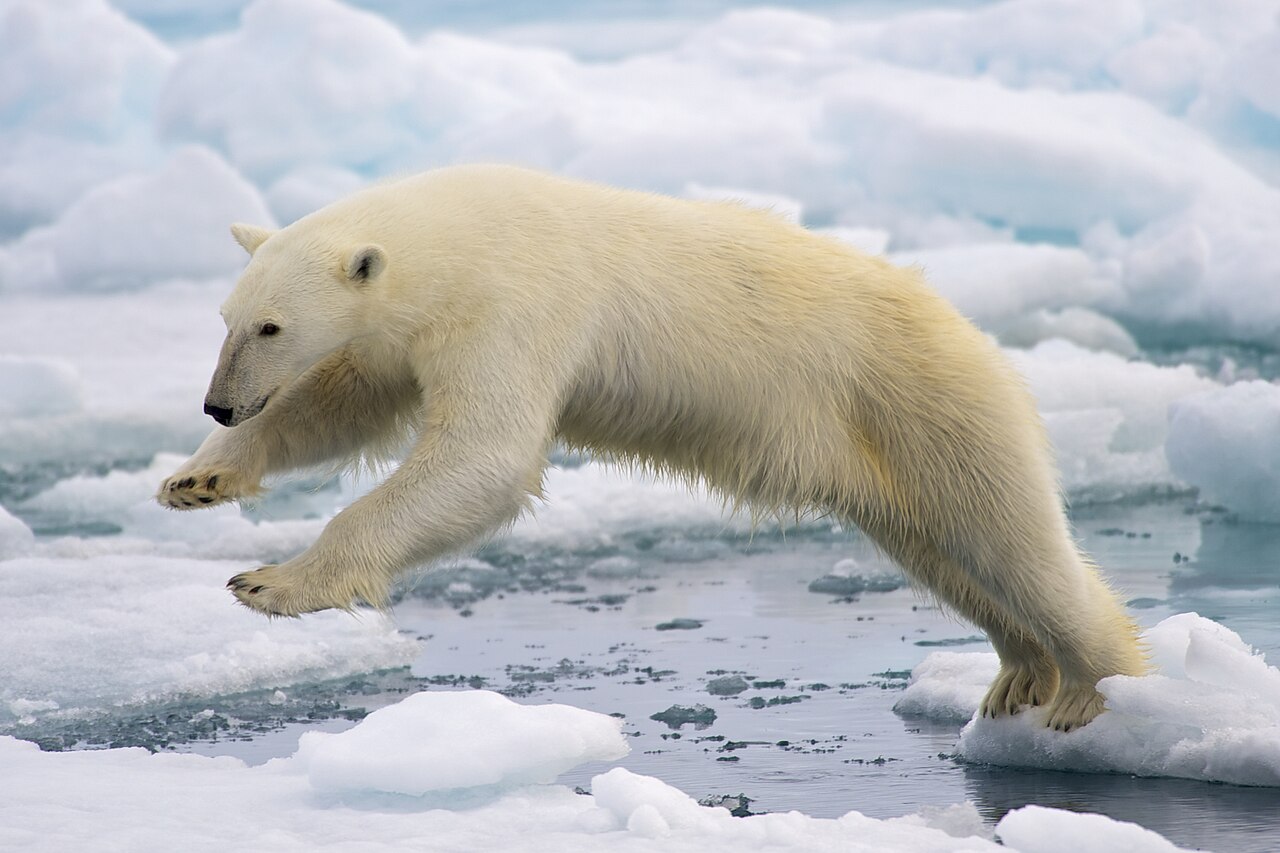
A few headlines have tried to turn one surprising field result into a happy ending: some polar bears near Svalbard, Norway, look heavier than they did decades ago.
Researchers examined 1,188 measurement records from 770 adult bears captured 1992 to 2019 and found that condition fell into the mid-1990s, then improved after about 2000, despite a shorter ice season. Climate and wildlife scientists caution that this is short-term buffering in one region, not a species-wide reversal, and it does not change the core rule: polar bears depend on sea ice to hunt efficiently. As ice-free weeks add up, that buffer fades quietly. Fast.
Svalbard Is A Special Case
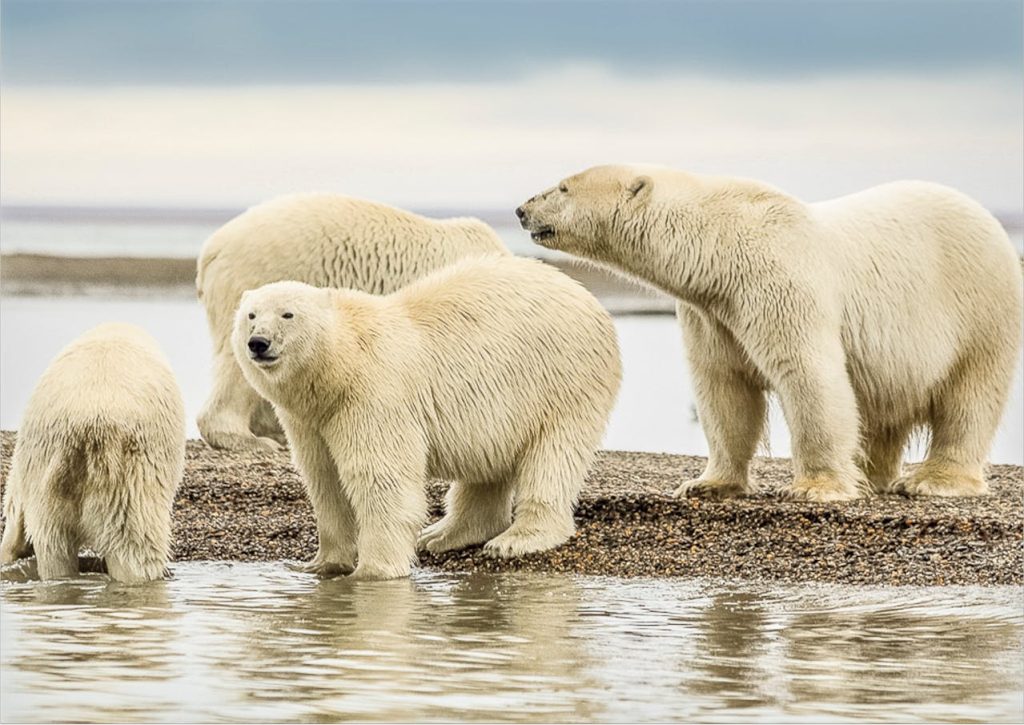
Svalbard bears live at an unusual crossroads of sea ice and open coastline, so their options can look wider than in many Arctic regions.
In the Scientific Reports analysis, adults here held or improved fat reserves after about 2000, even as average sea-ice access dropped by roughly two months from 2000 to 2019. The authors and outside experts stress the boundary: this is short-term buffering in one place, not a blanket claim about polar bears everywhere. Other studies have linked ice loss to weaker condition and population stress in different regions. Headlines flatten that nuance, and the wrong lesson spreads fast. Too.
Body Condition Is Not A Forecast
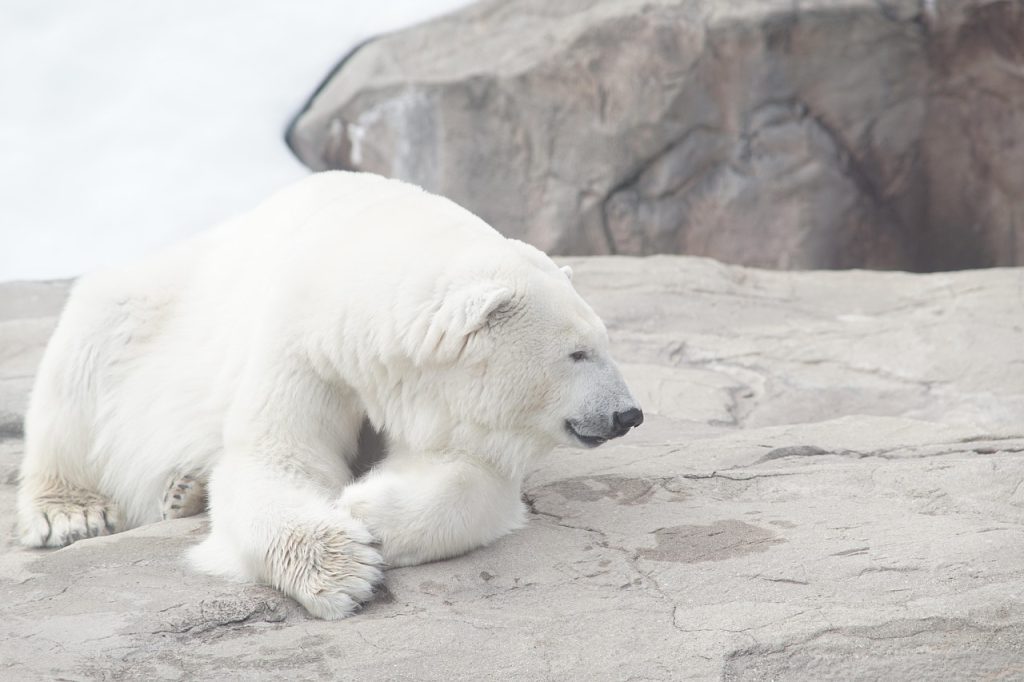
Body condition can sound like the whole story, but it is one measure taken at one point in a long seasonal cycle.
The Svalbard work focuses on spring captures in March to May and tracks a body condition index from 1,188 measurements of 770 adults over 1992 to 2019. Scientists emphasize that strong spring fat does not guarantee stable cub survival, steady reproduction, or long-term numbers, because longer ice-free stretches can push the toughest tradeoffs into late summer and winter. Those effects often show up with a delay, after several warm years stack together. By the time adults look thinner, the trend can already be set.
A Wider Menu Buys Time
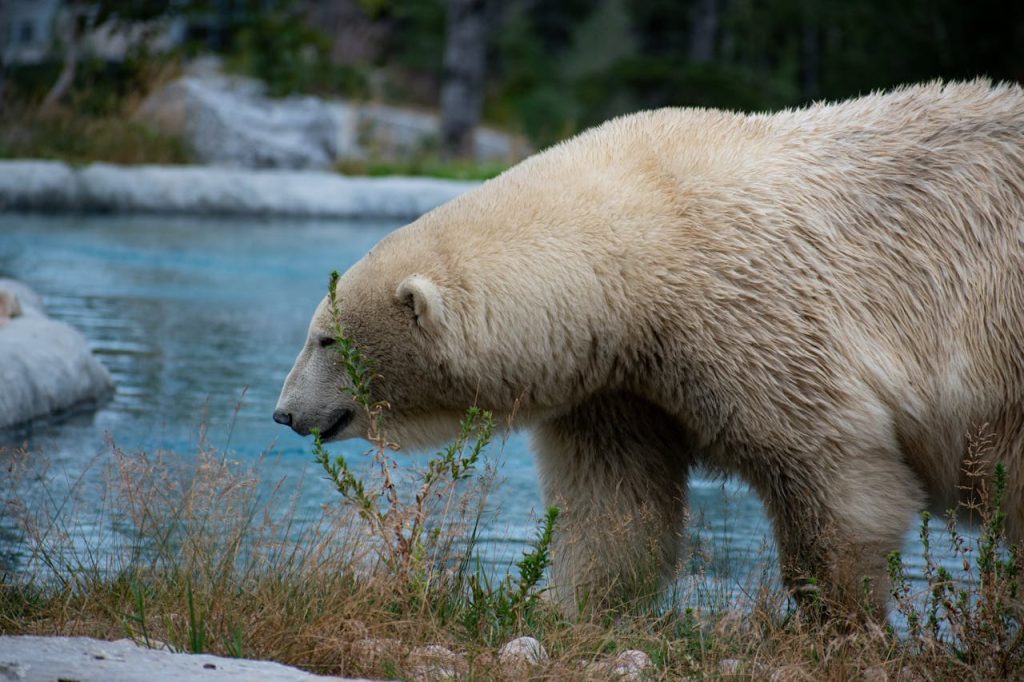
Svalbard sits near rich waters, and recent decades brought more options on land and along the shore.
Researchers suggest that recovering reindeer, walrus, and harbor seals can help some bears compensate when sea ice arrives later or breaks up earlier, and some individuals keep small home ranges that cut travel costs. That flexibility matters, but it has limits: land foods are seasonal, patchy, and lower in energy than a steady seal hunt on stable ice. Scientists describe this as a buffer, not a replacement. As the ice season shrinks, the menu cannot expand forever. When storms hit or the coast freezes, those easy calories vanish.
Shorter Ice Seasons Raise The Cost
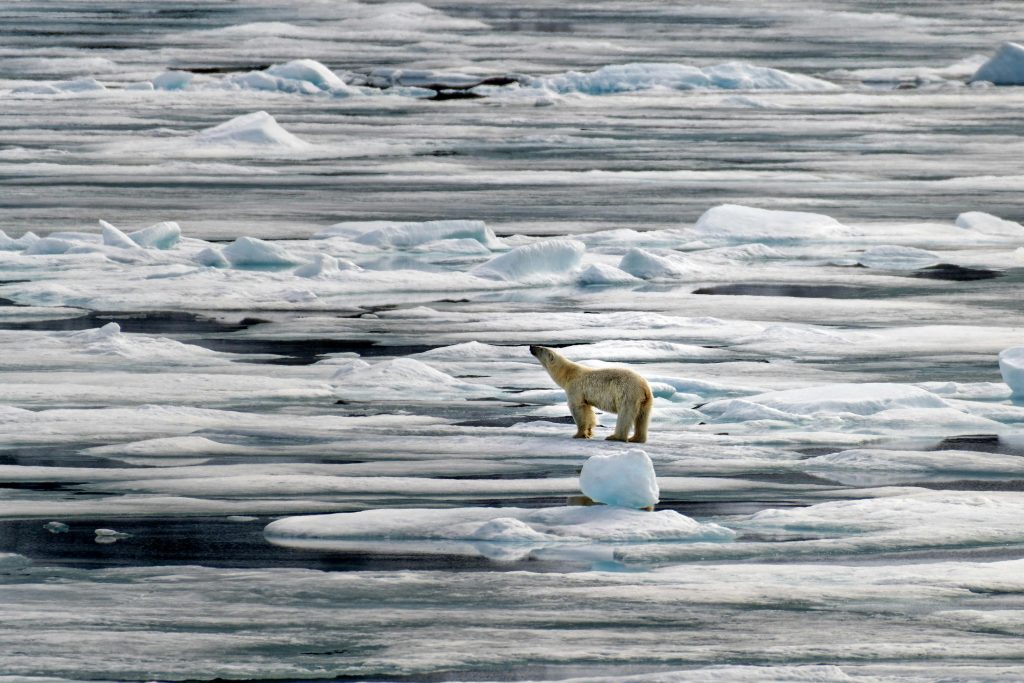
Sea ice is not just scenery for polar bears. It is the hunting floor where seals are most reachable and where calories come in quickly.
In Svalbard, the study estimates about two months less ice access from 2000 to 2019, pushing bears to spend more time on land as ice-free weeks grow. Each extra day ashore means more stored fat burned with fewer chances to rebuild it, especially for females that must bank energy for denning and nursing. Scientists warn the shift is nonlinear: small losses feel manageable until a threshold is crossed, then survival and reproduction can slide quickly. A good decade does not cancel the trend line.
Concentrated Seals Can Look Like Success
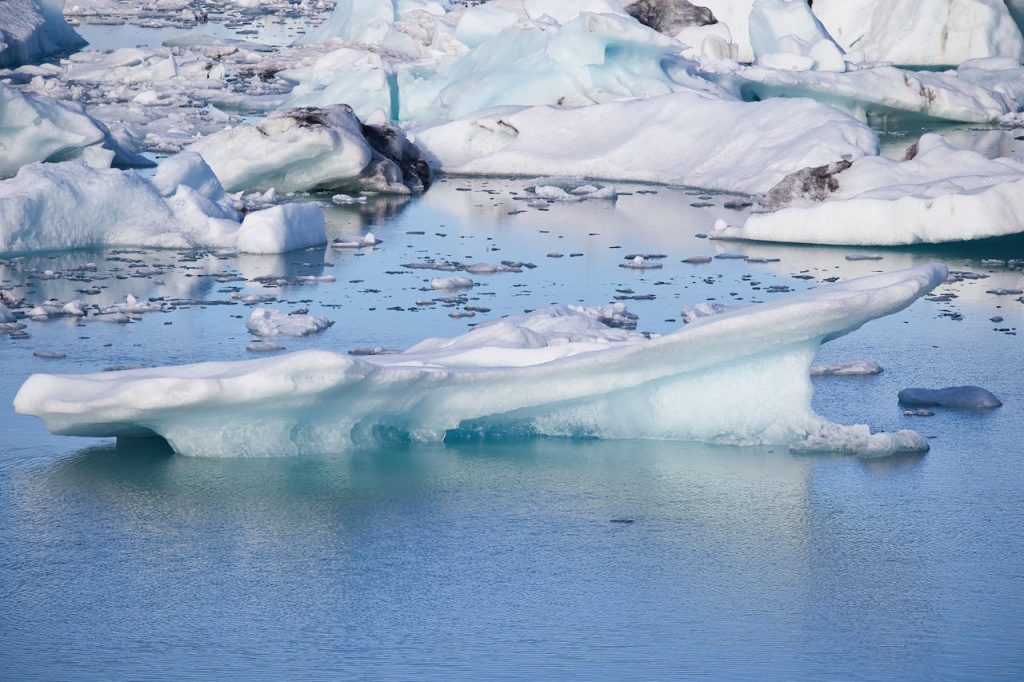
One hypothesis behind the Svalbard surprise is uncomfortable: shrinking ice can briefly make hunting look easier.
When ringed seals crowd onto fewer, smaller floes, bears may encounter prey with less searching, and that can show up as higher fat reserves in spring. Scientists caution that this is a stress signal in the food web, not a rescue plan. If floes keep thinning and breaking earlier, the same dynamic flips from convenience to scarcity, because concentrated prey only helps while there is enough stable ice to hold both hunter and meal in place. Once that footing fails, the season closes early year after year. Too.
Mothers And Cubs Feel It First
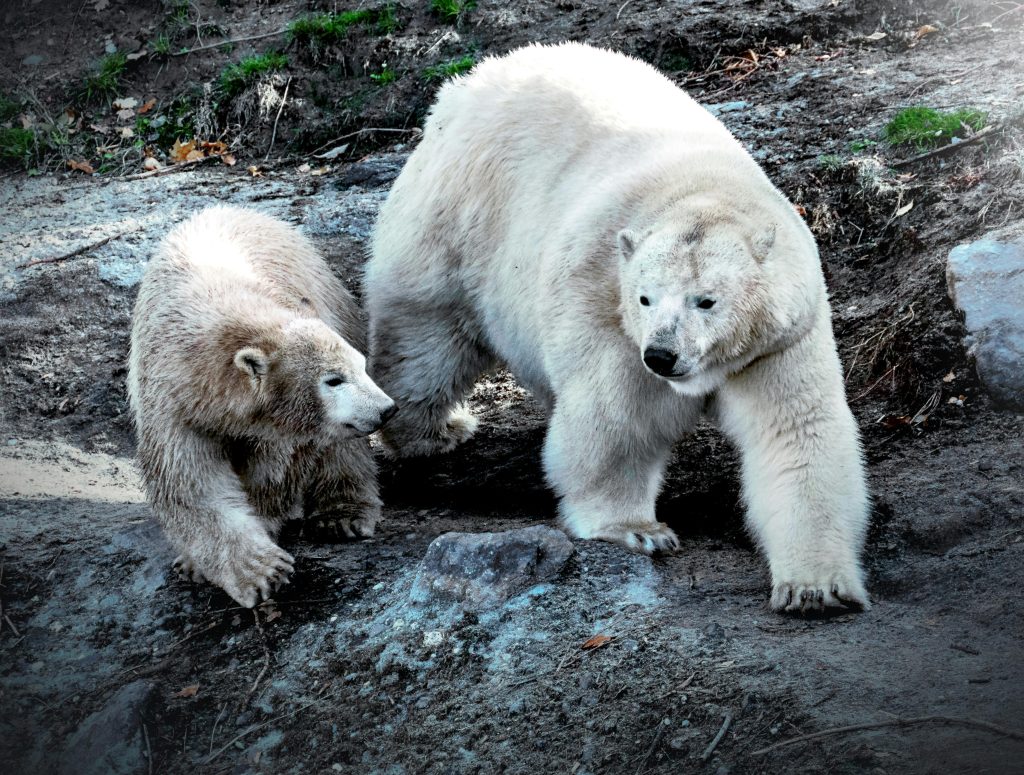
Adult bears can look fine while the hardest costs show up in reproduction, because pregnancy, nursing, and denning run on stored fat.
Observers in Svalbard report mothers still raising cubs, but biologists watch for quieter signals: later den entry, shorter nursing windows, and fewer chances to hunt well before winter. Scientists note that cubs are less forgiving of a long ice-free stretch than adults, and polar bears reproduce slowly, so lost years are hard to replace. A run of warm seasons can thin the margin first for families, and only later for the larger animals that make headlines. By then, recovery is slow and uncertain.
Ice Quality Matters As Much As Days
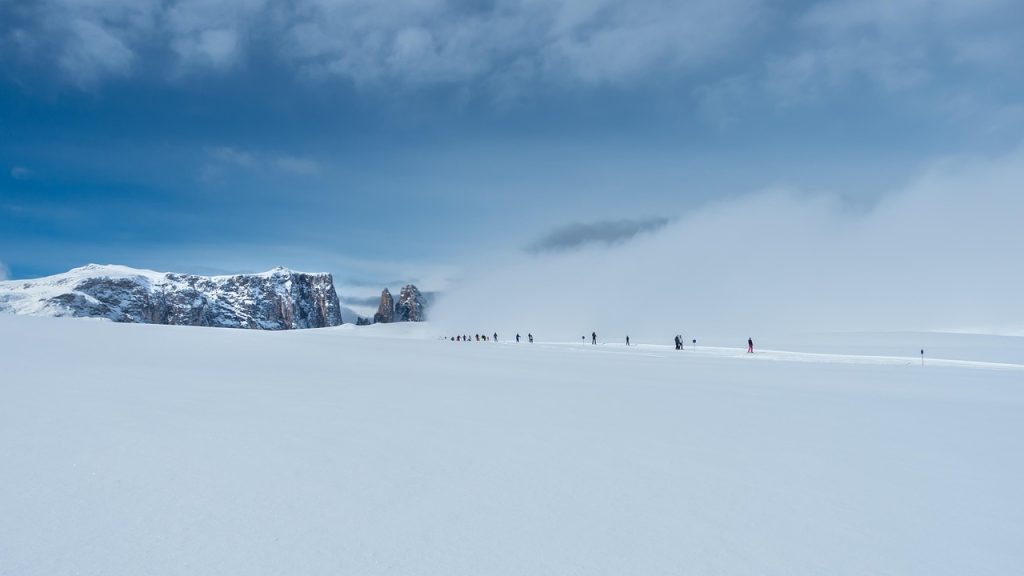
Counting ice-free days is useful, but it can hide the detail that matters to a hunter: whether the remaining ice is thick, stable, and predictable.
Researchers link Svalbard condition to changing access, yet they also point out that bears now spend more time on land and must time their return to ice carefully. Thin, mobile ice can break under wind and swell, forcing longer swims and longer detours, which burn energy without adding food. Climate scientists say this is how ice loss catches up fast: not only fewer days, but worse days, arriving in clusters that strain even the most flexible subpopulations. Svalbard may be first.
Why Thriving Is The Wrong Word
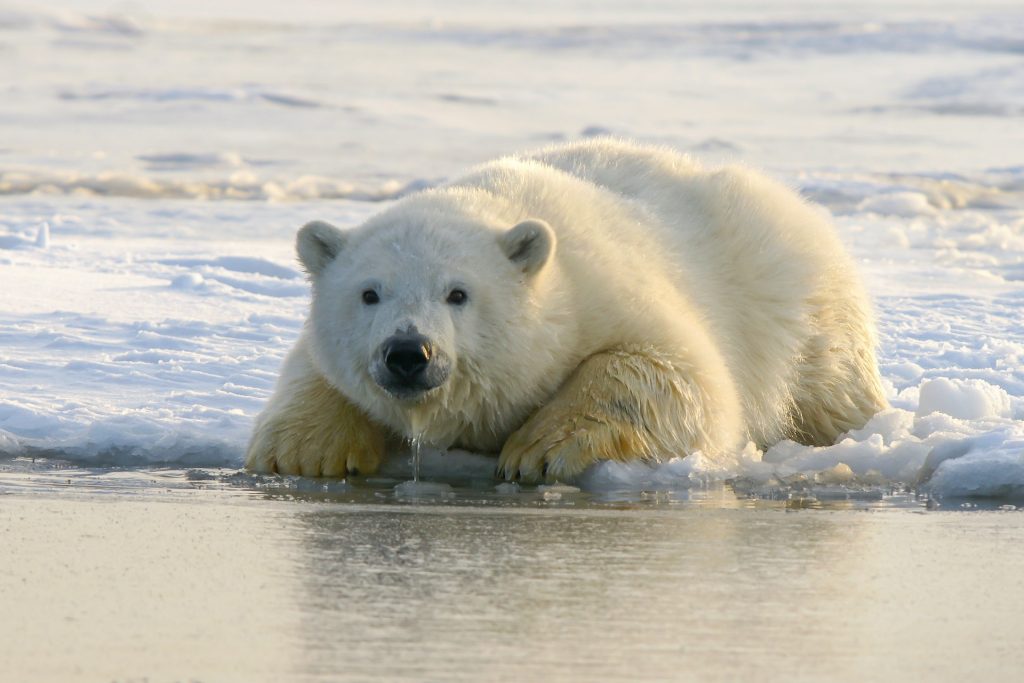
The word thriving sounds tidy, but it blurs what scientists actually say when they look at Svalbard and the Barents Sea.
A joint Norwegian-Russian survey estimated about 2,650 bears in the Barents Sea population, and recent work suggests adult condition has held up so far in Svalbard. Even the researchers frame that as short-term buffering, not safety. Sea ice is still shrinking, and no genetic shift has been shown. Buffering is a pause, not a cure, so a run of good body scores can sit beside rising risk. The surprise is real, but the limits are, too. When coverage skips that nuance, public trust and policy choices drift.
The Svalbard bears offer a lesson in nuance: nature can improvise, sometimes impressively, when conditions shift.
But improvisation is not immunity. The science behind the surprise also points back to the same foundation: sea ice. When that foundation keeps thinning and shortening, even the most adaptable population runs out of room to maneuver.
Leave a Reply