

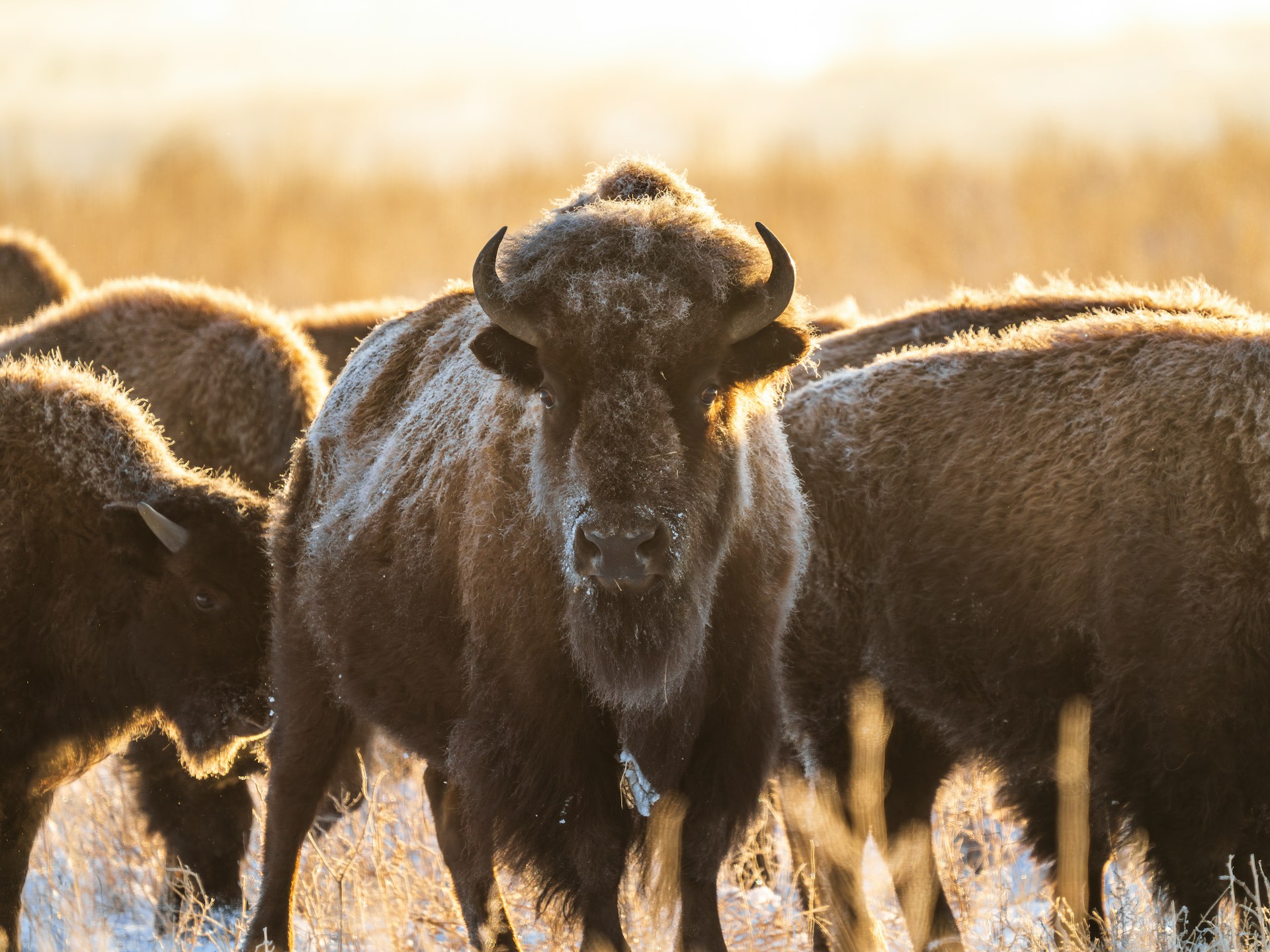
Across North America, bison are returning to prairie landscapes that once moved with their migrations, wallows, and selective grazing. The comeback carries real ecological promise, and it carries deep cultural meaning for many Tribal Nations and local communities rebuilding long-broken relationships with buffalo.
Still, conservation teams warn against miracle thinking. Grasslands are living systems with long memory, and recovery is rarely immediate. Even with animals back on the land, plant communities, soils, water, and habitat structure often respond in stages that unfold across years, not a single season or headline cycle.
Soil Memory Outlasts Animal Return
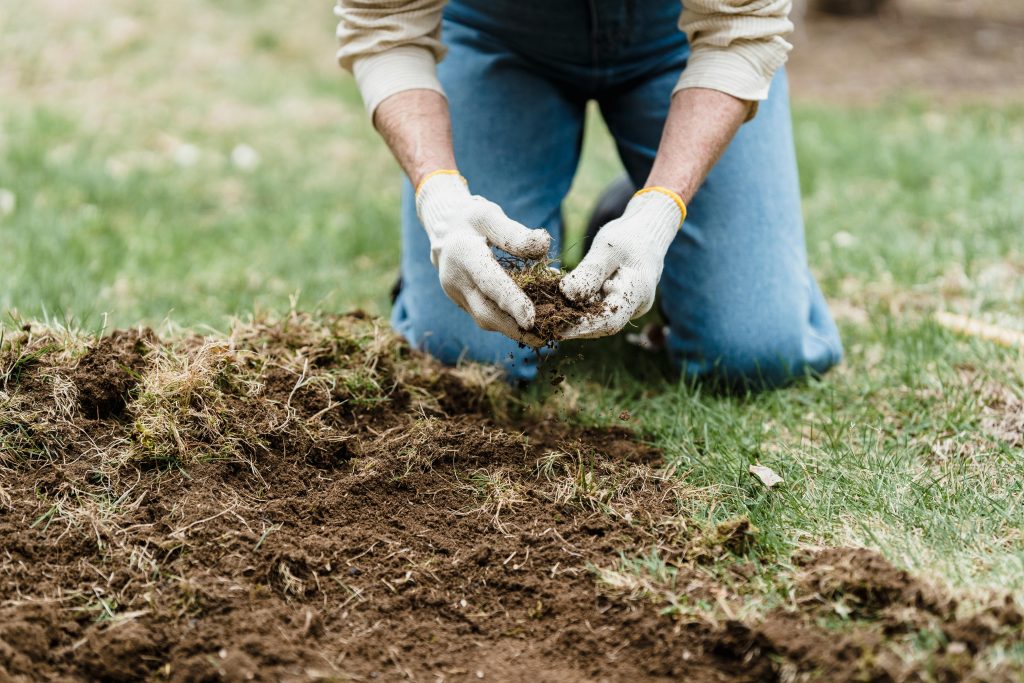
Bison can rapidly change how grass is clipped and trampled, but soils carry older damage from plowing, overuse, and altered vegetation. Prairie research shows reconstructed sites can remain biologically weaker than remnant prairies for decades, especially belowground where microbes drive nutrient cycling and plant vigor.
That lag matters because roots and microbes set the pace for everything above them. A herd can restart key processes, yet it cannot erase a century of soil simplification in a few growing seasons. Early visual greening may look dramatic while deeper recovery is still catching up, and belowground gains stay gradual.
Native Seed Webs Were Broken Long Ago

Many restoration sites no longer hold the same native seed reservoir they once did, so desirable species do not simply rebound when grazers return. Field guidance from conservation plant programs notes that producing local ecotype seed can take years and that limited grower capacity keeps supply tight and expensive in many regions.
At the same time, invasive grasses can lock disturbed ground into low-diversity patterns and complicate management choices. Bison help create heterogeneity, but they do not automatically outcompete entrenched invasives. Recovery usually needs seeding plans, follow-up control, and repeated monitoring.
Fire And Grazing Need Each Other

Classic prairie studies show fire and grazing interact, and the ecological result changes with burn frequency, patch size, and time scale. When those patterns are simplified, either by uniform burning or rigid grazing layouts, bison cannot produce the full mosaic of structure that many grassland birds, pollinators, and plants depend on.
What this means on the ground is straightforward. Returning bison without a matched fire strategy can stall diversity gains or shift them unevenly. Restoring process, not just animals, is the real target, and process restoration takes design, labor, seasonal timing, and long-term commitment.
Fences Keep A Wide-Ranging Grazer In Fragments
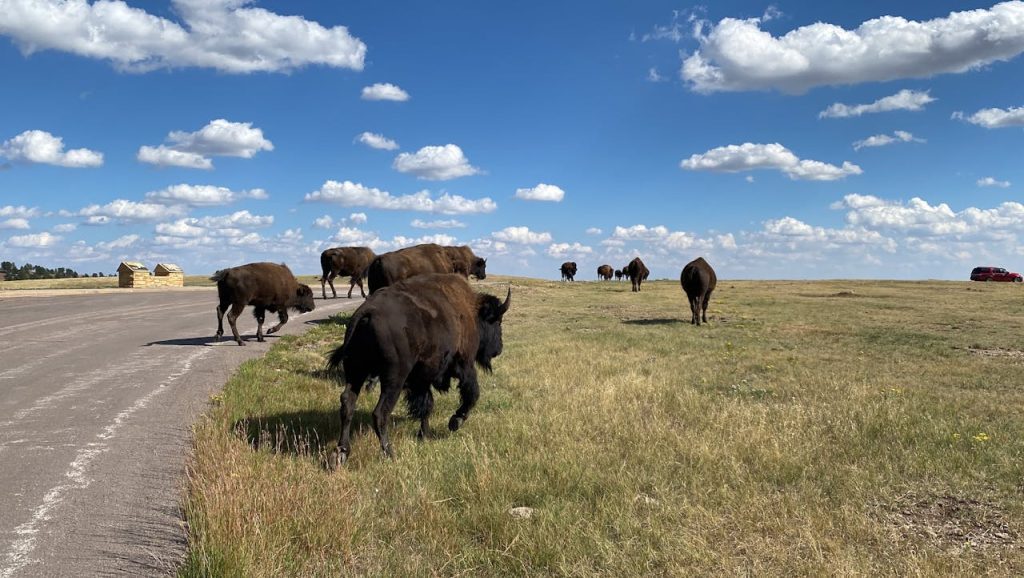
Bison evolved as wide-ranging grazers, yet modern landscapes are sliced by roads, rail lines, parcels, and especially fences. New modeling across the U.S. and Canada found high potential fence density in many central regions, including places that otherwise look suitable for bison habitat on coarse human-impact maps.
That mismatch is a restoration trap. A herd may be present, but movement can still be constrained enough to flatten ecological effects across space. Fragmentation also limits access to seasonal forage and water, reducing the very variability that once let bison shape resilient prairie mosaics over large ranges.
Climate Extremes Can Overpower Early Gains

Grasslands now recover under a harsher climate baseline than the one many restoration models assumed. A 2024 global drought experiment in grasslands and shrublands found that losses in aboveground plant growth were 60% greater under extreme short-term drought than under less severe drought scenarios.
That finding helps explain why some bison projects show uneven progress year to year. Heat waves, dry spells, and erratic rain can cut forage, disrupt plant recruitment, and compress habitat structure before gains stabilize. Recovery still happens, but timelines stretch and outcomes become less predictable across the same landscape.
One Herbivore Cannot Rebuild A Full Food Web
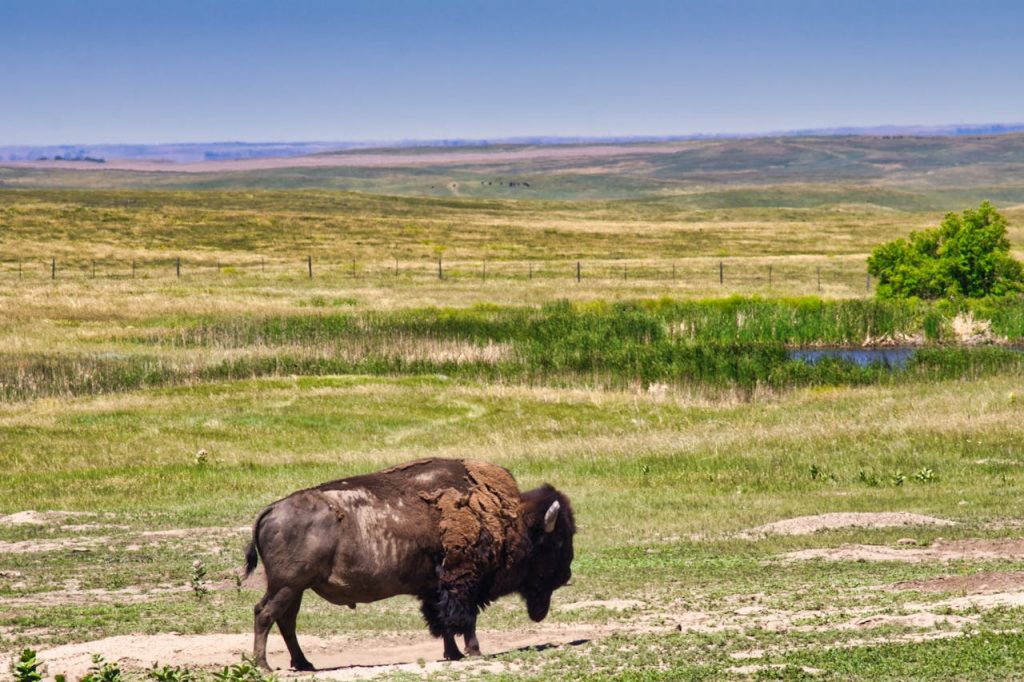
Bison are keystone grazers, but grassland function depends on networks, not one species. Research on mixed-grass prairie highlights strong bison and prairie dog interactions, while other studies show bison reintroduction can boost indicators such as riparian bird diversity, rather than transform every metric at once.
This is why restoration teams track multiple taxa and processes instead of waiting for one dramatic signal. Pollinators, soil biota, small mammals, and birds often respond on different clocks. A herd can restart momentum, yet whole-food-web recovery usually arrives as layered change, not a single reset button.
Culture, Governance, And Time Are Ecological Forces Too

Bison restoration is ecological work and governance work at the same time. Federal strategy documents now frame shared stewardship with Tribal Nations as central to ecocultural restoration, acknowledging that durable recovery depends on partnerships, land access, and locally grounded decisions, not generic plans.
That social dimension affects ecological speed. Herd expansion, genetic management, fencing changes, and cross-jurisdiction agreements all take coordination, trust, and funding cycles. When those pieces align, outcomes improve. When they lag, grassland recovery lags with them, even if animals are back on prairie ground.