

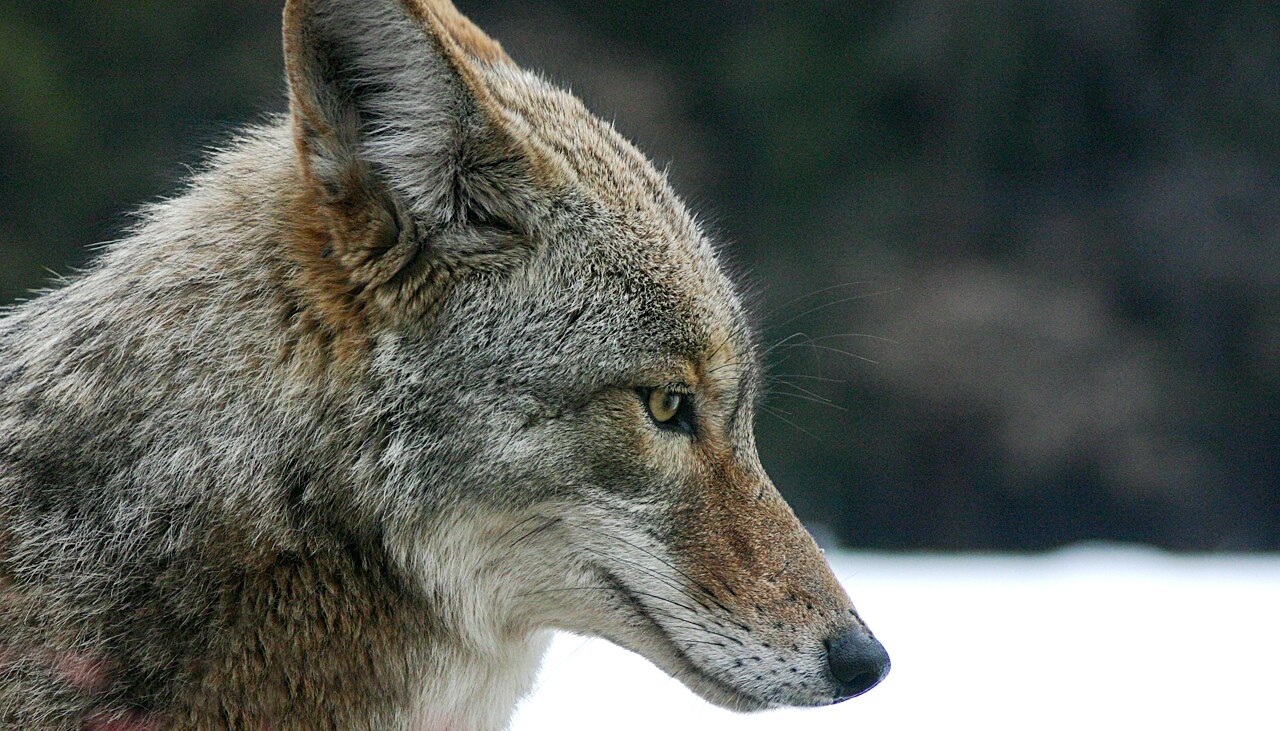
A coyote stepping into a backyard can jolt a quiet evening, even when the animal is only cutting through on a familiar route between creek beds and neighborhood green space after dark.
Most conflicts begin with small rewards that go unnoticed at first, like a loose trash bag, spilled bird seed, a porch bowl of kibble, ripe fruit on the ground, or a cat outside at dusk.
Wildlife specialists note that coyotes learn patterns fast, especially in late winter and spring, so the safest response removes payoffs, keeps distance, and uses calm deterrence until the yard stops feeling dependable for the animal and for the block.
Leaving Pet Food Or Bird Seed Out Overnight
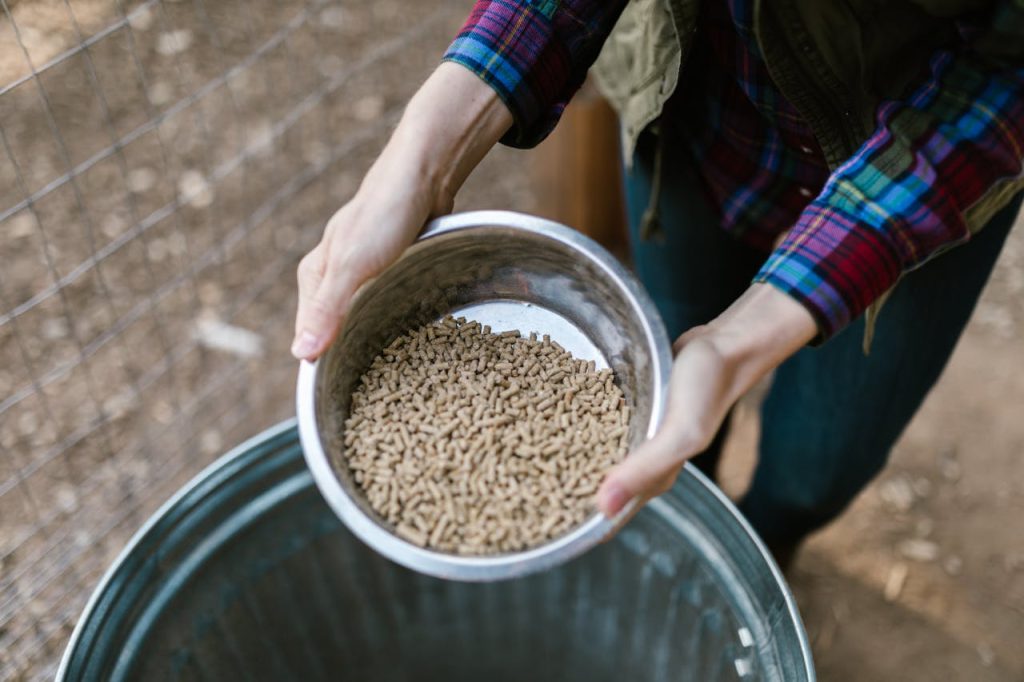
Outdoor food is a fast lesson for a coyote, and a porch bowl, an open bag of kibble in the garage, grill drippings, suet crumbs, spilled seed, or fallen fruit can turn one yard into a reliable stop night after night.
Urban coyotes take the easiest calories first, and during dry spells even uncovered pet water or a leaky sprinkler can pull them closer to houses because the route offers both food and a drink.
Experts recommend feeding pets indoors, cleaning under feeders, storing seed in sealed bins, latching compost, wiping grills, and clearing fruit daily so the only lesson left is that yards are not worth the detour.
Approaching For Photos Or Trying To Chase It By Hand
Closing the distance for a photo is a common mistake, because a coyote that is simply passing through can feel cornered when a person follows, crouches, uses flash, or blocks the path to cover.
In late winter and spring, territory and den sites can make adults less willing to retreat, and repeated close encounters teach that people are not a reason to leave, which is the opposite of what neighborhoods need.
Experts suggest staying back, bringing kids and pets indoors, and letting the animal choose a clear exit while claps, a steady shout, or a banged pot from a safe spot encourages it to keep moving without a chase.
Letting Cats And Small Dogs Roam Unsupervised
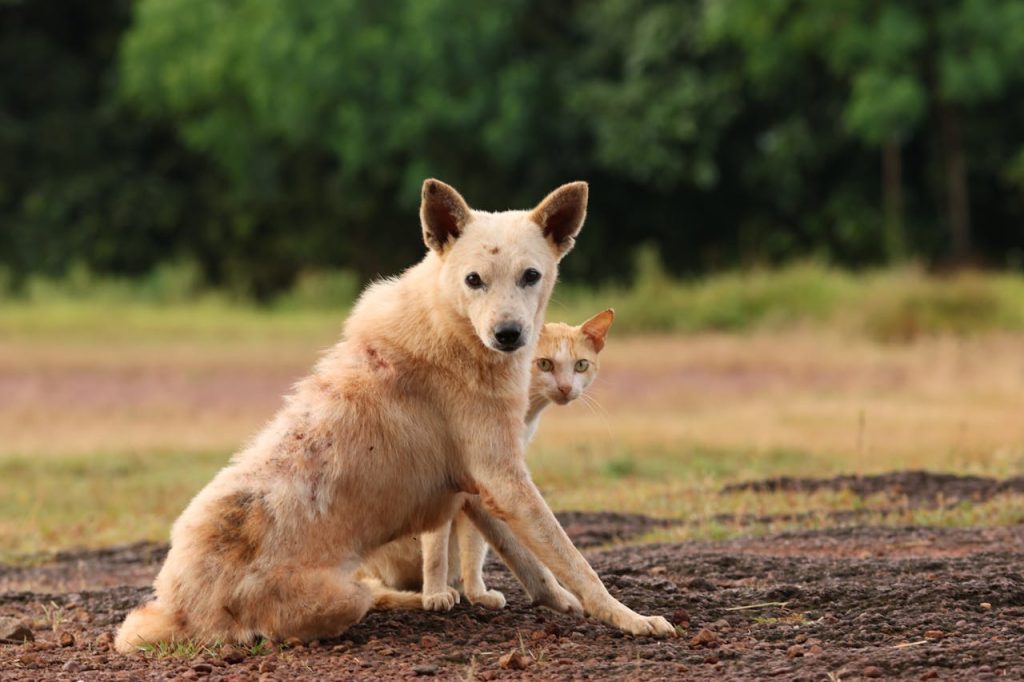
Unsupervised pets are where a quiet sighting can turn serious, because coyotes may view cats and small dogs as prey and may challenge larger dogs that charge a fence line, bark, and then meet at a gate gap.
Dusk and dawn are common movement windows, and a predictable routine, like the same quick backyard break at 10 p.m. or a pet door that stays open overnight, is easy for a smart animal to map.
Wildlife experts recommend keeping cats indoors, leashing dogs for short outings after dark, and supervising every yard visit until the area stays quiet for several days, since consistency is what breaks the pattern for good.
Feeding It Or Leaving Scraps As A Peace Offering

Offering scraps can feel like a peace gesture, but experts flag it as the fastest way to create a food conditioned coyote that returns on schedule, waits near people, and tests porches for another handout.
The bigger issue is what the animal teaches the rest of the family group, because pups learn that homes mean easy meals, and that lesson spreads through the neighborhood faster than most people expect.
Specialists advise removing attractants instead, documenting repeat visits, and reporting intentional feeding when it becomes routine, since many towns ban it and because predictable feeding drives bolder behavior over time.
Freezing, Running Away, Or Letting It Linger Unchallenged
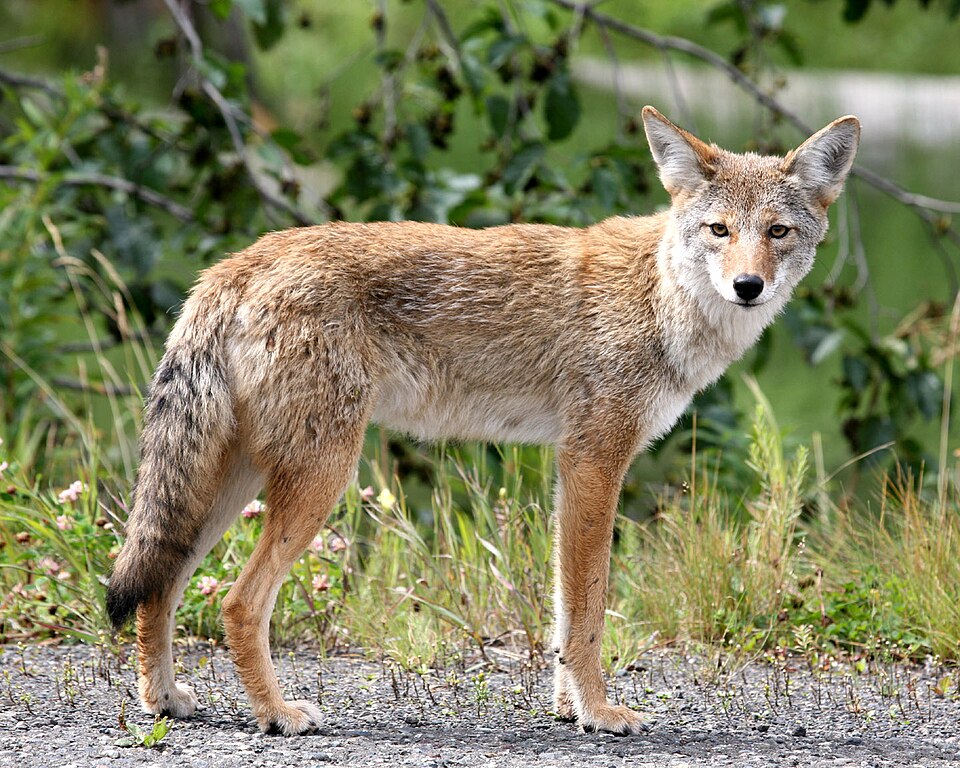
A quick glimpse near the fence is normal, but a coyote that lingers and watches is collecting information, and silence, freezing, or a fast retreat can reward that bold pause and teach that people yield space.
Wildlife specialists often recommend calm hazing when distance allows, because the goal is to make the yard feel uncomfortable and unpredictable, then let the animal leave on its own without creating a chase.
Clapping, banging a pot, using an air horn, or spraying a hose can help, paired with a steady voice and posture, and stopping too soon is the mistake, because the coyote learns that waiting it out works later.
Using Flimsy Trash Cans Or Leaving Bags By The Curb
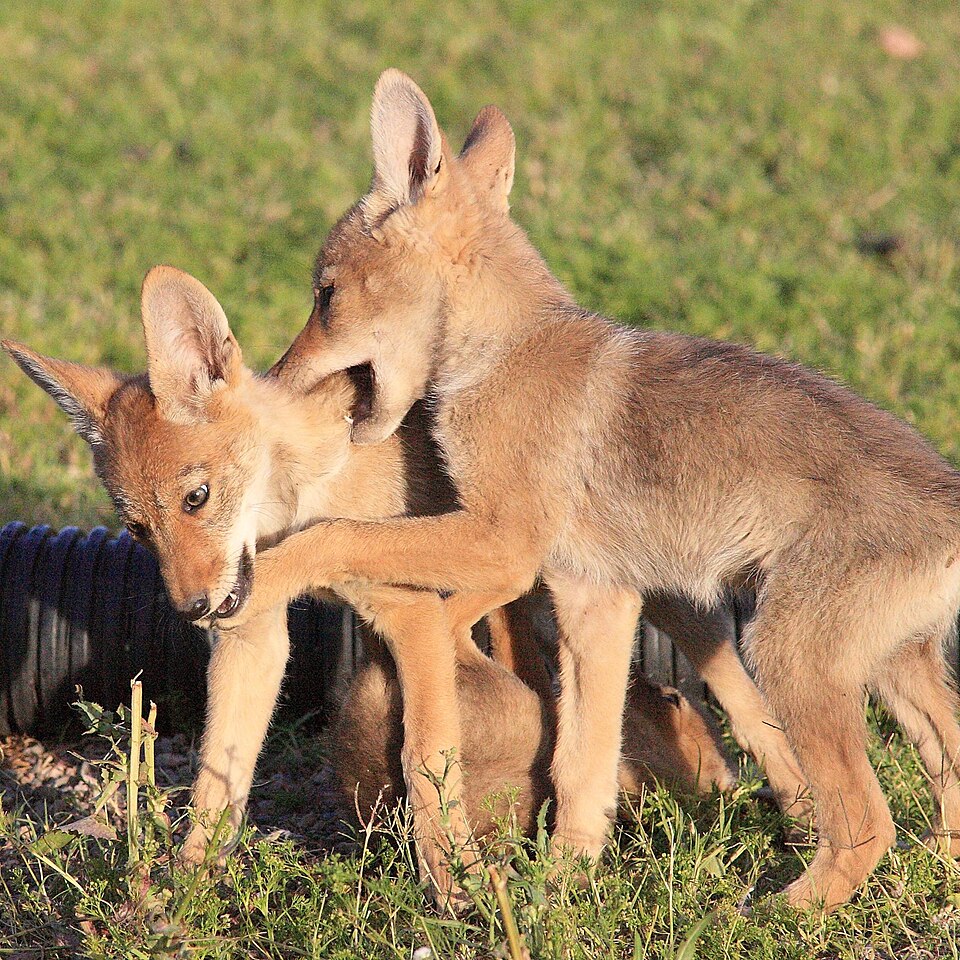
Garbage is an easy reward, and one torn bag can reset behavior for weeks, especially when trash sits out overnight, bags are left by the curb, greasy takeout is set beside the bin, or lids are left loose on pickup nights.
Once coyotes learn a schedule, the same route can pull in raccoons, skunks, and rats, and spilled garbage liquid on pavement can keep the scent alive long after the bin is gone.
Experts suggest wildlife resistant cans or bungees, rinsing containers, freezing strong scraps until pickup, double bagging meat and bones, sealing pet waste, and putting trash out in the morning, not the night before when possible.
Ignoring Fence Gaps, Low Spots, And Easy Cover
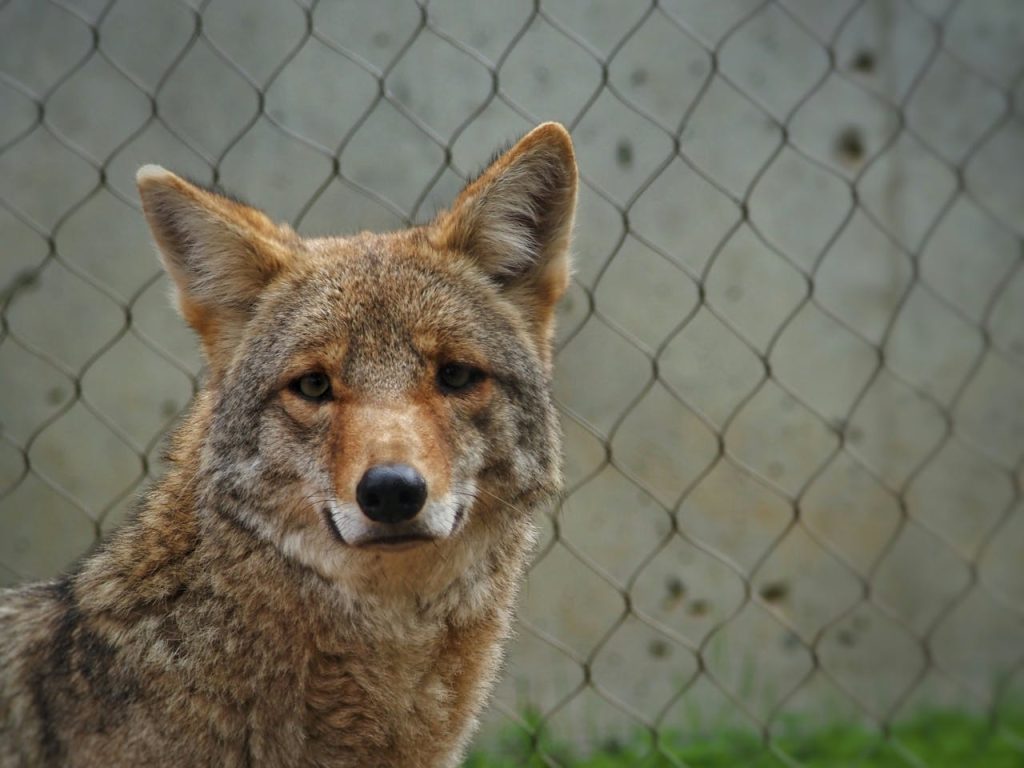
U/pexels
Coyotes do not need a wide opening, and a loose gate, a low corner where soil washed out, or a gap under a deck can become an easy in and out route that feels safer than the street and gets reused.
Dense shrubs, brush piles, and tall weeds add cover, which turns a yard into a quiet corridor, so latching gates and clearing space under sheds and along fences helps remove the comfort.
Wildlife pros recommend walking fence lines, repairing gaps, trimming hiding spots, and using motion lighting near entrances at night, plus sealing crawl spaces and adding buried wire or a ground apron to reduce digging over time as seasons change.
Relying On Toxic Baits Or DIY Traps Instead Of Prevention
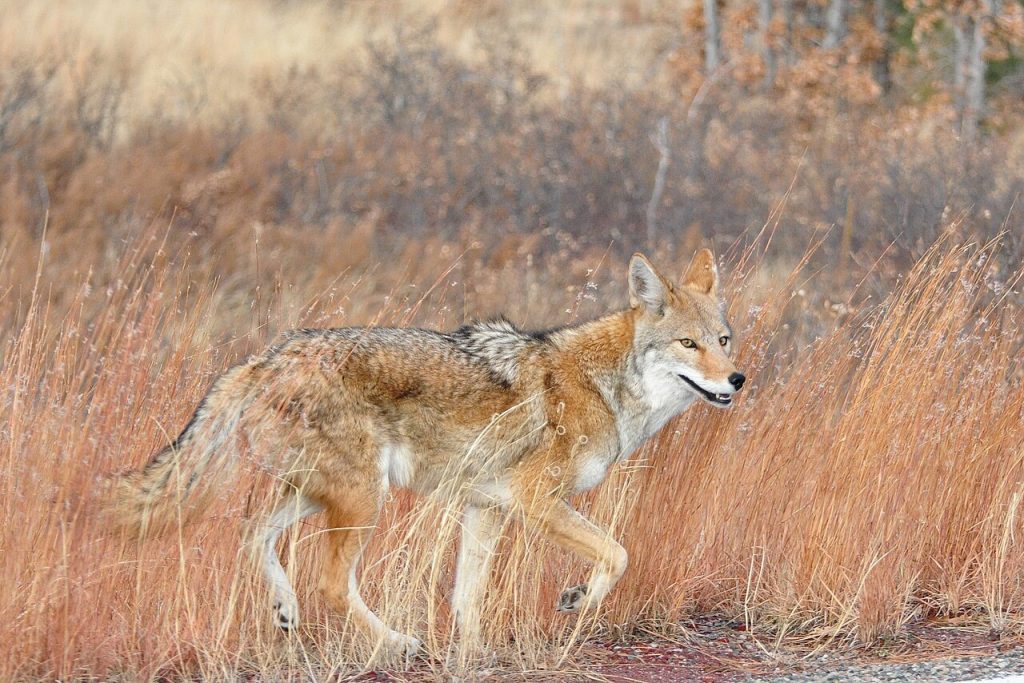
When a coyote appears, some households reach for toxic baits or home trapping gear, but experts warn these choices can injure unintended animals, including pets and raptors, and may violate local rules or create liability.
A stressed animal is also harder to manage than a healthy one that simply moves along, and the neighborhood still has the same food and cover that drew it in, especially near greenbelts.
Specialists push prevention first: remove attractants, supervise pets, and use consistent hazing when safe, then call local wildlife officers if a coyote refuses to leave, keeps returning in daylight, or shows unusual boldness.
Leave a Reply