

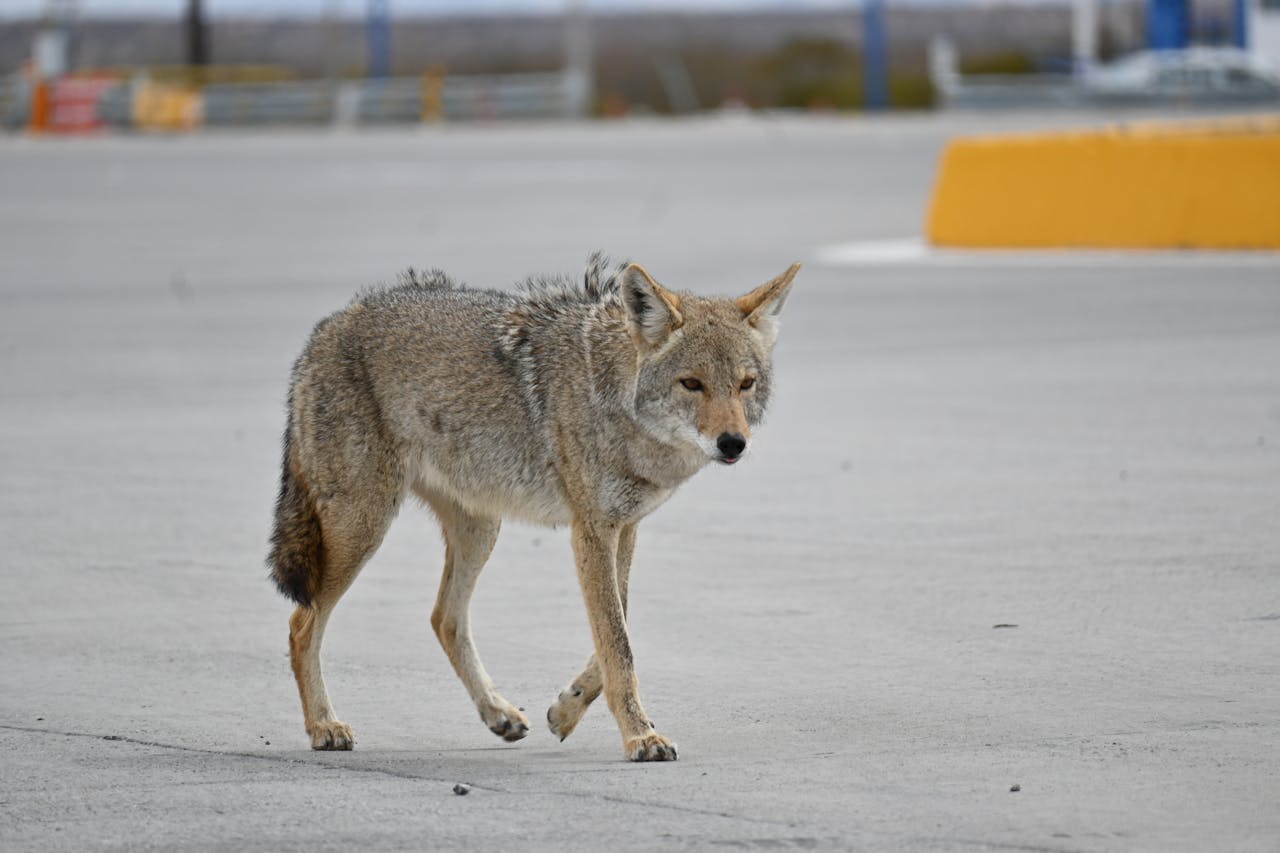
Coyotes are now part of ordinary life in a growing number of American neighborhoods, and wildlife agencies in several states keep repeating the same warning: small pets left alone outside are one of the easiest risks to prevent.
The states below stand out not because of one national scoreboard, but because official guidance there keeps coming back to the same pattern: adaptable coyotes, human food attractants, and pets that get too much unsupervised time in yards, alleys, and greenbelt edges
Why Coyotes Keep Showing Up Near Homes
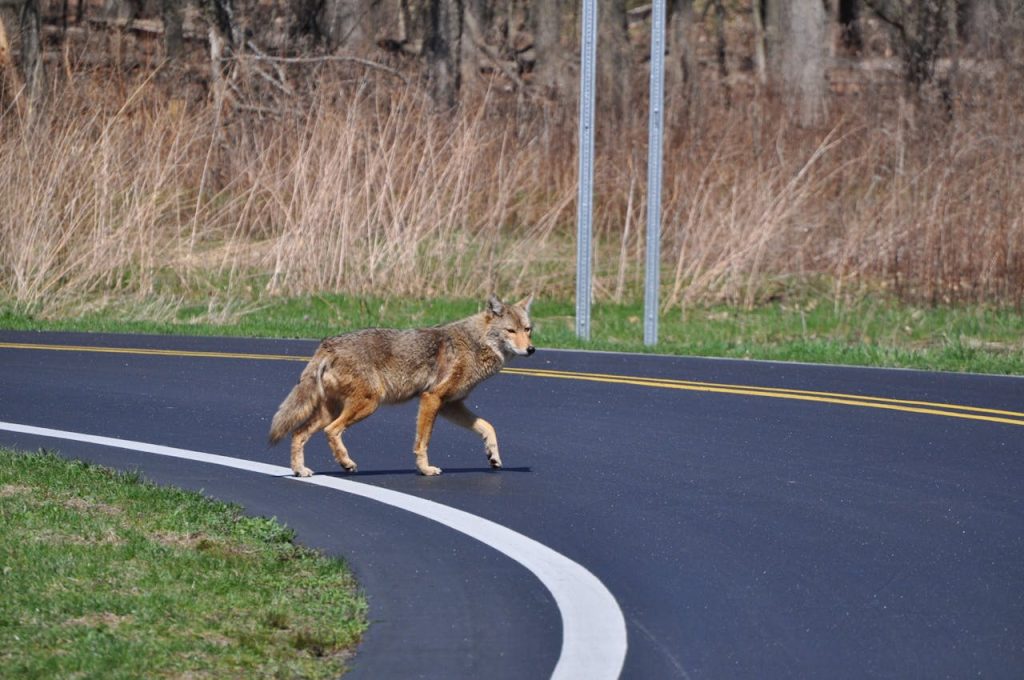
Coyotes thrive where food, water, cover, and paths meet, so fenced yards often feel safer than they really are. That false comfort creates risk.
Pet food bowls, fallen fruit, brushy corners, rodent activity, and open trash cans can turn an ordinary backyard into a hunting stop.
Once a coyote finds repeated rewards, it stops treating a neighborhood like a shortcut and starts treating it like part of its range.
Pet risk often grows quietly over time, long before anyone on the block thinks of the area as coyote country. The first warnings are easy to miss.
California Stays Near The Top
California keeps surfacing in coyote warnings because the state combines dense suburbs, park edges, dry hillsides, and easy urban food access.
In cities and quiet subdivisions alike, coyotes use greenbelts, flood channels, vacant lots, and canyon edges to move without much notice.
Small pets are especially exposed at dawn, dusk, and after dark, when yards feel calm but predators are often at their most active.
Many owners trust fences too much, yet coyotes can jump, climb, or slip through weak spots that barely look like openings at all.
Bird feeders can add to the problem by drawing rodents, and rodents help keep coyotes interested in the same spaces pets use every day.
Free-roaming cats face the clearest danger, but toy breeds left outside for even a few minutes can also become an easy opportunity.
The pattern in California is not only about wilderness nearby; it is also about how well coyotes adapt once neighborhoods reward them.
That is what makes the state feel like the clearest example of a predator learning that suburbia can work in its favor daily.
Arizona Makes The Risk Feel Personal
Arizona stands out because the danger feels direct and familiar, especially in neighborhoods where desert edges meet newer housing developments.
A tidy yard can still attract coyotes if it offers water, thick shrubs, fruit, pet food, or a steady stream of rabbits and rats.
That means people sometimes do almost everything right and still leave one opening that keeps drawing wildlife back to the same address.
The state also reminds owners that small dogs on long leashes are not automatically safe if a bold coyote has already lost caution.
Standard backyard fencing can create false confidence, because a six-foot barrier may not stop an animal that is athletic and determined.
Arizona’s hotter climate adds another layer, since outdoor pet water sources can become a dependable reward during warm parts of the year.
Once coyotes begin checking a yard for food and water, the jump to noticing cats or small dogs becomes uncomfortably short.
Colorado Shows How Seasons Change Behavior

Colorado is a strong example of how pet risk changes with the calendar, not just with neighborhood design or nearby open space.
During breeding and pup-rearing periods, coyotes can act more defensive, which means dogs may trigger responses people did not expect.
That matters in suburban areas where trails, drainage corridors, and decorative landscaping connect homes to the same routes wildlife already uses.
A dog sniffing near thick cover may feel harmless to its owner, but to a coyote it can look like pressure near an active den.
Colorado also shows how quickly repeated exposure can make coyotes bolder when nobody chases them off or removes easy attractants.
Texas Has Endless Edge Habitat
Texas belongs in this conversation because it offers huge stretches of suburban edge, brush, drainage land, and fragmented habitat coyotes use well.
Fast-growing metro areas often press into spaces coyotes already occupied, so conflict rises without the animal needing to change much at all.
Pet owners sometimes assume large lots mean lower danger, but more open ground can also mean more cover and easier movement after dark.
Outdoor feeding of pets or feral animals is a major issue, because it teaches coyotes that human spaces regularly produce calories.
Compost piles, unsecured trash, fallen pecans, and spilled seed may look minor on their own, yet together they build a reliable pattern.
Texas also shows that backyard risk is often a neighborhood problem, not just a single-home problem, because coyotes work a whole block.
Florida Catches People Off Guard
Florida often catches people off guard, because many owners expect alligators to be the main backyard threat. Coyotes get missed at first.
Coyotes now live across much of the state, and their presence in developed neighborhoods has made short leashes and enclosed yards more important.
They can use canals, retention ponds, vacant strips, golf course edges, and tree lines as quiet travel routes between homes.
A pet owner may not see the animal until the pattern is set, because coyotes move when people are least active. By then, the yard feels familiar.
New York Proves This Is Not Just Western
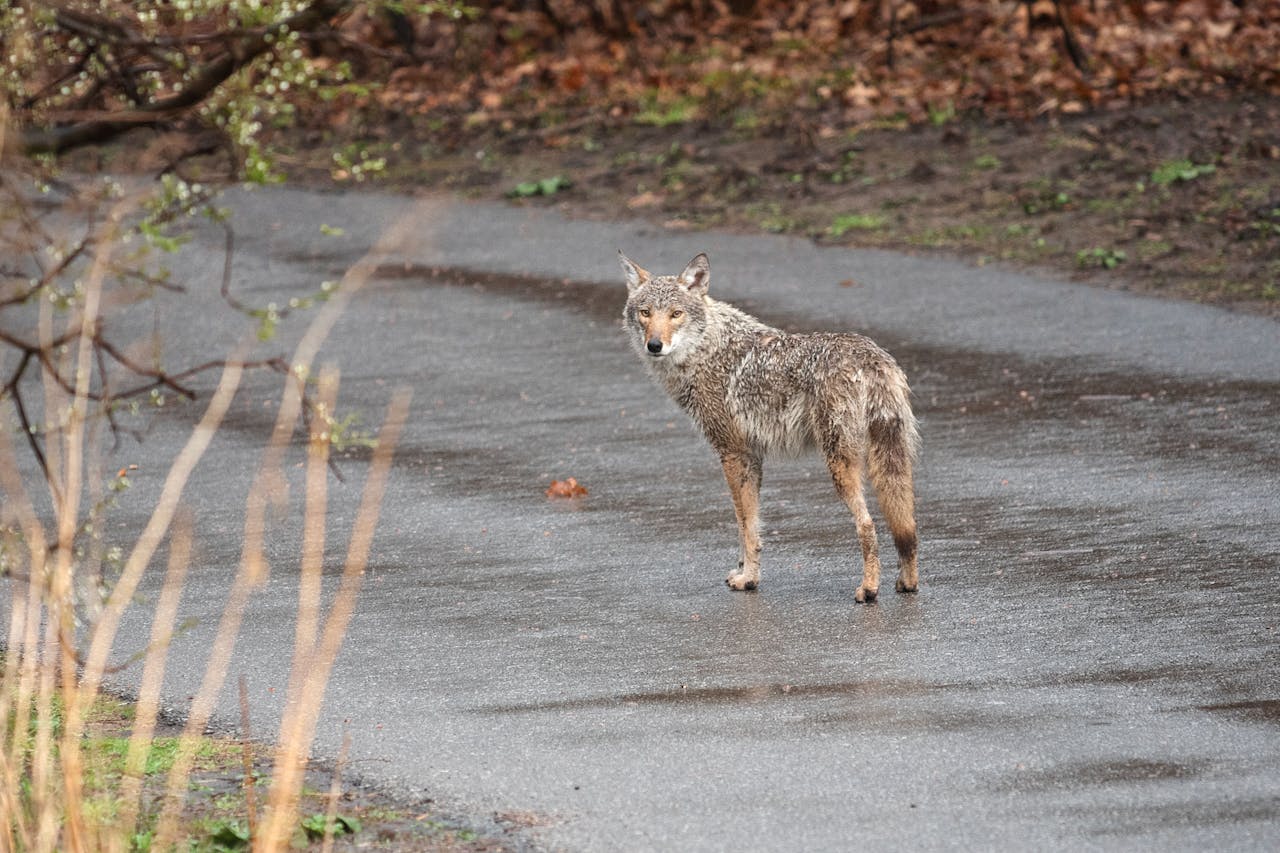
New York helps break the myth that coyotes are mostly a western problem, because suburban pet risk exists far beyond desert or ranch country.
Wooded subdivisions, park margins, and quiet residential streets can give eastern coyotes plenty of cover while still keeping them close to pets.
When garbage, bird seed, and outdoor feeding stay available, the same habits seen in western states show up in the Northeast as well.
What Pet Owners Should Change First
Supervision is the first fix, especially for cats, puppies, senior pets, and small dogs let out alone at low-light hours. Even brief gaps can matter.
Bring food and water indoors, trim dense hiding cover, secure trash, and stop treating the yard like a place where nothing wild happens.
Check fences from the ground up, use lights where needed, and interrupt bold coyote behavior early before routine turns into confidence.
The goal is not panic; it is removing the rewards that teach a smart predator your backyard is worth checking again. Prevention beats late regret.