

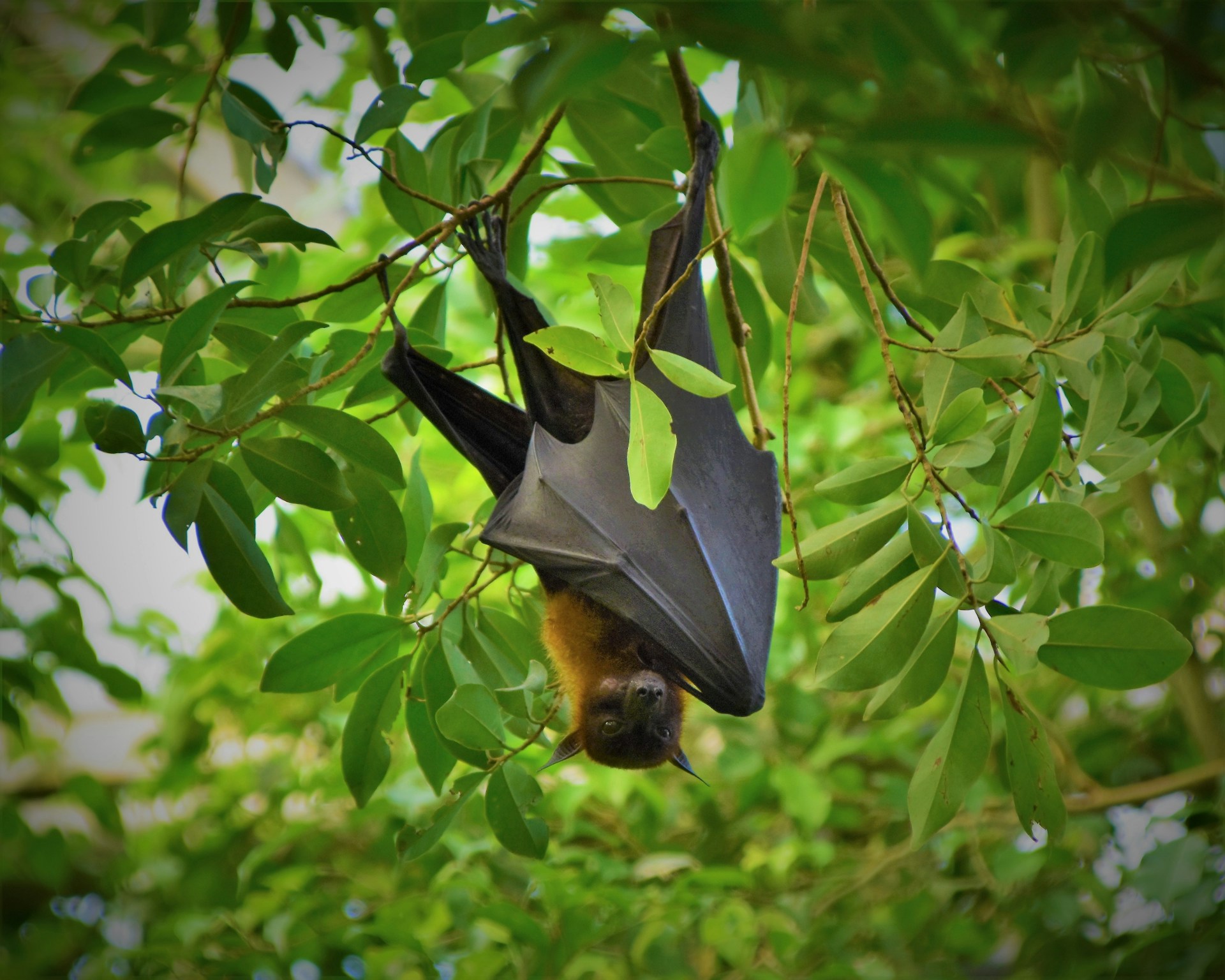
At dusk, many neighborhoods still look healthy on the surface: trimmed lawns, porch lights, flowering beds, and quiet fences. But ecologists pay attention to what is missing from that evening scene. When fewer bats skim the sky, the change can ripple through yards in ways most households notice only later, as moths, beetles, and other night insects linger longer and pesticide use quietly rises. Across North America, severe bat declines have been linked to disease, habitat disruption, and light pressure, which means the hidden pest problem often starts long before anyone sees chewed leaves or swarming bugs outdoors.
Why Fewer Bats Changes the Night Shift
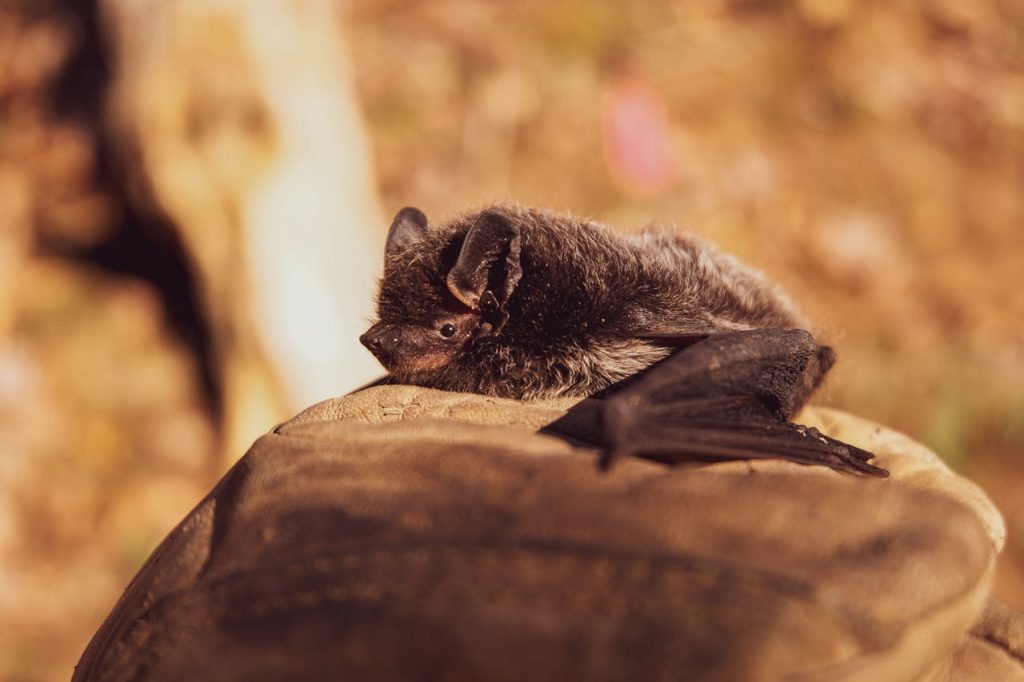
Bats are not a minor part of the evening food web. U.S. agencies describe them as major predators of night-flying insects, and species across the country feed on moths, beetles, crickets, leafhoppers, chinch bugs, and mosquitoes. That hunting pressure helps keep insect numbers from stacking up night after night.
Researchers have tied that feeding work to real economic value, with U.S. estimates in the billions each year because fewer pests means less crop damage and less pesticide use. The same ecological logic applies at yard scale, where a quieter bat presence can leave more insects moving through garden beds, lights, and patios.
The Pest Problem Often Shows Up Indirectly
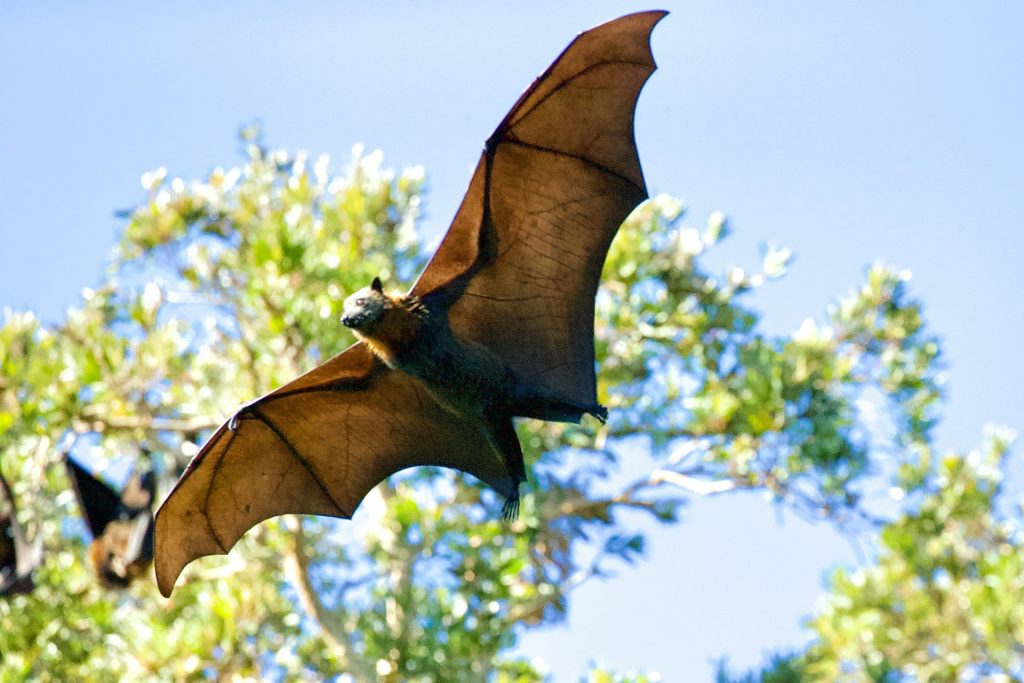
Ecologists rarely frame bat decline as only a cave issue because the effects travel outward through neighborhoods. When insect-eating bats thin the night swarm, they reduce the pool of insects that later lay eggs around shrubs and trees. When bat activity drops, that natural check can weaken without much warning.
The first signal is often behavior, not headlines: more porch-light insects, more leaf damage, and more routine spraying. Wildlife agencies note that bats are primary predators of many night-flying pest species, so losing that nightly pressure can push households toward chemical fixes that create a second problem for bats.
White-Nose Syndrome Left a Long Ecological Gap
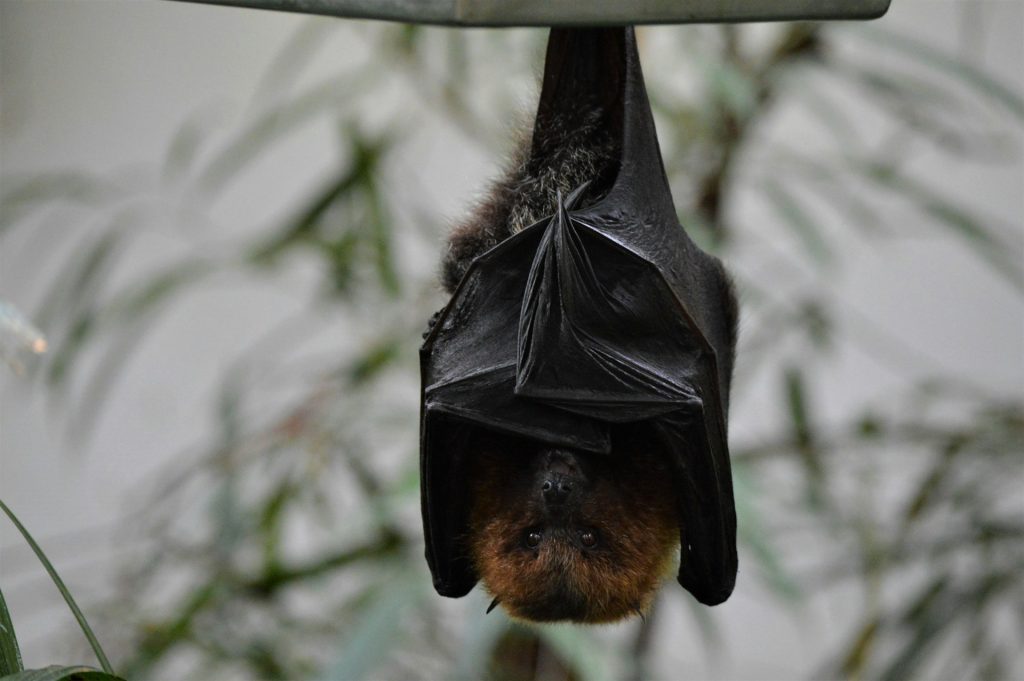
White-nose syndrome reshaped bat populations across North America in a short time. The U.S. Fish and Wildlife Service says the fungal disease was first documented in 2006 near Albany, New York, and has since spread widely across the United States and Canada, with losses counted in the millions.
USGS reporting adds sharper detail: more than 90 percent declines were documented in northern long-eared, little brown, and tri-colored bats in under a decade at studied populations. When that kind of decline hits insect-eating species, yards lose more than a twilight sight. They lose a steady layer of pest control, and the gap lingers.
Yard Habitat Loss Matters More Than It Looks
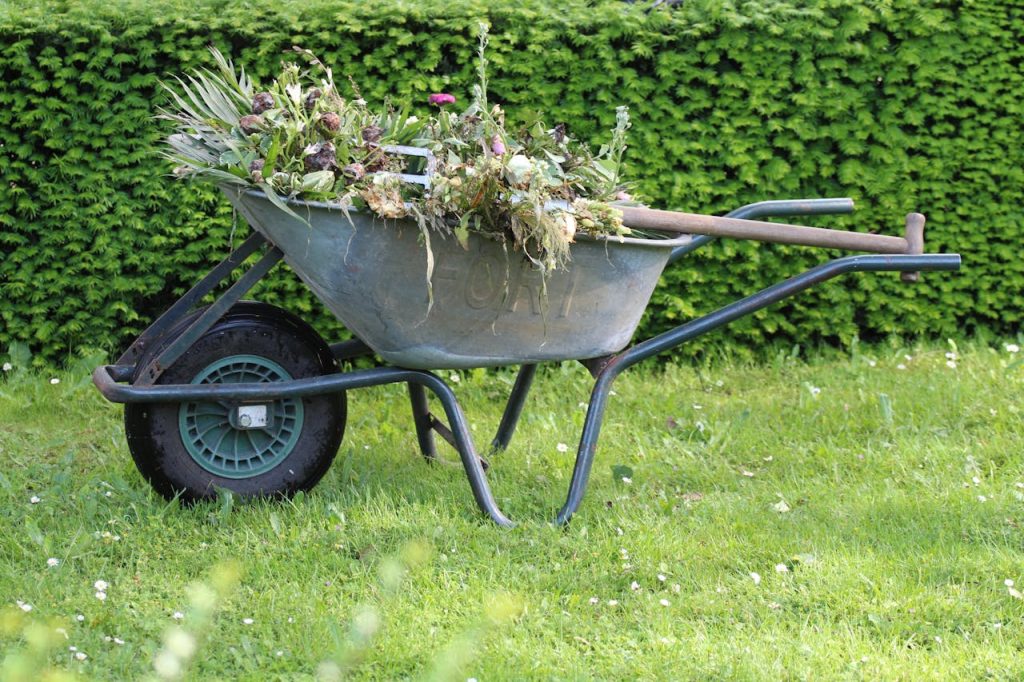
Bat decline is also tied to habitat disruption, not only disease. Federal wildlife guidance notes that loss of habitat and disturbance around hibernation and roosting sites can be hard on bat populations, and backyard landscapes play a role when older trees, dark edges, and insect-rich planting areas disappear.
Conservation groups point out that even small spaces can support bats when they offer food, water, and shelter. Standing dead trees, when left safely in place, can function as roosting habitat and also support diverse insects. Removing every rough corner of a yard can accidentally erase both bat shelter and bat food.
Bright Yard Lighting Can Push Bats Off Course
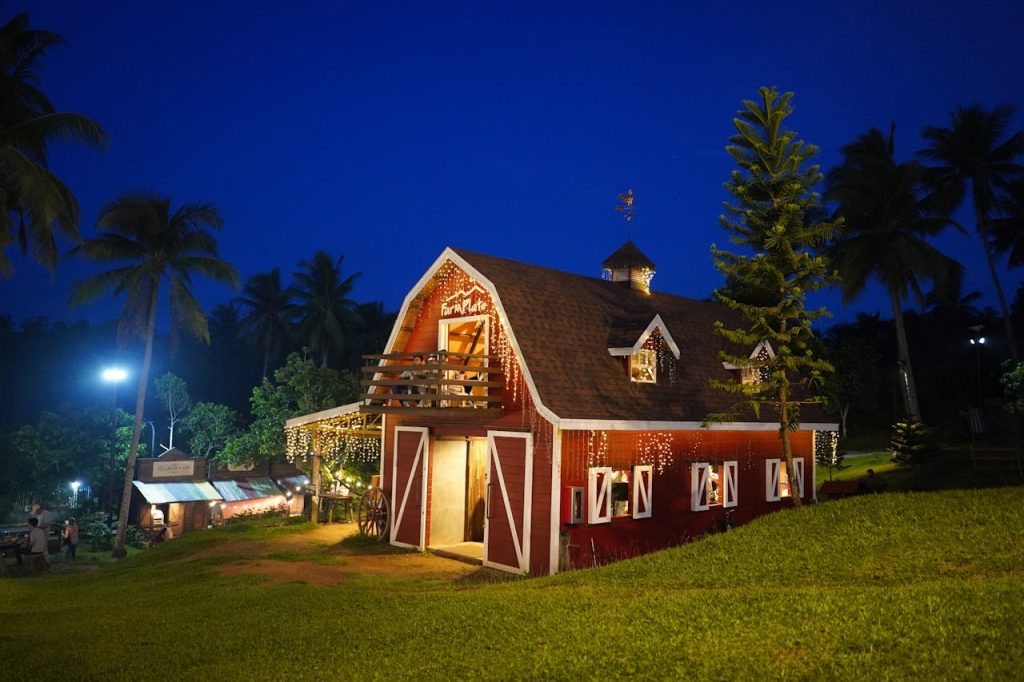
Many people assume more light always means more wildlife activity because insects gather near bulbs. For bats, the picture is uneven. U.S. Fish and Wildlife guidance says light pollution can disrupt or deter bats, and bat conservation groups note that excess lighting changes where and how they hunt.
A 2023 field study in Connecticut tested residential-scale LED floodlights and found little brown bats were less active on lit nights, with activity at 75 meters falling to 43 percent of dark-night levels. That matters in neighborhoods where one bright yard can reduce usable hunting space well beyond a single nearby fence line.
Pesticides Can Deepen the Same Problem
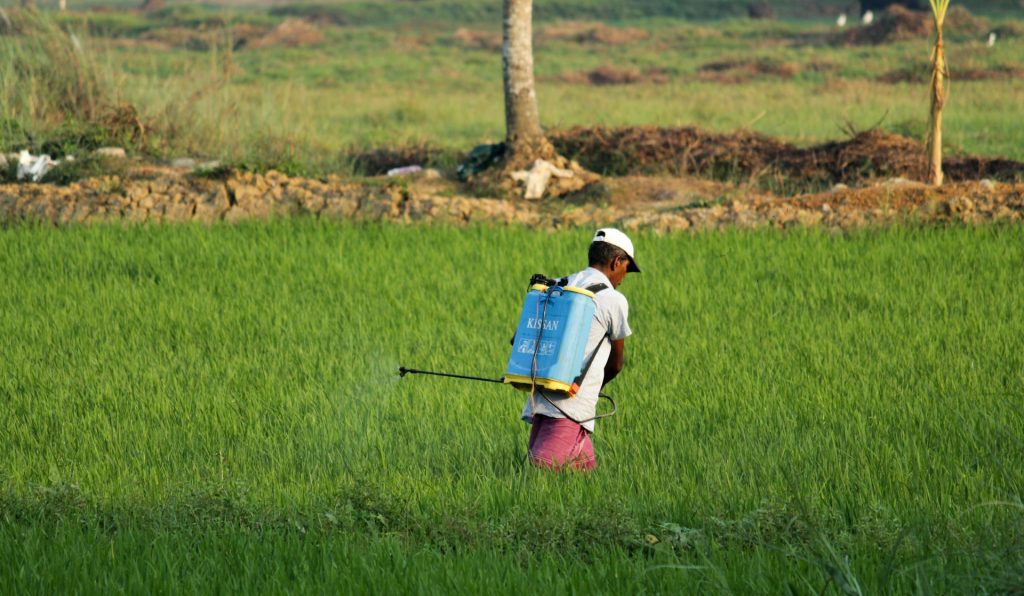
When yards get buggy, the fastest response is often a spray bottle or a treatment service. Ecologists warn that this can create a loop. Bat Conservation International advises avoiding herbicides and pesticides in bat-friendly spaces because those chemicals reduce insect prey and can move up the food chain into bats.
Federal wildlife guidance echoes that point and links lower pesticide use with better feeding conditions for bats. In practice, heavy spraying may shrink the very insect populations bats rely on, which makes it harder for local bat activity to rebound and leaves yards more dependent on repeated chemical control.
Night-Blooming Native Plants Rebuild the Food Web

The most practical bat support often looks like ordinary gardening, just timed to the night shift. Bat Conservation International recommends native plants that attract native insects, especially flowers that stay open through the evening. Moth-friendly planting matters because moths are preferred food for many bats.
Its guidance also notes that trees add far more than shade: they host insects, create structure, and can provide roosting options for some species. In yards where bats have thinned out, richer planting does not replace lost populations overnight, but it rebuilds the insect pathways and habitat layers bats need to return.
Water and Yard Layout Shape Bat Activity
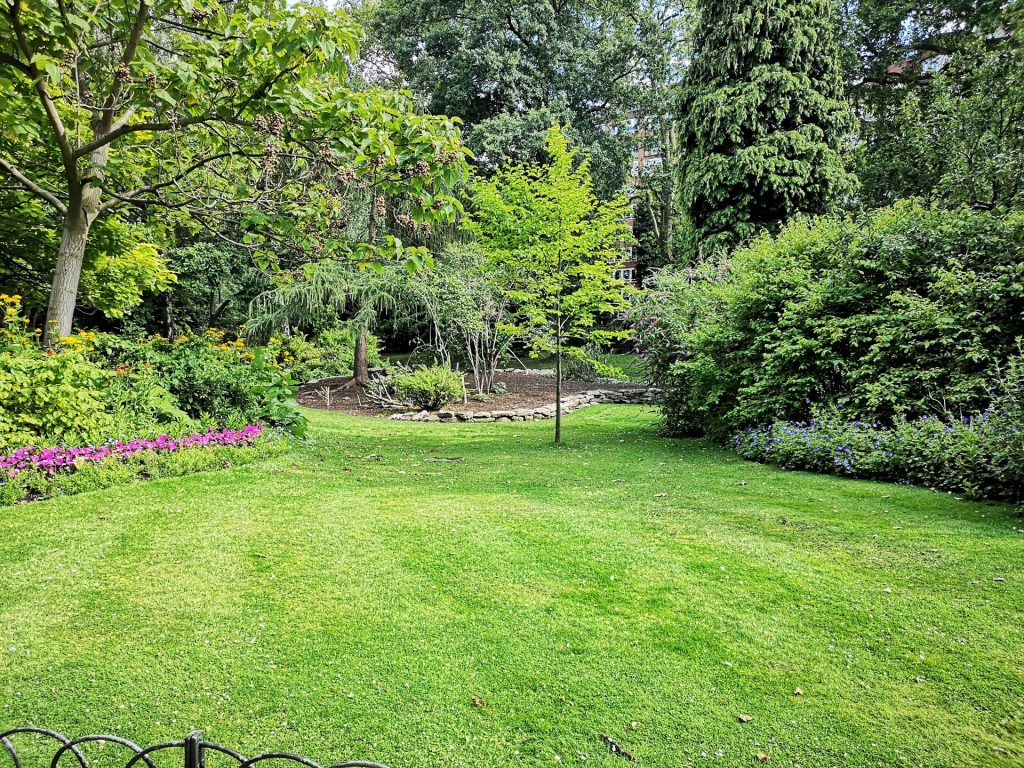
Bat habitat is not only about what is planted. Rutgers Extension guidance says good bat-roost locations are usually near a mix of wooded, agricultural, and developed landscapes and within about a quarter mile of water. That helps explain why some neighborhoods see regular bat flight at dusk while others stay strangely quiet.
The same guidance warns against placing roost boxes in the middle of an open field with no wind shelter and advises keeping artificial lights off the box. Yard design, in other words, is not decoration alone. It often changes whether bats can move, feed, and roost with enough cover to stay in the area.