


Across farms, wetlands, forests, and suburban edges, ecological boundaries are shifting faster than old management calendars can track. Species once limited by hard freezes, short growing windows, or isolated transport routes are now finding longer seasons and easier pathways. Field crews still remove vines, trap fish, and map outbreaks, yet the pace of spread keeps shrinking response time. The warning from ecologists is increasingly consistent: containment is becoming a race against calendar drift, climate volatility, and repeated reintroduction through everyday movement of goods and gear, season after season again.
Warmer Winters Extend Survival Windows
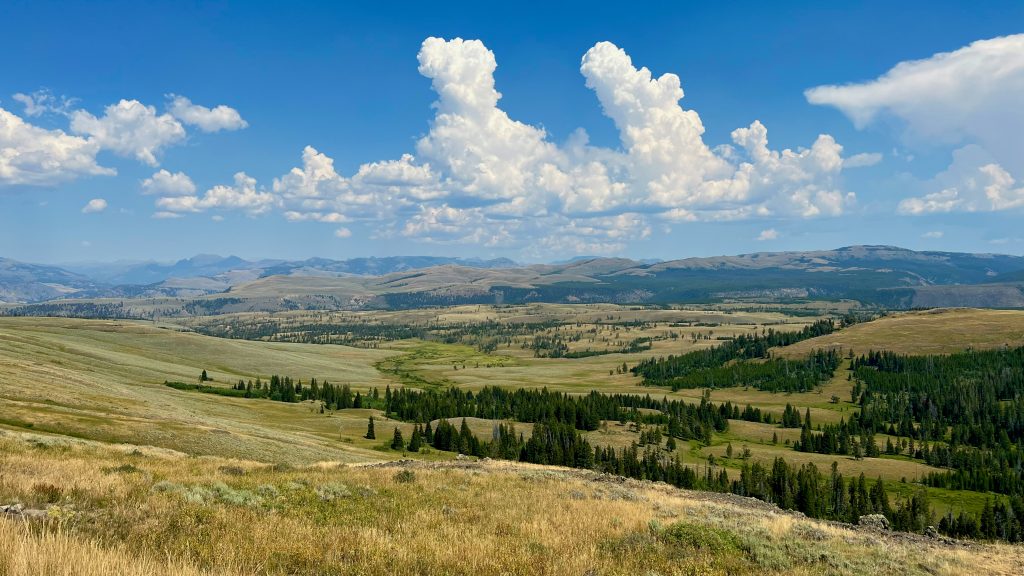
Cold once acted like an ecological checkpoint. As winters soften, more nonnative organisms survive seasons that once reduced them. USGS says warmer conditions can let existing invaders move into habitats that were historically too cool, shifting risk into new watersheds and forests.
That shift appears in vector insects too. CDC notes that Aedes albopictus tolerates a broad temperature range, including cooler conditions than Aedes aegypti, helping it persist across tropical, subtropical, and temperate settings. When seasonal barriers loosen, monitoring maps age quickly and containment crews face new fronts each season.
Longer Growing Windows Accelerate Outbreak Momentum
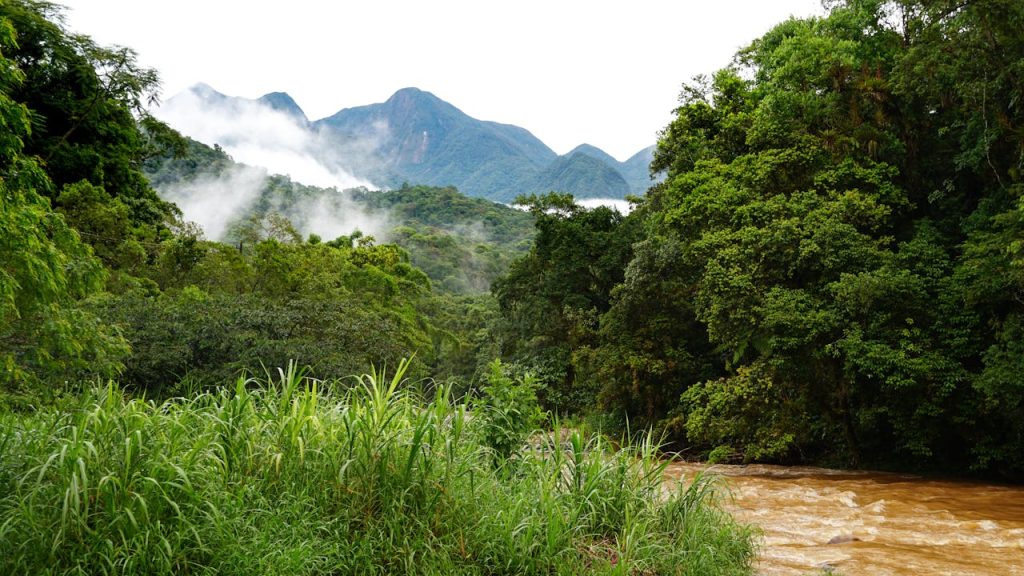
Fast seasonal growth gives many invaders a plain advantage: earlier feeding, earlier reproduction, and longer time to build numbers before control crews catch up. USDA APHIS reports spotted lanternfly feeds on more than 70 plant types and now has infestations across 19 states plus Washington, D.C., with pressure on vineyards, orchards, and hardwood stands.
Forest systems show similar momentum. APHIS says emerald ash borer has caused death and decline in tens of millions of ash trees and has been detected in 37 states and Washington, D.C. Once spread reaches this scale, each added season compounds labor, cost, and ecological strain.
Trade Pathways Keep Reintroducing the Same Problem
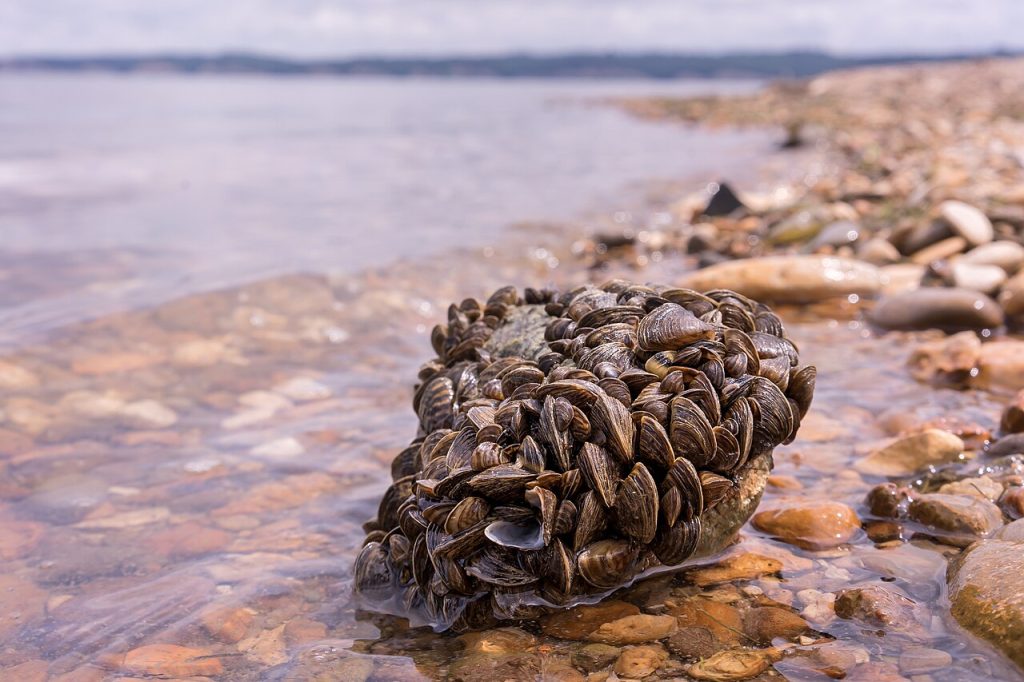
Containment often fails not because guidance is missing, but because pathways are ordinary. Invasive-species authorities list ballast water, transported firewood, contaminated goods, and recreational gear as recurring routes for unintended spread. USGS notes zebra mussels likely reached the Great Lakes through ballast water and then expanded through waterways.
Land pathways are just as routine. The National Park Service warns that moving firewood can carry insects and pathogens under bark and within wood fibers, even when logs look clean. When habits stay unchanged, field teams treat symptoms while new introductions keep arriving.
Disturbance Gives Fast Colonizers a Head Start

Disturbance opens doors that fast colonizers exploit first. After drought, overgrazing, grading, roadside clearing, or repeated fire, invasive plants can occupy bare ground before slower native communities recover. USGS reports cheatgrass disrupts fire cycles in sage habitats, contributing to more frequent and intense burns across parts of the West.
A similar pattern appears in desert systems where buffelgrass spreads between native shrubs and creates fuel continuity that once was patchy. USGS research links that continuity to higher wildfire risk and harder restoration timelines, because each burn can favor the invader over flora.
Aquatic Hitchhikers Keep Beating Routine Habits
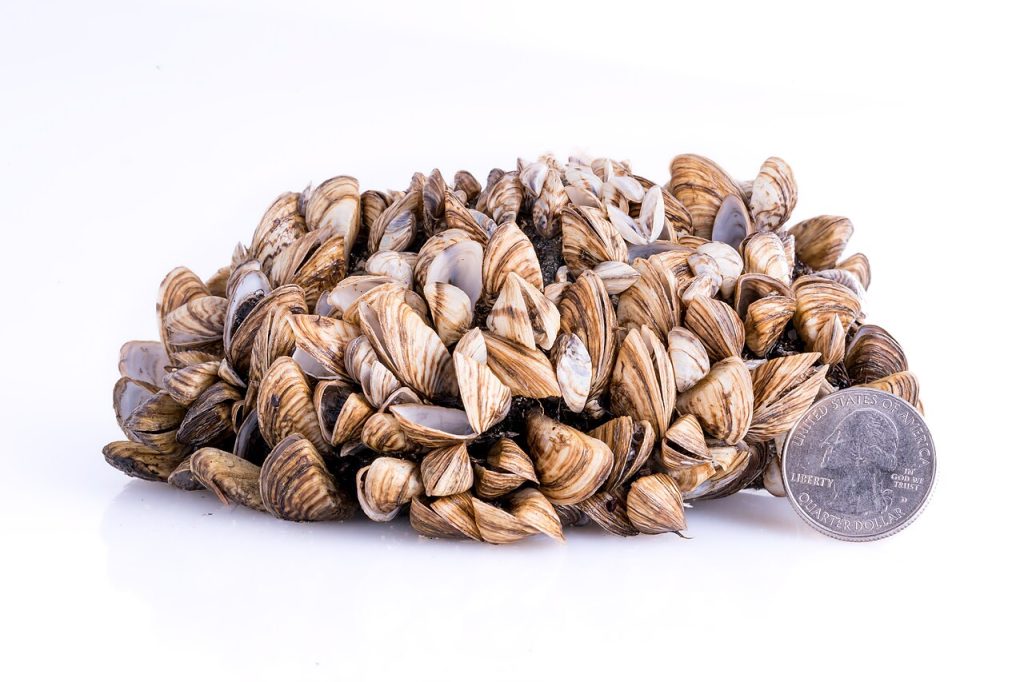
Water systems add another challenge: microscopic or juvenile life stages travel in bilges, livewells, trailers, and damp gear. USGS and EPA documentation on dreissenid mussels describes infrastructure fouling, altered food webs, and rapid spread once organisms reach connected lakes and rivers.
Prevention guidance is clear, yet compliance varies by trip and season. The National Park Service advises Clean, Drain, Dry practices, including draining compartments and drying boats in sun for at least five days when possible. When even a small share of launches skip those steps, a single busy weekend can reopen a closed containment line.
Established Populations Outrun Simple Eradication Plans
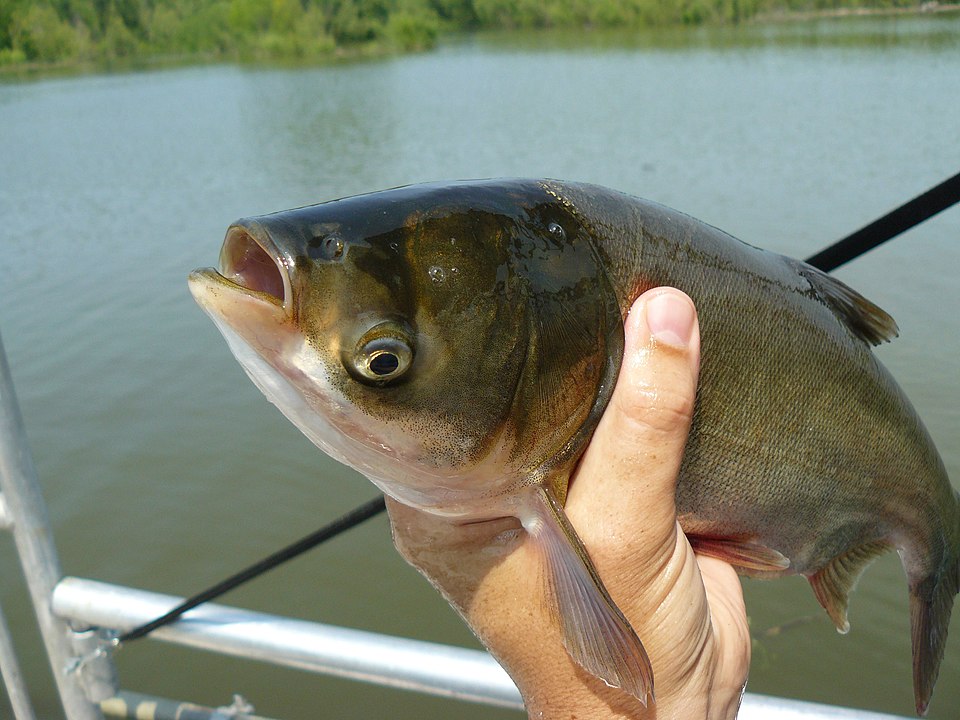
Management gets harder as invasions mature. Federal invasive-species guidance emphasizes prevention and early detection because broad infestations are far more expensive and less feasible to remove than emerging ones. USGS is direct about invasive carp: eradicating an established population is extremely difficult and expensive, if possible at all.
That reality reshapes budgets. Agencies must keep funding surveillance, barrier systems, targeted removals, and long campaigns instead of one-time fixes. By the time public attention catches up to visible damage, ecological and financial debt is often already locked in for years.
Control Timing Can Miss Biology by Just Weeks

Control tools fail when timing misses biology by even a few weeks. Many invaders pass through brief windows where treatments work, then disperse into stages that are costlier to manage. APHIS guidance for spotted lanternfly stresses seasonal egg-mass searches on trees, stone, and outdoor surfaces before hatch events widen spread.
Climate variability complicates that schedule. Earlier warm spells, uneven rain, or late cold snaps can shift emergence timing across counties in the same year, so a fixed calendar no longer guarantees results. Programs now depend on tighter monitoring loops, not just bigger spray plans or larger crews.