

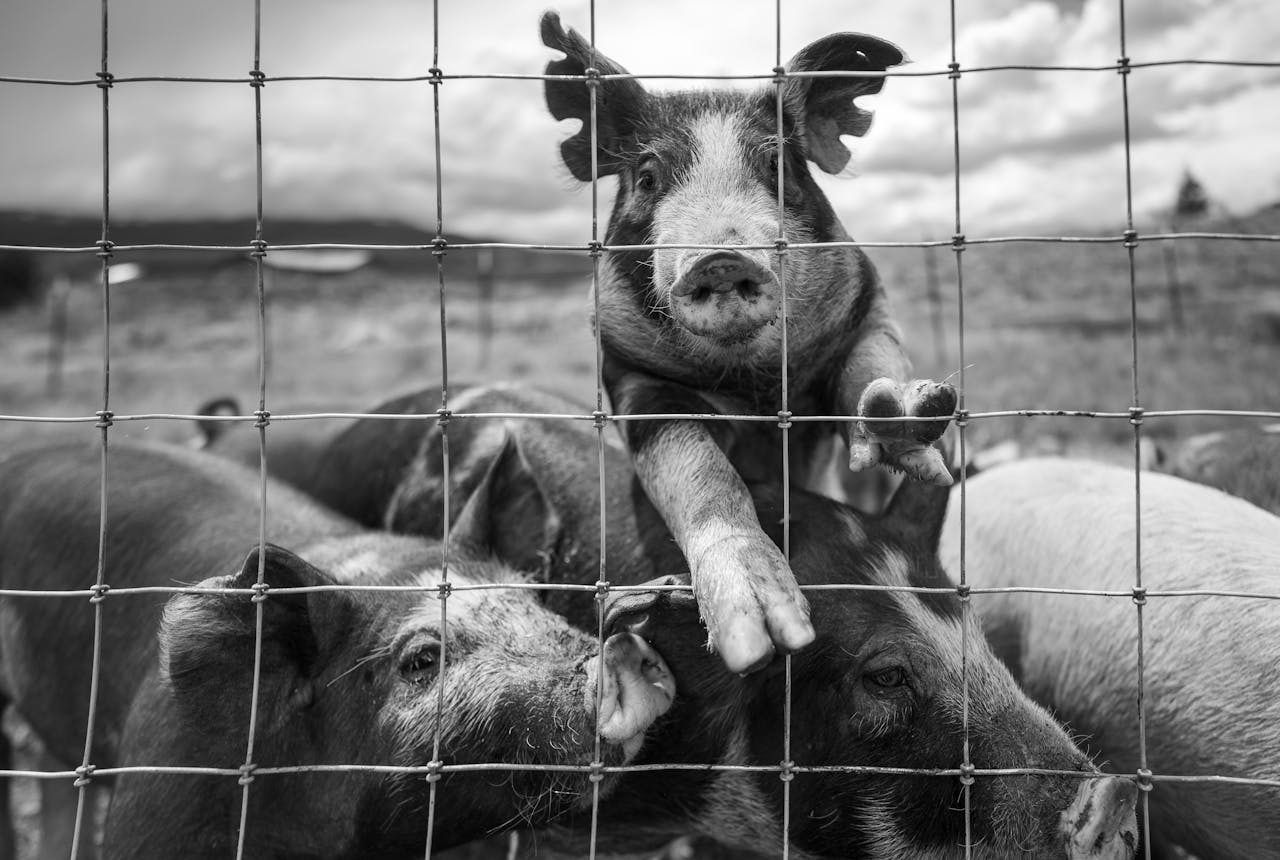
Across farm counties, marsh edges, and exurban lots, feral hog management has moved from panic response to planned systems that combine exclusion, tracking, and timing. USDA still frames the problem as a major economic burden, but field practice has matured. Managers now treat fences, collars, and remote controls as connected parts of one workflow rather than isolated fixes. Electric lines slow repeat entry, GPS data reveals regrouping patterns, and fast trap activation closes response gaps. The result is steadier protection for crops, pasture, and livestock health, even when pressure rises after rain and warm-season growth.
Electric Fences Work Best as Daily Pressure Control
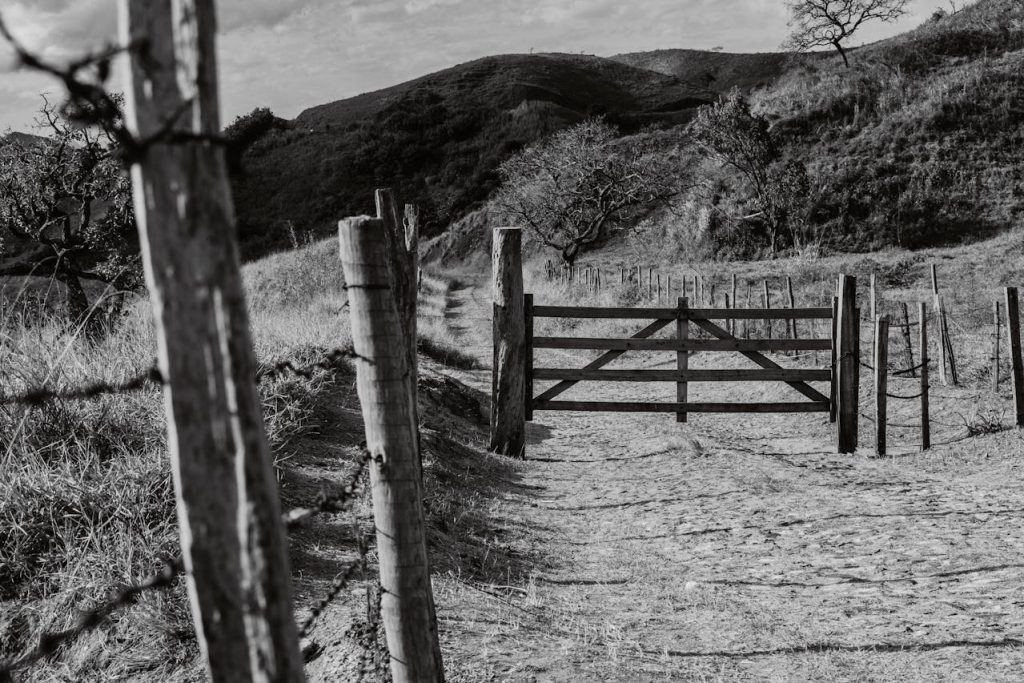
Electric fences are back in heavy use because they solve a specific problem well: repeated nightly entry into the same vulnerable areas. Texas A&M AgriLife guidance highlights two-strand layouts, often around eight inches and 18 inches, so younger pigs and full-size adults meet an active line early instead of pushing deep into fields before contact.
That design does not erase population growth by itself, and practitioners no longer pretend otherwise. It creates breathing room for growers, protects high-risk edges, and reduces immediate losses while crews coordinate trapping, monitoring, and follow-up work on a realistic schedule.
Wire Height and Ground Contact Decide Outcomes
Many fence failures come from geometry, not hardware. In hog country, corners, drainage cuts, and soft ground become test points within days, so placement and maintenance matter more than branding. Extension programs stress low wire coverage and clean fence lines, because grass load and brush contact can drain charge before an animal ever tests the barrier.
Managers who treat wire height as a behavior question usually get better results. Low lines disrupt rooting approaches, upper lines catch chest-level contact, and regular voltage checks prevent slow drift from protection into false confidence. It keeps fences reliable.
Strong Perimeters Still Anchor Long-Term Plans
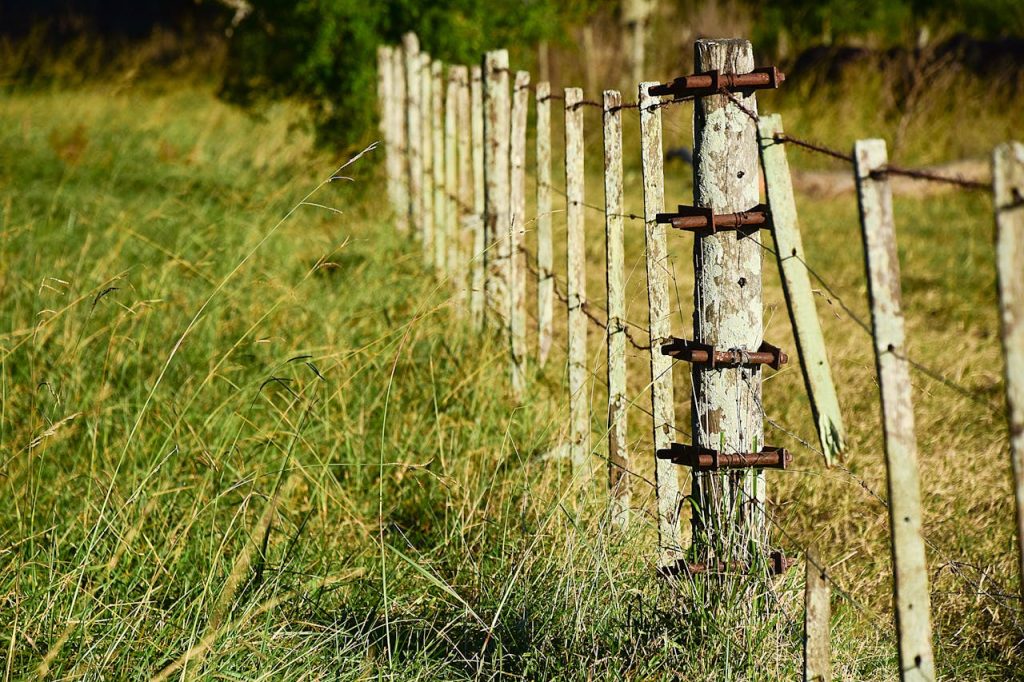
In high-pressure corridors, land managers still rely on rigid physical boundaries as the foundation and use electrified offsets as reinforcement. Texas A&M notes that a strong six-foot net-wire perimeter, tight at the base or buried as a curtain, deters feral hog movement better than light barriers that leave gaps at ground level.
This matters in seasons when soil moisture changes quickly and animals probe weak points after storms. A hard perimeter narrows entry options, and the electric layer turns those narrowed options into active deterrence, especially around crop transitions and feed areas where damage concentrates first.
No Fence Is Perfect, but Good Design Cuts Losses
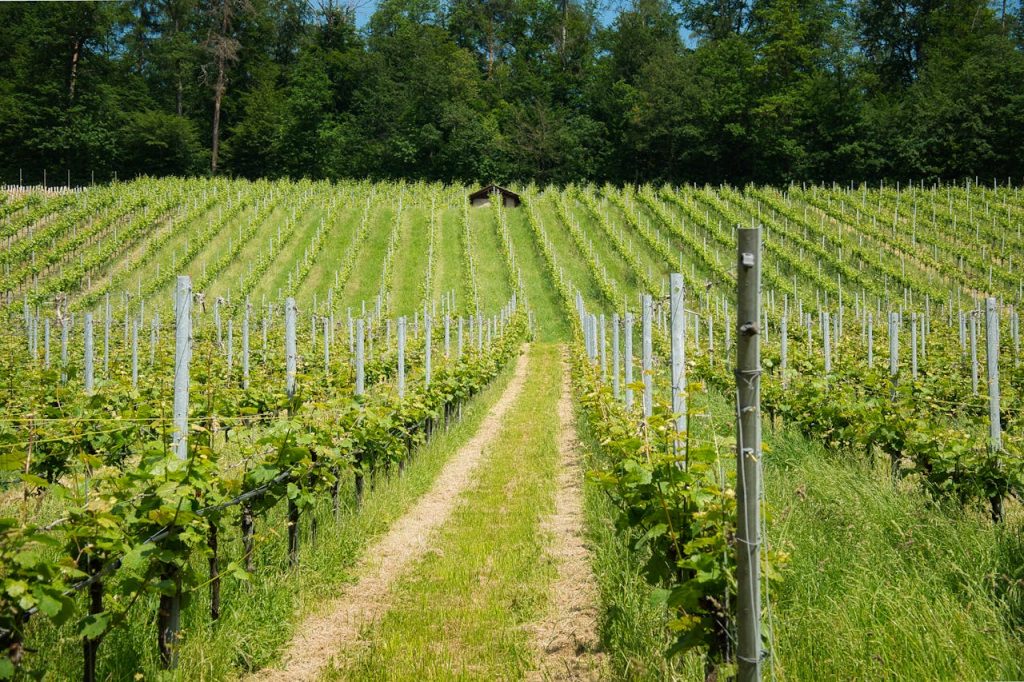
Field data from the Journal of Wildlife Management reported that tested electric designs were not fully pig-proof, yet the best setups still reduced movement and crop loss in meaningful ways. In that study, researchers documented fewer intrusions in controlled settings, lower entry into bait stations on rangeland, and notably less sorghum damage where a two-strand electric design was used.
The practical takeaway is clear. A fence should be judged as a loss-reduction tool, not a total barrier, then paired with removal and monitoring so pressure does not shift to the next vulnerable boundary over time or across adjoining parcels.
Smart Collars Change the Search Phase
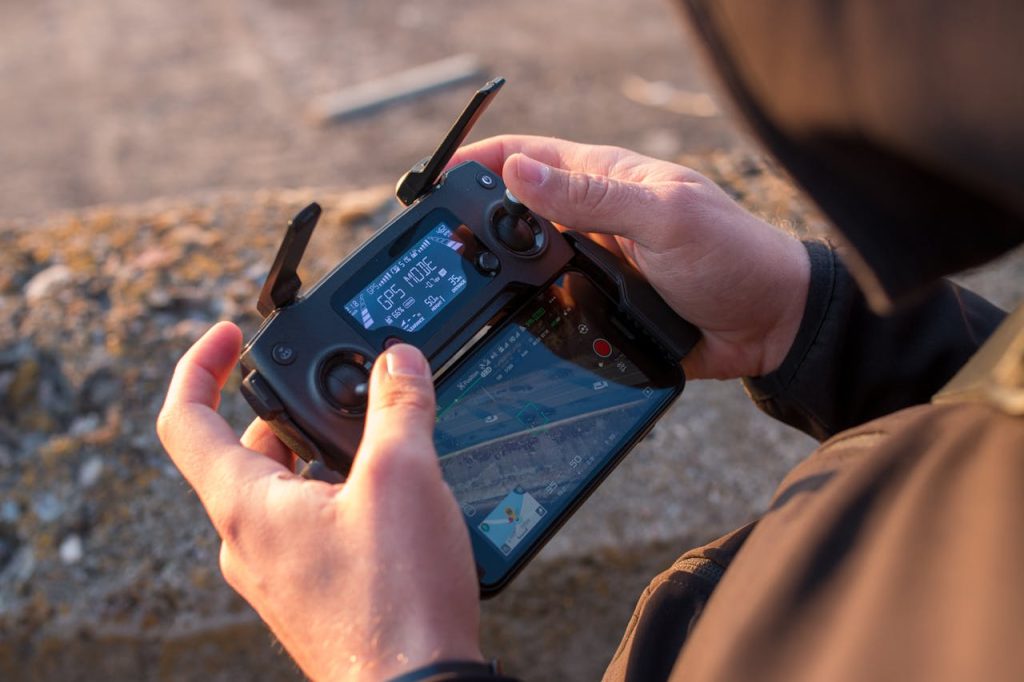
The hardest part of hog management is often finding regrouped animals after an operation, especially across fragmented private lands. GPS collar programs address that gap by turning movement into actionable maps instead of guesswork. USGS describes the Judas pig approach as releasing a collared animal that reconnects socially, then using its movement to locate associated groups for targeted follow-up.
That sequence saves labor and reduces blind scouting. It also improves timing, because teams can act when groups are actually present, not when tracks from two nights ago suggest they might be nearby again in the same corridor.
Social Network Data Makes Targeting Smarter
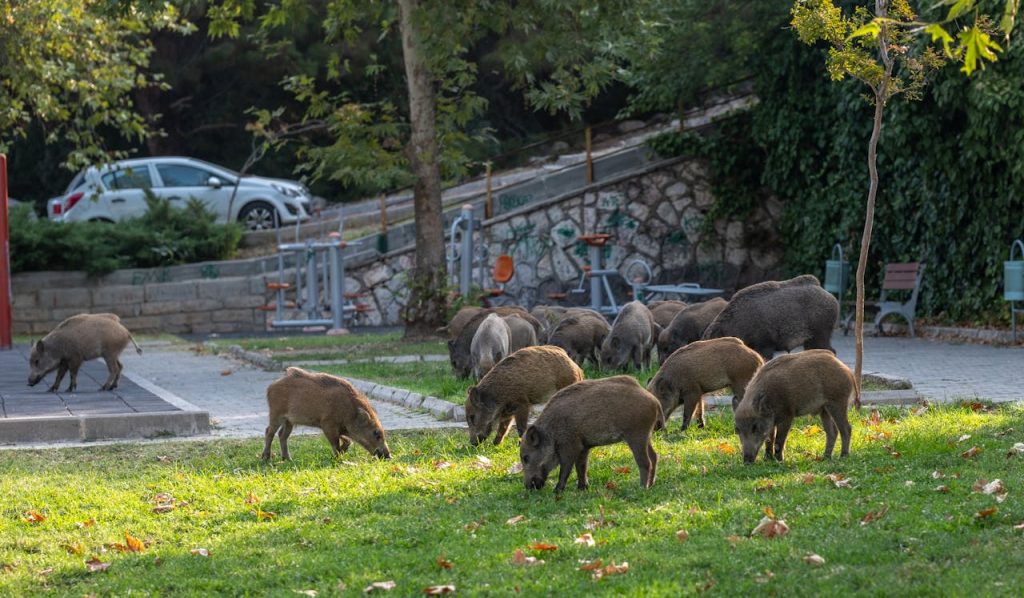
Newer research is moving beyond location dots to social structure, which helps teams decide where effort has the highest downstream effect. A 2025 study using 146 GPS-tracked feral pigs in Australia found stronger cohesion among females and connector roles among males moving between groups, a pattern with direct implications for surveillance design and control timing.
When collars are assigned with those dynamics in mind, agencies can interrupt contact pathways earlier and reduce rapid regrouping after local control. That makes management more strategic, less repetitive, and better aligned with disease-risk priorities.
Remote Traps Turn Detection Into Fast Action
Tracking only helps if response is quick, and that is where remote-triggered trap systems are changing practice. A peer-reviewed comparison found suspended systems with real-time notification and phone activation delivered the strongest efficiency figures, including 0.64 person-hours per pig captured, while also removing a high share of the estimated population in study settings.
Operationally, that means fewer wasted site visits and tighter control windows. When movement data, camera alerts, and gate timing work together, teams spend less time reacting late and more time closing complete capture events before groups scatter again.
Biosecurity Is Driving Adoption Across Regions
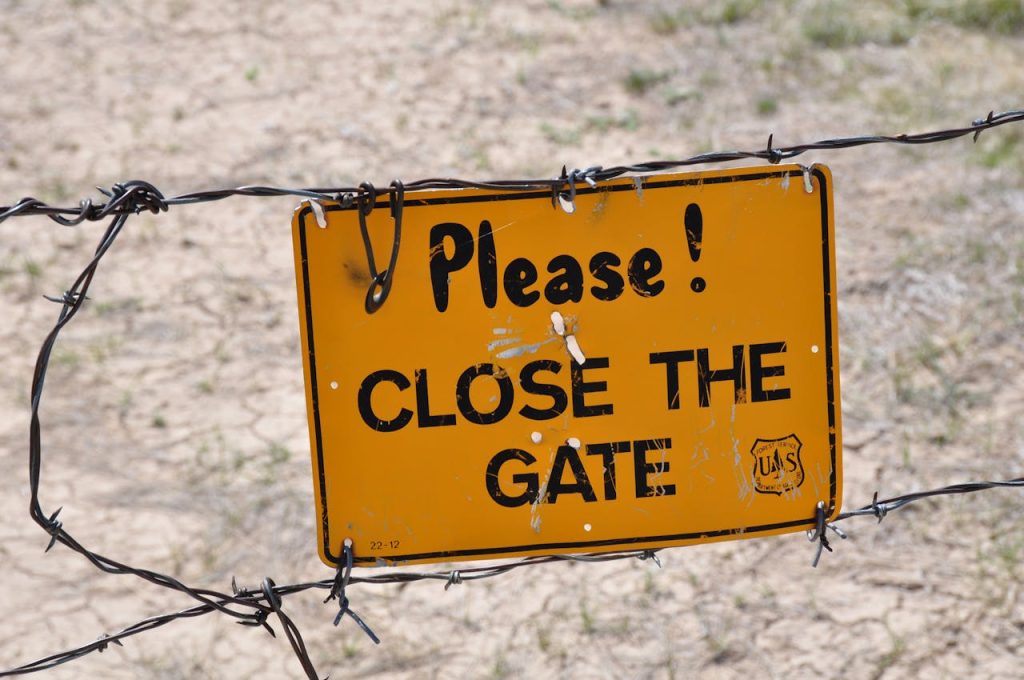
Feral hog control is now treated as both a land-damage and animal-health issue, which is accelerating adoption of layered tools. APHIS states that more than 6,000 feral swine samples are screened each year in surveillance programs focused on major threats, including African swine fever, classical swine fever, foot-and-mouth disease, pseudorabies, and swine brucellosis.
That public-health lens changes how fencing and collars are valued. They are not just property protections; they are part of wider prevention systems that reduce livestock exposure risk, strengthen preparedness, and support faster response when alerts rise.
Coordination Across Properties Is the Real Multiplier
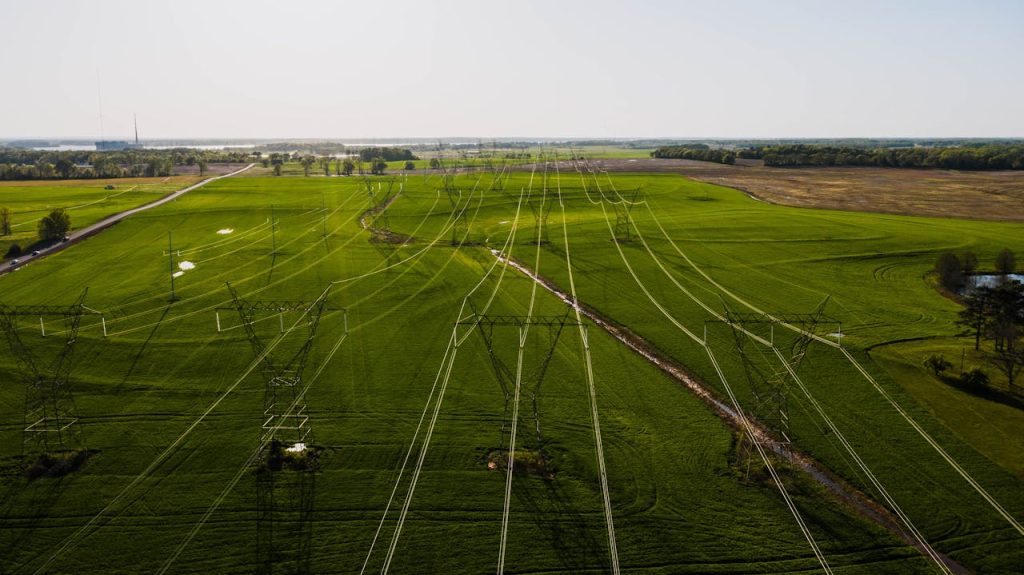
Even excellent gear underperforms when neighbors are uncoordinated. APHIS emphasizes integrated management that blends trapping, fencing, and operational removal based on local terrain, laws, and population pressure, while federal pilot efforts have funded multi-county collaboration where agricultural impacts are persistent and expensive.
When timing and data are shared across property lines, barriers stop being isolated projects and become regional infrastructure. That shift is where consistency appears, because gains made on one ranch are less likely to unravel when adjacent ground follows the same plan through the season.
What stands out now is not flashy gear, but better sequencing. Fence lines buy time, collars reveal where effort should go next, and remote decisions compress response windows that used to stay open too long. Communities that align those steps tend to see fewer sudden surprises, steadier crop protection, and a clearer path from short-term relief to durable control.