

![Write a gallery-style article titled: [] You must create text-only content that follows Idyllic Pursuits’ editorial and formatting standards. If reference text is provided at the end, use it as the primary source of facts. If no reference text is provided, generate original content using your own expertise and reliable research. Follow this structured workflow: Step 1: Research or analyze the topic. Focus on cultural and factual accuracy; emotional resonance, seasonal relevance, or local insights; and avoid fluff, clichés, or generic descriptions. Step 2: Structure the article in markdown format: Begin with an engaging introduction (80–100 words) written in third person, setting the emotional tone and context without addressing the reader. Then, for each gallery point (typically 8–15), write a title in H2 using Title Case, add a body paragraph with 650 characters (2–3 vivid, informative sentences) in third person, and ensure smooth flow and narrative cohesion between sections. Step 3: Style & Tone Guidelines: Maintain a warm, conversational yet professional tone; use American English spelling and grammar; spell out numbers one–nine and use numerals for 10 and above; use numerals for ages, percentages, and addresses; abbreviate long months (e.g., Sept. 6) without ordinal suffixes; use lowercase a.m./p.m., the Oxford comma, and a single space after periods; avoid italics and underlining and use quotation marks for titles of works; avoid second-person pronouns. Step 4: Conclude with a warm, emotionally resonant closing paragraph—avoid phrases like “this list” or “this article.” Step 5: Add a final excerpt of exactly 130 characters that captures the spirit and summary of the article. Make it concise, vivid, and cohesive. Step 6: Review and polish the article for clarity, grammar, originality, and SEO-friendly flow. Ensure all content is plagiarism-free. --- Reference Text (if provided — use only if present below): """[PASTE REFERENCE TEXT HERE]""" Take a deep breath and work on this problem step-by-step.](https://terraplanetearth.com/wp-content/uploads/2026/01/pexels-saif-siddique-364776825-35611707-scaled.jpg)
![Write a gallery-style article titled: [] You must create text-only content that follows Idyllic Pursuits’ editorial and formatting standards. If reference text is provided at the end, use it as the primary source of facts. If no reference text is provided, generate original content using your own expertise and reliable research. Follow this structured workflow: Step 1: Research or analyze the topic. Focus on cultural and factual accuracy; emotional resonance, seasonal relevance, or local insights; and avoid fluff, clichés, or generic descriptions. Step 2: Structure the article in markdown format: Begin with an engaging introduction (80–100 words) written in third person, setting the emotional tone and context without addressing the reader. Then, for each gallery point (typically 8–15), write a title in H2 using Title Case, add a body paragraph with 650 characters (2–3 vivid, informative sentences) in third person, and ensure smooth flow and narrative cohesion between sections. Step 3: Style & Tone Guidelines: Maintain a warm, conversational yet professional tone; use American English spelling and grammar; spell out numbers one–nine and use numerals for 10 and above; use numerals for ages, percentages, and addresses; abbreviate long months (e.g., Sept. 6) without ordinal suffixes; use lowercase a.m./p.m., the Oxford comma, and a single space after periods; avoid italics and underlining and use quotation marks for titles of works; avoid second-person pronouns. Step 4: Conclude with a warm, emotionally resonant closing paragraph—avoid phrases like “this list” or “this article.” Step 5: Add a final excerpt of exactly 130 characters that captures the spirit and summary of the article. Make it concise, vivid, and cohesive. Step 6: Review and polish the article for clarity, grammar, originality, and SEO-friendly flow. Ensure all content is plagiarism-free. --- Reference Text (if provided — use only if present below): """[PASTE REFERENCE TEXT HERE]""" Take a deep breath and work on this problem step-by-step.](https://terraplanetearth.com/wp-content/uploads/2026/01/pexels-saif-siddique-364776825-35611707-1024x576.jpg)
Winter storms do not arrive politely. A forecast can flip grocery aisles overnight, and the calm hours before snow often matter more than the blizzard itself. Emergency planners see the same pattern each season: shoppers grab familiar comfort foods first, then scramble for outage basics once shelves thin. The best prep is quiet and practical, built around staying warm, fed, and informed without extra trips when roads turn slick. These are the items that routinely sell out first, plus the small details experts rely on when the lights go out.
Reference:
Bottled Water And Drinkable Storage
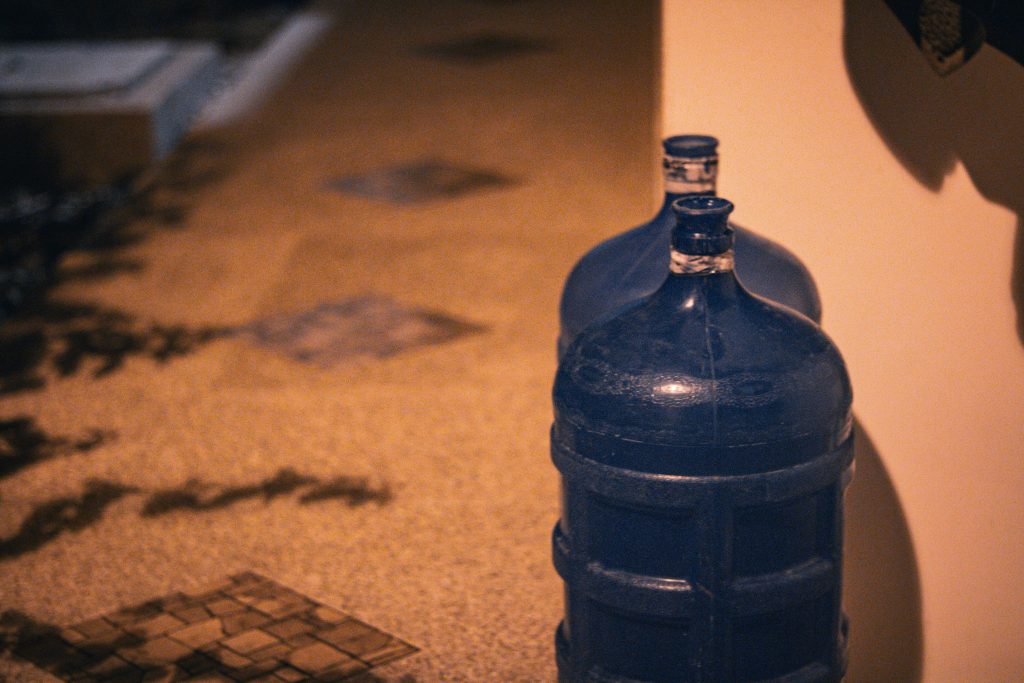
Bottled water disappears fast because it solves two problems at once: safe drinking water and easy cooking when pipes freeze or power fails. National emergency guidance often points to planning for several days, commonly framed as about one gallon per person per day for drinking and basic hygiene, plus clean jugs for extra storage. Pros add smaller bottles for pets, coffee, and mixing food, keep purification tablets or a filter as back-up, and freeze a few containers to help hold safe temperatures in the fridge during an outage, since melted snow is unreliable and can pick up grit, road salt, and bacteria once handled indoors over longer hours.
Reference:
Shelf-Stable Meals And A Manual Can Opener

Canned soup, beans, pasta, and ready-to-eat meals clear out early because they do not depend on a working stove, and they stretch across multiple days. Preparedness checklists stress food that can be eaten cold if needed, plus a manual can opener that works without electricity or a charged battery. Storm veterans also keep instant oatmeal, shelf-stable fruit, and comfort snacks, pair them with a small camp stove used outdoors or in safe conditions, so hot meals stay possible when the grid fails, and rotate the stash into normal weeknight cooking after the thaw, with spice, salt, and a little oil so staples still taste like a real dinner soon.
Bread And Easy Breakfast Carbs
Bread, bagels, tortillas, and oatmeal vanish first because they turn a cold morning into something normal, even when roads close and school is canceled. These basics pair easily with peanut butter, jam, or canned soup, and they require little or no cooking, which matters if an outage drags past dark and a toaster stays cold. Preparedness-minded shoppers also freeze an extra loaf, add crackers, rice, and pancake mix for longer shelf life, and keep a small jar of honey, so quick breakfasts and simple dinners stay steady when produce sections thin, deliveries stop, and the only open options are gas-station shelves, and morale dips a little fast.
Milk, Creamer, And Shelf-Stable Alternatives
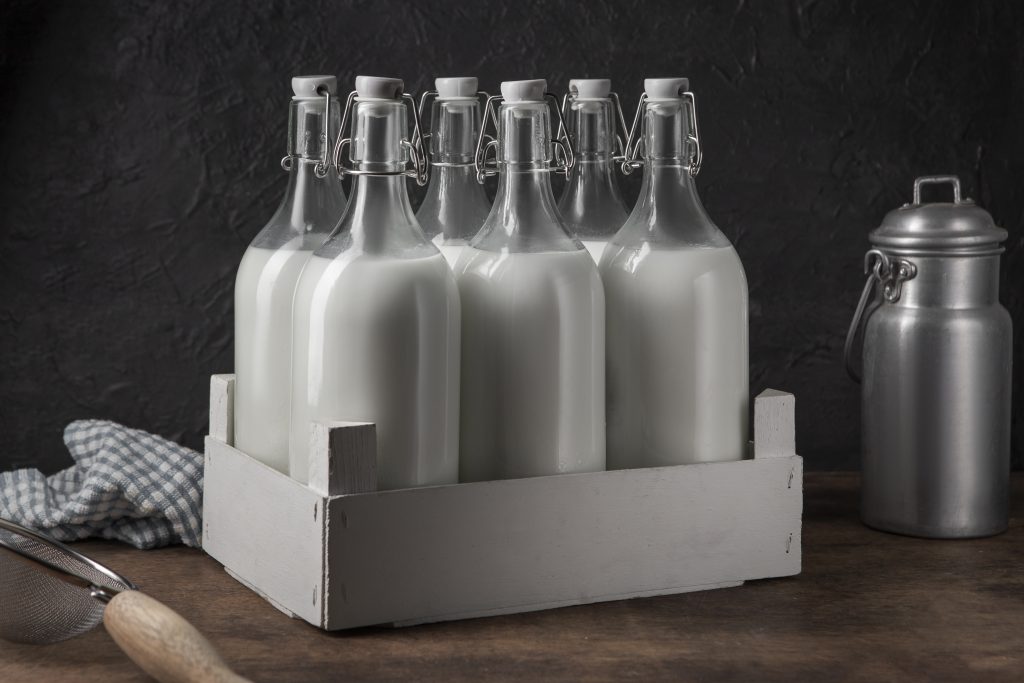
Milk sells out quickly because families default to familiar breakfasts, coffee routines, and quick baking plans when storms loom. Food safety guidance warns that dairy becomes risky after extended warming during outages, so shelf-stable milk boxes, powdered milk, and creamer can be a calmer backup than over-filling the fridge. Pros treat the refrigerator like a cooler, keep an appliance thermometer inside, open the door less, and group perishables together, pairing fresh milk with pantry options so cereal, hot drinks, and simple recipes still works even if the power flickers, traffic stalls deliveries, and the night runs long in the meantime.
Eggs And Protein Staples

Eggs disappear early because they anchor breakfasts, stretch into dinners, and feel like a small comfort when a long storm keeps everyone inside. Food safety guidance notes that eggs and other perishables should be discarded after about 4 hours without power if safe refrigeration cannot be maintained, so measured buying matters more than buying big. A steadier plan pairs a modest carton with shelf-stable protein such as canned tuna, chicken, beans, and nut butter, plus a cooler and ice packs for emergencies, so meals hold together even if the freezer thaws, the fridge warms, and shelves stay bare for several days, when roads stay iced longer.
Reference:
Batteries In Common Sizes

AA and AAA batteries vanish quickly because homes rely on them for flashlights, lanterns, radios, thermometers, and small medical devices. Emergency supply lists consistently pair spare batteries with lighting and communication gear, since a flashlight without power is just extra plastic in a drawer. Pros match sizes to what is already at home, including C, D, and nine-volt when needed label packs, and add rechargeables with a wall or car charger, then store everything in a dry bin away from loose coins and cold garage floors, because deep cold shortens performance and a dead battery at 2:00 a.m. can turn a minor outage into a stressful hunt.
Flashlights, Headlamps, And Lanterns

Lighting sells out early because it changes the mood of an outage, turning a dark room into a livable one and making basic chores safer. Preparedness guidance favors flashlights and battery lanterns over candles, which add fire risk when people are tired, distracted, and moving through clutter. Headlamps are the quiet favorite, leaving hands free for shoveling, checking a breaker panel, or carrying soup, while lanterns light a whole room for board games and quick meals; seasoned households keep one light in each sleeping area, test it before storms, and store it where it can be reached in the dark without searching from bed in under a minute.
Phone Chargers And Power Banks

Chargers and power banks disappear once a storm watch turns serious, because phones become the link to alerts, family check-ins, and emergency services. Preparedness lists often include backup chargers, and planners keep cables labeled, since the right connector matters as much as the battery itself. A compact power bank can also top up a flashlight, a weather radio, or a medical device, buying time while crews clear roads and a simple car charger adds resilience if home power fails; the battery only helps if it is charged in advance today, stored with key documents, and kept warm indoors, since cold can slow performance and shorten run time.
Prescription Refills And Basic First Aid

Medication runs happen early, and for good reason: pharmacies can close, deliveries can stop, and cold weather can turn a simple refill into a risky drive. Preparedness guidance from groups like the Red Cross stresses having needed medicines on hand, along with a basic first aid kit for cuts, burns, and minor injuries. Seasoned planners keep copies of prescriptions, a thermometer and extra gear for chronic conditions, store meds in their containers, and check dates at season change; everything stays in one bin with water and snacks, so a long weekend indoors does not become a medical scramble when roads ice over and clinics run limited hours.
Snow Melt, Sand, And Shovels

Ice melt and shovels disappear as soon as forecasts show accumulation, because sidewalks and driveways become the first daily hazard. Retailers frequently report spikes in demand for shovels and ice melt ahead of major systems, and snow crews stress clearing early to prevent packed snow from turning into hard ice. Smart households keep a scoopable deicer and a shovel, plus a bag of sand or grit for traction on steps, since melt products can lose punch in low temperatures; early passes, opened drains, and a quick sweep after melting reduce refreeze ridges, limit slick puddles at the driveway apron, and protect concrete, pets, and nearby plants.
Reference:
Warmth Essentials: Blankets And Hand Warmers

Blankets, hand warmers, and warm base layers sell out quietly, yet they matter when heat fails and indoor temperatures drop. Winter-storm guidance stresses staying warm safely, and that often starts with bedding, hats, gloves, and socks that keep extremities comfortable during long hours at home. Experienced households set up one warm room with extra throws, sleeping bags, and a thermos of hot drinks close doors to unused spaces to hold heat, add wool layers for insulation, and keep a foil blanket in the car; a battery-powered carbon monoxide alarm matters if any backup heat is used, since fumes can build fast in closed spaces during outages.
Reference: