

At first, an escaped chameleon sounds like a quirky story for the local group chat. Someone spots bright scales on a fence, someone else jokes about a tiny dinosaur in the mango tree, and the whole thing feels harmless. That mood can flip fast in warm suburban areas where nonnative reptiles can survive, spread, and blend into yards, drainage edges, and ornamental trees before anyone realizes the situation is bigger than one missing pet.
What looks like a one-off sighting can become a repeat pattern that stresses wildlife staff, frustrates residents, and chips away at trust between neighbors. In Florida, researchers and agencies already treat introduced reptiles as a long-term management issue, not a novelty. The key point is simple: the neighborhood cost begins long before people notice obvious damage, and it grows fastest when early signs are ignored.
When a Missing Pet Becomes a Block-Level Issue
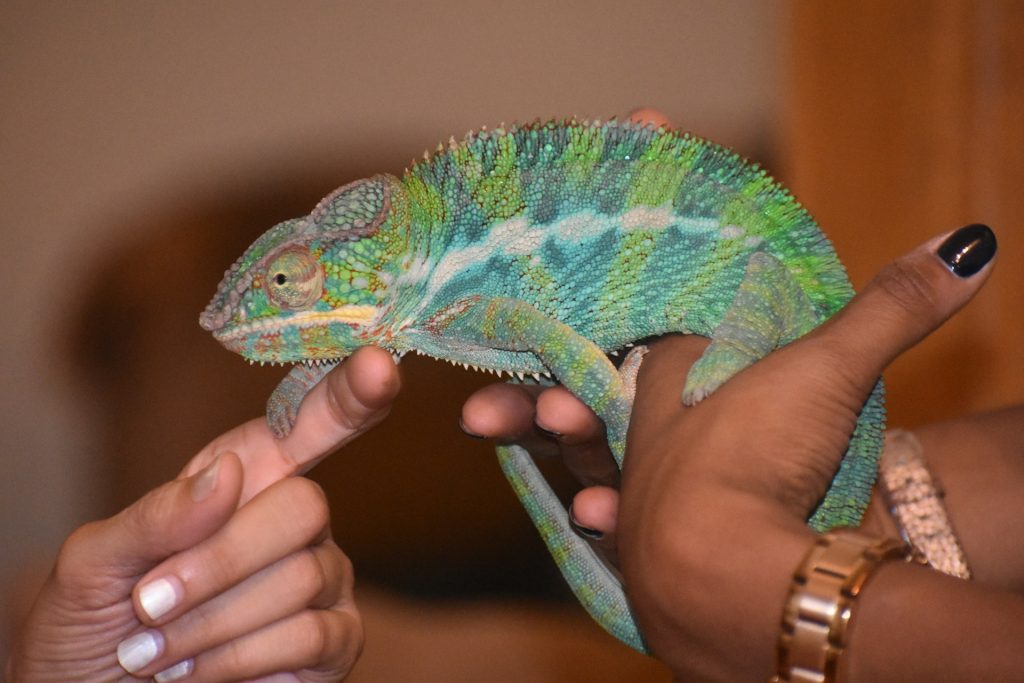
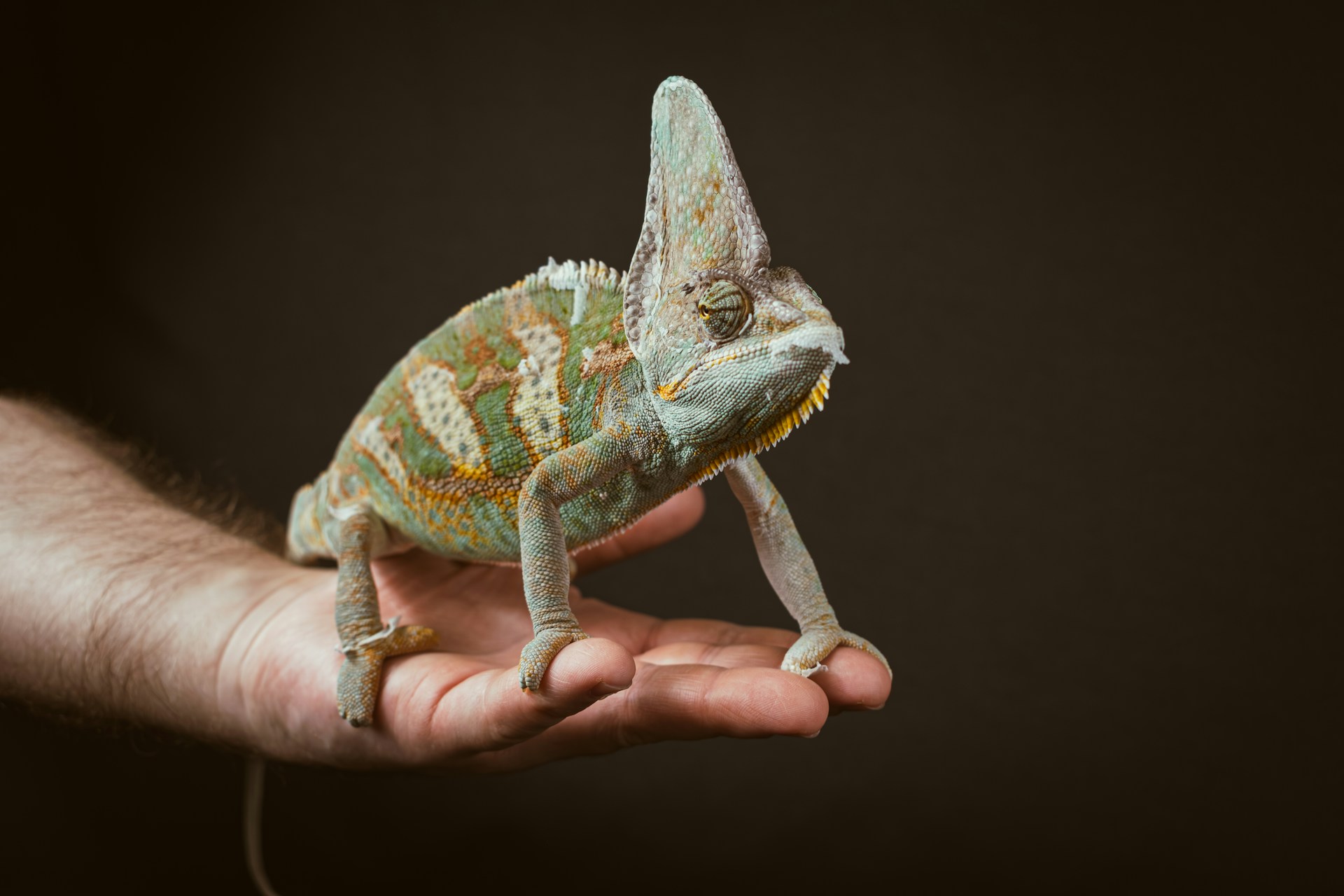
Florida researchers report established populations of multiple nonnative chameleon species, including veiled and panther chameleons, with records tied to urban and suburban landscapes. That matters because these are exactly the places where pets are housed, escapes happen, and sightings can be dismissed as isolated incidents. Once repeated reports start clustering in the same area, agencies are no longer dealing with one runaway reptile. They are watching a local introduction pathway unfold in real time.
The neighborhood problem is less about fear and more about persistence. A species that can hide well, use ornamental vegetation, and remain hard to detect can stay under the radar for months. By the time residents connect the dots, responders may be working with a wider footprint than anyone expected. That is why wildlife teams prioritize early detection instead of waiting for dramatic headlines.
Why Escaped Chameleons Can Settle In Quickly
Established chameleons in Florida are associated with warm climates, dense vegetation, and human-modified habitats where food and cover are available. Suburbs provide all three at once: irrigated landscapes, backyard trees, porch lighting that attracts insects, and plenty of quiet structure for arboreal reptiles. In other words, neighborhoods can function like ready-made habitat patches. When repeated escapes or releases occur, those patches can connect into a broader local range.
Reproduction raises the stakes quickly. UF/IFAS notes that veiled chameleons can lay large clutches and may produce more than one clutch per year.
Researchers also point out that mapped ranges are often minimum estimates because many single observations never make it into formal range boundaries. That means residents may see scattered individuals for a long time before the true pattern is recognized. A neighborhood can feel like it has random encounters, while the underlying population is already organizing itself across blocks. Underestimating that early stage is one of the most common planning mistakes.
And escapes are only one pathway. Wildlife agencies and researchers repeatedly warn that released pets can become invasive problems when conditions are suitable.
The Ecological Pressure Starts Small and Grows Quietly
The ecological concern is not theoretical. UF/IFAS reports that larger chameleon species can consume not just insects but also small vertebrates, including lizards. That shifts the conversation from backyard curiosity to local food-web pressure, especially in places where native and nonnative lizards already compete for space and resources. Predation that seems minor at first can still reshape who persists in a neighborhood over time.
No single yard reveals the full impact, which is why these problems are often underestimated. Invasive pressures accumulate through many small interactions across many properties. USGS notes that invasive species can drive ecological and economic harm, and early intervention is consistently cheaper than long, open-ended control. The takeaway is practical: if people wait for obvious damage, they are already behind.
Social Friction Is Often the First Big Warning
One of the clearest warning signs is social, not biological. A recent human-wildlife study in Florida neighborhoods documented conflict linked to informal chameleon collection activity, including concern about trespass and nighttime disturbance. Residents described safety worries and declining trust when people moved through residential areas searching for animals. Even before ecological impacts are measured, communities can feel that strain.
That pattern is easy to miss early on. People read it as random odd behavior instead of a signal that local wildlife governance is being tested.
There is also a household health layer that gets ignored in the novelty phase. CDC guidance states that reptiles can carry Salmonella even when they appear healthy, and contamination can spread through cages, surfaces, and handling routines. If escape events lead to ad hoc capture attempts by untrained residents, hygiene mistakes become more likely. That does not mean panic. It means basic risk awareness should sit beside wildlife response.
Neighborhood trust drops when information is vague. Clear reporting channels and practical guidance reduce rumor, fear, and unnecessary confrontation.
Fast Reporting Beats DIY Capture

The most useful first move is reporting, not chasing. UF/IFAS recommends documenting location details and clear photos and submitting sightings through established systems such as IveGot1 and EDDMapS. Good reports help agencies verify species, map spread, and prioritize action while records are still actionable. That is how one sighting becomes intelligence instead of noise.
Trying to handle the situation alone often creates new problems. Residents can misidentify species, lose track of movement corridors, or accidentally disperse animals by repeated disturbance. Early detection programs work best when communities feed them accurate observations quickly and consistently. USGS management programs are built around that principle: detect early, respond early, and avoid permanent cleanup mode.
Responsible Pet Ownership Is the Real Prevention Plan
Most neighborhood outbreaks begin with ordinary decisions made under stress: enclosure failures, impulse rehoming, or well-meaning releases. USFWS and partner campaigns are explicit that releasing unwanted pets is not humane and can create lasting ecological trouble. Preventing escapes at the enclosure level and planning rehoming options before a crisis are the two highest-value actions an owner can take.
Where legal frameworks apply, owners also need to know local rules on possession, transport, and release. UF/IFAS notes Florida restrictions tied to certain nonnative wildlife and stresses that release is not an acceptable disposal route. Agencies are far more effective when owners engage early, ask questions, and use official channels instead of trying to solve everything privately at the last minute.
What Local Communities Can Do Before It Gets Worse

Communities do better when they treat escaped exotics as a preparedness topic, like storm drains or firebreaks, rather than a rare oddity. Homeowner associations, neighborhood groups, and local schools can circulate plain-language guidance on what to report, what not to touch, and where to submit sightings. That kind of shared script reduces confusion and keeps incidents from turning into neighborhood drama.
Local responders also benefit from a clear chain of communication between residents, wildlife agencies, and animal professionals. Small systems matter: a consistent incident form, a map pin standard, and a short response FAQ can save weeks of back-and-forth. These are low-cost tools, but they directly support early detection and rapid response goals that federal and state programs already emphasize.
Finally, neighborhoods need to separate curiosity from policy. Chameleons are fascinating animals, and responsible keepers can care for them well. But once free-living sightings start recurring, the question is no longer whether they are interesting. The question is whether people act quickly enough to keep a manageable issue from becoming a permanent one.
The Joke Ends When Cleanup Becomes Permanent
The hard lesson is that timing decides everything. Early reporting, responsible ownership, and coordinated response keep costs low and choices open. Delay does the opposite: it expands range, increases conflict, and shifts effort from prevention to long-term control. Invasive species management is rarely won by dramatic actions. It is won by fast, ordinary decisions made early.
So yes, an escaped chameleon can start as a funny neighborhood moment. It only stays funny if people treat it seriously right away. Once repeated sightings begin, the smart move is to document, report, and let trained systems do their job. That is how communities protect local wildlife, public trust, and pet welfare at the same time.
Sources
- UF/IFAS: Florida Chameleons
- Human-Wildlife Interactions: Conflict Around Introduced Panther Chameleons
- CDC: Reptiles and Amphibians (Healthy Pets, Healthy People)
- USGS: What Is an Invasive Species and Why Are They a Problem?
- U.S. Fish & Wildlife Service: Don’t Let It Loose
- USGS: Invasive Species Research in the U.S.