

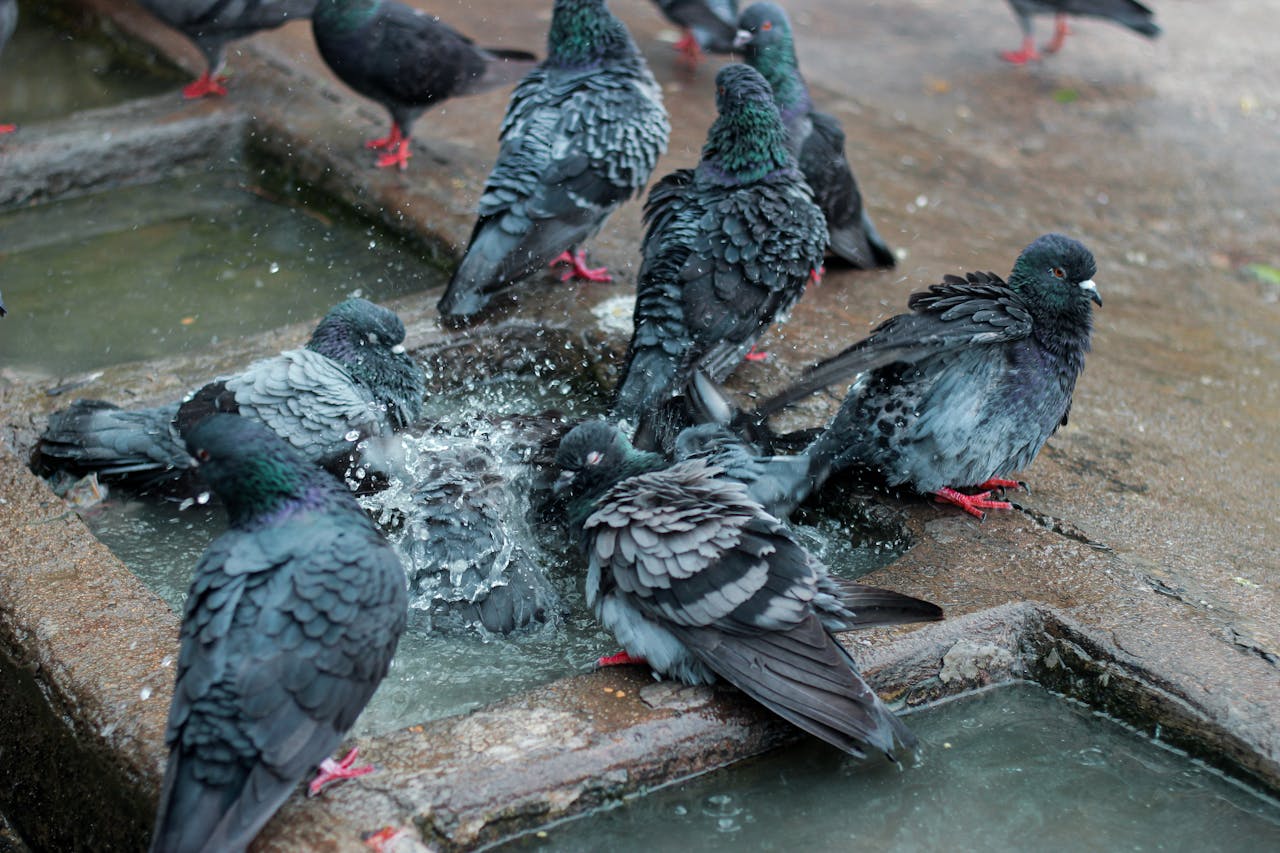
Winter yards go quiet, but the need for water stays steady. Becca Rodomsky-Bish at the Cornell Lab of Ornithology notes that water attracts a wider range of birds than seed alone, and that unfrozen sources can be scarce in northern climates. David Mizejewski of the National Wildlife Federation adds that cold, dry air makes hydration harder.
A bird bath that locks into ice before midmorning stops helping. Most freeze-ups come from predictable heat loss: shade, wind, and water that sits perfectly still against a chilled bowl. Small adjustments can keep a drinking edge open longer without turning yard care into a project.
Leaving Yesterday’s Ice In Place
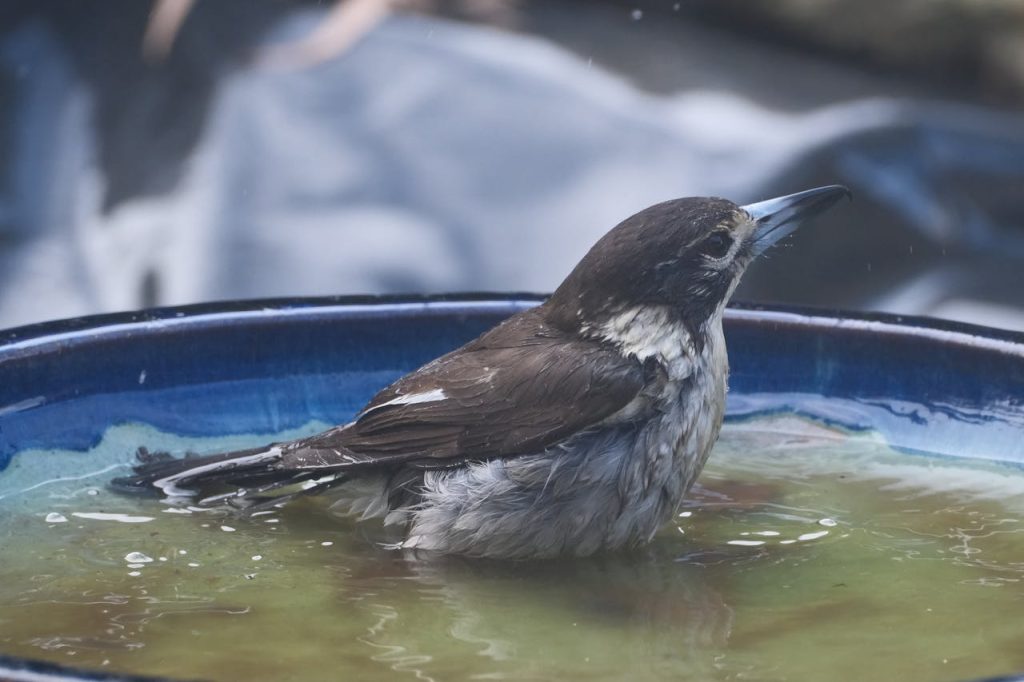
Leaving yesterday’s ice in the basin sets up a faster freeze the next day. David Mizejewski says a simple daily refresh helps: step out in the morning, pop the ice out, and refill with cool, fresh water. Unless temperatures are extremely low, that fresh fill can stay thawed through the day’s key daylight hours.
Old water is already cold, and small ice chunks keep the surface primed to seal again. The bowl looks full, but it turns into a smooth lid that offers no easy drinking edge. Folding the refill into a morning routine takes less effort than chiseling later, and it keeps the bath dependable when winter sources are scarce.
Choosing A Bowl That Fails In Freezing Weather
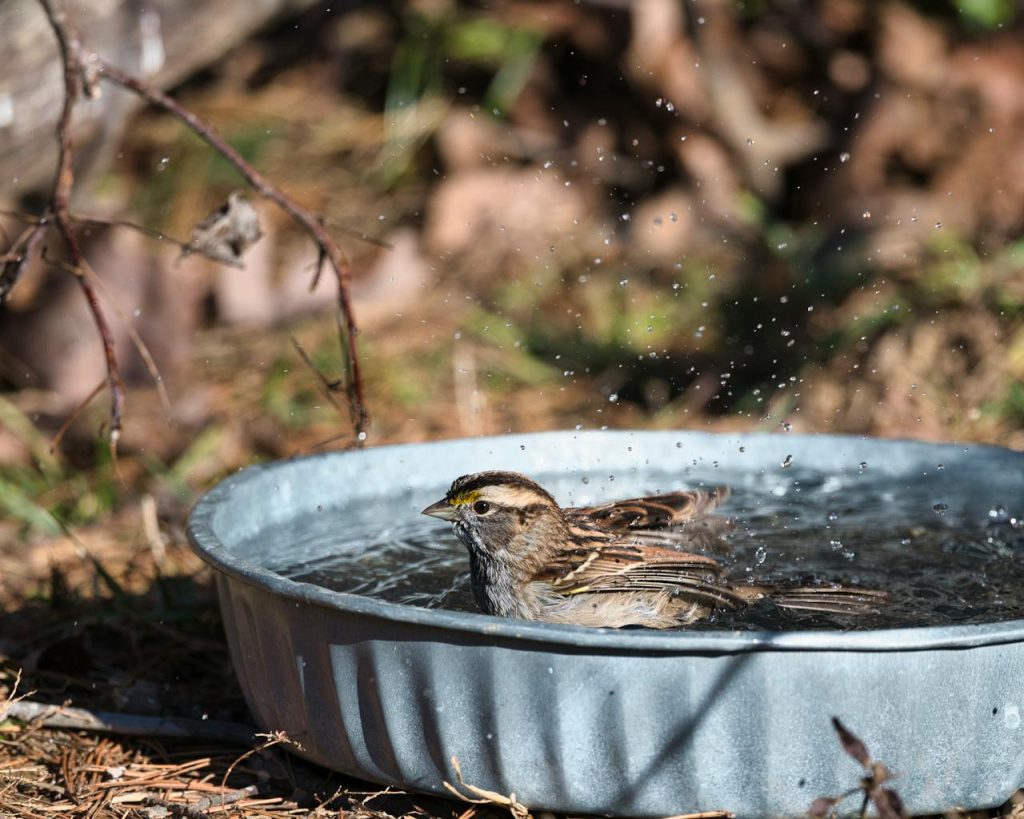
Using a bowl that cannot handle freezing temperatures often backfires fast. Becca Rodomsky-Bish notes that glass and terracotta are poor winter choices because they can shatter in freezing weather, turning a simple refill into a sudden mess and an empty bath. She advises choosing a basin built to withstand cold.
When replacements are grabbed in a hurry, the setup usually gets worse: smaller dishes, thinner walls, and less stable placement. Those quick swaps lose heat faster and ice over sooner. A cold-tough basin keeps the routine steady across repeated freeze and thaw cycles, and it holds up when ice gets popped out day after day.
Putting The Bath In Shade And Wind
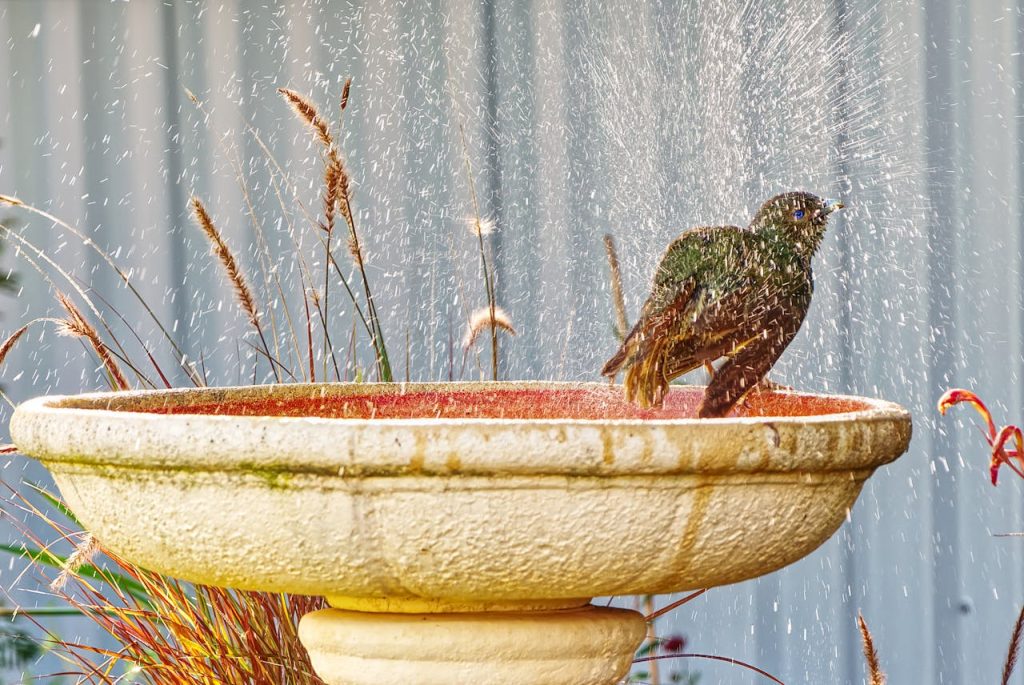
Placing the bath in deep shade or open gusts invites early ice. Rodomsky-Bish recommends a spot with as much sun as possible and some protection from wind chill, such as near a wall or hedge, because moving air strips warmth from the surface and speeds the freeze. In winter, a few feet can be the difference between sun and shade.
A small floating helper can also matter. Rodomsky-Bish suggests a ping-pong ball or a wine cork to break up forming ice, keeping a few ripples going when temperatures hover near freezing. In calmer, brighter corners, the same bowl often stays usable longer, and birds linger instead of hopping away.
Letting The Water Sit Perfectly Still
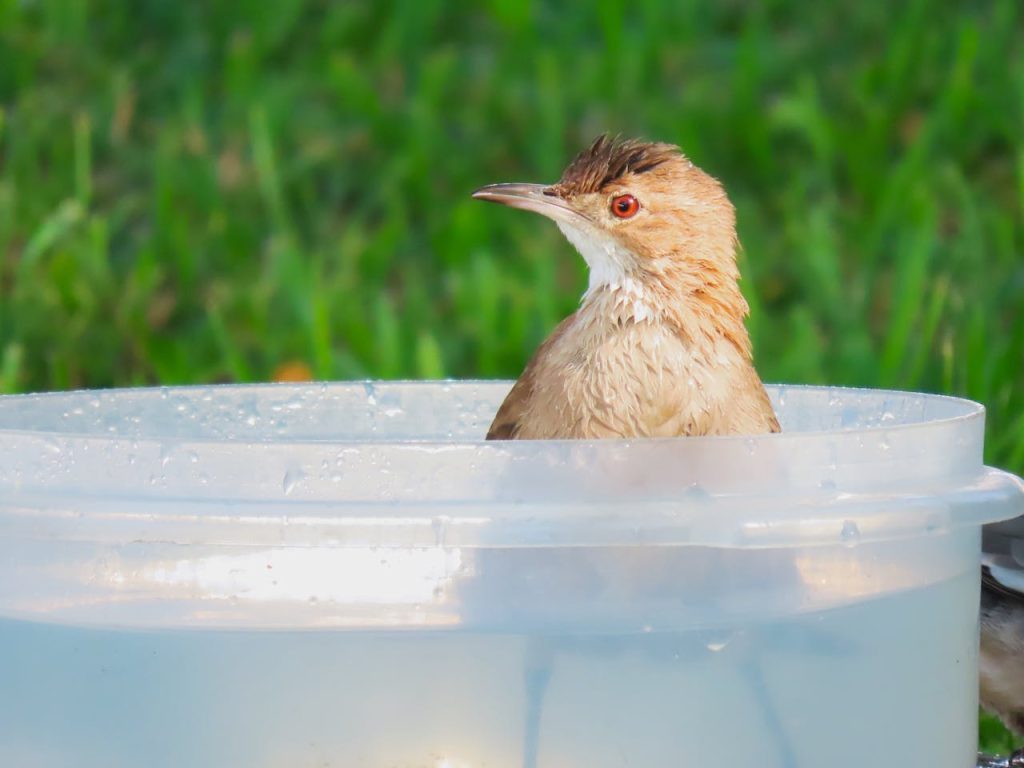
Letting water sit perfectly still is an easy way to speed ice. Rodomsky-Bish describes a simple DIY drip system: hang a gallon jug over a shallow dish, then poke a small drip hole at the bottom so water falls in steady beats. She calls it a low-cost idea that many people say works well. That motion can keep the surface thawed longer on many cold days.
Still water freezes as a single sheet, starting at the edges and spreading across the top. A drip interrupts that first skin before it strengthens, buying time without electricity or complicated gear. It also pairs with daily refills, keeping the bath active instead of silent.
Skipping Heat Or Circulation During A Cold Stretch
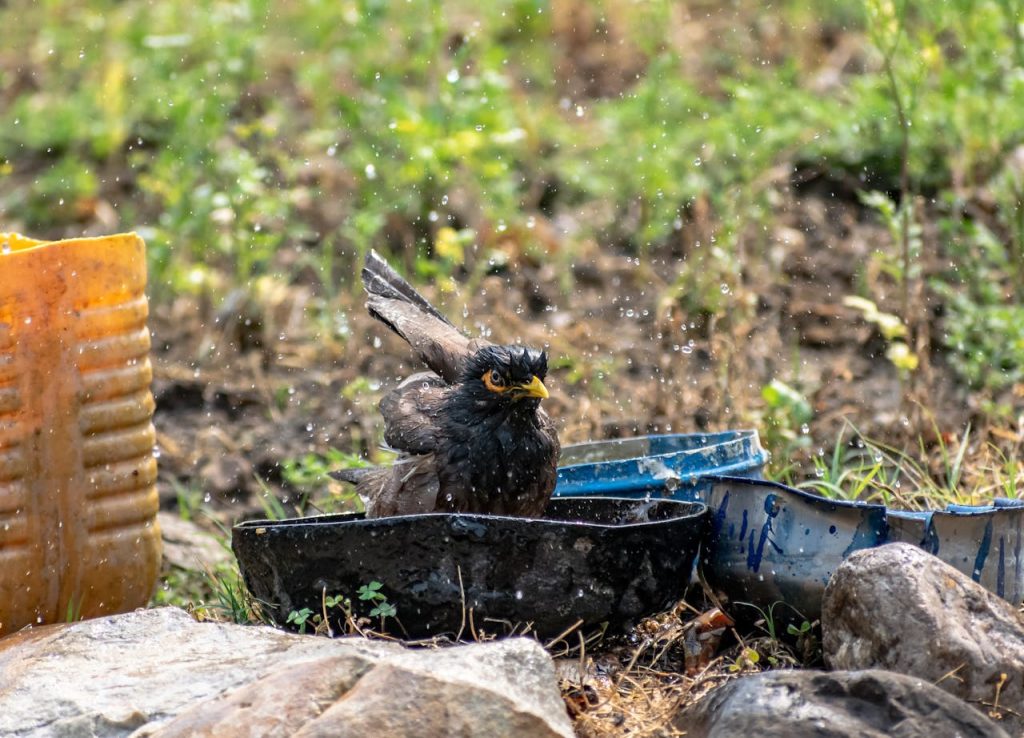
In places where hard freezes are routine, relying on a plain, unpowered bath can mean ice wins every morning. David Mizejewski says heated bird baths keep water just above freezing with less daily effort, though they cost more and need access to electricity. Rodomsky-Bish adds that manufacturers’ instructions matter, especially local temperature ratings.
A winter bird bath works best when it stays simple, safe, and steady. Mizejewski advises a shallow dish no deeper than 3 inches, with rocks or sticks that give secure footing and an easy step-out route. Regular cleaning helps, too: Rodomsky-Bish recommends mild detergent weekly, while Mizejewski suggests an alcohol-based disinfectant daily, left for 20 seconds before being removed.