

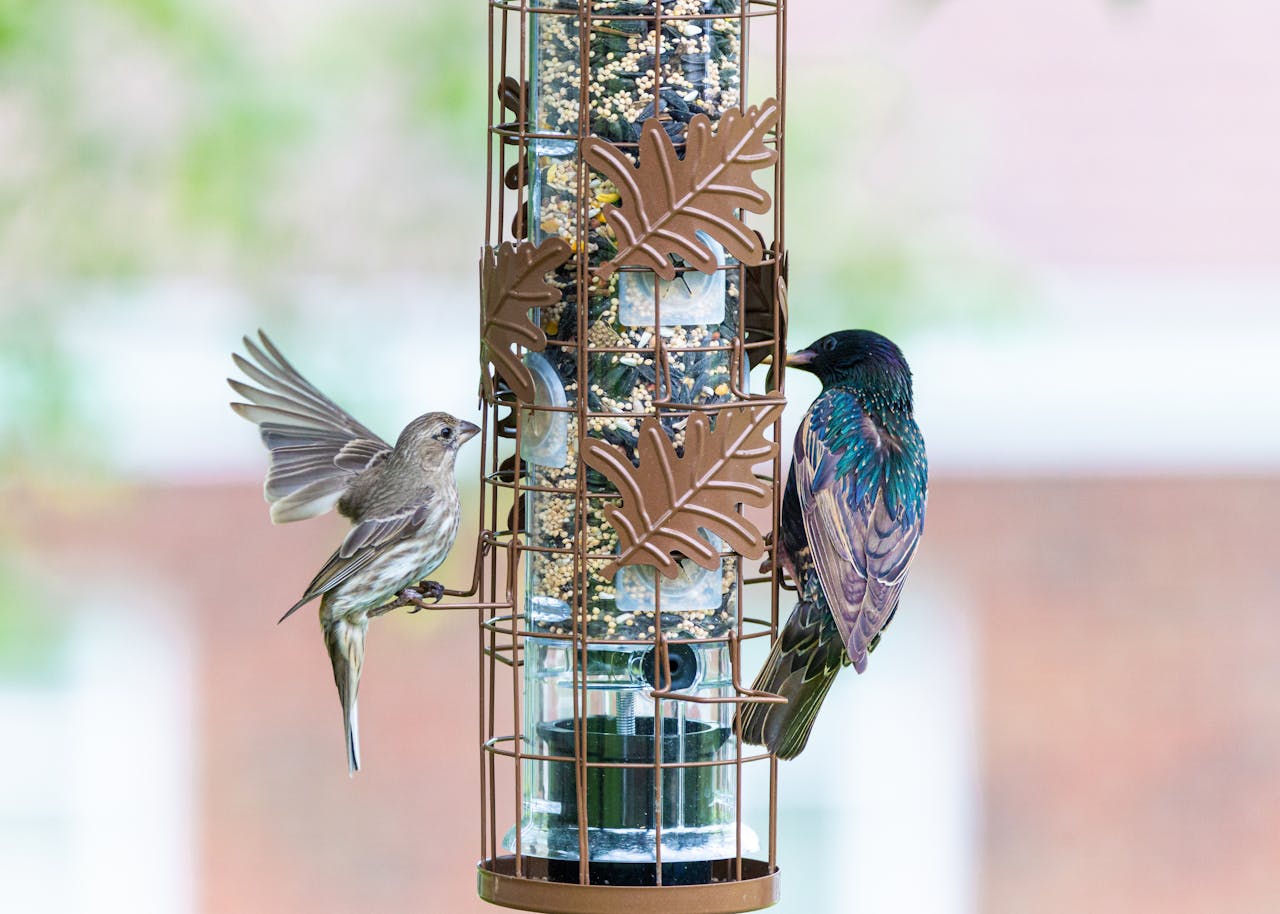
Winter feeding seems simple, yet for birds it is nightly math. Insects fade, nights stretch, and many species shift toward seeds and nuts to keep fat reserves steady through cold spells. Some enter torpor after dark, but bodies still burn fuel to hold heat when wind cuts and snow locks up natural food.
Feeders can steady that budget for residents and winter visitors, especially after storms. Still, small mistakes stack up fast: damp seed can sour, dirty ports can spread illness, and nearby glass can turn reflections into a dead end. A good setup favors clean equipment, dry storage, and smart placement so every visit actually helps.
Skipping Feeder Cleaning
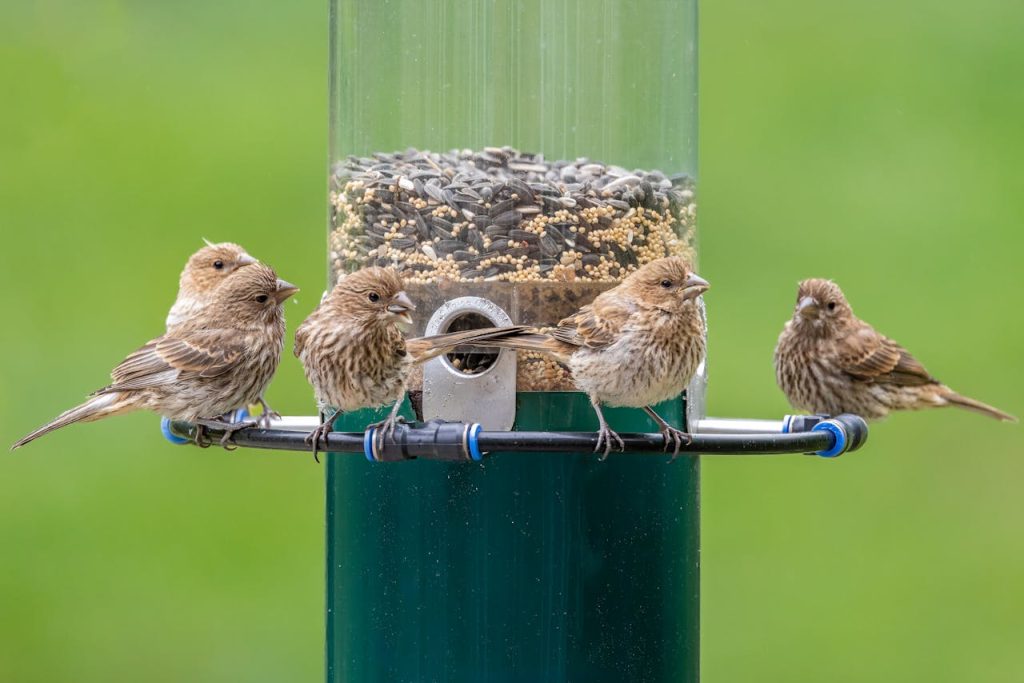
Feeders look harmless, but winter crowds turn them into shared surfaces. After snow or sleet, birds pack onto the same rims and perches, and old hulls, damp dust, and droppings collect in seams where meltwater sits through the afternoon.
Experts recommend frequent scrubbing with hot, soapy water and a brush, then a full rinse and air-dry before refilling. Pay extra attention to hopper chutes and tray corners, where clumps hide. Topping off over leftovers traps moisture, invites mold and bacteria, and can spread trouble from beak to beak. A simple weekly wash, plus post-storm checks, keeps it safe for busy weeks and warm thaws.
Letting Seed Get Wet And Moldy

Winter moisture is the quiet spoiler. Rain, melting snow, and freeze-thaw swings soak seed, and damp kernels clump in trays where air barely moves. Birds keep returning because calories are scarce, even when the food turns sour.
Experts advise dumping wet feed, brushing out sticky pockets, and refilling only after the feeder dries completely. Covered tube or hopper styles help, but platforms need drainage and quick checks after storms. Damp seed can grow mold or bacteria that spreads fast. Store bags in a dry bin, and use smaller refills so nothing sits outside for days. Avoid topping off over damp seed; empty and start fresh.
Relying On One Low-Fat Seed Mix
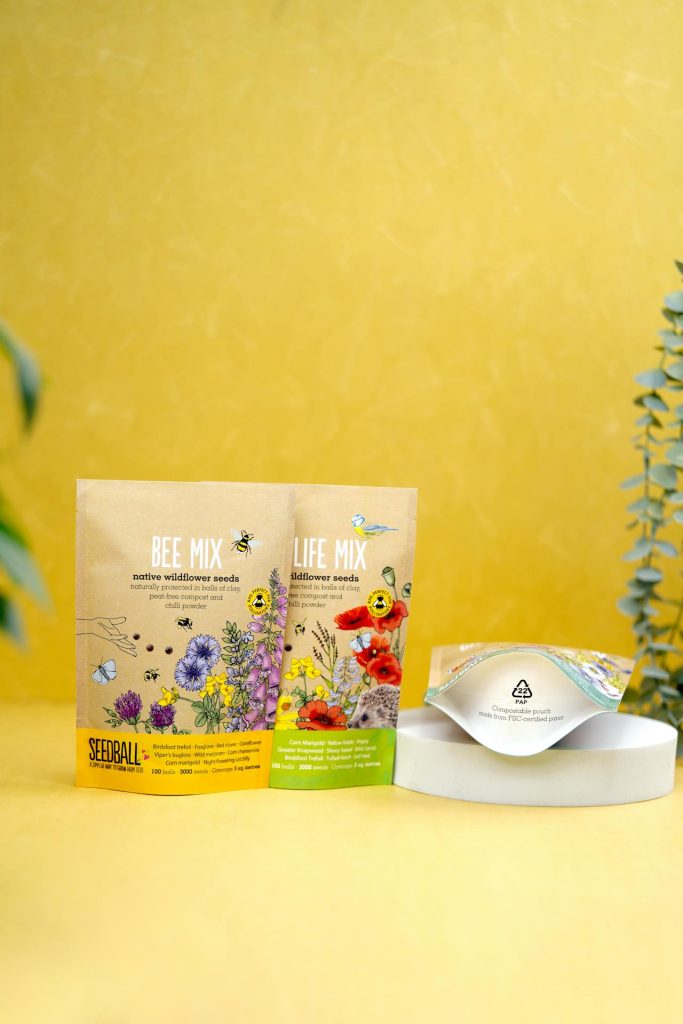
Cold weather changes the menu. With insects scarce, many birds lean on seeds and nuts to keep fat reserves high enough to handle long nights and short daylight. A common mistake is relying on a cheap mix that is mostly filler and dust.
Experts suggest energy-dense staples such as black-oil sunflower seed, safflower, and unsalted peanut pieces, then adding millet for ground feeders and thistle for finches. Hopper, tube, and platform stations each serve different species, and that spread reduces bullying at ports. Sunflower also stores well for birds that cache food for later after storms. Refill before dusk during deep freezes.
Buying Suet With Cheap Fillers
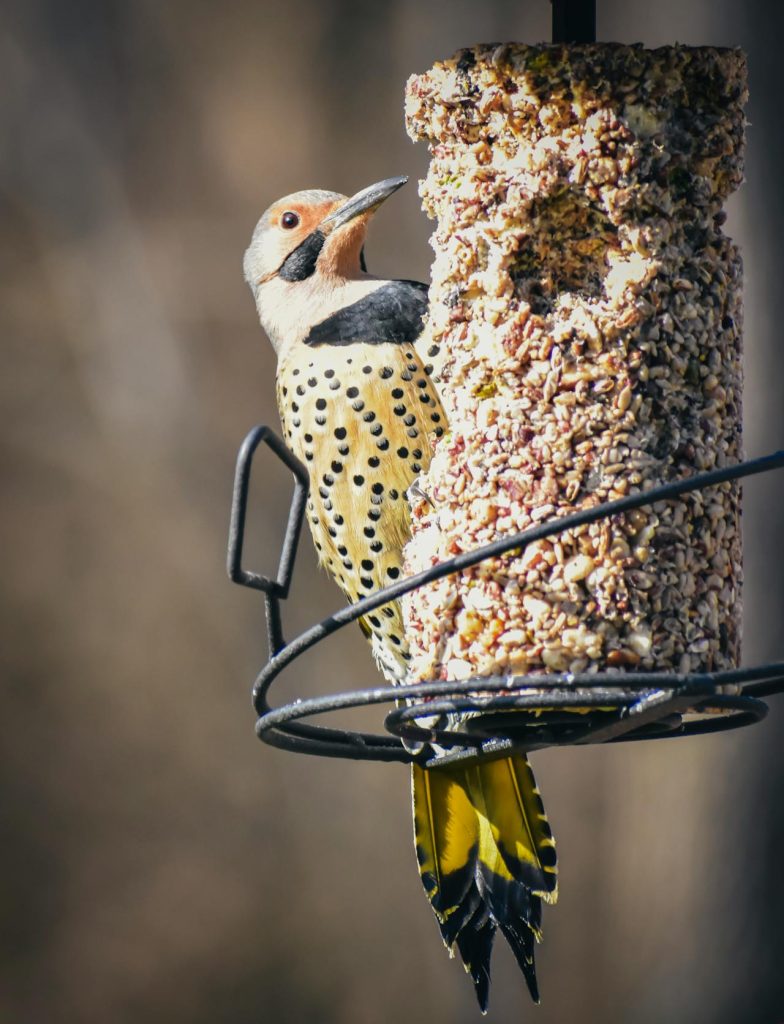
Suet is a winter favorite because it delivers fat fast, and even insect-eating birds may switch to it when cold locks up their usual food. The mistake is buying blocks built for price, not nutrition, then assuming any suet is equally helpful.
Experts recommend labels that list suet or rendered beef fat, plus add-ins like sunflower seed, unsalted nuts, and dried fruit. Blocks made with bacon grease, palm or vegetable oils, or corn syrup can leave oily residue that holds dirt and moisture. That mess turns cages grimy and shortens the life of the food. Small portions and regular swaps keep quality high. Keep it shaded during thaws.
Offering Salted Or Seasoned Peanuts
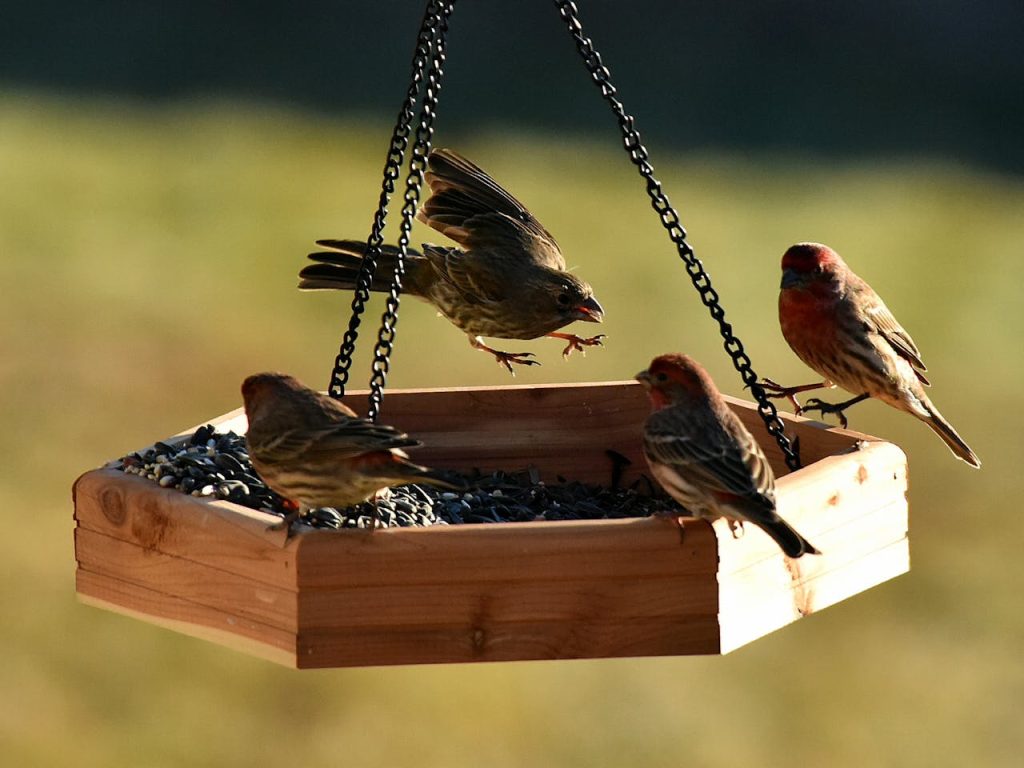
Peanuts draw woodpeckers, chickadees, titmice, and nuthatches, and they can be a smart winter boost when offered plainly. The mistake is putting out salted or seasoned snack nuts, assuming a peanut is a peanut once it hits the feeder.
Experts emphasize unsalted pieces, ideally shelled or broken so smaller birds can manage them and waste stays low. Salt and flavor coatings add needless sodium and spoil faster in damp weather, leaving greasy film that holds dirt and hulls. Keep portions modest, toss soggy bits, and refill often during cold snaps when feeders become a daily fuel stop. Squirrels love them, so baffles can help.
Using The Wrong Feeder Setup For The Food
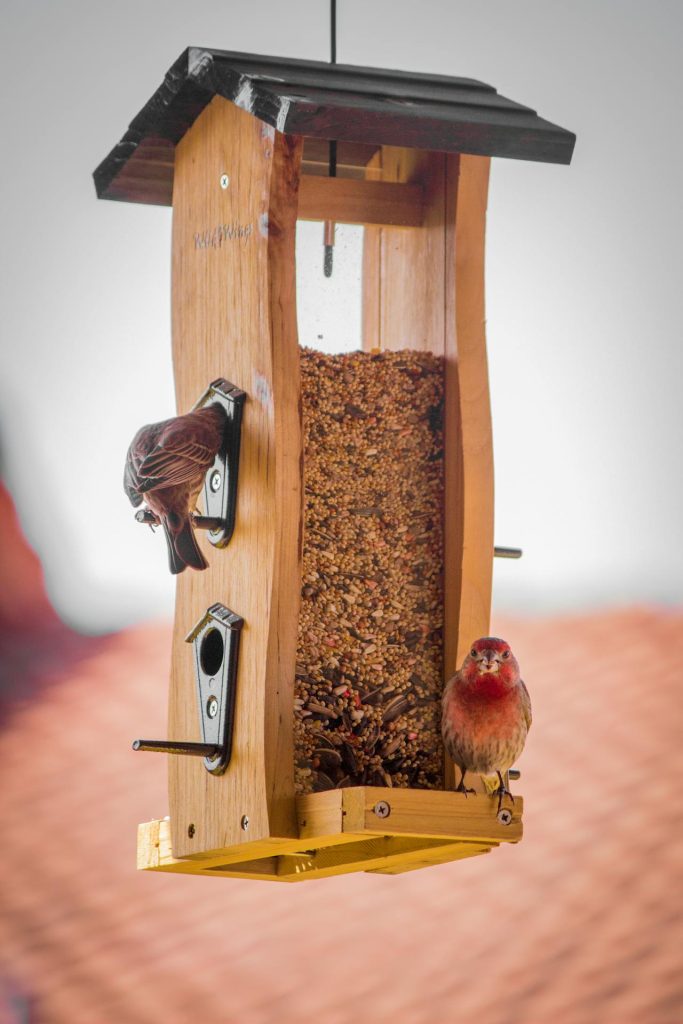
Food choice matters, but the feeder decides who actually eats. One common mistake is pouring every seed into a single station, then watching bold birds claim the best perches while others circle and leave, spending precious calories for nothing.
Experts note that millet suits many ground feeders such as juncos, sparrows, and doves, while thistle works best in specialty feeders that finches can cling to. Hopper, tube, and platform designs each fit different bodies and beaks, and multiple stations reduce crowding. Matching seed to feeder cuts waste, calms competition, and brings more species through winter. Spacing stations helps.
Ignoring Window Collision Risk Near Feeders
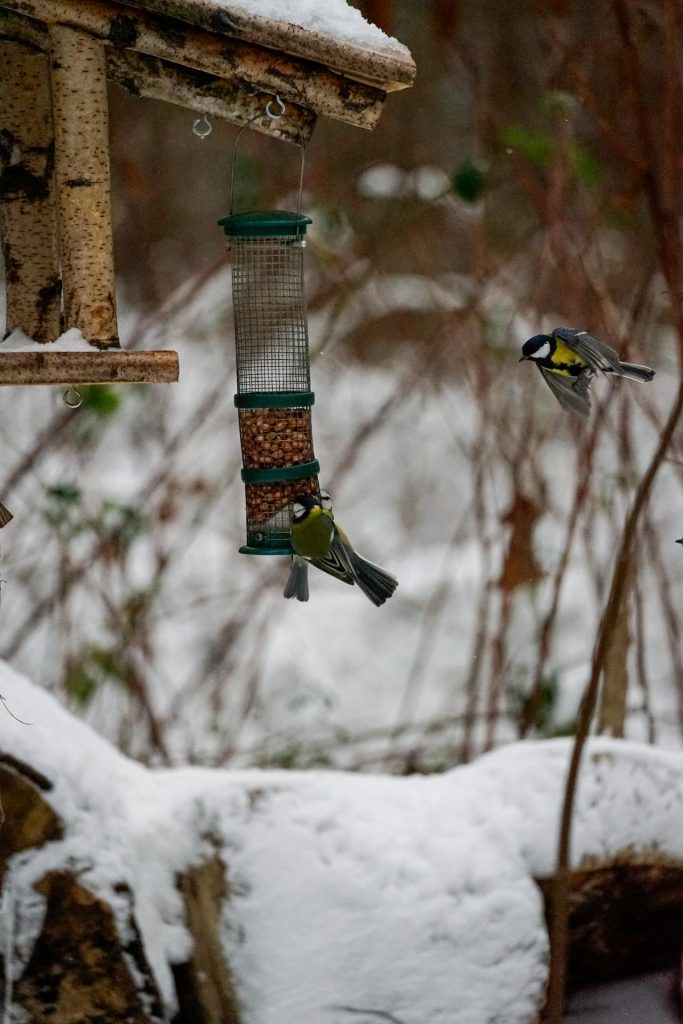
Winter feeders often pull birds closer to houses, and glass becomes the invisible problem. Reflections read as open sky, and a quick escape from a hawk can end in a strike before a bird registers the barrier.
Experts at Bird Conservancy note that more than one billion birds are lost each year in the U.S. after hitting windows. A common mistake is placing feeders so direct flight lines aim at large panes or glass corners. Simple deterrents like hanging cords or adhesive dots break up reflections and signal the surface, lowering risk while keeping feeding active through the season. Recheck placement when snow changes the approach.
Winter feeding works best when it stays practical: clean gear, dry food, and energy-rich choices that match the season’s shift away from insects. With a few feeder styles, smaller refills, and safe placement that breaks up window reflections, a yard becomes a steady refuge through storms and thaws. Good routines matter more than fancy products, from a quick weekly scrub to tossing damp seed before it turns. The payoff is quiet but real. More species can feed without burning extra energy in crowd fights, and the birds that linger near the house look stronger as the cold weeks grind on. Consistency, not volume, carries them through.