


A rare chill at NASA’s Florida launch site forced a schedule reset for the next big lunar step.
Near-freezing temperatures expected at Kennedy Space Center led officials to cancel Saturday’s planned fueling test for the 322-foot moon rocket and shift the first crewed Artemis flight to no earlier than Feb. 8, two days later than planned. The dress rehearsal is now set for Monday, weather permitting. NASA says any added delay would move the date day for day. Heaters keep the Orion capsule warm while the crew remains in quarantine in Houston, with only three February launch days left. The clock feels loud now. In Florida.
Cold Forecast Becomes A Hard Launch Rule

Near-freezing air is not dramatic, but it changes what is safe to do around a fully stacked moon rocket. Ground lines, valves, and sensors must behave predictably, and cold can invite condensation and slow down pad tasks that rely on steady temperatures.
NASA called off Saturday’s planned fueling test late Thursday after forecasts pointed to near-freezing temperatures at Kennedy Space Center. The pause protects hardware and crews, yet it also tightens the calendar, because the mission has only a few viable launch days each month and February now offers just three before the window slips into March. After the Feb. 8 shift.
The Scrubbed Fueling Test Was The Real Tipping Point
The canceled activity was not a launch attempt. It was the fueling test that acts as a dress rehearsal, meant to prove the rocket can be loaded with super-cold propellants, monitored through holds, and brought back to a safe configuration. It is where small timing issues often show up.
Calling it off late Thursday gave the team time to avoid cold-weather complications and to reset for Monday’s rehearsal date, weather permitting. That change also trims the margin for reviews afterward, because February has only three launch opportunities left. The goal is to protect readiness, not to win back hours on a calendar. At KSC.
Feb. 8 Is The New Earliest Shot, Not A Promise
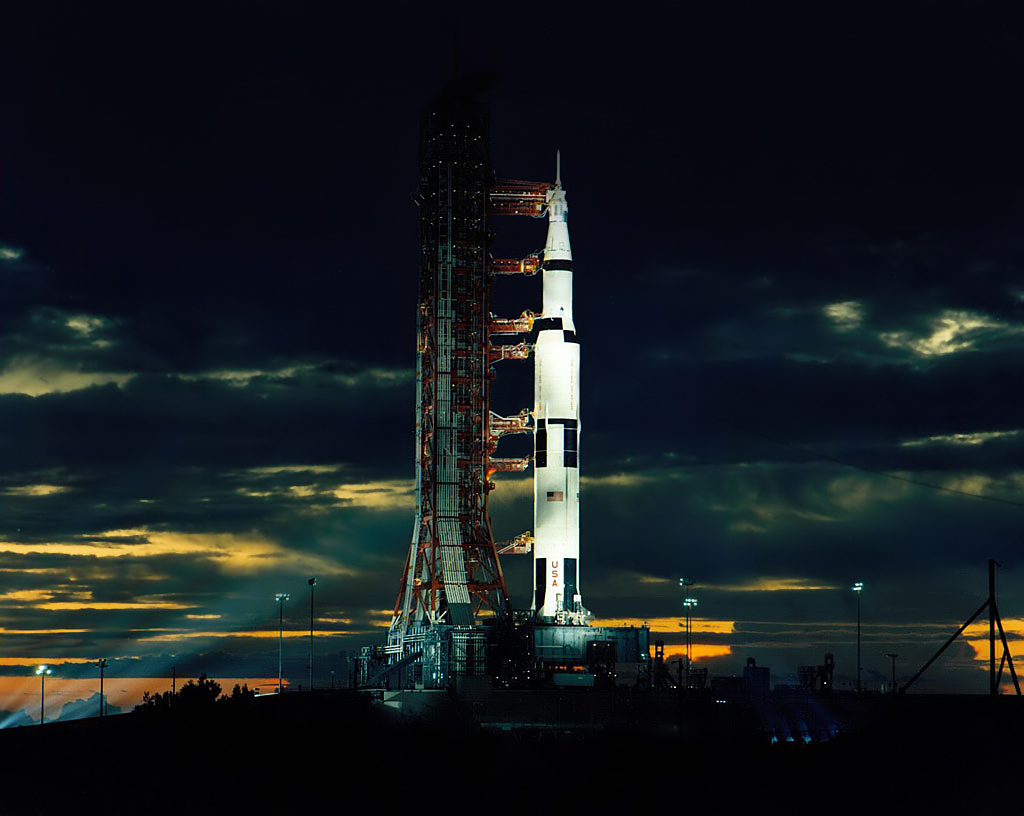
NASA now targets no earlier than Feb. 8 for the first Artemis crewed trip around the moon and back. The change is two days, yet it lands on a timeline with little slack because launch windows are limited and the flight involves four astronauts.
The agency says the Monday dress rehearsal is still the key step, and it has only three February launch days available before the plan slips into March. NASA also warned that any additional delays would move the schedule day for day. What sounds like a simple shift becomes a chain reaction across teams, checkouts, and travel timing. It is the first lunar crew in more than half a century.
Monday’s Dress Rehearsal Holds The Whole Timeline Together
The critical dress rehearsal is now planned for Monday, weather permitting, and it has become the week’s pressure point. It must validate procedures for fueling the rocket, watching key readings, and handling the stack through planned holds and safing steps. It also tests how the team responds when the clock is tight.
A clean rehearsal supports the Feb. 8 target because it feeds the reviews that follow. If Monday slips, February quickly runs out of usable dates, leaving only three launch opportunities before March. That is why the rehearsal now feels less like a drill and more like the hinge the month turns on for Artemis.
The Crew Waits In Houston While Florida Watches The Thermometer

Commander Reid Wiseman and the rest of the crew remain in quarantine in Houston, and NASA said their arrival at Kennedy Space Center is uncertain. That uncertainty is logistical, tied to whether the rehearsal and launch targets hold.
Weather delays ripple into crew travel, briefings, and the last stretch of preparations that depend on clean timing between people and hardware. The plan is to send four astronauts around the moon and back, so schedules cannot drift casually. With the mission now aiming for no earlier than Feb. 8 and only three February launch days left, managers have to place every step carefully. In Florida.
A Few Launch Days Each Month Make Weather Feel Loud
NASA does not pick a launch day the way airlines pick departure slots. Windows are limited by mission geometry and by the support needed to track and safeguard a crewed flight, so only a handful of days work in any given month. When weather knocks out one task, the effects can stack up quickly.
That is why February’s math matters so much. After shifting the earliest attempt to Feb. 8, NASA has only three dates left in February to send four astronauts around the moon and back before March. The agency also said any additional delay would change the timeline day for day, which turns even a cold spell into a major planning problem.
Apollo’s Long Pause Raises The Stakes On Every Choice
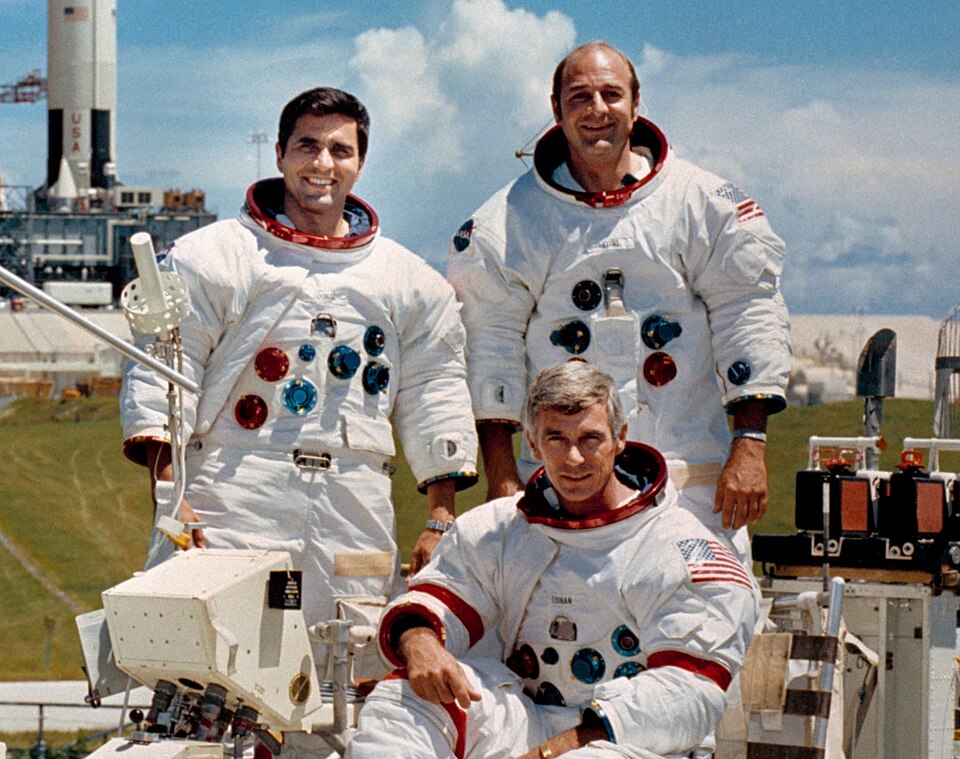
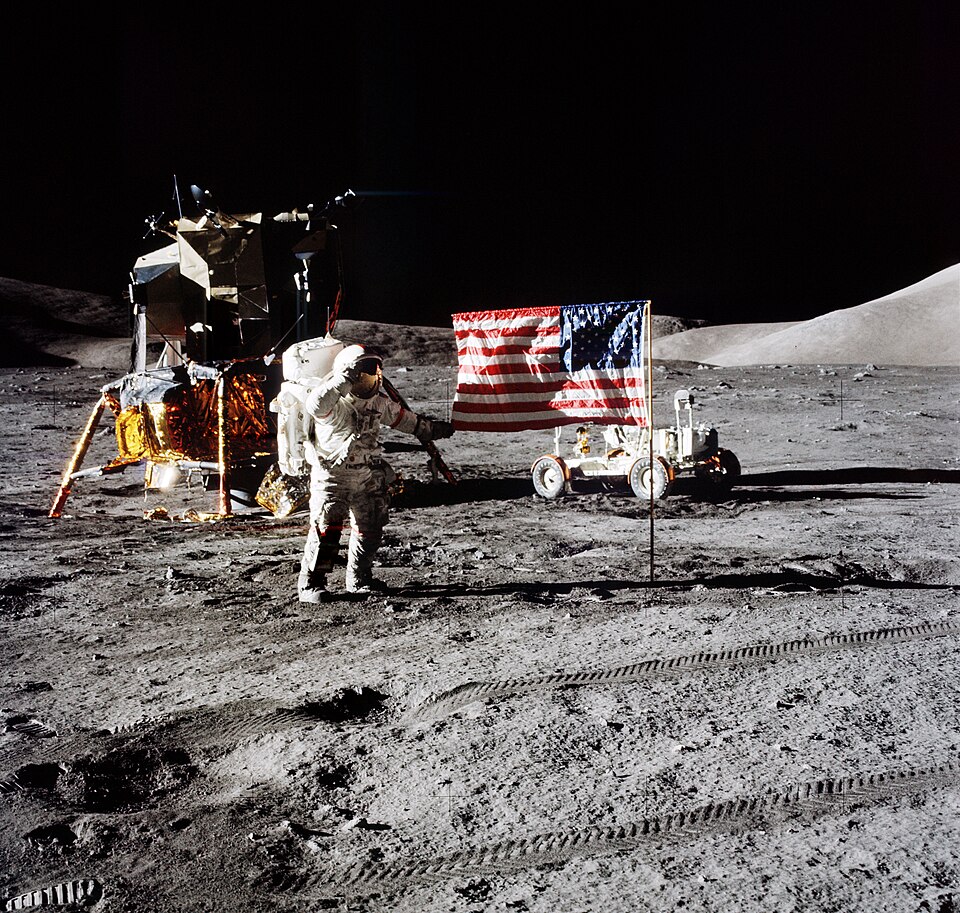
The Artemis crew flight carries historic weight that makes caution feel appropriate. NASA has not sent astronauts on a lunar-distance mission since Apollo 17 ended the original moon exploration program in 1972, more than half a century ago.
That long pause sharpens focus on small risks, including cold-weather effects at the pad during fueling work. Delaying a rehearsal can be frustrating, but it also signals that the program is choosing predictable conditions over rushed momentum. The mission is designed to send four astronauts around the moon and back, and the safest path starts with refusing to gamble on the ground.
Florida Cold Snaps Are Uncommon, Which Makes Planning Tricky

Florida is famous for heat and humidity, not mornings that flirt with freezing. That mismatch matters because pad systems are tuned for a different range, and cold can change how routine work behaves. It is why NASA reacted early when forecasts pointed to near-freezing temperatures at Kennedy Space Center.
NASA’s response has been practical: cancel Saturday’s fueling test Thursday, move the rehearsal to Monday, keep Orion warm with heaters, and adjust purging for the cold. None of that is flashy, but it is how risk is reduced before a crew is committed. With only three February dates left, preparation has to stay calm and exact.
The Delay’s Real Message Is Discipline, Not Drama
NASA put the stakes into a single line: any additional delays would result in a day for day change. It is an honest admission that the schedule is constrained by weather and by a calendar with only a few workable days each month.
With the rehearsal set for Monday and the earliest launch now Feb. 8, the focus is on clean data and steady preparation. Heaters keep Orion warm, purging is adjusted for the cold, and the crew remains in quarantine in Houston until travel timing is clear. The delay is not a retreat from ambition, it is a test of discipline that starts on the ground. February offers only three launch dates before March.
Cold weather rarely gets top billing in a moon story, yet it is exactly the kind of ordinary constraint that reveals how mature a program is. By pausing early, keeping Orion stable, and protecting the crew’s timeline, NASA is treating the ground phase with the same seriousness as the flight. If the week goes well, Feb. 8 becomes less about urgency and more about readiness.